Are you wondering if the incline dumbbell press really targets your upper chest? You’re not alone.
Many people struggle to build that defined upper chest and want to know if this exercise is the key. Understanding how the incline dumbbell press works can help you get better results and avoid wasted effort. Keep reading to discover the truth about this move and how it can transform your chest workouts.
Your stronger, fuller upper chest starts here.
Incline Dumbbell Press Basics
Incline dumbbell press targets the upper chest muscles effectively. It helps build strength and shape in the upper chest area. This exercise uses dumbbells to allow a greater range of motion and muscle activation.
Exercise Setup
The incline dumbbell press requires an adjustable bench set at a 30 to 45-degree angle. Sit on the bench with a dumbbell in each hand. Plant your feet firmly on the floor for stability. Hold the dumbbells at shoulder level with palms facing forward. Keep your back pressed against the bench and your core tight. This setup helps focus the effort on the upper chest muscles.
Muscle Groups Targeted
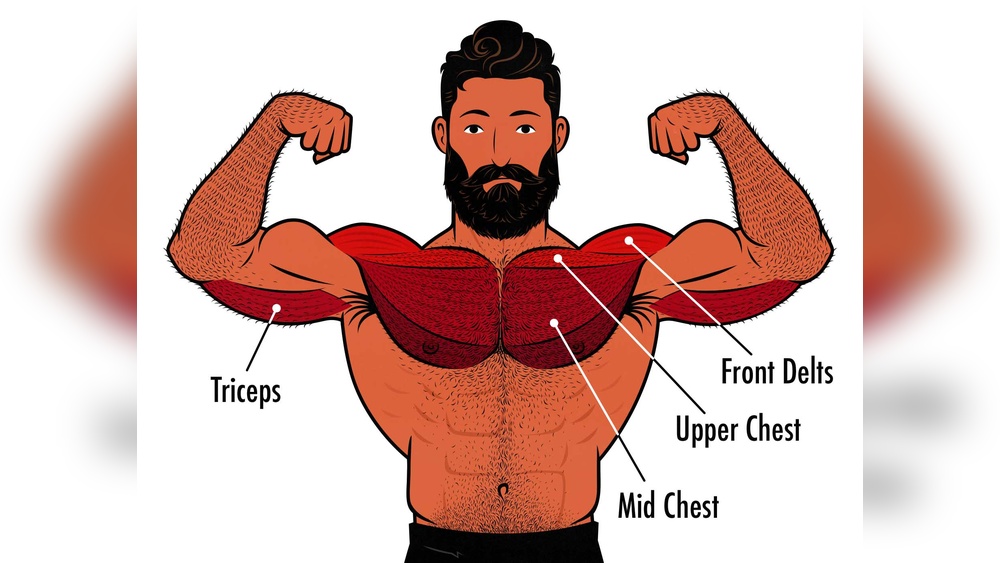
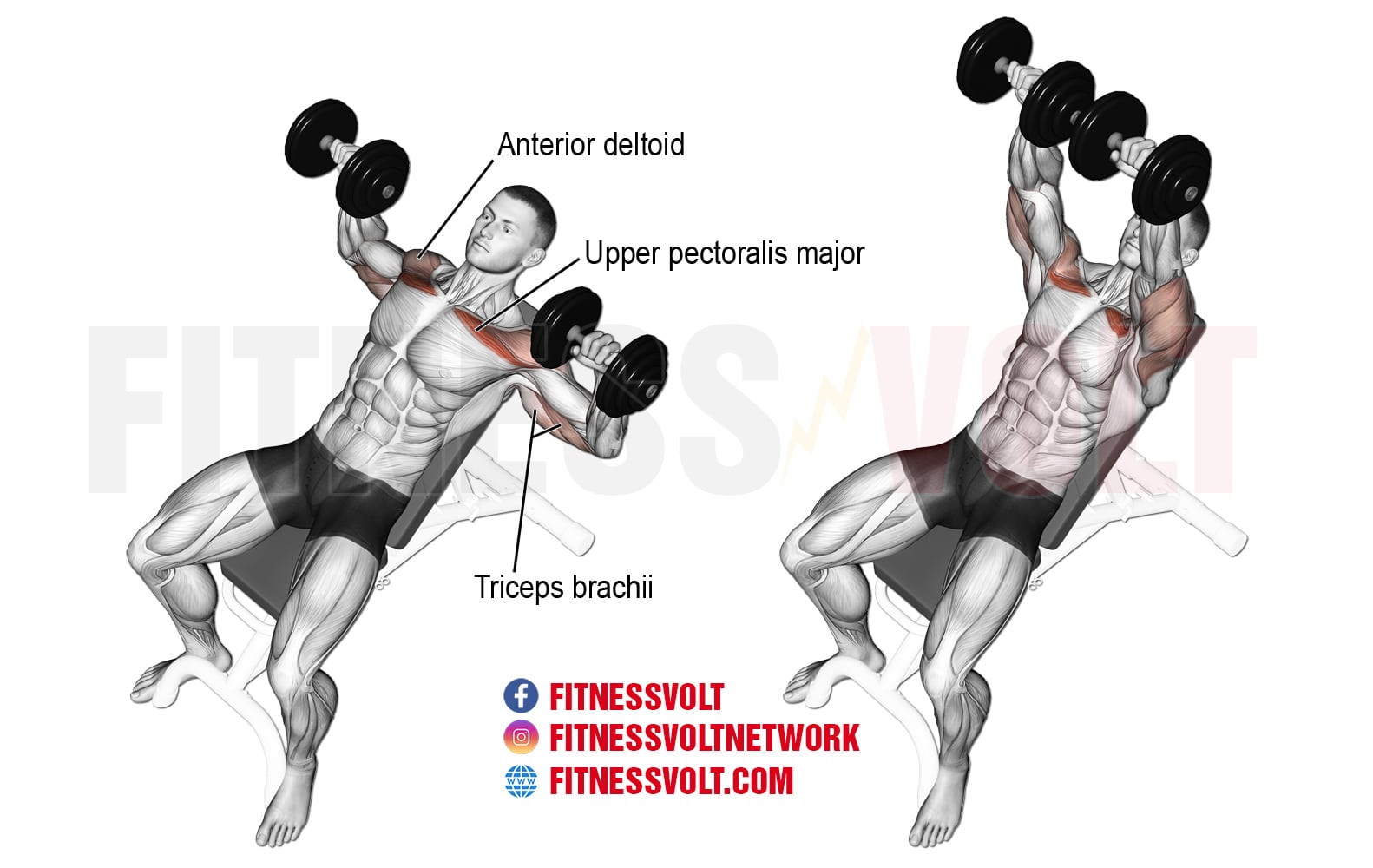
The primary muscle worked is the upper chest, also called the clavicular head of the pectoralis major. The incline angle shifts the focus from the middle and lower chest to the upper area. The front shoulders (anterior deltoids) assist in pushing the dumbbells upward. The triceps also engage to extend the arms. This combination helps build a fuller, more balanced chest.

Credit: www.strengthlog.com
Upper Chest Anatomy
The upper chest is a key area in chest development. It shapes the look of your chest and adds strength. Understanding its anatomy helps target it better in workouts. This section breaks down the main parts of the upper chest.
Clavicular Head Role
The upper chest is mainly formed by the clavicular head of the pectoralis major. It starts near the collarbone. This part lifts the arm upward and forward. It also helps in pushing movements. Exercises that raise the arms work this area well.
Muscle Fiber Orientation
Muscle fibers in the upper chest run diagonally from the collarbone to the arm. This angle is important for exercise selection. Movements that follow this line activate the upper chest more. Incline presses match this fiber direction. They help engage the upper chest efficiently.
How Incline Press Engages Upper Chest
Incline dumbbell press targets the upper chest by changing the angle of the lift. This shift puts more effort on the upper pectoral muscles. It helps build strength and shape in the upper chest area effectively.
Angle Impact
The incline dumbbell press changes the bench angle, usually between 30 to 45 degrees. This angle shifts more work to the upper chest muscles. It reduces the load on the lower chest and shoulders. The slant helps target the clavicular head of the pectoralis major. This head forms the upper part of the chest. The incline position also allows a greater range of motion. This movement stretches and contracts the upper chest better than flat presses. The muscle fibers in this area get more tension and stress. This leads to improved strength and muscle growth over time.
Muscle Activation Studies
Research shows the incline press activates the upper chest more than flat presses. Electromyography (EMG) tests measure muscle activity during exercises. These studies reveal higher EMG signals in the upper chest during incline presses. The incline angle encourages better upper chest engagement. It lowers the activity in the front shoulder muscles. This means less risk of shoulder strain. The incline dumbbell press also allows each arm to move independently. This helps fix muscle imbalances and improves muscle control. Overall, science confirms the incline press works well for upper chest growth.
Comparing Incline Dumbbell Press To Other Presses
The incline dumbbell press targets the upper chest muscles more than other pressing exercises. It changes the angle of the press, which shifts focus to the clavicular head of the pectoralis major. Comparing it to flat bench press, decline press, and machine press helps understand its unique benefits. Each press works the chest differently, affecting muscle growth and strength.
Flat Bench Press
The flat bench press mainly works the middle chest. It also activates the shoulders and triceps. The angle of the bench is flat, so it puts less stress on the upper chest. It helps build overall chest mass but does not target the upper chest as well. Dumbbells allow a greater range of motion than a barbell in this exercise.
Decline Press
The decline press focuses on the lower chest muscles. It uses a downward bench angle to shift emphasis. This press reduces the role of the upper chest. It helps shape the lower pectoral muscles and adds variety to chest workouts. Dumbbells or barbells can be used for decline presses.
Machine Press Variations
Machine presses offer controlled movement and stability. They often isolate chest muscles better than free weights. Some machines allow adjustment to target upper, middle, or lower chest. They limit the use of stabilizer muscles compared to dumbbells. Machines are useful for beginners or injury recovery.
Proven Results From Research
Research shows clear evidence on how the incline dumbbell press targets the upper chest. Studies measure muscle activity and growth to prove its effectiveness. These findings help fitness enthusiasts understand the real impact of this exercise.
Emg Analysis Findings
Electromyography (EMG) studies track muscle activation during exercises. The incline dumbbell press shows higher upper chest muscle activity than flat bench presses. This means the upper chest works harder during incline presses. Researchers confirm this by comparing muscle signals in different chest exercises.
Strength And Hypertrophy Gains
Research also measures strength and muscle size improvements. Regular incline dumbbell pressing leads to noticeable strength gains in the upper chest. Muscle growth, or hypertrophy, is greater in the upper chest compared to other chest areas. These gains come from the specific angle and movement of the incline press.
Credit: sageuae.com
Common Mistakes To Avoid
Many people try the incline dumbbell press to target the upper chest. Some make mistakes that reduce its effectiveness. Avoiding these errors helps build muscle better and prevents injury. Focus on proper technique for best results.
Incorrect Bench Angle
The bench angle matters a lot. Too flat puts more stress on the middle chest. Too steep shifts work to the shoulders. Set the bench between 30 and 45 degrees. This angle best targets the upper chest muscles.
Check the angle before each set. Adjust if you feel the exercise in the wrong area. A small change can make a big difference.
Poor Form Tips
Good form is key for safety and muscle growth. Keep your back pressed against the bench. Avoid arching your lower back too much. Control the dumbbells; don’t let them drop fast.
Lower the weights slowly to your chest level. Push up with steady force. Keep your wrists straight, not bent backward. This prevents strain and ensures the upper chest works hard.
Tips To Maximize Upper Chest Growth
Building your upper chest takes more than just doing the incline dumbbell press. It requires smart training and good habits. Small changes can make a big difference in muscle growth. Focus on key tips to get the best results from your workouts.
These tips help target the upper chest better. They improve strength and shape. Use them to get stronger and see real progress faster.
Optimal Reps And Sets
For upper chest growth, aim for 8 to 12 reps per set. This range helps build muscle size and strength. Perform 3 to 4 sets for each workout. Rest for 60 to 90 seconds between sets. Keep your form strict to avoid injury and get the best muscle activation.
Progressive Overload Strategies
Progressive overload means increasing the challenge over time. Add small weight increments weekly or biweekly. You can also increase reps or sets gradually. This forces muscles to adapt and grow stronger. Track your progress to ensure steady improvements. Avoid staying at the same weight or reps for too long.
Supplementary Exercises
Combine incline dumbbell press with other upper chest exercises. Try incline barbell press, cable crossovers, or chest flies. These moves hit the muscle from different angles. This adds variety and avoids plateaus. Use lighter weights for flies to focus on muscle stretch and control. Balance your routine with push-ups and dips for overall chest development.
Credit: anabolicaliens.com
Frequently Asked Questions
Does Incline Dumbbell Press Target Upper Chest Effectively?
Yes, incline dumbbell press primarily targets the upper chest muscles. It activates the clavicular head of the pectoralis major. This exercise helps build upper chest size and strength efficiently.
How Does Incline Angle Affect Upper Chest Activation?
A 30 to 45-degree incline optimally targets the upper chest. Too high an angle shifts focus to shoulders. Adjusting incline ensures maximum upper chest engagement during the press.
Can Incline Dumbbell Press Improve Chest Shape?
Incline dumbbell press enhances upper chest definition and fullness. It lifts and sculpts the chest’s upper portion. Regular practice improves overall chest symmetry and aesthetics.
Is Incline Dumbbell Press Better Than Flat Bench Press?
Incline dumbbell press emphasizes upper chest more than flat bench press. Flat press targets the middle chest primarily. Combining both exercises yields balanced chest development.
Conclusion
The incline dumbbell press targets the upper chest effectively. It helps build strength and shape in that area. Using a bench set at an angle makes the muscles work harder. Many people find it useful for balanced chest development. Consistent practice and proper form increase results.
Adding this exercise can improve your overall chest workout. Remember to start with a comfortable weight and increase gradually. Small steps lead to steady progress. Give it time, and you will see changes.