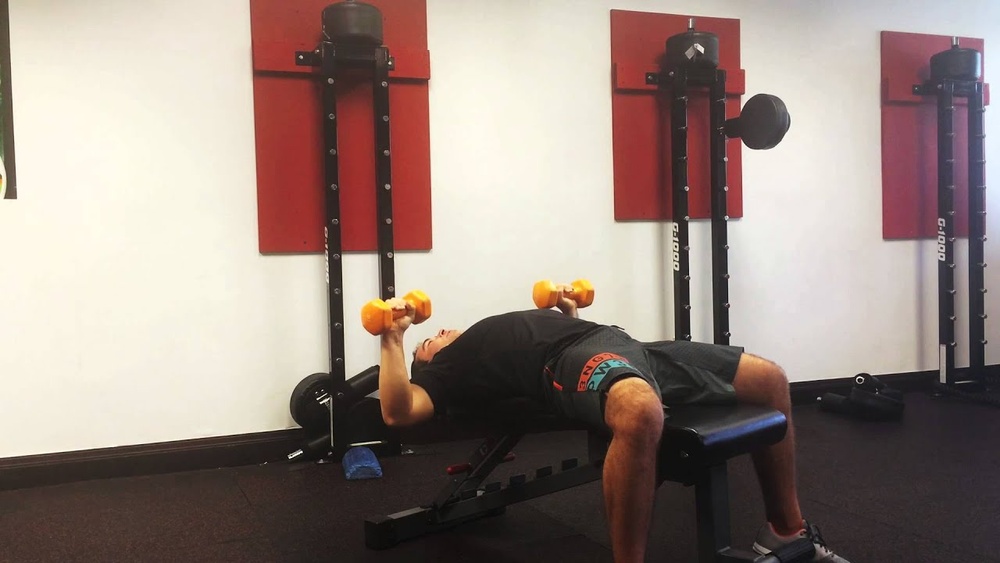
Are you getting the most out of your dumbbell press? How deep you lower the weights can make a huge difference in your strength gains and muscle growth.
But going too deep or not deep enough might actually hold you back—or worse, lead to injury. You’ll discover the right range of motion for your dumbbell press, tailored to your body and goals. Keep reading to unlock the secret to pressing smarter and building stronger, safer muscles.
Benefits Of Proper Dumbbell Press Depth
Proper depth in the dumbbell press matters a lot. It affects how well your muscles work, keeps your joints safe, and changes your movement range. Pressing too shallow or too deep can limit your progress or cause pain. Finding the right depth helps you train better and stay injury-free.
Muscle Activation And Growth
Pressing to the right depth activates more muscle fibers. You target the chest, shoulders, and triceps effectively. This leads to better muscle growth and strength. Too shallow, and you miss some muscles. Too deep can reduce tension on the muscles.
Joint Health And Safety
Proper depth protects your shoulder joints. Going too deep can strain your joints and ligaments. This increases the risk of injury over time. Keeping a safe range helps maintain joint health. It lets you train longer without pain.
Range Of Motion Impact
The right depth ensures a full but safe range of motion. It lets you move your arms freely without stress. This improves flexibility and muscle control. Limited motion can stall progress and create imbalances.
Risks Of Going Too Deep
Going too deep on a dumbbell press may cause serious problems. It can put extra stress on your body. This stress can lead to pain and injury. Knowing the risks helps you avoid these issues. Let’s look at the main dangers of lowering the dumbbells too far.
Shoulder Strain And Injury
Dropping the dumbbells too low stretches your shoulder muscles too much. This overextension can cause strains or tears in the muscles and tendons. The shoulder joint may also suffer damage. Repeated strain leads to long-term pain. Protect your shoulders by stopping at a safe depth.
Loss Of Stability
Lowering the weights too far reduces your control. Your arms and chest lose balance. This makes the dumbbells harder to manage. The risk of dropping them or losing form grows. Unstable lifts can cause accidents or muscle injuries. Keep a stable range to stay safe.
Compromised Form
Going too deep often forces your body into poor posture. Your back may arch or your elbows flare out. Bad form reduces exercise benefits and increases injury risk. It also strains joints and muscles unevenly. Focus on proper form by limiting your range of motion.
Signs You’re Going Too Deep
Knowing how deep to go on the dumbbell press is key for safety and results. Going too deep can cause problems that stop your progress. It also raises the risk of injury. Learn to spot the signs that show you have gone too far. These signs help you adjust your form and avoid harm.
Discomfort And Pain
Feeling sharp pain or discomfort is a clear warning. Your chest or shoulders might hurt if you press too deep. Mild tightness is normal, but sharp pain is not. Stop lowering the dumbbells if you feel any pain. This helps prevent serious injury.
Reduced Control
If you lose control of the dumbbells, you are going too deep. Your arms may shake or wobble at the bottom. This means your muscles are overstretched or weak in that position. Lower the weights only as far as you can keep steady. Control is key for safe lifting.
Unnatural Elbow Position
Your elbows should stay aligned with your wrists and shoulders. If they flare out or drop too low, you go too deep. This puts extra strain on your joints. Watch your elbow angle during the press. Keep it natural to avoid stress and injury.
Credit: muscularstrength.com
Finding The Ideal Depth
Finding the ideal depth for a dumbbell press is key to safe and effective workouts. Pressing too shallow may limit muscle growth. Going too deep can cause shoulder strain. The right depth balances muscle engagement and joint safety.
Understanding how far to lower the dumbbells helps maximize chest activation. It also protects your shoulders from injury. Different factors like arm length and flexibility affect the ideal depth for each person.
Chest Level Guidelines
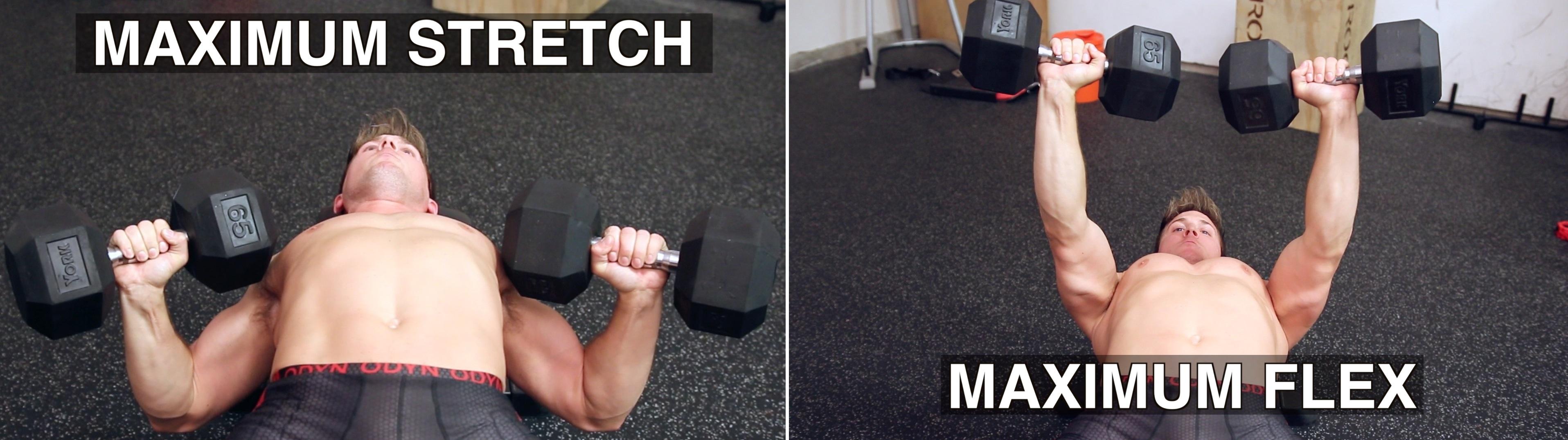
Lower the dumbbells until your upper arms are near chest level. This position targets the chest muscles well. Avoid dropping the weights too far below the chest. That can stress your shoulder joints and reduce control.
Keeping dumbbells at chest level ensures steady muscle tension. It also allows a full range of motion without overextending. Stop lowering when you feel resistance but no pain.
Elbow Angle Recommendations
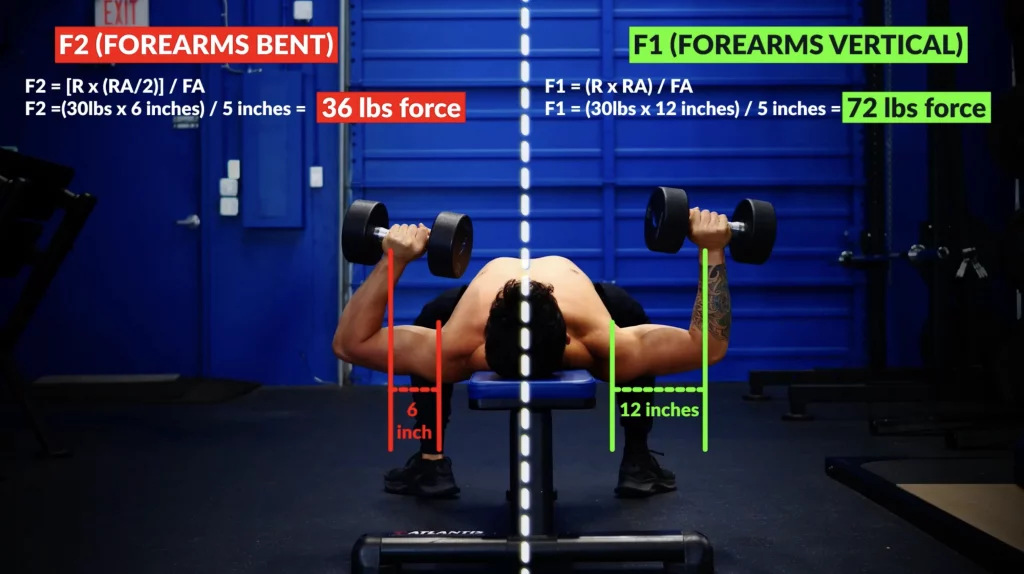
Bend your elbows about 75 to 90 degrees at the lowest point. This angle helps prevent shoulder strain. It also keeps tension on the chest muscles instead of the arms.
A wider elbow angle shifts focus to the chest. Narrow elbows engage the triceps more. Find a comfortable angle that feels natural and pain-free.
Adjusting Based On Flexibility
Not everyone has the same shoulder flexibility. Some may not lower dumbbells to chest level comfortably. Adjust the depth to avoid pain or tightness.
Use a shallower range if your shoulders feel tight. Gradually increase depth over time with gentle stretching. Always prioritize joint comfort over pushing too deep.
Listen to your body. Safe depth leads to better strength gains and fewer injuries.
Techniques To Improve Depth Control
Controlling how deep you go on the dumbbell press is key for safe, effective workouts. Good depth control helps you avoid injury and target the right muscles. Below are simple techniques that can improve your depth control and make your dumbbell press better.
Using Spotters Or Trainers
A spotter or trainer can guide you safely through the movement. They watch your form and help you stop at the right depth. This support builds your confidence to press with proper control. Spotters also assist if the weights feel too heavy.
Slow And Controlled Movement
Lower the dumbbells slowly. Moving in a controlled way helps you feel the right depth. Avoid dropping the weights quickly. This reduces the risk of injury and improves muscle engagement. Take your time on each rep to build better control.
Incorporating Mobility Exercises
Good shoulder and chest mobility allow deeper presses without pain. Stretch and strengthen these areas regularly. Exercises like shoulder circles and chest openers increase your range of motion. Improved mobility makes controlling depth easier and safer.

Credit: www.strengthzonetraining.com
Variations For Different Goals
Choosing the right dumbbell press variation depends on your fitness goals. Different techniques target strength, muscle size, or endurance. Adjusting the depth and angle can change which muscles you work most.
Strength Vs Hypertrophy Focus
For strength, press through a full range but avoid locking elbows. Keep control and use heavier weights. For muscle growth, go deeper to stretch muscles fully. Use moderate weights and slower reps to cause muscle tension.
Partial Range Presses
Partial presses limit how far you lower the dumbbells. This reduces joint stress and targets specific muscle parts. Use this to train weak spots or increase lockout strength. It also helps if you have shoulder pain.
Incline And Decline Adjustments
Change the bench angle to hit muscles differently. Incline presses work the upper chest and shoulders more. Decline presses focus on the lower chest. Adjust depth with each angle for best results.
Credit: builtwithscience.com
Frequently Asked Questions
How Deep Should Dumbbells Go On A Press?
Dumbbells should lower until your elbows are just below shoulder level. This ensures a full range of motion without straining your joints.
Is Going Too Deep Harmful On Dumbbell Press?
Yes, going too deep can stress shoulder joints. It may increase injury risk, so avoid lowering dumbbells below a safe point.
Does Depth Affect Muscle Activation In Dumbbell Press?
Yes, proper depth maximizes chest and tricep engagement. Too shallow reduces effectiveness, while too deep risks joint strain.
How To Know If Dumbbell Press Depth Is Correct?
Stop lowering when your elbows reach just below shoulder level. If you feel discomfort, reduce the depth for safety.
Conclusion
Finding the right depth on a dumbbell press matters a lot. Pressing too low can cause strain and injury. Pressing too shallow might limit muscle work. Aim for a comfortable range that feels good. Keep your shoulders safe and muscles active.
Listen to your body during each rep. Adjust the depth as you grow stronger. Consistency beats pushing too hard too fast. Small changes lead to steady progress. Keep practicing and enjoy your workouts more.


