Are you wondering if dumbbell side bends really work to shape your waist and strengthen your core? You’re not alone.
Many people try this simple exercise hoping for quick results but end up confused about its true benefits. What if you could learn exactly how dumbbell side bends affect your muscles and whether they fit into your fitness routine? Keep reading, because understanding this could change the way you train—and help you get closer to the strong, toned body you want.
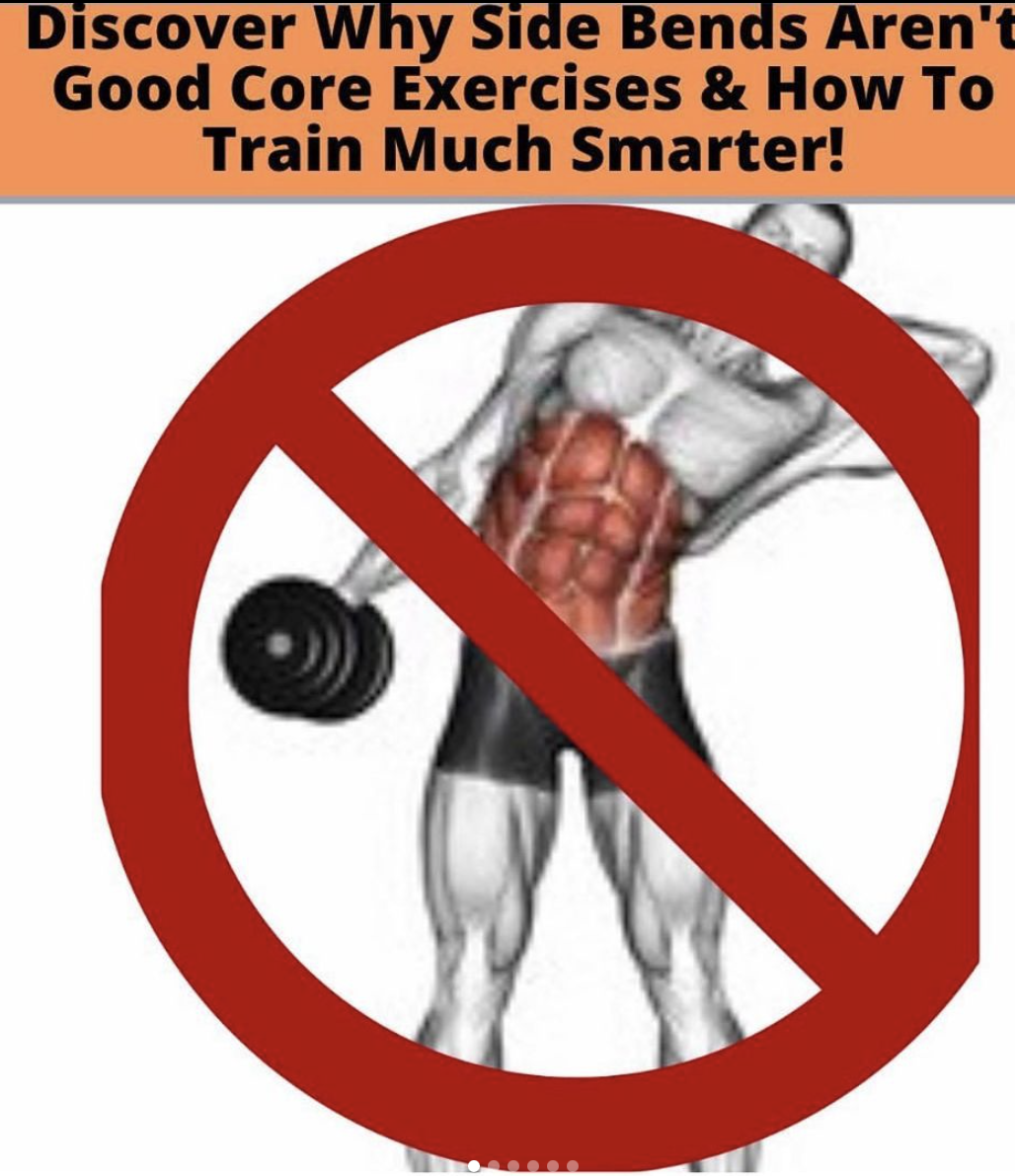
Credit: ultimatesandbagtraining.com
How Dumbbell Side Bends Target Obliques
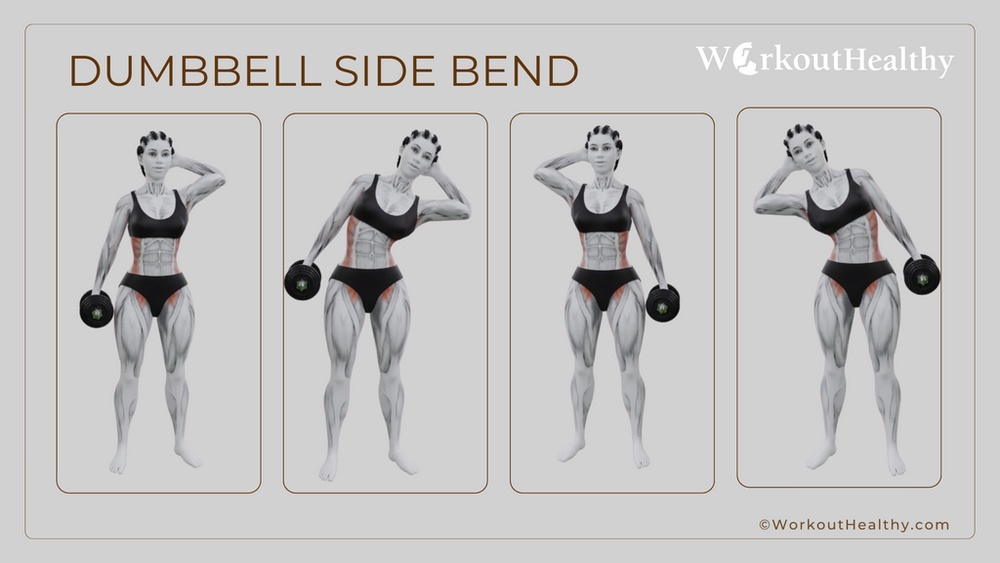
Dumbbell side bends focus on the muscles along your sides. These muscles are called obliques. They help twist and bend your torso. This exercise works by making these muscles contract and stretch. Holding a dumbbell adds resistance. This resistance makes your obliques work harder. It helps build strength and shape the waistline.
Side bends also improve core stability. A strong core supports your whole body. It helps with balance and posture. This simple move targets the obliques directly. It also involves other core muscles for support. That makes dumbbell side bends effective for side body strength.
Muscle Activation During Side Bends
When you do a dumbbell side bend, the obliques contract on one side. The muscles on the opposite side stretch. This movement creates tension in the obliques. The dumbbell increases the load, forcing the muscles to work more. Your spinal erectors and lower back muscles also activate. They help control the movement and keep you stable. This exercise mainly targets the external obliques. The internal obliques assist by stabilizing your core.
Benefits Over Other Oblique Exercises
Dumbbell side bends are simple and easy to do anywhere. They need only one dumbbell. This makes them accessible for beginners and advanced users. Unlike twisting moves, side bends focus on bending the torso sideways. This isolates the obliques without rotating the spine. It lowers the risk of injury. The added weight can be adjusted. This helps increase strength gradually. Side bends also improve flexibility on the sides. They balance muscle strength in the torso better than some exercises.
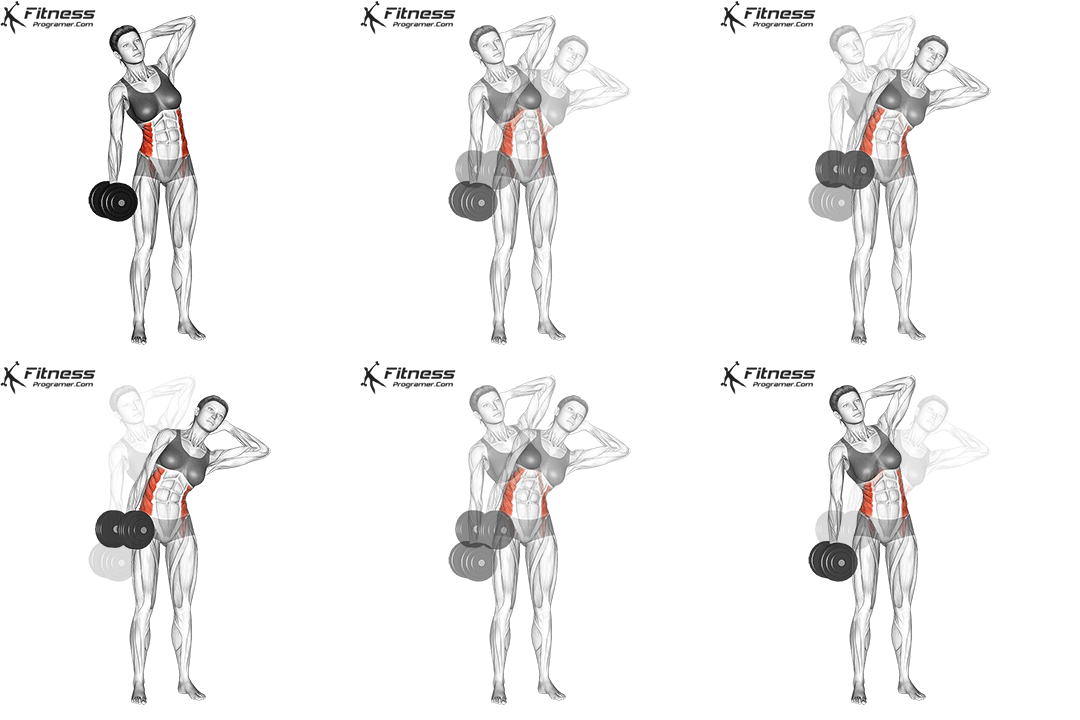
Credit: www.liftingitalia.com
Proper Form For Maximum Results
Proper form is key for dumbbell side bends to work well. It helps target the right muscles and avoid injury. Using correct posture and movement makes each rep count. Focus and control improve your workout results.
Starting Position And Grip
Stand straight with feet shoulder-width apart. Hold a dumbbell in one hand with a firm grip. Keep your other hand on your hip or by your side. Engage your core muscles to support your spine. Keep your shoulders relaxed and chest up.
Common Mistakes To Avoid
Do not lean forward or backward during the bend. Avoid using momentum to swing your body. Do not lift the dumbbell too fast or too heavy. Keep your neck and head in a neutral position. Avoid twisting your torso; the movement is side-to-side only.
Ideal Dumbbell Weight And Reps
Choosing the right dumbbell weight and the number of repetitions is key to effective side bends. The right weight helps build strength without causing injury. Proper reps ensure your muscles get enough work to grow and tone.
Finding the right balance improves your results and keeps you motivated. Let’s explore how to pick the best weight and reps for dumbbell side bends.
Choosing The Right Weight
Start with a light dumbbell to learn the correct form. A weight between 5 to 15 pounds usually works well for most beginners. Choose a weight that challenges your muscles but does not strain your back.
Pick a dumbbell you can lift with control for 10 to 15 reps. If you struggle to keep good form, the weight is too heavy. Gradually increase the weight as your side muscles get stronger.
Recommended Sets And Repetitions
A good starting point is 2 to 3 sets of 10 to 15 reps per side. This amount helps build endurance and tone the obliques. Rest for 30 to 60 seconds between sets to recover.
Focus on slow, controlled movements to maximize muscle engagement. As strength grows, increase sets up to 4 and reps up to 20 per side. Avoid rushing through reps to prevent injury and get better results.
Integrating Side Bends Into Your Routine
Integrating dumbbell side bends into your workout helps target your oblique muscles. These muscles support your spine and improve side-to-side movement. Including side bends can enhance core strength and stability. Proper integration ensures balanced muscle development and reduces injury risk.
Side bends work best when combined with other core exercises. This approach creates a well-rounded routine that targets all core areas. Balance is key to building a strong and functional core.
Combining With Other Core Exercises
Pair side bends with exercises like planks, crunches, and Russian twists. These moves target different parts of the core. Side bends focus on obliques, while planks engage the whole core. Crunches work the upper abs, and Russian twists hit the obliques and transverse abdominis.
Mix these exercises in a circuit or alternate days. This variety helps prevent muscle imbalances. It also keeps your workouts interesting and effective.
Frequency And Rest Periods
Perform side bends two to three times per week. This frequency allows muscles to recover and grow stronger. Avoid doing them every day to prevent overuse injuries.
Rest at least 48 hours between sessions targeting the same muscles. During workouts, take short breaks of 30 to 60 seconds between sets. This helps maintain good form and energy.
Listen to your body and adjust rest periods as needed. Proper rest supports muscle repair and workout progress.
Additional Tips For Toned Obliques
Building toned obliques takes more than just exercise. Dumbbell side bends help, but extra care is needed. Paying attention to nutrition and staying consistent boosts results. Tracking progress keeps motivation high and shows what works best.
Nutrition And Hydration
Strong obliques need good fuel. Eat plenty of vegetables, fruits, and lean proteins. These foods support muscle growth and repair. Avoid too much sugar and processed foods. Drink enough water every day. Hydration helps muscles work well and recover faster.
Consistency And Progress Tracking
Practice dumbbell side bends regularly. Consistency builds strength and shapes muscles over time. Keep a workout journal or use an app to log exercises. Note weights, reps, and how you feel. Tracking progress helps adjust workouts for better results.

Credit: workouthealthy.com
Alternatives To Dumbbell Side Bends
Alternatives to dumbbell side bends offer different ways to target your oblique muscles. These exercises help strengthen your sides without relying solely on dumbbells. You can vary your routine and keep your workouts fresh. Here are some effective options that work well for your obliques.
Bodyweight Oblique Exercises
Bodyweight exercises are simple and require no equipment. Side planks are a great way to work your obliques. Hold your body in a straight line on one arm and lift your hips. You feel the burn on your side muscles. Another option is the bicycle crunch. Lie on your back and twist your torso as you bring opposite elbows to knees. These moves build strength and improve balance.
Cable And Machine Variations
Cable machines offer controlled resistance for oblique training. Try cable woodchoppers by pulling the handle across your body. This motion mimics a chopping action and targets the sides. Another option is the standing cable side bend. Pull the cable down to the side while keeping your core tight. Machines like the torso rotation machine also focus on your obliques. They allow smooth movement with adjustable resistance.
Frequently Asked Questions
Does Dumbbell Side Bends Target Oblique Muscles?
Yes, dumbbell side bends primarily engage your oblique muscles. They help strengthen and tone the sides of your abdomen effectively.
How Effective Are Dumbbell Side Bends For Fat Loss?
Dumbbell side bends strengthen muscles but do not directly burn fat. Combine with cardio and diet for best fat loss results.
Can Dumbbell Side Bends Improve Core Stability?
Yes, dumbbell side bends enhance core stability by targeting the obliques and supporting muscles around your spine and abdomen.
How Often Should I Do Dumbbell Side Bends?
Perform dumbbell side bends 2-3 times per week. Allow rest days for muscle recovery and improved strength gains.
Conclusion
Dumbbell side bends help strengthen your oblique muscles well. They improve your core stability and support better posture. Consistent practice can reduce back pain and boost balance. Use light weights to avoid strain and keep proper form. Combine these bends with other core exercises for best results.
Small, steady efforts lead to noticeable improvement over time. Give your body time to adapt and grow stronger. Simple, regular workouts make a real difference. Try dumbbell side bends and feel the change yourself.

