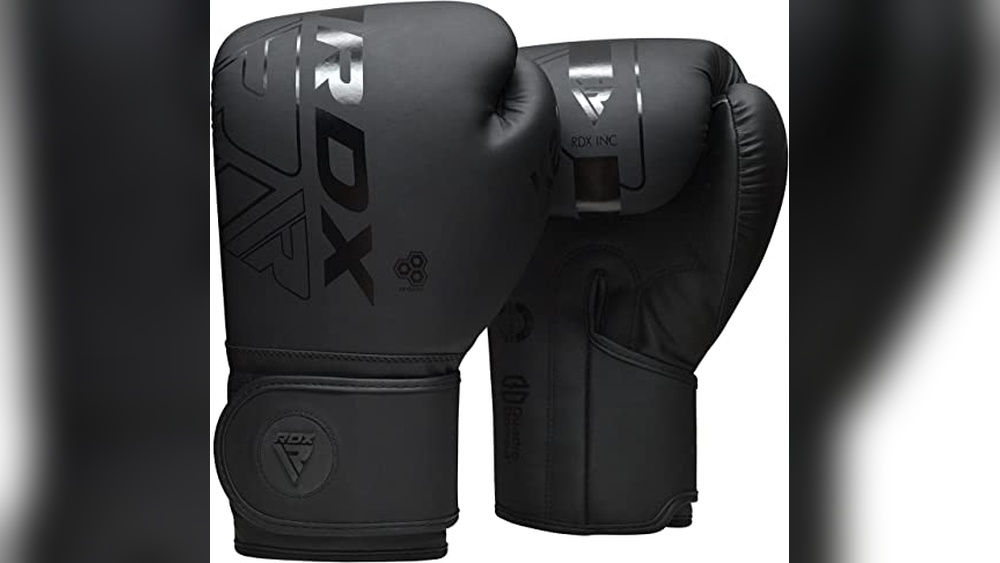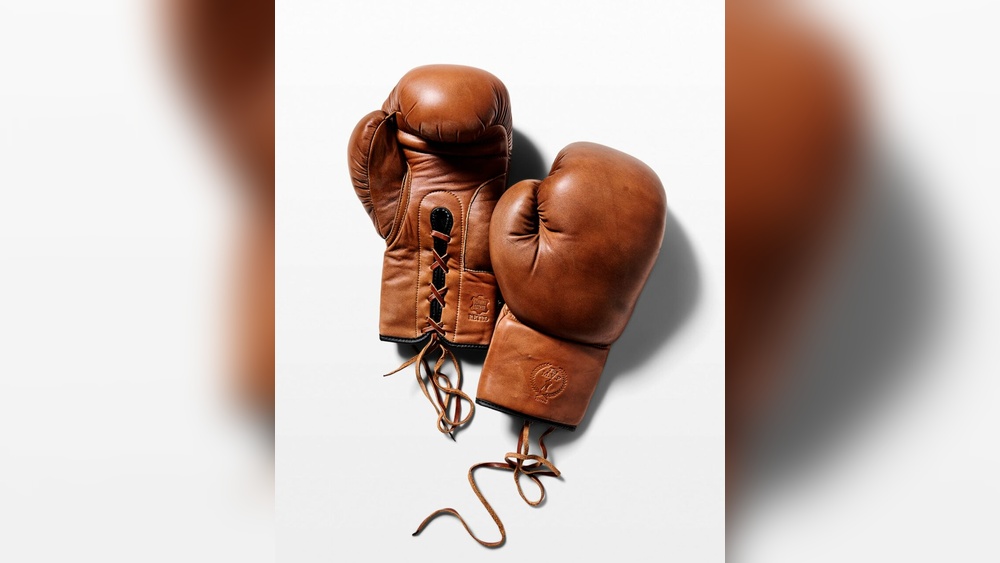
Are you curious about what makes leather boxing gloves stand out? Whether you’re just starting out or looking to upgrade your gear, understanding how leather boxing gloves are made and why they matter can change the way you train and fight.
These gloves aren’t just about style—they offer durability, comfort, and protection that can boost your performance. Keep reading to discover the secrets behind leather boxing gloves and find out how they can help you take your boxing skills to the next level.

Credit: www.modestvintageplayer.com
Materials Behind Leather Gloves
Leather boxing gloves owe their strength and comfort to the materials inside. Choosing the right leather and other components shapes how gloves feel and perform. Quality materials help protect hands and last through many fights.
Types Of Leather Used
Most leather gloves use cowhide or buffalo hide. Cowhide is soft and flexible, making it popular for training gloves. Buffalo leather is tougher and lasts longer, good for heavy use. Some gloves use synthetic leather, but real leather offers better durability and breathability.
Quality Factors In Leather Selection
Good leather must be thick but soft. It should resist tearing and stretching. High-quality leather has a smooth surface and even color. It feels comfortable on the skin and allows air to flow. Poor leather can crack or harden quickly, causing discomfort.
Additional Materials For Structure
Leather alone does not make gloves strong. Inside, foam padding protects knuckles and absorbs shock. Nylon lining adds comfort and sweat control. Stitching must be tight and even to hold all parts together. These materials work with leather to create durable gloves.
Cutting And Shaping Process
The cutting and shaping process is a key step in making leather boxing gloves. This stage decides the glove’s fit, comfort, and durability. Skilled workers use careful methods to turn flat leather pieces into glove parts. Each piece must be cut and shaped with care to match the glove design.
The process starts with patterns that guide the cutting. These patterns ensure all parts fit perfectly. Next, precise cutting tools slice through the leather. This keeps the material strong and smooth. The shaping follows cutting, giving the glove its form and flexibility.
Pattern Design For Gloves
Pattern design sets the blueprint for leather gloves. Designers create flat patterns for each glove part. These patterns show exact sizes and shapes. They match the glove’s style and function. Patterns also help reduce leather waste. This step ensures all pieces will join well during assembly.
Patterns must consider hand shape and movement. This helps gloves fit snugly but allow free motion. Designers often test and tweak patterns before cutting leather. This careful planning saves time and material later.
Precision Cutting Techniques
Cutting leather needs sharp tools and steady hands. Workers use knives or special cutting machines. They follow patterns carefully to avoid mistakes. Precise cuts keep edges clean and smooth. This prevents weak spots in the glove.
Cutting also controls leather thickness and texture. Skilled cutters choose the best leather sections for each part. Accurate cutting ensures all pieces fit tightly together. This makes the final glove strong and comfortable.
Stitching For Strength
Stitching plays a key role in making leather boxing gloves strong. It holds the leather pieces together. Good stitching stops the gloves from falling apart. It also helps the gloves last longer. Strong stitching gives better support during tough training or fights.
Different ways of stitching affect the glove’s strength. Some gloves use hand stitching. Others use machines. The type of stitching changes the glove’s quality and price.
Hand Stitching Vs Machine Stitching
Hand stitching uses needles and thread by hand. It takes time but creates tight seams. Hand-stitched gloves often last longer. They can handle more stress and impact.
Machine stitching is faster and cheaper. Machines create even and consistent stitches. Machine-stitched gloves are good for beginners. They may not be as strong as hand-stitched ones.
Reinforcement Methods
Reinforcement adds extra strength to the gloves. Double stitching is one method. It uses two rows of stitches. This stops the seams from opening.
Another method is using strong thread like nylon. It resists wear and tear better than regular thread. Some gloves have padded areas stitched twice.
Reinforced stitching helps keep the glove shape. It protects the leather from tearing. This is important for intense boxing sessions.
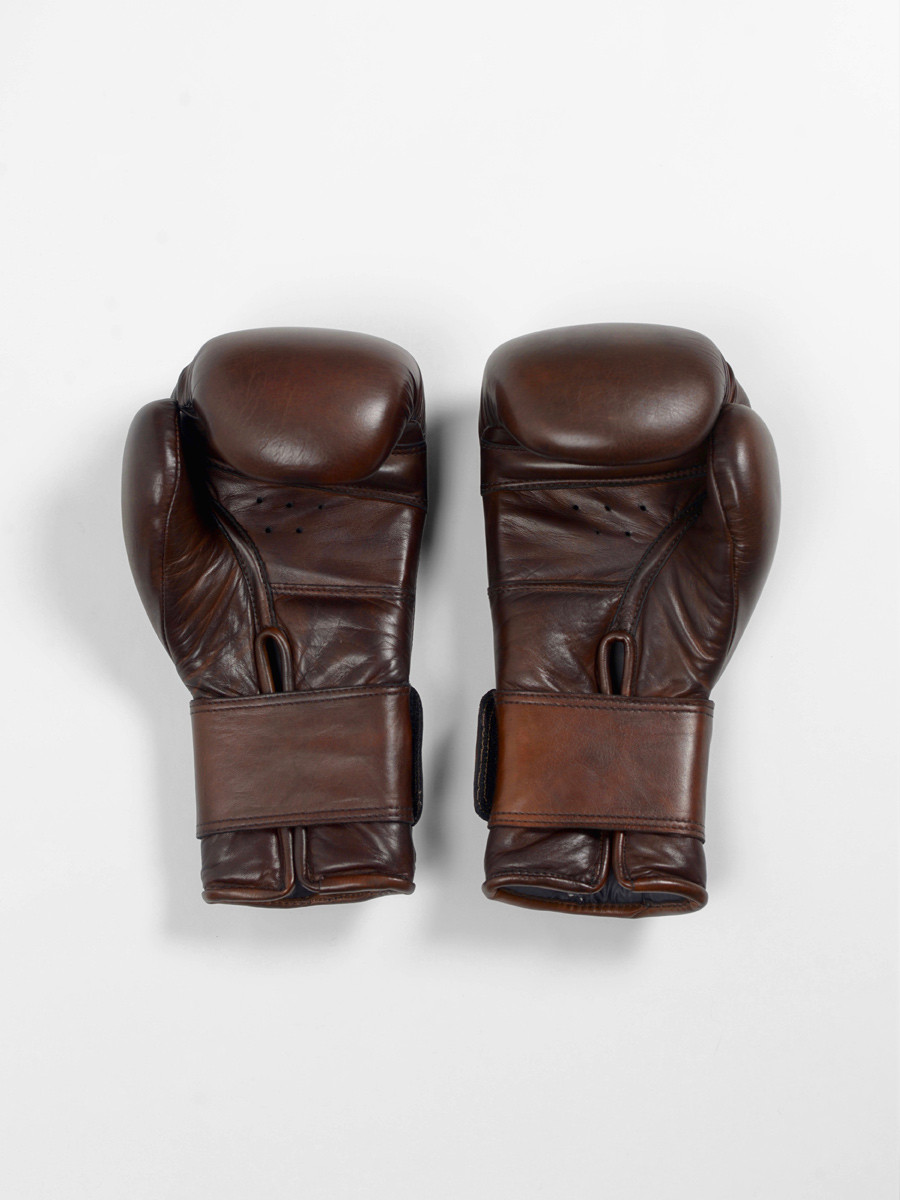
Credit: www.john-woodbridge.com
Padding And Lining
Padding and lining are key parts of leather boxing gloves. They protect your hands and keep you comfortable during training or fights. Good padding absorbs impact and reduces injury risk. Lining affects how the gloves feel on your skin and how long they last.
Foam Types And Their Roles
Leather boxing gloves use different foam types for padding. Single-layer foam is soft but less protective. Multi-layer foam combines soft and dense layers. This mix absorbs punches better and protects your knuckles. Some gloves use gel foam to add extra shock absorption. The right foam keeps your hands safe and helps you punch harder.
Inner Lining Materials
The inner lining touches your skin inside the gloves. Common materials include nylon and mesh. Nylon lining feels smooth and helps gloves slide on easily. Mesh lining allows air to flow, keeping your hands dry. Some gloves use antibacterial lining to stop bad smells. A good lining makes training more comfortable and gloves last longer.
Assembly And Finishing
The assembly and finishing of leather boxing gloves is a careful process. It ensures the gloves are strong, comfortable, and ready to protect hands. Each step adds to the quality and durability of the final product.
Attaching Components
First, the different parts of the glove come together. The leather pieces are sewn tightly with strong thread. Padding is placed inside to absorb shock. The thumb section is attached securely for safety. Every part fits perfectly to avoid gaps or weak spots.
Quality Control Checks
After assembly, gloves go through strict quality checks. Inspectors look for loose stitches or uneven padding. They test the gloves by bending and squeezing them. Any defects mean the gloves go back for fixing. This step keeps the gloves reliable and safe.
Final Treatments For Durability
In the last stage, gloves receive special treatments. Leather gets conditioned to stay soft and resist cracks. Surfaces may be coated to prevent water damage. This care helps gloves last longer, even after heavy use. The finishing touches protect the gloves and keep them looking good.
Testing For Longevity
Testing for longevity shows how well leather boxing gloves last over time. It helps find gloves that keep their shape, comfort, and protection through hard use. This testing uses real-life actions to check the gloves’ strength and durability. The goal is to ensure gloves hold up under tough training and fights.
Wear And Tear Simulations
Wear and tear simulations mimic real boxing conditions. Machines hit the gloves repeatedly to test the leather and stitching. This process reveals if the leather cracks or the seams come apart. It checks the padding to see if it stays soft and protective. Gloves that pass these tests show strong build quality.
Performance Under Stress
Performance under stress measures how gloves behave in hard use. Tests include heavy punches and quick movements. These tests check if gloves keep fitting well without slipping. They also look at how gloves absorb shock during hits. Strong gloves keep hands safe and feel comfortable even under pressure.

Credit: www.luxuryformen.com
Frequently Asked Questions
What Makes Leather Boxing Gloves Durable?
Leather boxing gloves are durable due to their natural toughness. The material resists wear and tear better than synthetic alternatives. High-quality leather gloves last longer and maintain shape. They provide superior protection and comfort during intense training and matches.
How Do Leather Boxing Gloves Affect Performance?
Leather gloves offer better flexibility and fit, enhancing hand movement. They provide excellent breathability, reducing sweat buildup. This leads to improved comfort and longer training sessions. The gloves also absorb impact effectively, protecting hands and wrists.
Are Leather Boxing Gloves Worth The Investment?
Yes, leather gloves are a worthwhile investment for serious boxers. They offer durability, comfort, and better protection. Although pricier, their longevity and performance benefits outweigh the initial cost. Quality leather gloves support better training outcomes and reduce injury risks.
How To Maintain Leather Boxing Gloves?
To maintain leather gloves, clean them regularly with a damp cloth. Avoid soaking or machine washing. Air dry them completely after use to prevent odor and mold. Apply leather conditioner occasionally to keep the material soft and supple.
Conclusion
Leather boxing gloves offer durability and comfort for training and fights. They protect your hands well and last longer than synthetic gloves. Proper care keeps leather gloves soft and strong over time. Choosing the right size and fit helps improve performance and safety.
Investing in quality leather gloves supports better boxing practice. Small details, like padding and stitching, make a big difference. Overall, leather gloves remain a top choice for serious boxers worldwide.