Are you wondering how much weight you should use for your dumbbell press? Choosing the right amount can make all the difference in building strength without risking injury.
Whether you’re just starting out or looking to push your limits, knowing the right weight helps you get the best results. You’ll discover simple tips to find your perfect dumbbell press weight—so you can boost your gains safely and confidently.
Keep reading to unlock the key to smarter workouts and faster progress.
Credit: www.acquetech.com
Benefits Of Dumbbell Press
The dumbbell press is a popular exercise with many benefits. It helps build strength and muscle in a natural way. You can do it at home or in the gym. The movement also helps improve your body control. Many people add it to their workout routines for good reasons.
Muscle Groups Targeted
The dumbbell press mainly works the chest muscles. It also activates the shoulders and triceps. Using dumbbells forces each arm to work separately. This leads to balanced muscle growth. The exercise helps improve upper body strength overall.
Improved Stability And Balance
Dumbbells require more control than machines or barbells. You must stabilize the weights during each press. This action strengthens smaller muscles around your joints. It also improves your balance and coordination. Better stability lowers the risk of injuries in daily life.
Versatility In Workouts
You can do the dumbbell press in many ways. Change the bench angle to target different parts of your chest. Use light weights for endurance or heavy weights for strength. It fits well into full-body or upper-body workout plans. This makes it a flexible exercise for all fitness levels.
Factors Affecting Dumbbell Weight
Choosing the right dumbbell weight is not the same for everyone. Many things change the perfect weight for you. Your body, your goals, and your past all play a part. Understanding these factors helps you pick the best dumbbell weight. This makes your workout safe and effective.
Fitness Level
Your fitness level is a key factor. Beginners need lighter weights to avoid injury. Starting light helps your muscles get used to the exercise. Advanced lifters can lift heavier dumbbells. Their muscles are stronger and more prepared.
Workout Goals
Your goals shape your dumbbell choice. For muscle strength, use heavier weights with fewer reps. For muscle endurance, choose lighter weights with more reps. For toning, medium weights work well. Each goal needs a different weight approach.
Experience With Weights
Experience with weights changes your selection. New lifters should start with light dumbbells. This builds confidence and good form. Experienced lifters know how much weight challenges them. They can push themselves safely with heavier dumbbells.
Physical Limitations
Physical limitations affect your dumbbell choice. Joint pain or injuries require lighter weights. Avoid weights that cause discomfort or strain. Use weights that support safe movement. Always listen to your body’s signals.
How To Choose Your Starting Weight
Choosing the right starting weight for dumbbell presses is key to building strength safely. It helps prevent injury and boosts your confidence. The right weight challenges your muscles but does not overwhelm them. Below are tips to find the best weight for you.
Testing Your Strength Safely
Start with light dumbbells to feel your way. Perform 8 to 12 slow presses with good form. Stop if you feel pain or strain. Increase weight gradually by small steps. Avoid jumping to heavy weights quickly. Rest between sets to avoid fatigue. Testing this way helps find your true starting point.
Signs Of Appropriate Weight
The right weight lets you complete 8 to 12 reps. The last 2 reps should feel tough but doable. You should keep proper form throughout the set. No shaking or dropping the weights. You should not feel sharp pain or discomfort. Muscle fatigue is normal, but not pain. This balance means the weight is right for you.
Common Mistakes To Avoid
Do not start too heavy to impress others. Avoid using momentum instead of muscle power. Don’t hold your breath while pressing. Skipping warm-up can cause injury. Don’t push past sharp pain or joint discomfort. Avoid rushing through reps; focus on control. These mistakes slow progress and increase injury risk.
Progressing Your Dumbbell Weight
Progressing your dumbbell weight is key to building strength and muscle. It helps your body adapt and grow stronger over time. Using the same weight for too long can slow your progress. Gradually increasing the weight challenges your muscles and improves your results.
When To Increase Weight
Increase your dumbbell weight when the current weight feels easy. If you finish your sets without much effort, it is time to add more weight. Aim to increase weight by small steps. This keeps your muscles challenged without risking injury.
Balancing Reps And Weight
Find the right balance between reps and weight. Use a weight that lets you complete 8 to 12 reps with good form. If you can do more than 12 reps easily, increase the weight. If you cannot do at least 8 reps, lower the weight.
Tracking Your Progress
Keep a record of your dumbbell weight and reps. Writing down your workouts helps you see improvements. Track the weight, reps, and sets each session. This makes it easier to know when to increase your weight.
Dumbbell Press Variations
Dumbbell press exercises target the chest, shoulders, and triceps. Various dumbbell press types help work different muscles. Changing the angle or method shifts the focus and intensity. These variations add balance and strength to your routine.
Incline Dumbbell Press
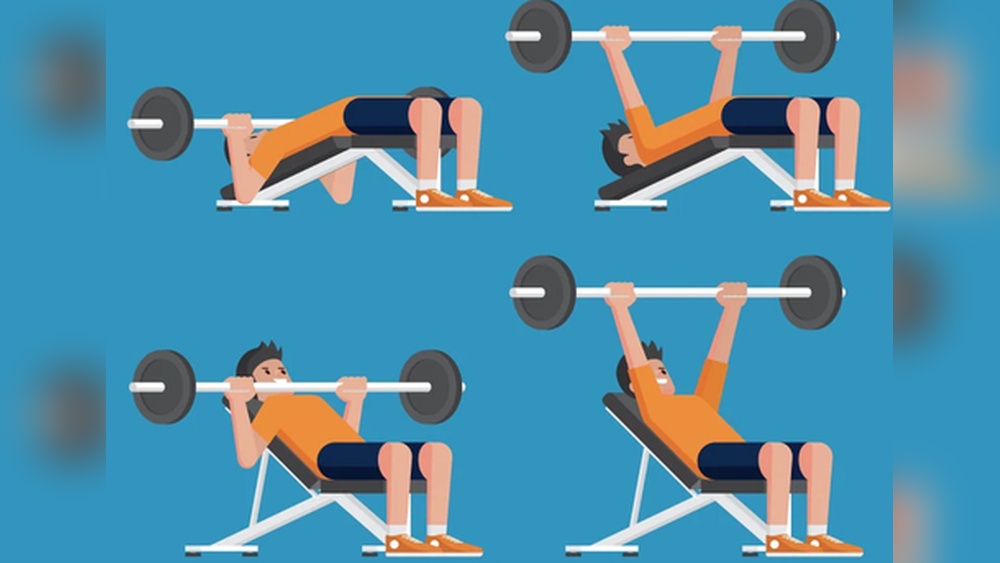
This variation targets the upper chest and front shoulders. Set the bench at about 30 to 45 degrees. Press the dumbbells up while keeping control. It helps build strength and shape in the upper chest.
Decline Dumbbell Press
This exercise focuses on the lower chest muscles. Set the bench at a slight downward angle. Press the dumbbells up and together with steady motion. It helps improve chest definition and power.
Single-arm Dumbbell Press
Use one arm at a time for better muscle balance. This variation challenges your core and stabilizer muscles. Press the dumbbell slowly and with control. It is great for fixing strength differences between arms.

Credit: strengthlevel.com
Safety Tips For Dumbbell Press
Safety is key when doing the dumbbell press. Using the right weight and method keeps you strong and healthy. Avoiding injury helps you train longer and better. Follow these tips to stay safe and get the most from your workout.
Proper Form And Technique
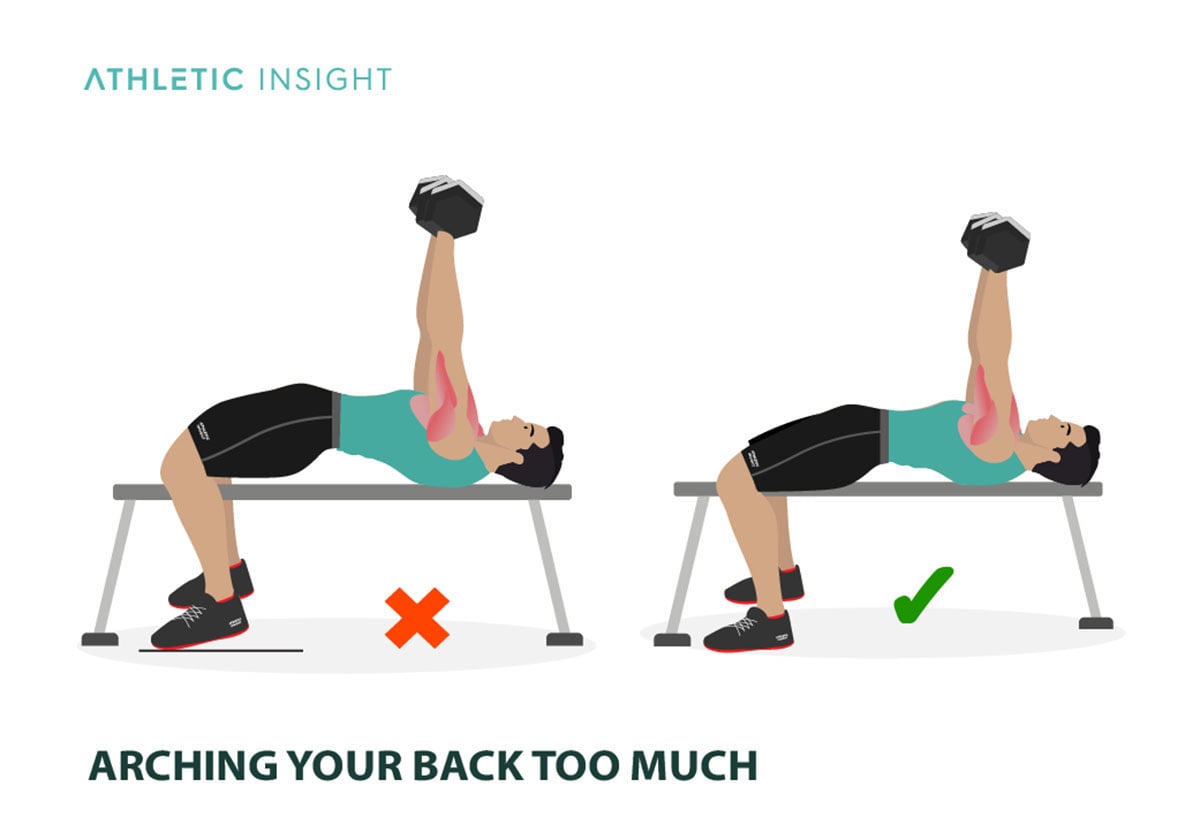
Hold the dumbbells firmly and keep your wrists straight. Lie flat on the bench with your feet on the floor. Lower the weights slowly to chest level. Push the dumbbells up without locking your elbows. Keep your back pressed to the bench. This stops strain and improves muscle work.
Avoiding Common Injuries
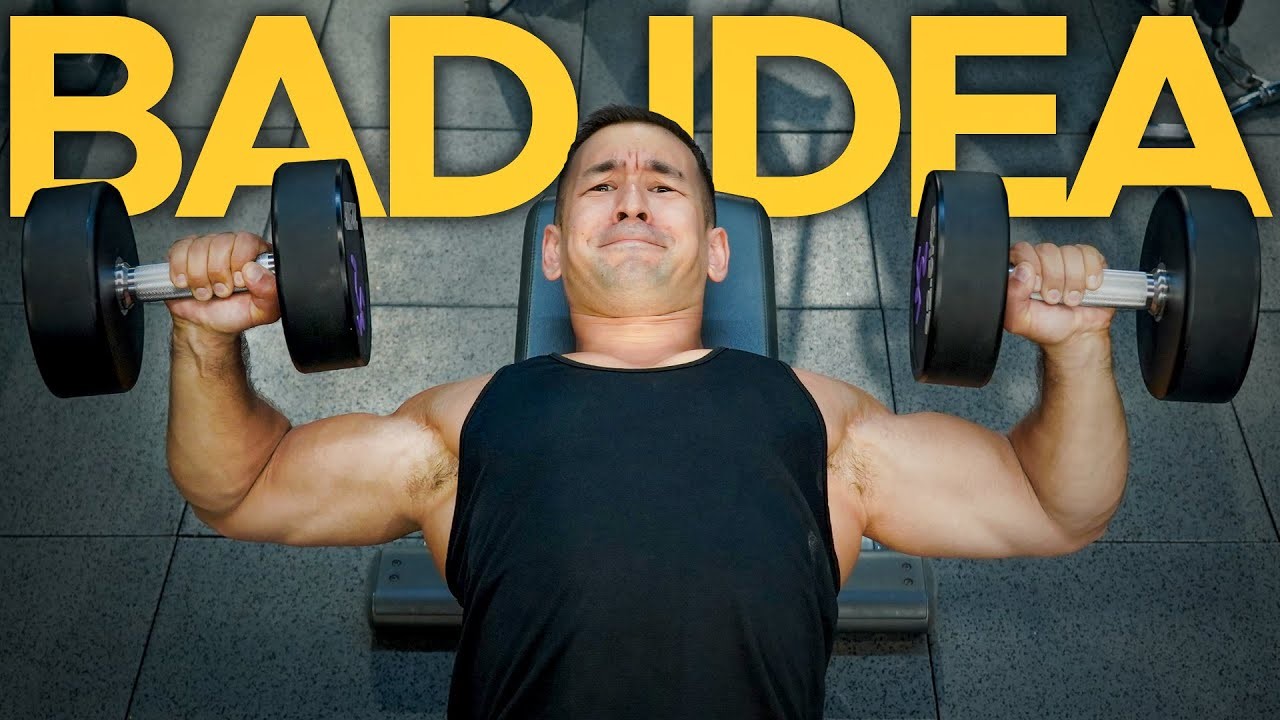
Do not lift weights too heavy for your strength. Start with lighter dumbbells and increase weight slowly. Avoid jerky or fast movements during the press. Keep control of the dumbbells at all times. Stop if you feel sharp pain or discomfort. Rest if your muscles feel overly sore or tired.
Warm-up And Cool-down
Begin with light cardio or arm circles for 5 minutes. Use light dumbbells for warm-up sets before heavy lifts. Stretch your chest, shoulders, and arms gently after training. Cooling down helps reduce muscle tightness and soreness. This routine prepares your body and aids recovery.
Credit: www.seannal.com
Frequently Asked Questions
How Much Weight Should I Start Dumbbell Pressing?
Start with a weight that allows 8-12 reps with good form. This usually means a manageable, moderate weight. Gradually increase as you gain strength and confidence.
How To Determine The Right Dumbbell Press Weight?
Choose a weight you can lift comfortably for 8-12 reps without losing form. Adjust weight if you can’t complete reps or feel strain.
How Often Should I Increase Dumbbell Press Weight?
Increase weight every 1-2 weeks or when 12 reps feel easy. Progressive overload boosts strength and muscle growth safely over time.
Can I Dumbbell Press Too Much Weight?
Yes, lifting too heavy risks injury and poor form. Focus on controlled movements and gradual weight increases to avoid strain.
Conclusion
Choosing the right dumbbell weight depends on your strength and goals. Start with a weight you can lift with good form. Increase the weight slowly as you get stronger. Avoid lifting too heavy to prevent injury. Focus on steady progress, not speed.
Remember, consistency matters more than heavy weights. Keep track of your workouts to see improvement. Enjoy your training and stay patient with results. This approach helps build strength safely and effectively.