Are you wondering if dumbbell shrugs really work your shoulders the way you want? You’re not alone.
Many people hit the gym, lift those dumbbells, and expect their shoulders to grow bigger and stronger. But does this simple exercise deliver the results you’re after? If you want to know how dumbbell shrugs affect your shoulder muscles and whether they should be a key part of your workout, keep reading.
By the end, you’ll understand how to make the most of this move and take your shoulder training to the next level.

Credit: www.strengthlog.com
Dumbbell Shrugs And Shoulder Muscles
Dumbbell shrugs are a simple yet effective exercise. They focus on strengthening the muscles around the shoulders. Many wonder if these shrugs really work the shoulder muscles well. The answer lies in understanding which muscles are targeted and how they contribute to shoulder strength.
This section explains how dumbbell shrugs engage the shoulder muscles. It also highlights the role of the trapezius muscle in this movement.
Targeted Muscles During Shrugs
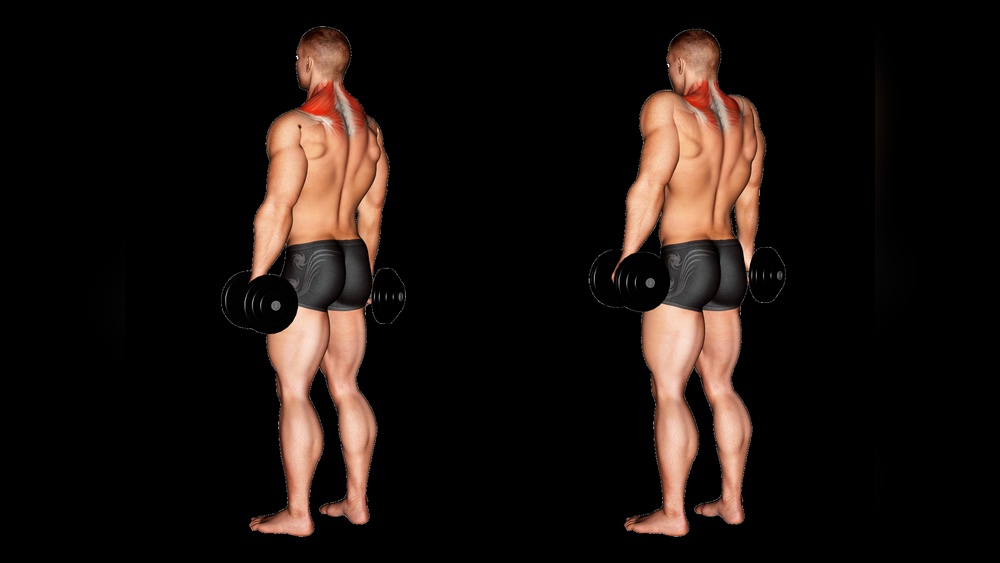
Dumbbell shrugs mainly target the upper trapezius muscles. These muscles sit at the top of your shoulders and neck. They help lift your shoulders upward. The movement also slightly works the levator scapulae, which assists in shoulder movement. Other muscles like the rhomboids and deltoids get some minor help but are not the primary focus.
Role Of Trapezius In Shoulder Strength
The trapezius muscle plays a big role in shoulder strength. It controls shoulder blade movement and stability. Strong traps improve posture and reduce the risk of injuries. They help with lifting and carrying heavy objects. Dumbbell shrugs build the traps, making shoulders stronger and more stable.
Benefits Of Dumbbell Shrugs
Dumbbell shrugs are a simple but effective exercise. They target your upper trapezius muscles. These muscles help move your shoulders and neck. Regular shrugs build stronger traps and better posture.
Many people add shrugs to their workouts. They want bigger, stronger shoulders. Shrugs also help reduce neck and shoulder pain. They improve muscle endurance and support.
Improving Trap Size And Strength
Dumbbell shrugs focus directly on the trapezius muscles. These muscles run from your neck to your shoulders. Shrugs make these muscles thicker and stronger. This growth gives your shoulders a more powerful look. Strong traps can lift heavier weights safely. They also help with other exercises like deadlifts and rows.
Enhancing Shoulder Stability
Strong traps help keep your shoulders stable. Stability means less risk of injury during workouts. Shrugs improve muscle control around the shoulder joint. This control helps during lifting and daily movements. Better stability also reduces shoulder pain. It supports the muscles around your neck and upper back.
Proper Form For Maximum Gains
Proper form is key to getting the best results from dumbbell shrugs. It helps target your shoulder muscles effectively and reduces injury risk. Using the right technique ensures you build strong, well-defined traps and shoulders.
Focus on control and steady movements. Slow, deliberate shrugs engage muscles more than fast, jerky lifts. Keep your body stable and avoid swinging the weights.
Correct Posture And Grip
Stand tall with your feet shoulder-width apart. Keep your back straight and chest lifted. Hold a dumbbell in each hand with a firm grip.
Your arms should hang naturally at your sides. Palms face your body, not forward or backward. This grip helps isolate shoulder muscles during the shrug.
Lift your shoulders straight up toward your ears. Do not roll or twist your shoulders. Pause briefly at the top to feel the muscle squeeze. Lower the dumbbells slowly to the start.
Common Mistakes To Avoid
Do not use momentum to lift the dumbbells. Jerking or swinging reduces muscle work and may cause injury. Avoid leaning forward or backward during shrugs.
Do not shrug with bent elbows. Keep arms straight to focus on traps. Avoid shrugging too high or forcing your shoulders beyond comfort.
Do not hold your breath. Breathe out as you lift and breathe in as you lower the weights. Proper breathing supports muscle function and control.
Integrating Shrugs Into Workouts
Integrating dumbbell shrugs into your workout helps build strong shoulders. Shrugs target the trapezius muscles, improving upper shoulder strength. Using shrugs correctly supports better posture and shoulder stability.
To get the best results, shrugs should fit well with other shoulder exercises. This creates balanced muscle growth and reduces injury risk. Planning sets, reps, and exercise combinations is key to effective training.
Effective Sets And Reps
Perform 3 to 4 sets of dumbbell shrugs per workout. Aim for 10 to 15 reps per set to build muscle size. Use a weight that feels challenging but allows good form. Rest for 30 to 60 seconds between sets. This helps muscles recover without losing workout intensity. Keep the movement slow and controlled to engage muscles fully.
Combining With Other Shoulder Exercises
Pair shrugs with exercises that target different shoulder parts. Try overhead presses for the front and side deltoids. Add lateral raises to improve shoulder width and shape. Face pulls help strengthen the rear deltoids and traps. This mix supports balanced shoulder strength and size. Avoid overworking the same muscle group in one session. Spread exercises across the week for better recovery and gains.
Advanced Techniques For Faster Results
Advanced techniques help you get better results from dumbbell shrugs. They push your muscles more. This leads to faster growth and stronger shoulders. Using smart methods can improve your workout without adding risk. Focus and control make a big difference in your progress.
These techniques also keep workouts fresh and interesting. You avoid plateaus and keep your muscles guessing. Let’s explore two powerful ways to boost your shrug routine.
Using Progressive Overload
Progressive overload means slowly increasing the weight or reps. This forces your muscles to adapt and grow. Start with a weight you can lift comfortably. Add small amounts of weight regularly. Aim for more reps or sets over time. This steady challenge builds strength and size effectively.
Track your progress each week. If the weight feels easy, increase it slightly. This keeps your shoulders working hard. Avoid jumping too fast. Gradual increases prevent injury and promote lasting gains.
Incorporating Tempo And Holds
Changing the speed of your shrugs can add intensity. Lift the dumbbells slowly to increase muscle tension. Hold the shrug at the top for a few seconds. This pause builds endurance and strength in your traps.
Try a 3-second lift, 2-second hold, and 3-second lower. This slow tempo forces your muscles to work harder. It also improves control and mind-muscle connection. Use a timer to keep your tempo consistent. This method helps you feel each muscle working deeply.
Safety Tips And Injury Prevention
Safety is key when doing dumbbell shrugs for shoulder strength. Proper care reduces injury risk. Follow simple steps to protect your neck and back. Stay safe and get the best results from your workout.
Warm-up Strategies
Start with light cardio for 5 to 10 minutes. This raises blood flow and warms muscles. Do gentle neck rolls and shoulder circles. These movements prepare your joints for shrugs. Warm muscles work better and avoid tears.
Avoiding Neck And Back Strain
Keep your back straight during the exercise. Avoid leaning forward or backward. Focus on lifting with your traps, not your arms. Use a weight you can control easily. Do not jerk or use fast movements. Rest between sets to prevent fatigue. Proper form protects your neck and spine from strain.
Tracking Progress And Adjustments
Tracking progress and making adjustments are key to building strong shoulders with dumbbell shrugs. Without tracking, you may miss signs of growth or plateaus. Adjustments help keep the workout effective and safe. This section explains how to monitor muscle growth and when to increase intensity.
Monitoring Muscle Growth
Muscle growth shows if dumbbell shrugs work for your shoulders. Use a tape measure around your shoulders and traps to track size changes. Take photos every few weeks to see visible changes. Note strength gains by tracking the weight and reps you can do. Feeling less muscle soreness after workouts may mean your muscles are adapting.
When To Increase Intensity
Increase intensity when shrug workouts feel too easy. Add more weight to dumbbells or increase reps gradually. Avoid jumping to heavy weights suddenly to prevent injury. You can also slow down the shrug movement to increase time under tension. Changing your grip or stance can challenge muscles differently. Adjust intensity every two to three weeks for steady growth.

Credit: braingain.fit

Credit: www.strengthlog.com
Frequently Asked Questions
Do Dumbbell Shrugs Target Shoulder Muscles Effectively?
Dumbbell shrugs primarily target the trapezius muscles, which support shoulder movement. They help build upper shoulder and neck strength but focus less on deltoids. Including shrugs enhances shoulder stability and posture, complementing other shoulder exercises for balanced development.
How Often Should I Do Dumbbell Shrugs For Shoulder Gains?
Perform dumbbell shrugs 2-3 times weekly with proper rest between sessions. This frequency allows muscle recovery and growth. Avoid overtraining to prevent strain. Consistent practice combined with progressive overload yields optimal shoulder strength and size improvements.
Can Dumbbell Shrugs Improve Shoulder Posture?
Yes, dumbbell shrugs strengthen the upper trapezius, aiding shoulder alignment. Strong traps help maintain proper posture by supporting neck and shoulder positioning. Regular shrugs reduce slouching and shoulder rounding, promoting a healthier, upright stance.
Are Dumbbell Shrugs Safe For Shoulder Health?
When done with correct form, dumbbell shrugs are safe and effective. Avoid using excessively heavy weights or jerky movements to prevent injury. Warm up properly and focus on controlled, smooth lifts to protect your shoulders and neck.
Conclusion
Dumbbell shrugs help build strong shoulder muscles. They target the traps, which support neck and shoulder movement. Doing shrugs regularly can improve your posture and reduce shoulder tension. Keep your form correct to avoid injury and get the best results.
Combine shrugs with other exercises for balanced shoulder strength. Small, steady progress adds up over time. Give dumbbell shrugs a try to boost your shoulder workout. Simple, effective, and easy to do at home or the gym.
