Choosing the right dumbbell weight can feel confusing. You want to challenge your muscles without risking injury or frustration.
But how do you know what’s best for your strength level and goals? This guide will help you find the perfect weight for your dumbbells, so every workout leaves you feeling stronger and more confident. Keep reading to discover simple tips that make picking your dumbbell weight easy and effective.
Your progress depends on it!
Choosing Dumbbell Weight
Choosing the right dumbbell weight is key for a good workout. The correct weight helps build strength safely. Picking weights that are too heavy can cause injury. Too light, and the exercise won’t be effective. This guide helps you find the best dumbbell weight for your needs.
Factors To Consider
Think about your fitness level first. Your workout goals matter too. Are you training for strength, muscle size, or endurance? Also, consider the type of exercise you will do. Some moves need lighter weights, others heavier. Finally, check your form. You must keep good posture during exercises.
Beginner Weight Recommendations
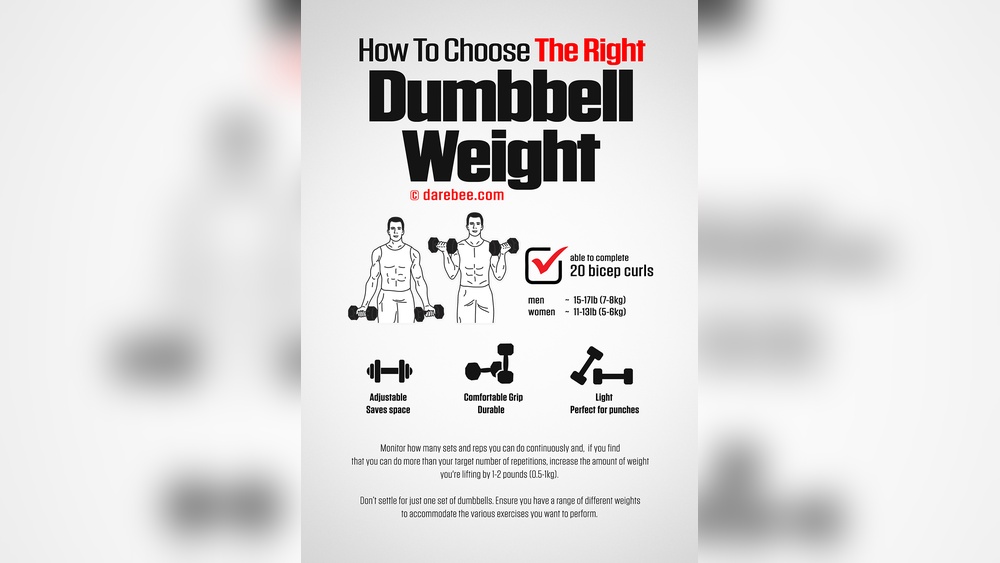
Start with light weights to learn the correct form. For most beginners, 5 to 15 pounds works well. Women often start with 5 to 10 pounds. Men might begin with 10 to 15 pounds. Use a weight you can lift 12 to 15 times without strain. If you feel pain, lower the weight.
Intermediate And Advanced Options
Intermediate lifters can increase weights to 15 to 30 pounds. This helps build more muscle and strength. Advanced users may use 30 pounds or more, based on the exercise. Focus on controlled movements and avoid rushing. Change weights as your strength improves. This keeps your workouts effective and safe.
Weight Selection By Exercise
Choosing the right dumbbell weight depends on the exercise type. Different muscles need different weights. Using the right weight helps improve strength and avoid injury. Pick a weight that feels challenging but lets you keep good form.
Upper Body Exercises
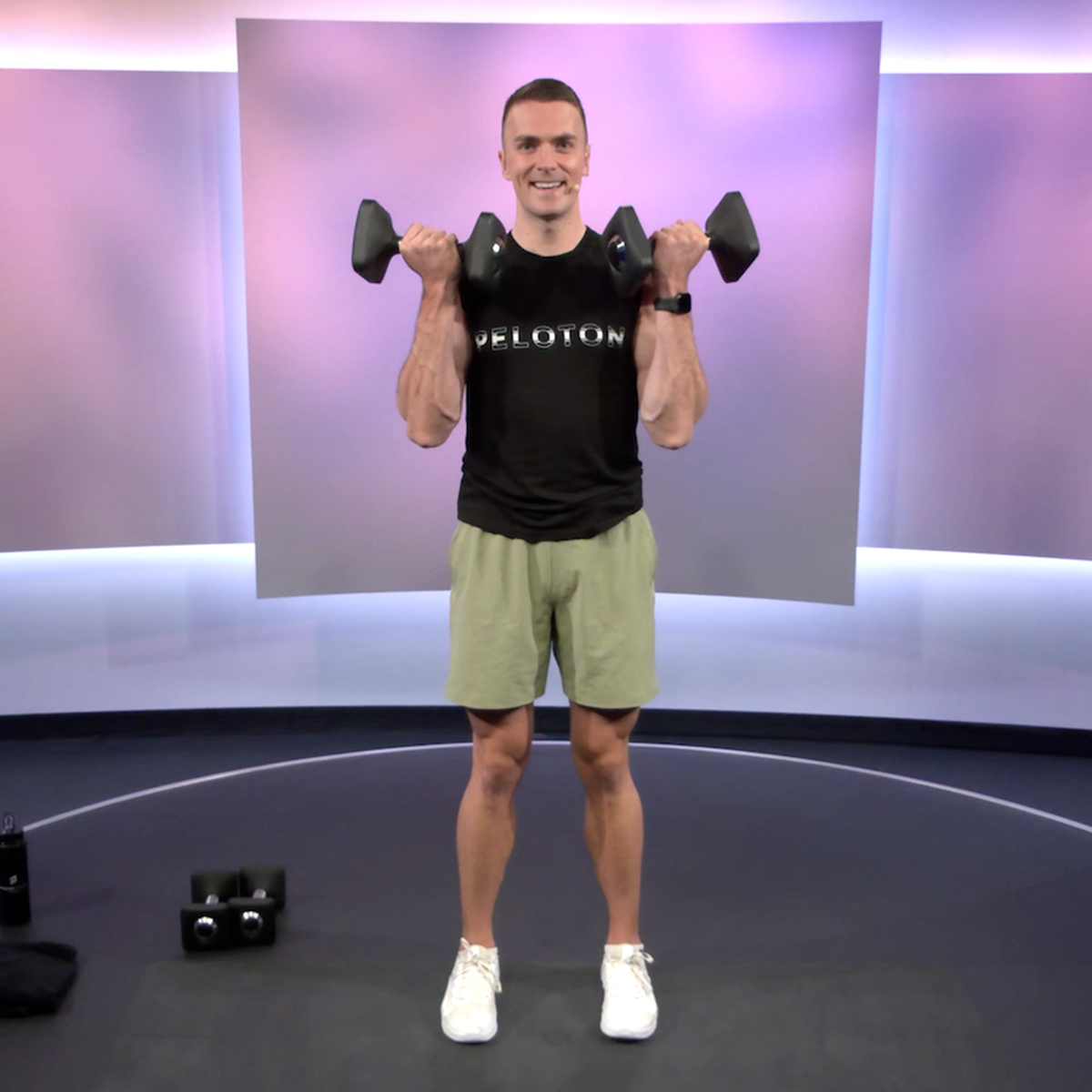
For exercises like bicep curls and shoulder presses, start light. Use weights you can lift 10 to 15 times without pain. Typically, women may start with 5 to 10 pounds. Men often begin with 10 to 20 pounds. Increase weight slowly as strength improves.
Lower Body Exercises
Legs and glutes are stronger muscles. You can use heavier dumbbells for squats or lunges. Start with 15 to 25 pounds for most beginners. Choose a weight that allows 8 to 12 good reps. Gradually add weight to build muscle and endurance.
Core Workouts
Core exercises need control, not heavy weights. Use light dumbbells for moves like Russian twists or side bends. Five to 10 pounds is usually enough. Focus on smooth, slow movements to engage your muscles well.
Progressive Overload Techniques
Progressive overload is a key technique in strength training. It means gradually increasing the weight or effort in your workouts. This helps your muscles grow stronger over time. Without progressive overload, your progress can stall. Using this method with dumbbells makes your training effective and safe. It pushes your body to adapt and improve continuously.
When To Increase Weight
Increase dumbbell weight when your current set feels easy. If you can do more than 12 reps without strain, it is time. Moving up by small amounts prevents injury. Your muscles need new challenges to grow. Avoid jumping to heavy weights too fast.
Tracking Your Gains
Write down your weights and reps each workout. Tracking helps see your progress clearly. It shows when to add more weight. Using a notebook or app works well. Regular tracking keeps you motivated and focused.
Avoiding Plateaus
Plateaus happen when progress stops. Change your routine to break them. Try more reps, different exercises, or slower movements. Varying your training keeps muscles guessing. This prevents boredom and helps steady gains.

Credit: www.onepeloton.com
Safety Tips For Dumbbell Training
Safety is key when training with dumbbells. Using the right weight is important, but so is how you train. Following safety tips helps avoid injuries. It makes workouts more effective and enjoyable.
Proper Form And Technique
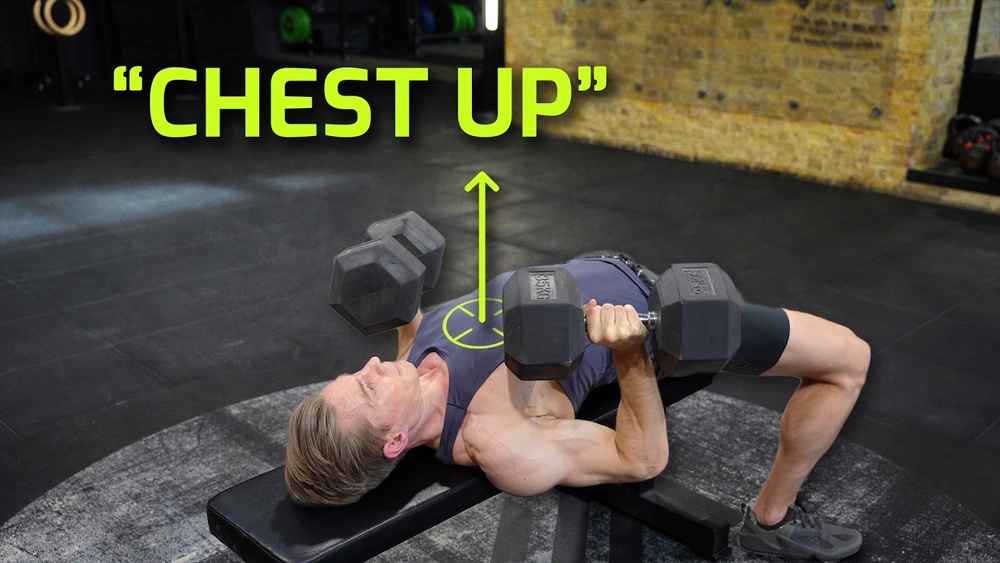
Always focus on your form during exercises. Keep your back straight and core tight. Move slowly and control each lift. Avoid jerking or swinging the dumbbells. Using correct technique reduces strain on joints and muscles.
Warm-up And Cool-down
Start with a warm-up to prepare your body. Light cardio and stretching increase blood flow. This lowers injury risk and improves flexibility. After training, cool down with gentle stretches. It helps muscles relax and reduces soreness.
Preventing Injuries
Choose dumbbell weights that match your strength. Start light and increase weight gradually. Take breaks between sets to rest muscles. Keep your workout area clear and safe. Stop exercising if you feel pain or discomfort.
Dumbbell Types And Adjustability
Dumbbells come in different types and sizes, affecting your workout and progress. Choosing the right dumbbell depends on your goals, space, and budget. Understanding fixed and adjustable dumbbells helps you pick what fits best.
Fixed Vs Adjustable Dumbbells
Fixed dumbbells have a set weight. You buy different pairs for different weights. They are simple and quick to use.
Adjustable dumbbells let you change the weight on one pair. You add or remove plates or turn a dial. This saves space and money.
Pros And Cons
Fixed dumbbells are durable and easy to grab. No need to adjust between exercises. But they take up more space. Buying many weights can cost more.
Adjustable dumbbells are space-saving and cost-effective. One set replaces many fixed pairs. They take longer to change weight during workouts. Some models may feel less stable.
Choosing What Fits Your Needs
Think about your workout style. Use fixed dumbbells if you want quick changes. Choose adjustable dumbbells if space is tight. Beginners may prefer adjustable sets for variety. Experienced lifters might like fixed for heavy lifting.
Budget matters too. Fixed sets can be expensive if buying many weights. Adjustable dumbbells are a good investment for many workouts. Check the quality before buying, especially for adjustable types.
Credit: www.onepeloton.com
Setting Realistic Goals
Setting realistic goals helps you choose the right dumbbell weight. It keeps workouts safe and effective. Without clear goals, you might pick weights that are too heavy or too light. This slows progress or causes injury. Understanding your fitness aim is key.
Strength Vs Muscle Growth
Strength training uses heavier weights with fewer reps. Aim for 4 to 6 repetitions per set. This helps build power and muscle strength. Muscle growth needs moderate weight and more reps. Try 8 to 12 repetitions per set. Choose weights that challenge you but allow good form.
Endurance Training
Endurance training uses lighter weights and many reps. Target 15 to 20 repetitions or more. This improves muscle stamina and tone. Pick weights that feel light but tire your muscles by the last rep. This keeps muscles active longer without strain.
Balancing Weight And Reps
Balance weight and reps for best results. Too heavy weights cause poor form and risk injury. Too light weights do not challenge muscles enough. Adjust weight so last reps feel hard but doable. Track progress and increase weight gradually. This helps steady improvement and avoids plateaus.
Common Mistakes To Avoid
Choosing the right dumbbell weight is key for safe and effective workouts. Many people make mistakes that slow progress or cause injury. Avoiding these errors helps you get stronger and stay healthy. Here are common mistakes to watch out for.
Using Too Much Weight
Lifting dumbbells that are too heavy can hurt your muscles. It forces you to use bad form to lift the weight. This increases injury risk and slows progress. Start with lighter weights and increase gradually. Focus on control, not just lifting heavy.
Neglecting Form
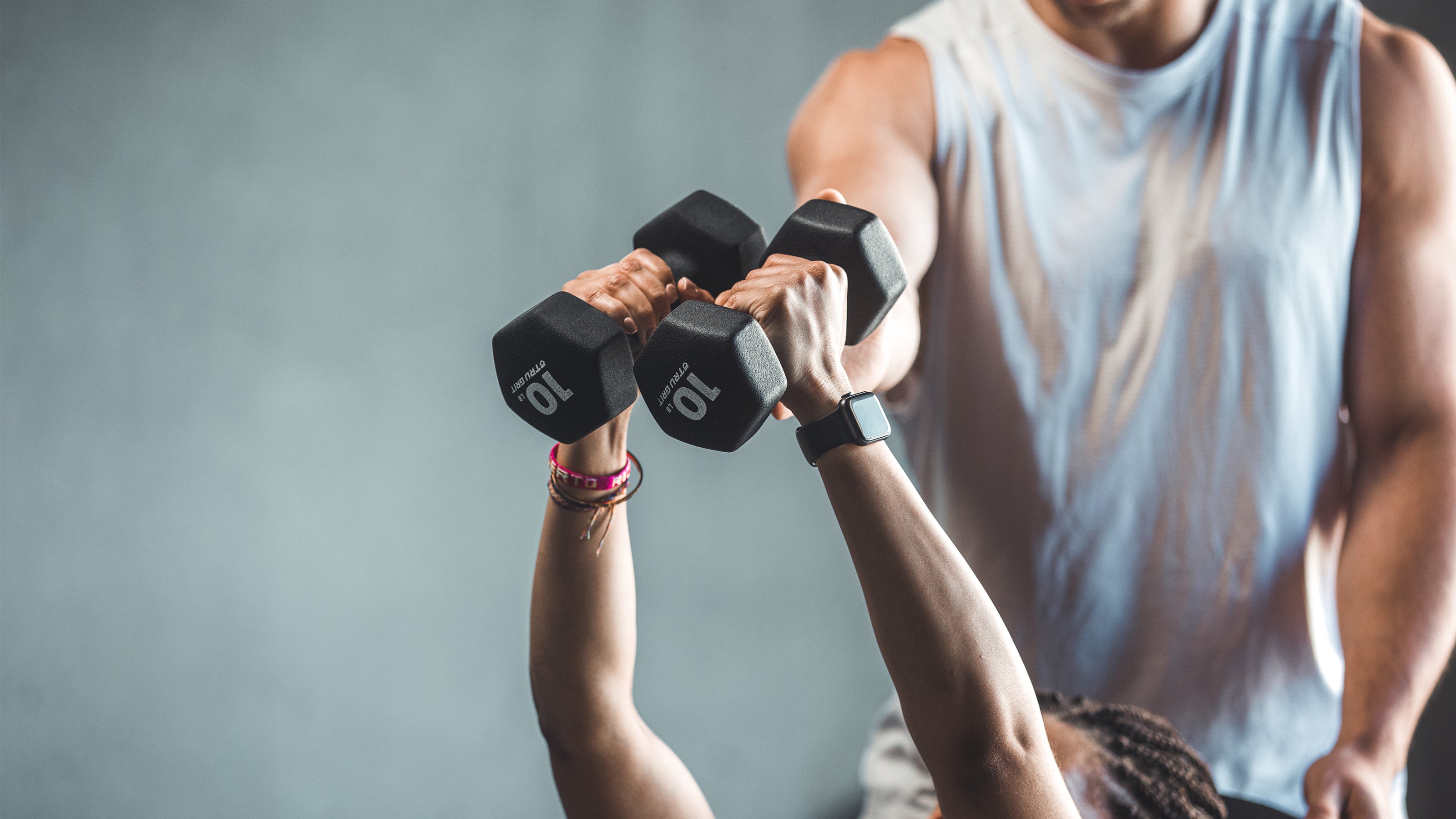
Good form is more important than how much you lift. Poor technique can strain joints and muscles. It also reduces the workout’s effectiveness. Take time to learn the correct moves. Use a mirror or ask for help to check your form.
Ignoring Rest Periods
Rest is part of building strength. Skipping breaks can cause tired muscles and poor performance. Your body needs time to recover between sets. Rest for 30 to 60 seconds to keep energy and avoid injury. This helps you lift better each time.
Credit: trugrit-fitness.com
Frequently Asked Questions
What Dumbbell Weight Is Best For Beginners?
Beginners should start with light dumbbells, typically 5 to 10 pounds. This weight helps build strength safely without risking injury. Gradually increase weight as your muscles adapt and become stronger.
How To Choose Dumbbell Weight For Muscle Gain?
Select a weight that allows 8 to 12 reps per set with good form. The weight should challenge your muscles but not cause strain or poor technique. Increase weight progressively to stimulate muscle growth.
Are Heavier Dumbbells Better For Fat Loss?
Heavier dumbbells can boost calorie burn by increasing resistance. However, combining weights with cardio and a healthy diet is essential for fat loss. Choose weights that allow controlled movements and avoid injury.
What Dumbbell Weight Suits Women Beginners?
Women new to strength training often start with 3 to 8 pounds. This range is manageable and effective for building muscle and endurance. Adjust weight based on fitness level and exercise type.
Conclusion
Choosing the right dumbbell weight matters for progress and safety. Start light to learn proper form. Gradually increase weight as strength improves. Listen to your body to avoid injury. Consistency beats heavy lifting alone. Keep challenging yourself, but stay within limits.
This way, workouts stay effective and enjoyable. Dumbbells can fit any fitness level or goal. Remember, steady steps lead to lasting results.