Are you looking to boost your bench press numbers but unsure if the incline dumbbell press can help? You might have heard mixed opinions about whether adding incline dumbbell presses to your routine actually makes a difference.
The truth is, understanding how this exercise impacts your strength can be a game-changer for your workouts. You’ll discover exactly how the incline dumbbell press affects your bench press and whether it’s the missing piece in your training plan. Keep reading to find out how to unlock your full pressing potential.
Incline Dumbbell Press Benefits
The incline dumbbell press offers many benefits for strength and muscle growth. It targets muscles differently than the flat bench press. This exercise can help improve your overall pressing power. Using dumbbells also requires more control and balance. This leads to better muscle coordination and stability.
Targeted Muscle Activation
The incline dumbbell press focuses more on the upper chest muscles. It also works the front shoulders and triceps. This helps build a fuller, more defined chest. Using dumbbells allows each side to work independently. This can correct muscle imbalances between your left and right sides.
Improved Shoulder Stability
Pressing with dumbbells requires your shoulder muscles to stabilize the weight. This strengthens the smaller muscles around your shoulder joint. Stronger stabilizers reduce the risk of injury. They also improve control during all pressing movements, including the bench press.
Enhanced Range Of Motion
Dumbbells allow a deeper stretch at the bottom of the movement. This increases the range of motion compared to a barbell. A greater range helps build muscle more effectively. It also improves flexibility and joint health in your shoulders and chest.

Credit: www.youtube.com
Bench Press Strength Factors
Bench press strength depends on several key factors. Understanding these helps improve your lifts safely and effectively. Strength gains come from a mix of muscle power, good technique, and supporting exercises. Each plays a role in how much weight you can press.
Focusing on these areas can help you build a stronger bench press over time.
Muscle Groups Involved
The bench press works many muscles together. The chest muscles, called pectorals, are the main movers. Your shoulders, especially the front deltoids, help push the weight up. The triceps on the back of your arms straighten your elbows. Strong muscles in these areas increase your bench press power.
Role Of Technique
Good technique makes a big difference in how much you lift. Proper hand placement and grip keep the bar stable. Keeping your back tight and feet planted improves control. Lowering the bar slowly and pushing evenly helps avoid injury. Small changes in form can add more weight to your bench press.
Importance Of Accessory Exercises
Accessory exercises build the muscles that support the bench press. Movements like incline dumbbell presses target the upper chest and shoulders. Tricep extensions and push-ups strengthen the arms. Rows and pull exercises balance muscle strength. These help improve overall bench press performance.
How Incline Press Affects Bench Press
The incline dumbbell press changes how your chest muscles work. It targets the upper chest more than the flat bench press. This shift can improve your overall bench press strength. Understanding how it affects your bench press helps you train smarter.
Upper Chest Development
The incline press focuses on the upper chest muscles. These muscles help lift the bar during the bench press. Strong upper chest muscles add power to your push. Training this area can fix weak spots in your bench press.
Transfer Of Strength
Strength gained from incline presses moves to your bench press. The incline press builds pressing power in a different angle. This carries over to the flat bench press. It helps you push heavier weights with better control.
Muscle Balance And Injury Prevention
Incline presses balance chest muscles by targeting different fibers. Balanced muscles reduce the risk of injury during heavy lifts. Strong upper chest supports your shoulder joints. This support lowers strain and helps keep you injury-free.
Training Tips To Boost Bench Press
Training to boost your bench press requires focus and smart planning. Small changes in your routine can lead to big strength gains. Use clear strategies that target your muscles and help you lift more weight safely. Follow these tips to improve your bench press consistently.
Progressive Overload Strategies
Increase the weight gradually over time to challenge your muscles. Add small amounts of weight each week or session. Track your progress to know when to push harder. Use sets and reps that force your muscles to grow. Avoid jumping to heavy weights too fast to prevent injury.
Incorporating Incline Dumbbell Press
The incline dumbbell press builds upper chest and shoulder strength. It helps balance muscle development and supports the flat bench press. Use moderate weights and focus on good form. Change angles to target different chest areas. Include this exercise twice a week for best results.
Recovery And Nutrition
Rest days are vital for muscle growth and strength. Sleep at least 7 to 8 hours every night. Eat enough protein to repair muscles after workouts. Drink water to stay hydrated and support recovery. Avoid overtraining by listening to your body’s signals.
Common Mistakes To Avoid
Many lifters believe the incline dumbbell press directly boosts their flat bench press. This idea has some truth, but mistakes can block progress. Avoiding common errors helps you get stronger safely and faster. Focus on balanced training and proper technique.
Overemphasizing Incline Press
Some people train incline press too much. They think it alone will raise their bench numbers. Overdoing it can cause muscle imbalance. The incline press targets upper chest and shoulders more than the flat bench. Neglecting flat bench practice slows overall strength gains.
Neglecting Form
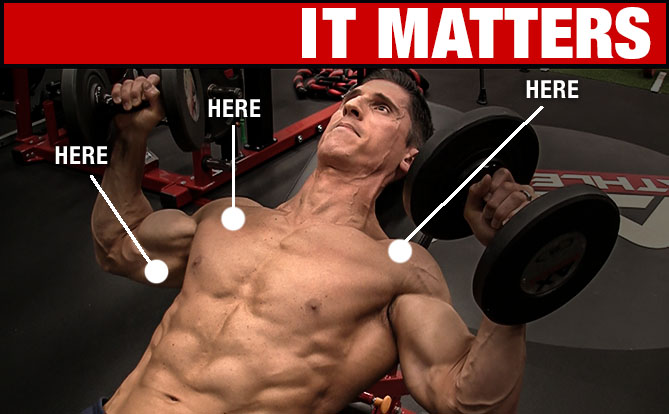
Good form matters more than heavy weights. Poor technique on the incline press can cause injury. It also wastes effort and limits muscle growth. Keep your back tight, wrists straight, and elbows at a safe angle. Controlled movement beats fast, sloppy reps every time.
Ignoring Other Supporting Exercises
Incline dumbbell press is not enough alone. Supporting muscles need work too. Exercises like tricep extensions, rows, and push-ups build strength around the chest. Strong stabilizers improve bench press power and control. Balanced training leads to better results.
Credit: learn.athleanx.com
Sample Workout Plan
A well-structured workout plan helps build strength and improve your bench press. The plan below focuses on the incline dumbbell press and other key lifts. It targets muscles needed for a stronger bench press. Follow this plan consistently for best results.
Incline Dumbbell Press Variations
Use different incline angles to work the upper chest muscles. Try a 30-degree or 45-degree incline for variety. Experiment with neutral grip or palms facing each other. Perform 3 sets of 8 to 12 reps. This variation helps increase muscle activation and strength.
Bench Press Routine
Start with a proper warm-up set using light weight. Perform 4 sets of 5 to 8 reps at challenging weight. Focus on controlled movement and full range of motion. Rest 2 to 3 minutes between sets to recover fully. Track your progress and increase weight slowly over time.
Accessory Movements For Strength
Include exercises that support the bench press muscles. Perform tricep pushdowns, chest flyes, and shoulder presses. Do 3 sets of 10 to 15 reps each. Strengthen your triceps, shoulders, and chest for better pressing power. These movements reduce injury risk and improve muscle balance.
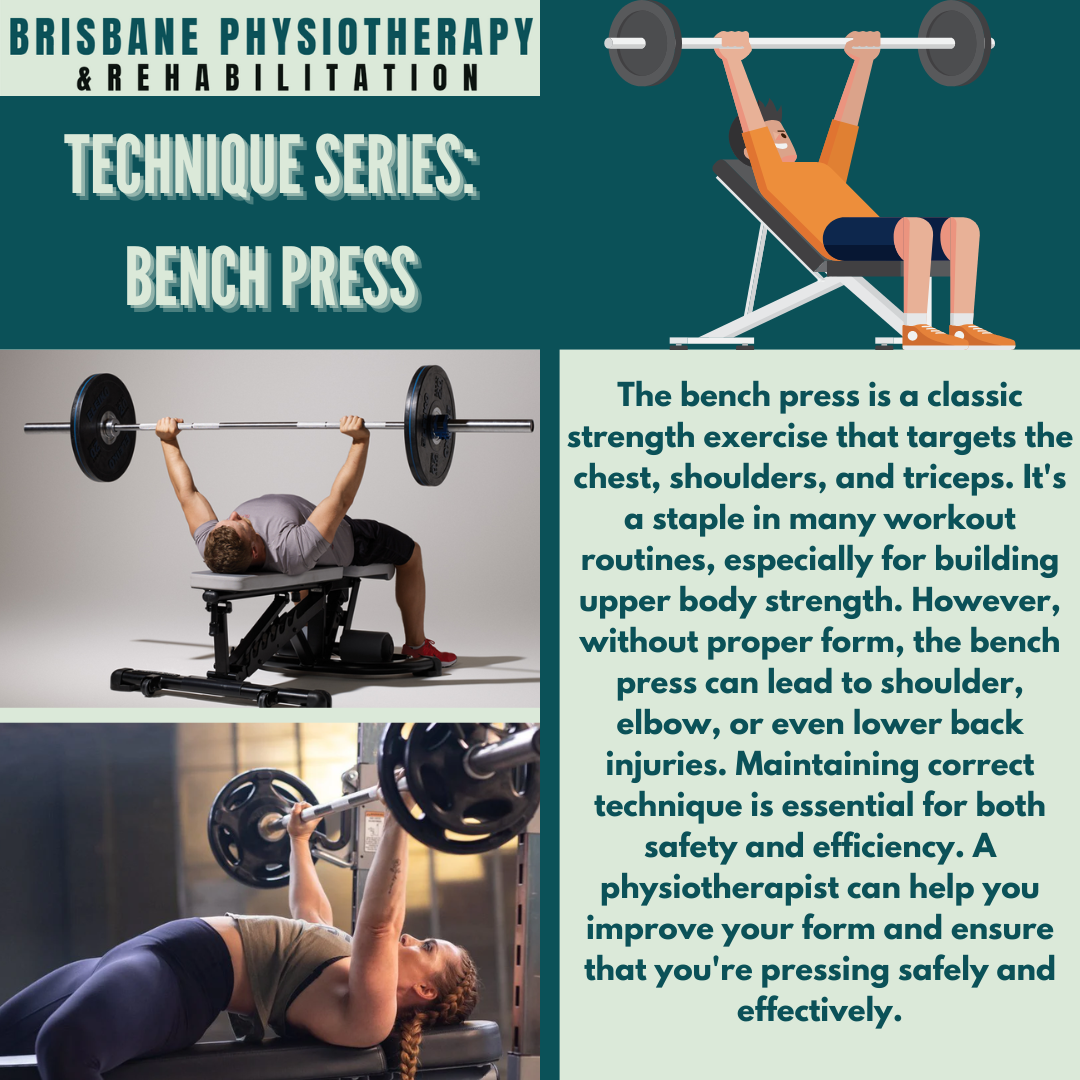
Credit: heatmasterint.com
Frequently Asked Questions
Does Incline Dumbbell Press Improve Bench Press Strength?
Yes, incline dumbbell press targets upper chest and shoulders, enhancing overall bench press strength by improving muscle balance and stability.
How Often Should I Do Incline Dumbbell Press?
Perform incline dumbbell press 1-2 times weekly to complement bench press training without overtraining or risking injury.
Can Incline Dumbbell Press Reduce Bench Press Injuries?
Incline dumbbell press strengthens stabilizer muscles and improves shoulder health, reducing injury risks during flat bench pressing.
Is Incline Dumbbell Press Better Than Flat Bench Press?
Incline dumbbell press targets upper chest differently, complementing flat bench press rather than replacing it for balanced development.
Conclusion
Incline dumbbell press helps build upper chest strength. This can support your flat bench press performance. Stronger upper chest muscles improve overall pressing power. Including incline presses adds variety to your workout. It also reduces the risk of muscle imbalances.
Consistent training with dumbbells develops stability and control. These benefits together can help increase your bench press. Focus on good form and steady progress. Remember, patience and consistency bring the best results. Keep training smart and watch your bench press improve.