Are you confused about how heavy your dumbbells should be? Choosing the right weight can make a huge difference in your workouts and results.
If your dumbbells are too light, you won’t challenge your muscles enough. Too heavy, and you risk injury or poor form. Finding the perfect balance is key to building strength, toning your body, and staying motivated. Keep reading to discover the ideal dumbbell weight for women like you, so you can lift smarter and see real progress faster.
Choosing Dumbbell Weight
Choosing the right dumbbell weight is key to a good workout. Picking weights that fit your strength helps you exercise safely and get results. The right weight challenges your muscles but does not cause pain or bad form. This guide helps you find the best dumbbell weight for your fitness level and goals.
Factors To Consider
Think about your current strength and fitness experience. Beginners need lighter weights to learn moves well. Your workout goal matters too. For muscle tone, lighter weights with more reps work best. To build strength, heavier weights with fewer reps are better. Also, consider any injuries or health issues. Choose a weight that feels safe and comfortable.
Common Weight Ranges For Beginners
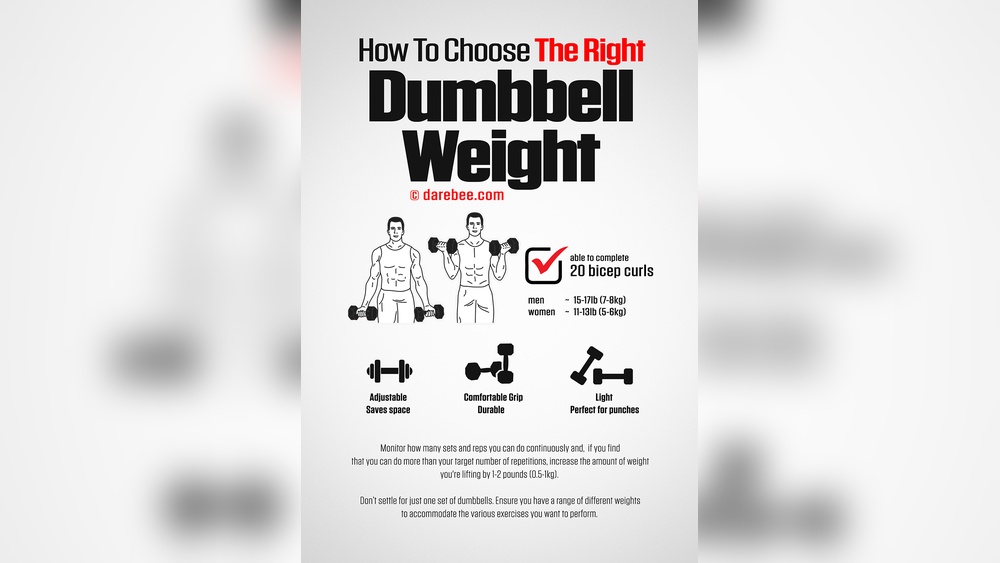
Most women start with dumbbells between 3 and 8 pounds. Lighter weights help focus on form and control. Some may begin with 5-pound dumbbells for general exercises. Others might use 8-pound weights for stronger muscles or bigger frames. Starting light lets you avoid strain and improve over time. You can increase weight as you get stronger.
Adjusting Weight For Different Exercises
Use different weights for different moves. Smaller muscles, like those in the arms, need lighter dumbbells. Bigger muscles, like legs or chest, handle heavier weights. For example, bicep curls may use 5 pounds. Squats with dumbbells can use 8 pounds or more. Change weight to match each exercise and your strength level.

Credit: hangarhpc.com
Strength Levels And Weight Recommendations
Choosing the right dumbbell weight depends on your strength level. This helps avoid injury and improves workout results. Strength levels vary from beginner to advanced. Each level has a recommended dumbbell weight range. Knowing your level guides your weight choice. This section breaks down the weights for each strength level.
Beginner Dumbbell Weights
Beginners start with light weights to learn form and build strength. For women, dumbbells between 3 to 8 pounds work well. These weights allow control without too much strain. Start with 3 or 5 pounds for smaller muscle groups like shoulders. Use 8 pounds for bigger muscles like legs or back. Focus on slow, steady movements to avoid injury.
Intermediate Dumbbell Weights
Intermediate lifters have some experience and more strength. Dumbbells from 8 to 15 pounds suit this level. Use 8 to 12 pounds for exercises like bicep curls or tricep extensions. For squats or lunges, 12 to 15 pounds offers good resistance. At this stage, increase weight gradually to challenge muscles.
Advanced Dumbbell Weights
Advanced women can lift heavier dumbbells safely. Weights from 15 to 25 pounds or more fit here. Use heavier dumbbells for strong muscle groups like legs and back. For smaller muscles, 15 to 20 pounds is ideal. Advanced lifters focus on strength building and muscle tone. Always keep good form and avoid rushing.
Weight Selection By Workout Goals
Selecting the right dumbbell weight depends on your workout goals. Different goals need different weights for best results. Choosing the correct weight helps you train safely and effectively.
Using weights that are too heavy or too light can slow progress. Focus on your specific goal to pick the best dumbbell weight for you.
Building Muscle
For muscle building, choose heavier dumbbells. The weight should tire your muscles after 8 to 12 reps. Push yourself but keep good form. This helps muscles grow stronger and bigger.
Start with a weight that challenges you but does not cause pain. Gradually increase weight as you get stronger. Heavy weights are key for muscle growth.
Toning And Endurance
For toning and endurance, use lighter weights with more reps. Aim for 12 to 20 reps per set. This builds muscle shape and stamina without bulk.
Pick a weight that feels easy at first but gets harder at the end. This improves muscle tone and keeps muscles lean.
Fat Loss And Conditioning
Choose moderate weights for fat loss and conditioning. Use weights that let you do 10 to 15 reps. Keep moving fast to burn calories.
This weight helps build strength and burn fat at the same time. Combine with cardio for best fat loss results.
Credit: www.eatthis.com
Progressing Safely With Dumbbells
Progressing safely with dumbbells is important for strength and health. Using the right weight helps build muscle without causing harm. It also keeps workouts effective and enjoyable. Gradually increasing dumbbell weight challenges muscles while avoiding strain. This section explains signs to increase weight, ways to avoid injury, and how to add variety to your routine.
Signs To Increase Weight
Finish your sets with ease and no muscle shake. Complete all reps without losing form or feeling too tired. Exercises feel less challenging than before. You can control the dumbbells smoothly. These signs show your muscles are ready for more weight.
Avoiding Injury
Always warm up before lifting weights. Use slow, controlled movements during exercises. Stop if you feel sharp pain or discomfort. Keep your back straight and core tight. Rest between sets to let muscles recover. Avoid lifting weights that cause you to cheat on form.
Incorporating Variety
Change your exercises to target different muscles. Use different dumbbell weights for various moves. Mix in bodyweight exercises to balance strength. Try different grips and angles during workouts. Variety prevents boredom and helps muscles grow evenly.
Special Considerations
Choosing the right dumbbell weight is not the same for every woman. Some factors need special attention. These factors affect safety and results. Understanding them helps pick weights that suit personal needs.
Age And Fitness Level
Age plays a key role in weight choice. Older women might need lighter dumbbells. This protects joints and muscles. Beginners should start with low weights. It helps build strength slowly. Advanced lifters can use heavier dumbbells. Matching weight to fitness level prevents injury.
Injury And Rehabilitation
Previous injuries require careful weight selection. Light dumbbells reduce strain on healing muscles. Rehabilitation often involves slow, controlled movements. Choose weights that allow proper form. Avoid weights that cause pain or discomfort. Consult a doctor or therapist for guidance.
Home Vs Gym Equipment
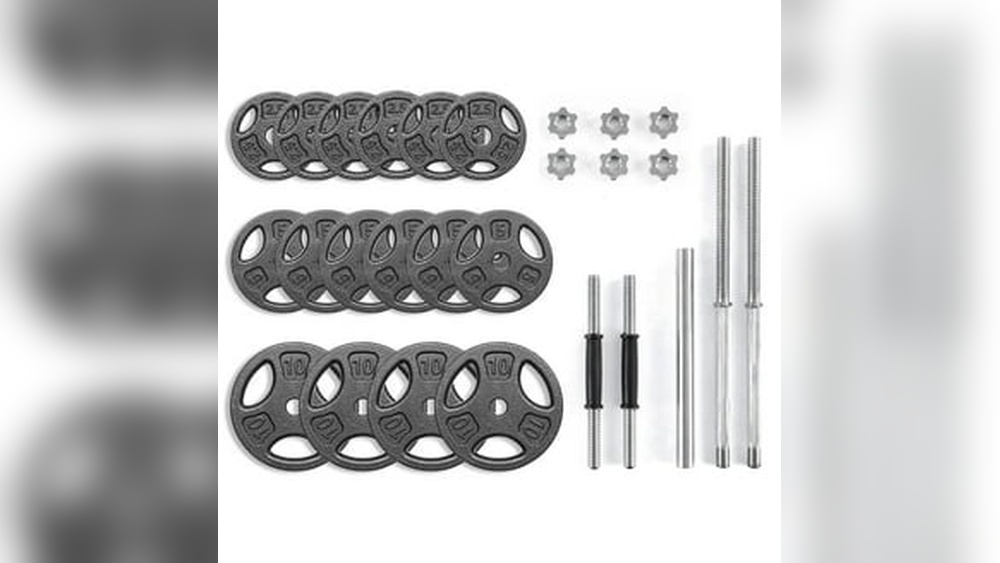
Home dumbbells differ from gym sets. Home weights are often fixed or adjustable. Gym dumbbells offer many weight options. Space and budget limit home equipment choices. Pick weights that fit your workout space. Adjustable dumbbells save room and money. Gym equipment may allow heavier weights safely.
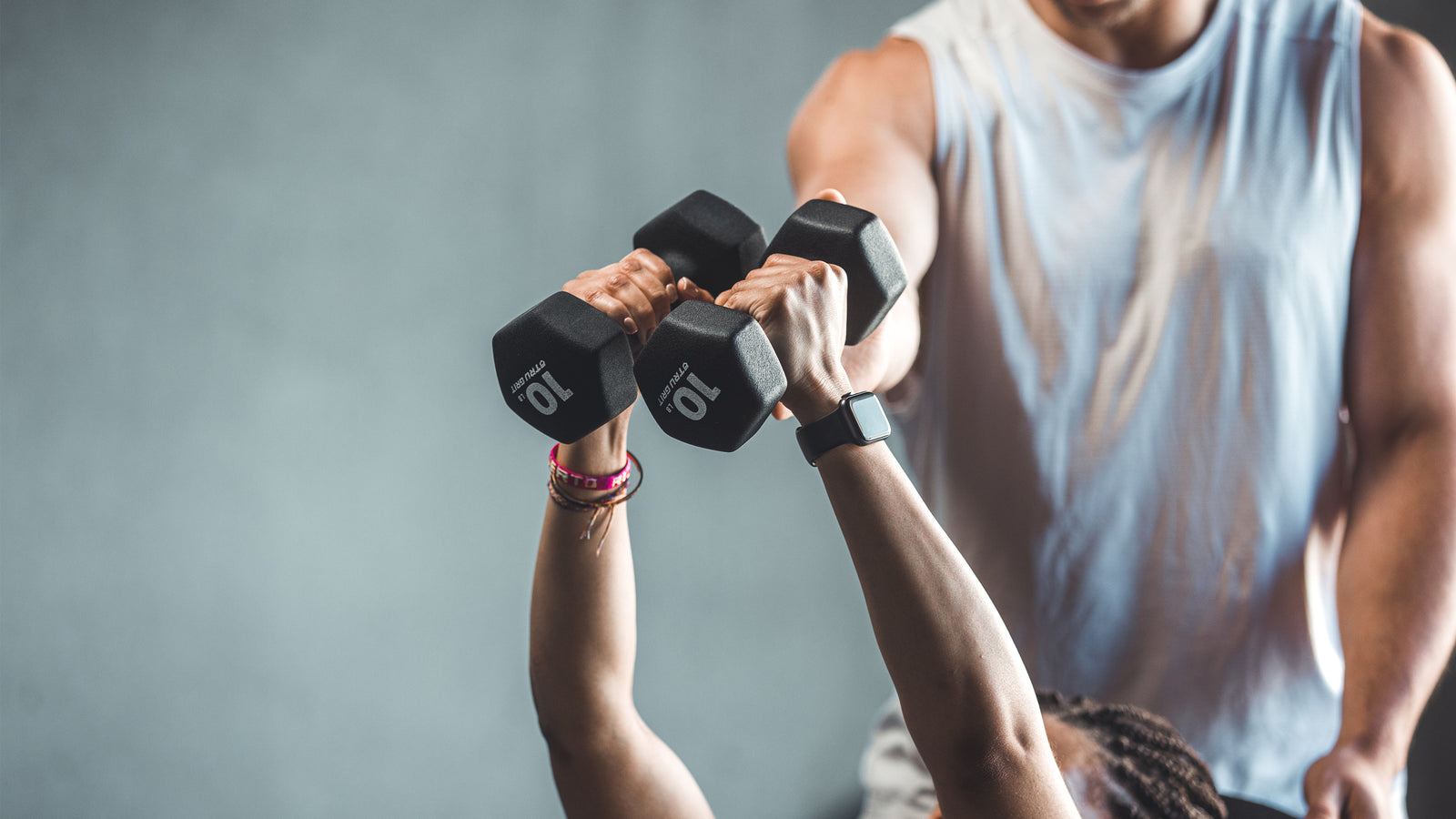
Credit: trugrit-fitness.com
Frequently Asked Questions
What Is The Ideal Dumbbell Weight For Women Beginners?
For beginners, women should start with 3 to 5 pounds dumbbells. This weight helps build strength without causing injury. It allows learning proper form and control. Gradually increasing weight enhances muscle tone and endurance safely.
How To Choose Dumbbell Weight For Women’s Strength Training?
Select a dumbbell weight that challenges muscles but allows 12-15 reps comfortably. For strength, women often use 8 to 15 pounds. Focus on form and avoid weights that cause strain or improper technique. Adjust weight based on exercise type and goals.
Can Women Use Heavy Dumbbells For Muscle Building?
Yes, women can use heavy dumbbells for muscle growth. Heavier weights with fewer reps promote muscle strength and size. Start with manageable heavy weights and increase progressively. Proper technique and recovery are essential for safe muscle building.
How Often Should Women Increase Dumbbell Weight?
Women should increase dumbbell weight every 2 to 4 weeks. When 12-15 reps become easy, it signals readiness to progress. Gradual increments prevent plateaus and reduce injury risk. Consistency in training helps build strength effectively.
Conclusion
Choosing the right dumbbell weight helps women train safely and effectively. Start light to learn good form and avoid injury. Increase weight slowly as strength and confidence grow. Focus on how your body feels, not just the numbers. Consistency matters more than heavy weights at first.
Enjoy the process and celebrate small progress. Stronger muscles come with time and patience. Keep moving forward, and you will see results.