Have you ever wondered if the dumbbells you lift are really the right weight for your goals? Choosing the right dumbbell weight can make all the difference in your workout results and how quickly you see progress.
But how do you know if you’re lifting too light or pushing yourself too hard? You’ll discover key tips to find the perfect dumbbell weight for your strength level and fitness journey. Keep reading to learn how to lift smarter, avoid injury, and get the most out of every rep.
Choosing Dumbbell Weight
Choosing the right dumbbell weight is key to safe and effective workouts. The weight should challenge your muscles without causing injury. Picking the right dumbbells helps you build strength steadily. It also keeps your workouts enjoyable and motivating.
Assessing Your Strength Level
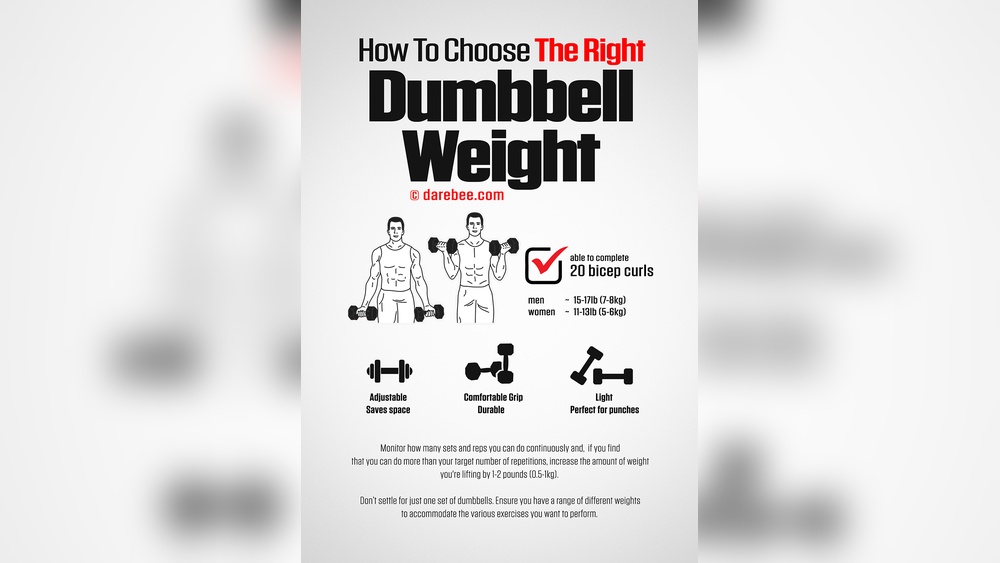
Start by understanding your current strength. Test with light weights first. Lift dumbbells that feel easy but still give some resistance. If the weight feels too heavy, reduce it. Choose weights that let you complete 8 to 12 reps with good form. This helps avoid strain or injury.
Matching Weight To Exercise Type
Different exercises need different weights. Use heavier dumbbells for big muscle groups like legs or chest. Use lighter weights for smaller muscles like shoulders or arms. For slow and controlled moves, pick a weight you can manage well. For fast or dynamic exercises, lighter weights keep your form steady.
Considering Workout Goals
Your workout aim shapes the weight choice. For muscle building, choose weights that tire muscles by the last rep. For endurance, pick lighter dumbbells with more repetitions. For toning and shaping, use moderate weights with steady reps. Change weights as your strength and goals evolve.
Weight Categories Explained
Understanding dumbbell weight categories helps you choose the right load. It supports safe training and steady progress. Each weight class suits different fitness levels and goals.
Starting with the correct weight reduces injury risk. It also builds confidence and strength effectively. Let’s explore the main weight categories for dumbbells.
Light Dumbbells For Beginners
Light dumbbells usually weigh between 1 and 5 pounds. They are perfect for beginners or those new to exercise. These weights help learn proper form without strain. Use light dumbbells for warm-ups and high repetitions. They improve muscle endurance and joint stability.
Moderate Weights For Growth
Moderate weights range from 6 to 15 pounds. They suit those ready to build muscle and tone. This category challenges muscles without overloading them. Moderate dumbbells help increase strength and size gradually. They allow controlled lifting with good technique.
Heavy Dumbbells For Strength
Heavy dumbbells weigh 16 pounds or more. They target strength and muscle power. Use heavy weights after mastering lighter ones. These weights push muscles to grow stronger and denser. Heavy dumbbells require proper form to avoid injury.
Progressive Weight Training
Progressive weight training helps you build strength over time. It means gradually lifting heavier dumbbells. This approach challenges your muscles, making them stronger and bigger. It also reduces the risk of injury by avoiding sudden jumps in weight. Consistency and patience are key to success.
When To Increase Weight
Increase dumbbell weight when you can do all reps easily. If your last set feels too simple, it’s time to add weight. Avoid raising weight too soon to prevent strain. Listen to your body and focus on good form. This balance helps steady progress.
Safe Increment Strategies
Raise dumbbell weight in small steps, like 2.5 to 5 pounds. Small increases help muscles adjust without injury. Use microplates if available for finer control. Allow muscles time to recover between sessions. Slow and steady weight gain keeps training safe.
Tracking Your Progress
Write down your weights and reps each workout. Tracking helps see improvement over weeks and months. Use a notebook or phone app to stay organized. Regular tracking motivates you to keep going. It also shows when to increase weight next.

Credit: dumbbell-nan-kilo-moteru.fandom.com
Common Mistakes To Avoid
Choosing the right dumbbell weight is important for safe and effective workouts. Many people make mistakes that slow progress or cause injuries. Avoiding these errors helps you build strength steadily and stay motivated.
This section highlights common mistakes to avoid when lifting dumbbells. Learn what to watch out for to keep your training on track.
Lifting Too Heavy Too Soon
Picking weights that are too heavy can cause strain. Your muscles need time to adjust. Start with lighter dumbbells to build strength safely. Jumping to heavy weights increases injury risk and slows progress. Patience pays off in the long run.
Ignoring Proper Form
Good form protects joints and targets muscles correctly. Poor technique can cause pain and reduce workout benefits. Focus on controlled movements and correct posture. Watch yourself in a mirror or ask for help. Form matters more than lifting heavy.
Neglecting Warm-up And Recovery
Skipping warm-up raises injury chances. Warm muscles work better and recover faster. Spend five to ten minutes warming up with light exercises. After training, rest and stretch to help muscles heal. Recovery is part of building strength.
Dumbbell Weight And Muscle Groups
Dumbbell weight plays a key role in targeting different muscle groups effectively. Choosing the right weight helps improve strength and avoid injury. Each muscle group needs a specific weight range. This depends on the muscle size and exercise type.
Heavier weights work well for larger muscles. Lighter weights suit smaller muscles or stability work. Understanding these differences helps create a balanced workout plan. It also ensures steady progress.
Upper Body Weight Recommendations
For upper body muscles, start with moderate weights. Large muscles like chest and back can handle heavier dumbbells. Try 15 to 30 pounds for most exercises. Smaller muscles like biceps and triceps need lighter weights. Use 5 to 15 pounds for these areas. Focus on control and good form during lifts.
Lower Body Dumbbell Choices
Lower body muscles are usually stronger. Legs and glutes can lift heavier dumbbells. Choose weights between 20 to 40 pounds for squats and lunges. Use lighter dumbbells for calf raises or smaller exercises. Adjust weight to match your strength and comfort.
Core And Stability Exercises
Core muscles need lighter weights for balance and control. Use 5 to 15 pounds for moves like Russian twists or side bends. Stability exercises focus on slow, steady movement. Pick a weight that challenges you but keeps your form solid. This helps prevent injuries and builds endurance.

Credit: www.animefeminist.com
Using Gelbooru For Strength Tips
Gelbooru is known for its large image database, but it also hosts many fitness-related posts. Many users share their workout routines and strength tips there. This makes it a unique place to find real experiences and advice about lifting dumbbells. You can explore different training styles and learn how others measure their progress. It helps to see how much weight others use and how they improve over time.
Using Gelbooru for strength tips requires some care. Not all content is accurate or safe. But with the right approach, you can find useful information that fits your training goals. Below are ways to get the most from the site.
Finding Reliable Content
Start by checking the source of each post. Look for users who share detailed workout logs or photos showing their form. Posts with many positive comments often indicate good advice. Avoid content that promises quick results or uses unclear explanations. Trust posts that focus on steady progress and safe lifting techniques. This helps keep your training effective and injury-free.
Community Advice And Experiences
Many users write about their personal journeys with dumbbell training. Reading these stories can motivate and guide you. The community often discusses common problems like plateaus or muscle soreness. Users exchange tips on how to overcome these issues. Joining the conversation or reading comments gives insight beyond basic tips. It shows what worked and what did not for real people.
Incorporating Tips Into Training
Use the ideas you find on Gelbooru to improve your workouts gradually. Start by testing new exercises with light weights. Focus on form and control before adding more weight. Keep a journal of your progress to track changes. Adapt tips to your fitness level and goals. Consistent effort and patience are key to building strength safely.
Credit: beneaththetangles.com
Frequently Asked Questions
How Heavy Are Typical Dumbbells On Gelbooru?
Dumbbell weights on Gelbooru vary widely, often shown in popular anime or fitness art. Common weights range from 5 to 50 pounds. The depicted weight usually matches the character’s strength and fitness level, adding realism to the artwork.
Why Does Dumbbell Weight Matter In Gelbooru Images?
Dumbbell weight adds authenticity and context to fitness-themed Gelbooru images. It helps viewers gauge the character’s strength and workout intensity. Accurate weight portrayal improves the artwork’s appeal and connects with fitness enthusiasts.
Can I Learn About Dumbbell Lifting From Gelbooru?
Gelbooru primarily showcases artistic depictions rather than instructional content. While you can see various dumbbell weights and exercises, it’s best to consult professional sources for proper lifting techniques and safety tips.
Are Dumbbell Weights On Gelbooru Realistic?
Most Gelbooru artists aim for realistic dumbbell sizes to enhance visual impact. However, some images exaggerate weights for dramatic effect. Always verify with fitness guidelines to understand realistic lifting capabilities.
Conclusion
Choosing the right dumbbell weight matters for your fitness progress. Start with weights that feel comfortable and challenge your muscles. Gradually increase the weight as you grow stronger. Remember, consistency beats lifting heavy too soon. Focus on good form to avoid injury.
Track your progress to stay motivated and improve. Your body will thank you for steady and safe workouts. Keep lifting smart, and enjoy the results.