Are you looking to build a stronger, more defined chest? You’ve probably heard about the incline dumbbell press, but does it really work your chest like you want?
If you want to know how this exercise can shape your upper body and whether it’s worth adding to your routine, you’re in the right place. Keep reading, because understanding how the incline dumbbell press targets your chest could be the key to unlocking better results faster.
Incline Dumbbell Press Benefits
The incline dumbbell press is a strong exercise for building chest muscles. It focuses on parts of the chest that flat presses may miss. This makes it a valuable addition to any workout plan.
Using dumbbells allows for a greater range of motion. This helps muscles work harder and grow better. The incline angle changes the muscle focus to the upper chest and shoulders.
Targeted Chest Activation
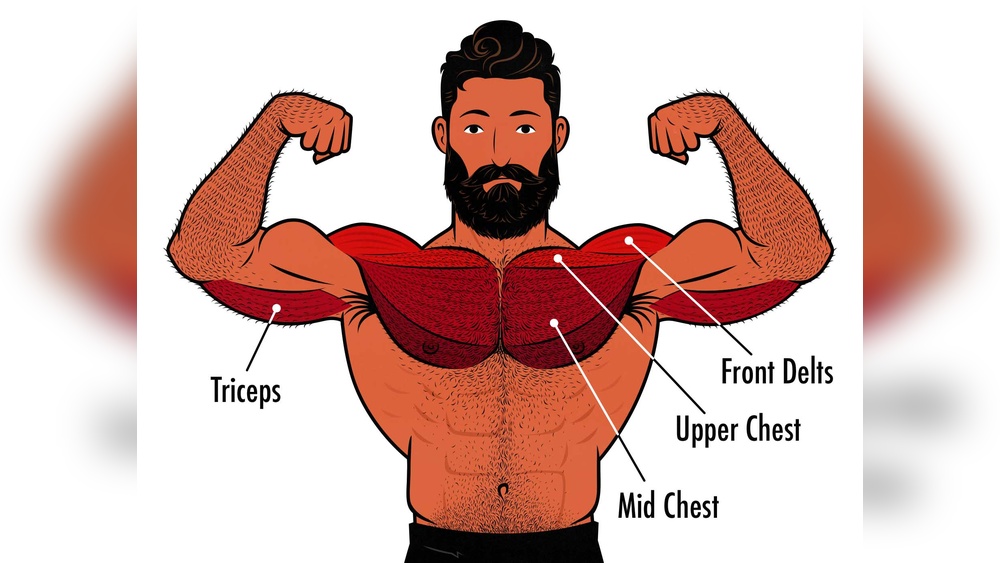
The incline dumbbell press mainly targets the upper chest muscles. This area often gets less work with flat bench presses. The incline angle shifts the effort upward, activating these muscles more.
This focused activation helps build a fuller, stronger chest shape. It also improves overall chest strength and stability. The exercise involves the front shoulders and triceps too, for balanced strength.
Improved Upper Chest Development
Many people find it hard to develop the upper chest. The incline dumbbell press helps fix this by isolating this area. Regular practice can create noticeable muscle growth here.
This development lifts the chest and creates a better-defined look. It adds size and strength to the upper body. The dumbbells allow each side to work independently, reducing muscle imbalances.
Enhanced Muscle Symmetry
Using dumbbells requires both sides to work equally. This helps correct strength differences between the left and right chest. Balanced muscle growth reduces injury risk and improves posture.
Better symmetry also means better performance in other lifts. It creates a more natural and appealing chest shape. Dumbbells allow more control and stability during the movement.
Proper Form And Technique
Proper form and technique are key to getting the best results from the incline dumbbell press. Using correct form helps target the chest muscles effectively. It also reduces the risk of injury. Small changes in position can make a big difference in muscle activation and workout safety.
Setting The Bench Angle
Start by adjusting the bench to a 30 to 45-degree angle. This angle focuses on the upper chest. A steeper angle shifts effort to the shoulders. A lower angle targets the mid-chest more. Find a comfortable position that feels natural and allows full range of motion.
Grip And Hand Position
Hold the dumbbells with a firm grip. Your palms should face forward or slightly inward. Keep wrists straight and strong. Avoid letting your hands twist or bend during the lift. Position your hands just wider than shoulder-width. This helps activate the chest muscles better.
Controlled Movement
Lower the dumbbells slowly toward your upper chest. Pause briefly at the bottom. Push the weights up in a steady, controlled motion. Avoid locking your elbows at the top. Control keeps tension on the chest and protects your joints. Fast or jerky moves reduce effectiveness and increase injury risk.
Muscle Groups Engaged
The incline dumbbell press targets several important muscle groups. It mainly focuses on the upper chest but also works other muscles. Knowing which muscles engage helps you understand its benefits.
Upper Pectorals
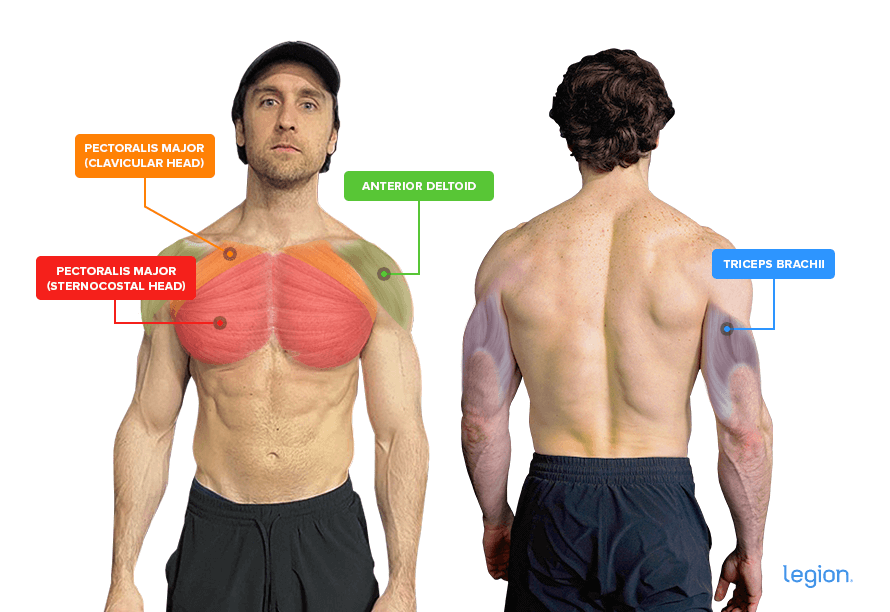
The upper pectorals get the most work during this exercise. The incline angle shifts the focus here. This helps develop a fuller, stronger upper chest. Building this area improves chest shape and strength.
Anterior Deltoids
The front shoulder muscles, called anterior deltoids, assist in the movement. They help lift the dumbbells upward. These muscles work hard to stabilize the shoulder joint. Strong deltoids support better pressing power.
Triceps Involvement
The triceps help extend the elbows during the press. They provide pushing force to lift the weights. This makes the triceps work alongside the chest and shoulders. Well-developed triceps improve overall upper body strength.
Common Mistakes To Avoid
Many people try the incline dumbbell press to build their chest. Yet, some common mistakes stop them from getting the best results. Avoiding these errors can help target the chest muscles better and prevent injuries.
Incorrect Bench Angle
Setting the bench at the wrong angle reduces chest activation. Too steep an incline shifts work to the shoulders. Too flat lowers chest involvement. Aim for a 30 to 45-degree angle. This angle balances shoulder and chest work well.
Elbow Positioning
Elbows that flare out too wide strain the shoulders. Keep elbows at about a 45-degree angle from the body. This position protects joints and helps focus on the chest. Avoid locking elbows at the top of the press.
Overloading Weight
Using too much weight hurts form and limits chest work. Heavy loads cause swinging and less muscle control. Choose a weight you can lift with good form. Controlled reps build the chest safely and effectively.
Incline Dumbbell Press Vs Other Chest Exercises
The incline dumbbell press targets the upper chest differently than other exercises. It adds variety and helps build a well-rounded chest. Comparing it to other chest workouts shows its unique benefits.
Each exercise hits the chest muscles in a distinct way. Understanding these differences helps in choosing the best routine for your goals.
Flat Bench Press Comparison
The flat bench press mainly works the middle chest. It allows lifting heavier weights with both arms moving together. This builds overall chest strength.
The incline dumbbell press focuses more on the upper chest. Using dumbbells increases the range of motion. It also improves muscle balance and coordination.
Incline Barbell Press Differences
The incline barbell press targets the upper chest like the dumbbell version. It lets you lift heavier weights but limits arm movement. The bar forces both arms to move together.
Dumbbells allow each arm to move independently. This can reduce muscle imbalances and increase stability muscles. The dumbbell press also feels more natural for some people.
Cable Fly Variations
Cable flys focus on chest muscle contraction and stretch. They work the chest differently than pressing movements. They help improve muscle shape and definition.
Incline cable flys target the upper chest similar to the dumbbell press. Cables keep constant tension throughout the movement. This can increase muscle engagement.
Pressing exercises build strength, while flys improve muscle control. Both are good for a balanced chest workout.
Credit: www.pwmachineservices.com
Programming For Maximum Gains
Programming your incline dumbbell press correctly boosts chest growth. A clear plan helps build strength and muscle size. Understanding sets, reps, frequency, and overload is key. These elements work together for the best results. Let’s explore how to program this exercise for maximum gains.
Optimal Sets And Reps
Perform 3 to 4 sets per session. Aim for 8 to 12 reps each set. This range targets muscle growth effectively. Use a weight that challenges you but allows good form. Rest 60 to 90 seconds between sets. Keep your movement controlled to engage chest muscles fully.
Frequency And Recovery
Train your chest 2 times per week. This frequency balances growth and rest well. Allow 48 to 72 hours of rest between sessions. Recovery is when muscles repair and grow. Avoid training chest on back-to-back days to prevent fatigue.
Progressive Overload Strategies
Increase the weight gradually over weeks. Add small increments to keep challenging your muscles. Another method: increase reps before adding weight. Track your progress to stay consistent. Progressive overload is essential for continuous improvement.
Supplemental Exercises
Supplemental exercises help target the chest muscles differently. They add variety and improve overall strength. These exercises support the incline dumbbell press for better chest development.
Dumbbell Flyes
Dumbbell flyes stretch and contract the chest muscles. They focus on the outer chest area. This exercise helps increase muscle size and shape. Use light to moderate weights for better control.
Push-ups Variations
Push-ups work the chest and arms without equipment. Different styles target different chest parts. Try incline, decline, or wide-arm push-ups to hit various angles. They improve endurance and muscle tone.
Chest Dips
Chest dips focus on the lower chest muscles. They also engage the shoulders and triceps. Lean forward slightly to emphasize the chest during dips. This exercise builds strength and muscle mass.

Credit: www.strengthlog.com
Injury Prevention Tips
Injuries can stop your progress and cause pain. Protect your chest and shoulders while doing the incline dumbbell press. Follow these injury prevention tips. They help keep you safe and strong.
Warm-up Routines
Start with light cardio to increase blood flow. Do arm circles and shoulder shrugs to loosen muscles. Use lighter weights before heavy sets. This prepares your chest and joints. Warm muscles reduce injury risk.
Joint Care Techniques
Keep your wrists and elbows stable during the press. Avoid locking your elbows at the top. Use a controlled motion to protect joints. Stretch your chest and shoulders after your workout. This improves flexibility and reduces stiffness.
Avoiding Overtraining
Give your muscles time to recover. Rest at least 48 hours between chest workouts. Too much training can cause pain and injury. Listen to your body. Stop if you feel sharp pain or discomfort.

Credit: www.dmoose.com
Frequently Asked Questions
Does Incline Dumbbell Press Target Upper Chest?
Yes, incline dumbbell press primarily targets the upper chest muscles. It emphasizes the clavicular head of the pectoralis major. This helps develop a fuller, more defined upper chest area effectively.
How Does Incline Dumbbell Press Differ From Flat Press?
Incline press focuses more on the upper chest and shoulders. Flat press evenly targets the entire chest. Incline press involves a bench set at 30-45 degrees, changing muscle activation patterns.
Can Incline Dumbbell Press Build Chest Size?
Incline dumbbell press can increase chest size by stimulating muscle growth. Consistent progressive overload and proper form are key for hypertrophy in the upper chest region.
Is Incline Dumbbell Press Better Than Barbell Press?
Incline dumbbell press offers a greater range of motion and balanced muscle development. Barbells allow heavier loads but limit individual arm movement. Both have unique benefits depending on goals.
Conclusion
The incline dumbbell press targets the upper chest effectively. It helps build strength and muscle shape. Using dumbbells allows a greater range of motion. This exercise complements other chest workouts well. Consistency and good form matter most for results. Try adding it to your routine regularly.
Small efforts lead to noticeable chest improvements. Keep your workouts balanced and avoid overtraining. The incline dumbbell press remains a solid choice for chest development.