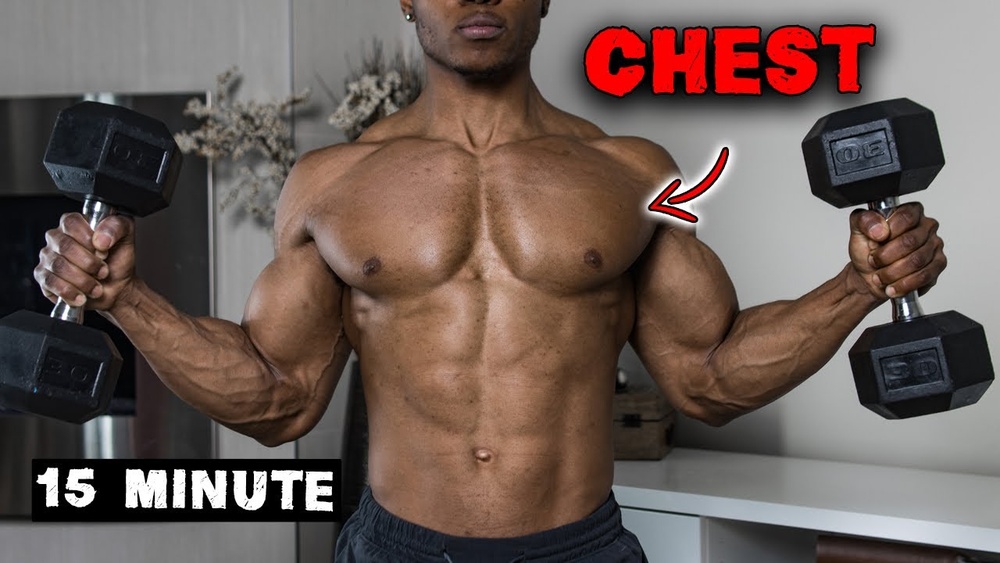
If you want to build a strong, well-defined chest but don’t have access to a gym, dumbbells are your best friend. With just a pair of dumbbells and the right moves, you can shape your chest muscles faster than you think.
Imagine seeing real changes in your chest—more strength, better posture, and a confident look that turns heads. You’ll discover simple yet powerful exercises that target every part of your chest. Ready to take control and transform your upper body? Keep reading, because your best chest workout starts here.
Benefits Of Dumbbell Chest Training
Dumbbell chest training offers unique benefits. It helps build strong, balanced chest muscles. Using dumbbells allows better control and more natural movement. This type of training fits all skill levels and goals.
Dumbbells let you work your chest muscles deeply and safely. They improve muscle activation, increase your range of motion, and help avoid imbalances. These benefits make dumbbell exercises a smart choice for chest workouts.
Improved Muscle Activation
Dumbbells require each side of your chest to work alone. This activates more muscle fibers than machines or barbells. Your muscles engage fully to stabilize the weights. This leads to stronger, more defined chest muscles.
Enhanced Range Of Motion
Dumbbells allow your arms to move freely. This increases the range of motion during exercises. A wider range means your chest muscles stretch and contract more. This helps build muscle faster and reduces injury risk.
Balanced Muscle Development
Dumbbells help fix muscle imbalances. Each side of your chest must work equally hard. This prevents one side from becoming stronger or bigger. Balanced muscles improve your posture and overall strength.
Essential Equipment And Setup
Building a strong chest with dumbbells starts with the right equipment and setup. Proper tools make workouts effective and safe. This section covers what you need before starting your chest exercises.
Choosing The Right Dumbbells
Select dumbbells that fit your strength and goals. Start with lighter weights to learn the movements. Adjustable dumbbells save space and allow weight changes. Check for comfortable grips to avoid hand strain. Choose dumbbells with flat edges to prevent rolling.
Bench Options For Chest Workouts
A sturdy bench supports your exercises well. Flat benches work for basic chest presses and flies. Incline benches target upper chest muscles. Adjustable benches give more workout variety. Ensure the bench is stable and does not wobble.
Safe Workout Environment
Clear space around your workout area to avoid accidents. Use a non-slip mat to keep the bench steady. Keep dumbbells organized to prevent tripping. Good lighting helps maintain correct form. Always warm up before lifting to reduce injury risk.
Key Dumbbell Exercises For Chest
Building a strong chest with dumbbells requires focus on key exercises. These moves target different parts of the chest muscles. This helps create balance and size. Dumbbells allow a full range of motion and better muscle activation. They also engage stabilizer muscles for improved strength.
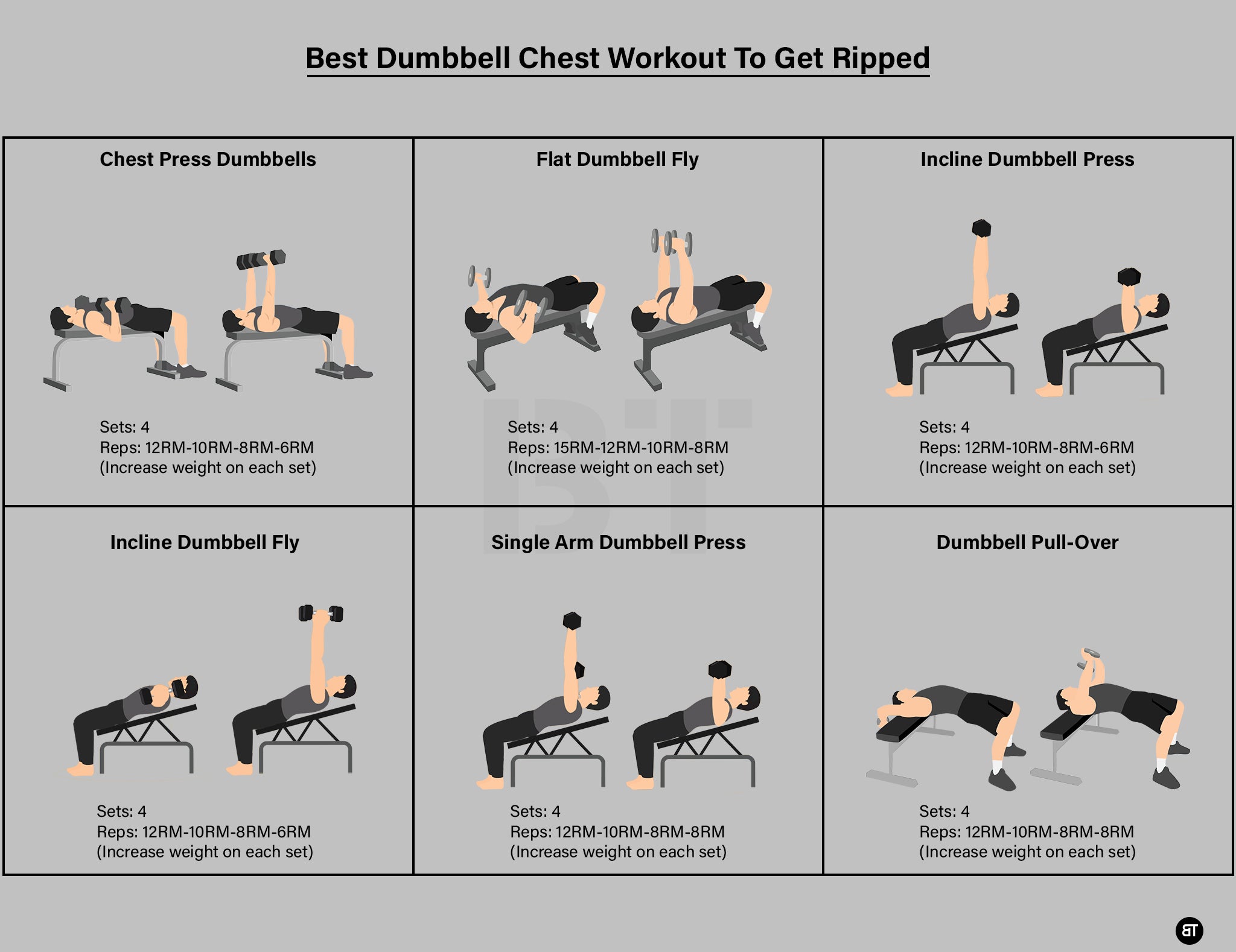
Here are some essential dumbbell exercises for chest development. Each targets the chest from a unique angle. Using these exercises regularly helps build a well-shaped chest.
Flat Dumbbell Press
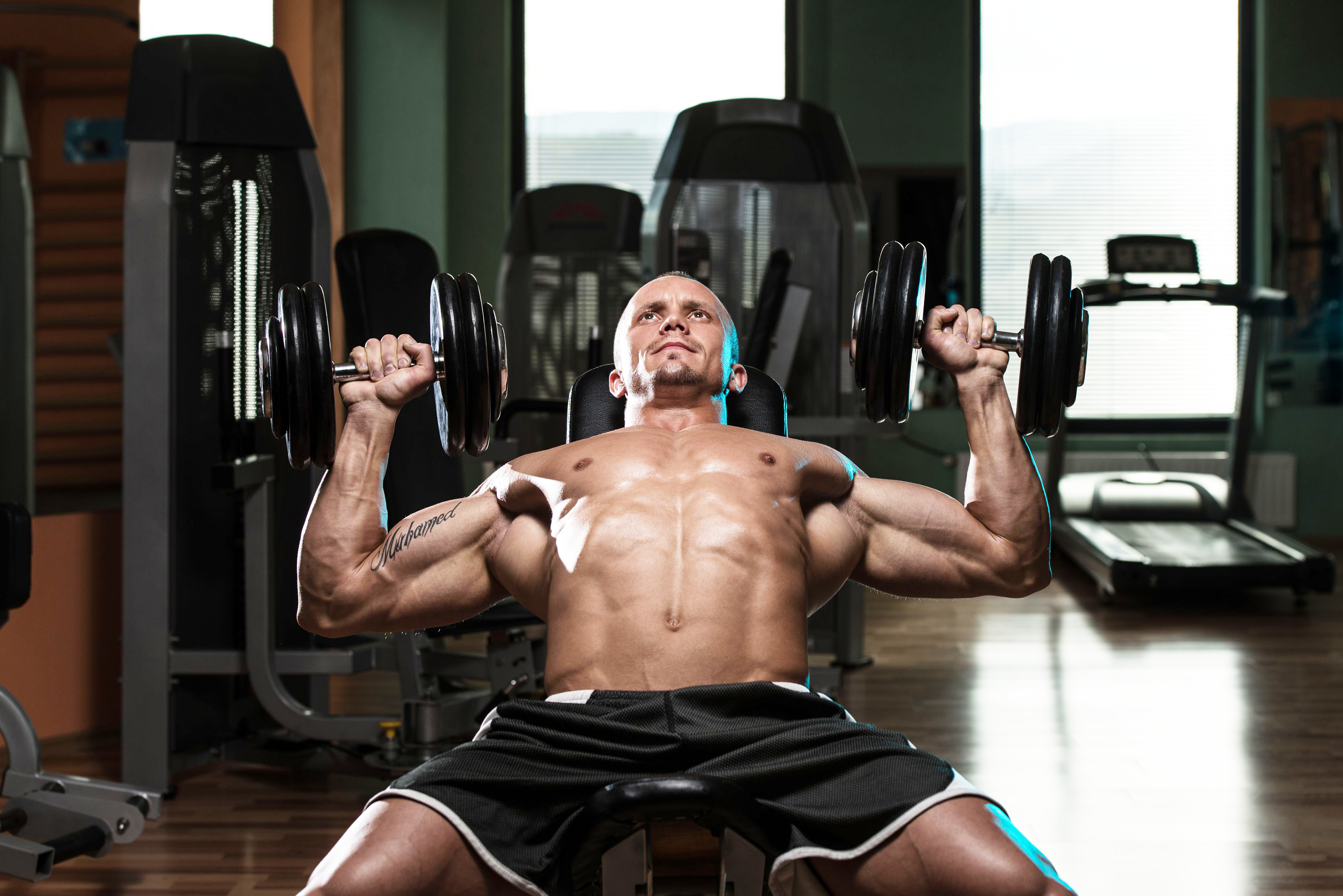
The flat dumbbell press is a basic chest builder. Lie on a flat bench with a dumbbell in each hand. Press the weights up until your arms are straight. Lower them slowly to chest level. This exercise works the middle chest and triceps. It also improves shoulder stability.
Incline Dumbbell Press
The incline dumbbell press focuses on the upper chest. Set the bench at a 30-45 degree angle. Press the dumbbells up while keeping your elbows at a 45-degree angle. This helps develop the upper chest muscles. It adds shape and fullness to the chest.
Dumbbell Flyes
Dumbbell flyes stretch and contract the chest muscles. Lie on a flat or incline bench with dumbbells in each hand. Keep a slight bend in your elbows. Open your arms wide, then bring the dumbbells together above your chest. This move targets the outer chest for width and definition.
Pullover Variations
Dumbbell pullovers work the chest and the rib cage muscles. Lie on a bench with one dumbbell held over your chest. Slowly lower the weight behind your head, then pull it back up. This exercise also helps expand the rib cage and improve breathing. It supports overall chest development.
Proper Form And Technique
Proper form and technique are essential for building chest muscles with dumbbells. Using correct form helps target the chest effectively. It also prevents injuries and improves workout results. Focus on your body position and movement during every set.
Small details in your grip, movement, and breathing make a big difference. Follow these tips to keep your form perfect and get the most from your chest exercises.
Grip And Wrist Position
Hold the dumbbells firmly but not too tight. Your wrists should stay straight, not bent, during the lift. Keep your palms facing forward or slightly angled, depending on the exercise. This position reduces strain on your joints. It also helps focus the effort on your chest muscles.
Controlled Movement
Move the dumbbells slowly and with control. Avoid dropping or swinging the weights. Lower the dumbbells until your elbows are at a 90-degree angle. Press the weights up steadily. Controlled motion increases muscle tension and growth. It also lowers the risk of injury.
Breathing Tips
Breathe out while pushing the dumbbells up. Breathe in as you lower them down. Proper breathing supports muscle effort and stability. It also helps you keep a steady rhythm. Never hold your breath during the exercise.
Structuring Your Chest Workout
Structuring your chest workout is important to build muscle safely and effectively. A good plan helps you target all parts of the chest. It also reduces the risk of injury and improves results. This section covers how to warm up, set reps and sets, and manage rest times.
Each part plays a role in making your workout balanced and productive. Follow these guidelines to get the most from your dumbbell chest exercises.
Warm-up Routines
Start with light cardio to increase blood flow. Jumping jacks or brisk walking for 5 minutes works well. Next, do dynamic stretches for your shoulders and chest. Arm circles and chest openers prepare your muscles. Finish with light dumbbell presses. Use low weight to activate the chest muscles.
Repetition And Set Guidelines
Choose a weight that challenges your muscles but allows good form. Aim for 8 to 12 repetitions per set. Complete 3 to 4 sets of each exercise. This range helps build muscle size and strength. Keep reps steady and controlled. Avoid rushing through the movements.
Rest And Recovery Between Sets
Rest for 60 to 90 seconds between sets. This time lets your muscles recover enough for the next set. Avoid resting too long or too short. Too little rest causes fatigue. Too much rest lowers workout intensity. Use the rest time to prepare mentally for the next set.

Credit: www.youtube.com
Progressive Overload Strategies
Progressive overload is key to building a stronger chest with dumbbells. It means gradually increasing the challenge to your muscles. This helps muscles grow and avoid plateaus. You can use different strategies to apply progressive overload safely and effectively. These strategies keep your workouts fresh and your chest muscles growing.
Increasing Weight Safely
Start with a weight that feels comfortable but challenging. Add small weight increments over time. This prevents injury and helps your muscles adjust. Use dumbbells with adjustable weights or add small plates. Avoid jumping to heavy weights too fast. Focus on form first. Proper form protects your joints and muscles.
Adjusting Volume And Intensity
Volume means the total number of sets and reps. Intensity is how hard each set feels. Increase volume by adding more sets or reps. Raise intensity by reducing rest time between sets. Try slower movements to make exercises harder. Change the angle of your chest press or fly to target muscles differently. These changes push your muscles more.
Tracking Progress
Keep a workout journal or use an app to track your exercises. Record weights, sets, and reps every session. Review your progress weekly to see improvements. Adjust your plan based on your progress. Tracking helps stay motivated and consistent. It also shows what strategies work best for your chest growth.
Common Mistakes To Avoid
Building a strong chest with dumbbells takes time and care. Avoiding common mistakes helps you get better results faster. These errors can slow progress and cause injuries. Pay attention to your form and routine. Small changes make a big difference.
Using Excessive Weight
Picking dumbbells that are too heavy harms your form. Your muscles may not work correctly. You risk injuries like strains or tears. Choose a weight you can control easily. Focus on slow and steady movements. Proper weight helps target chest muscles well.
Neglecting Full Range Of Motion
Stopping short during exercises limits muscle growth. Moving dumbbells through a full range stretches and works muscles fully. Partial motion wastes effort and time. Lower dumbbells until your chest feels a stretch. Press fully at the top. Full motion helps build size and strength.
Overtraining The Chest
Training your chest every day causes fatigue and soreness. Muscles need time to recover and grow. Overtraining leads to poor performance and injury risk. Give your chest at least 48 hours rest between workouts. Balance chest exercises with other muscle groups. Rest is key for real progress.
Credit: sertifiedconsult.com
Nutrition For Muscle Growth
Nutrition plays a key role in building chest muscles with dumbbells. Eating the right foods helps muscles repair and grow after workouts. Good nutrition gives the body energy to train harder and recover faster. Simple changes in diet can lead to better muscle gains and strength.
Protein Intake Recommendations
Protein is the building block of muscle. Aim for 1.2 to 2 grams of protein per kilogram of body weight daily. Choose lean sources like chicken, fish, eggs, and beans. Protein shakes can help meet daily needs if whole foods are not enough.
Meal Timing
Eating protein throughout the day supports constant muscle repair. Have a protein-rich meal or snack every 3 to 4 hours. Consuming protein after dumbbell workouts helps jumpstart muscle recovery. A balanced meal with carbs and protein post-workout fuels growth.
Supplements To Consider
Supplements can support muscle building but are not required. Whey protein powder is a convenient source of protein. Creatine may improve strength and muscle gains. Always choose trusted brands and consult a doctor before starting supplements.
Incorporating Rest And Recovery
Rest and recovery play a key role in building a strong chest with dumbbells. Muscles need time to heal and grow after workouts. Without proper rest, progress slows and risk of injury rises.
Incorporating rest days and recovery methods helps muscles repair. This keeps your chest workouts effective and safe. Understanding how to recover well boosts your muscle gains.
Importance Of Sleep
Sleep is the top recovery tool for muscle growth. Your body releases growth hormones during deep sleep. These hormones fix muscle fibers damaged during exercise.
Aim for 7 to 9 hours of sleep every night. Poor sleep can reduce strength and delay muscle repair. Good rest improves energy and focus for your workouts.
Active Recovery Techniques
Active recovery means gentle movement on rest days. Light walking or stretching helps blood flow to muscles. This speeds up healing and reduces soreness.
Try low-intensity activities like yoga or swimming. These keep muscles loose without causing more damage. Active recovery supports steady progress in chest training.
Avoiding Injury
Rest helps prevent injuries during dumbbell workouts. Overworking chest muscles can cause strains or tears. Listen to your body and stop if you feel sharp pain.
Include warm-up and cool-down routines in your sessions. Stretch tight muscles and avoid sudden heavy lifts. Staying injury-free ensures long-term gains and workout consistency.
Credit: www.posudaeuro-market.ru
Frequently Asked Questions
What Are The Best Dumbbell Exercises For Chest Growth?
Effective exercises include dumbbell bench press, dumbbell flyes, and dumbbell pullover. These target the chest muscles well. Incorporate various angles for balanced development. Consistency and proper form maximize muscle growth and strength gains.
How Often Should I Train My Chest With Dumbbells?
Train your chest 2 to 3 times per week with dumbbells. Allow at least 48 hours for muscle recovery. Consistent training combined with rest promotes muscle growth and prevents injury.
Can Dumbbells Build A Bigger Chest Faster Than Machines?
Dumbbells engage stabilizing muscles more than machines. They allow a natural range of motion. This promotes balanced muscle growth and strength. While machines are useful, dumbbells often deliver faster, functional chest development.
How Many Sets And Reps Build Chest Muscle With Dumbbells?
Perform 3 to 4 sets of 8 to 12 reps for muscle growth. Use a weight that challenges you by the last rep. Proper form and gradual weight increase are key to progress.
Conclusion
Building a strong chest with dumbbells takes time and effort. Stick to a regular workout routine. Focus on good form to avoid injuries. Use different exercises to target all chest muscles. Increase weights gradually to see steady progress. Rest well to help your muscles grow.
Stay patient; results will come with consistency. Enjoy the process and celebrate small gains. Your chest will get stronger and more defined. Keep pushing forward, one dumbbell at a time.