You want to keep your bike safe every time you leave it unattended. But do you really know how to lock into a bike rack the right way?
A simple mistake can make your bike an easy target for thieves. You’ll discover easy steps that protect your bike better than you ever thought possible. By the end, you’ll feel confident locking your bike quickly and securely, no matter where you are.
Ready to make your bike theft-proof? Let’s get started.
Credit: transportation.wwu.edu
Choosing The Right Bike Rack
Selecting the right bike rack is important for keeping your bike safe. A good rack makes locking your bike easier and more secure. It also protects your bike from damage and theft. Consider the type, material, and location before choosing a rack.
Types Of Bike Racks
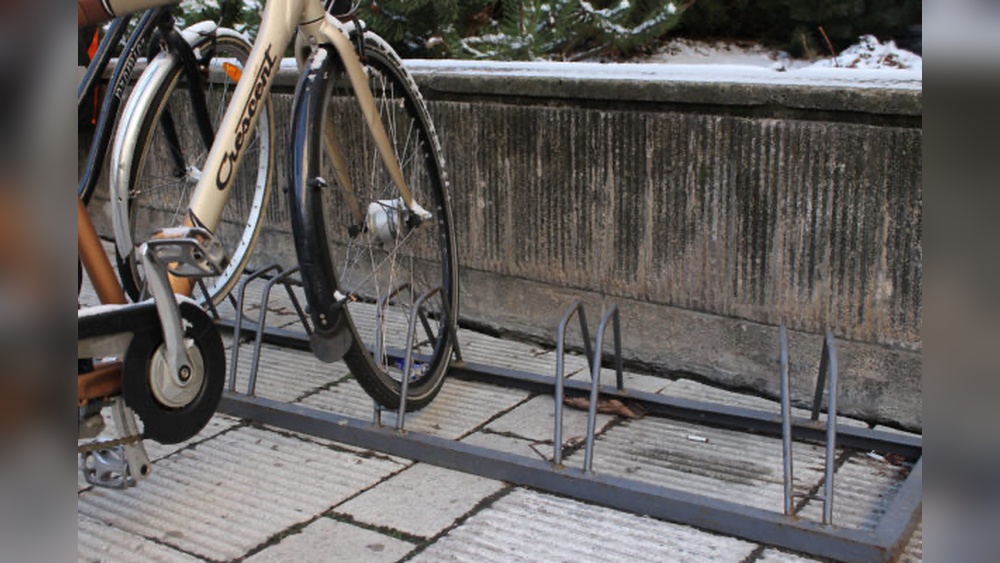
Bike racks come in many styles. U-racks are common and allow you to lock the frame and wheels. Wheel racks hold the bike by one wheel but may not be as secure. Wall-mounted racks save space and keep bikes off the ground. Choose a style that fits your space and bike type.
Materials And Durability
Durable materials last longer and resist damage. Steel racks are strong and hard to break. Aluminum racks are lighter but less sturdy. Look for racks with rust-resistant coatings. A strong rack protects your bike better in all weather.
Location And Accessibility
Place the rack where it is visible and easy to reach. Busy, well-lit areas reduce theft risk. Avoid hidden or dark spots. Make sure the rack fits your bike size and allows secure locking. Good location helps keep your bike safe and easy to lock.
Selecting A Strong Lock
Choosing the right lock for your bike rack is key to keeping your bike safe. A strong lock acts as a solid barrier against thieves. It must be tough enough to resist cutting or picking. Understanding different lock types helps you pick the best one for your needs.
U-locks Vs Cable Locks
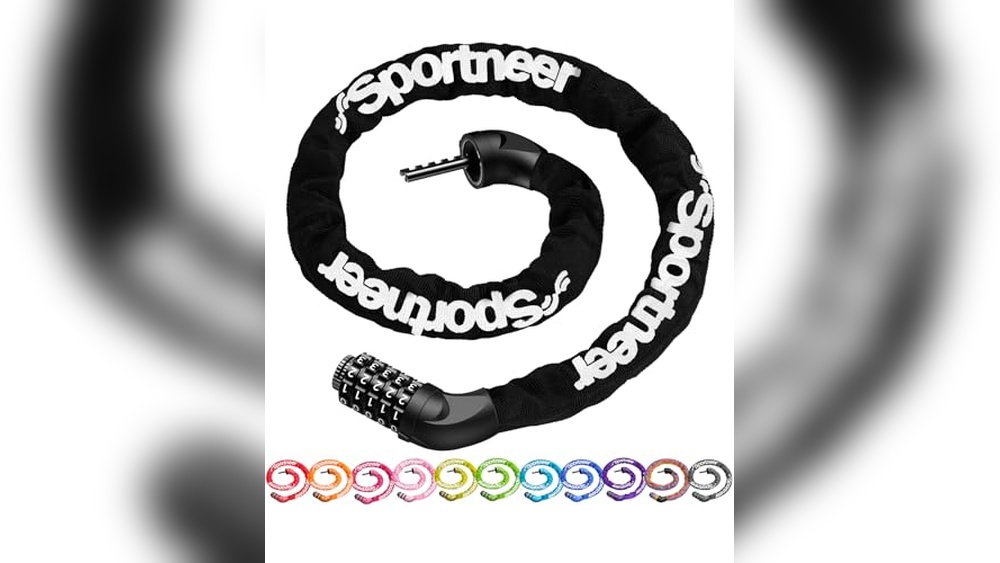
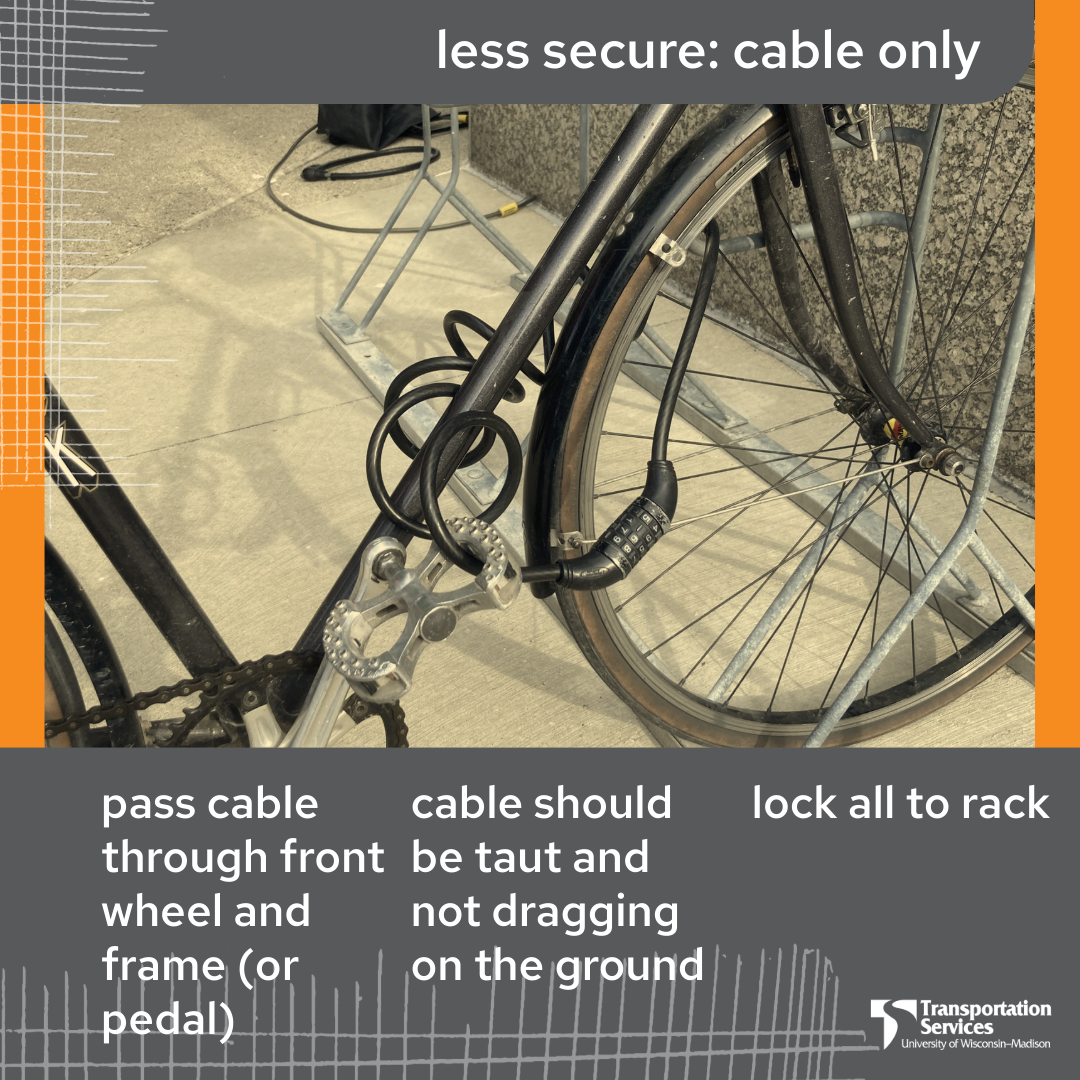
U-locks are made of hardened metal and have a solid shape. They offer high protection and are hard to break. Cable locks are flexible and lightweight but easier to cut. Use U-locks for better security and cable locks for quick stops or extra locking points.
Lock Size And Thickness
Thicker locks resist cutting tools better. A lock should be just large enough to fit around your bike frame and the rack. Too big a lock lets thieves use leverage to break it. Pick a size that fits snugly without leaving much space.
Additional Security Features
Look for locks with anti-pick mechanisms and double locking bolts. Some locks have protective coatings to prevent rust. Keys with unique patterns add extra security. These features help keep your bike safer over time.
Preparing Your Bike For Locking
Preparing your bike for locking is an important step to keep it safe. Proper preparation makes theft harder. It also protects your bike parts from damage. Spend a few moments before locking your bike. This small effort improves security and peace of mind.
Removing Accessories
Take off any removable accessories. Items like lights, bags, or GPS devices should be carried with you. Leaving them on can make your bike a target. Thieves often look for easy-to-take items. Keeping accessories with you reduces risk.
Positioning Your Bike
Place your bike close to the rack. Position it so the frame and wheels touch the rack. Avoid leaving space for tools or hands to slip in. Make sure the bike stands steady without leaning too much. A well-positioned bike is harder to steal.
Securing Wheels And Frame
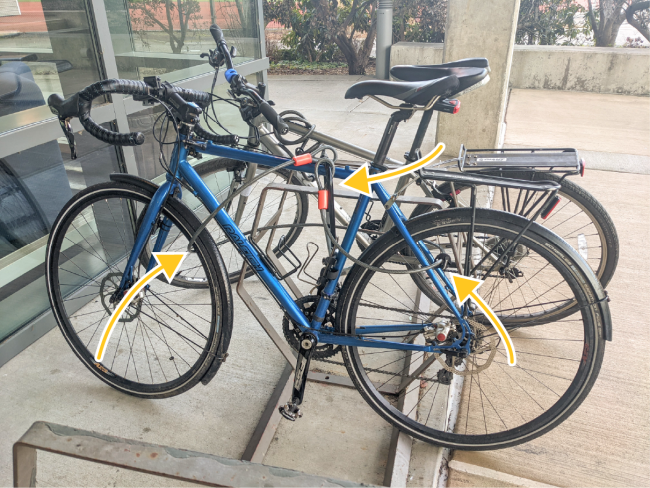
Lock both the frame and at least one wheel. Use a strong lock that fits snugly around them. This blocks thieves from removing wheels or the frame easily. If possible, use a second lock for the other wheel. Secure your bike tightly for the best protection.
Credit: www.reddit.com
Effective Locking Techniques
Effective locking techniques keep your bike safe from theft. Proper locking reduces risks and protects your investment. Use the best methods to lock your bike securely every time.
Locking The Frame
Always lock the frame to the bike rack. The frame is the strongest part of the bike. Use a sturdy lock that fits around the frame and rack. Locking only the wheel leaves the frame vulnerable.
Securing Both Wheels
Both wheels are easy targets for thieves. Secure the front and rear wheels with locks or cables. Use a lock that fits through the wheel spokes and frame. This stops thieves from stealing wheels separately.
Using Multiple Locks
Using more than one lock adds extra security. Combine a U-lock with a cable lock for better protection. One lock secures the frame; the other secures wheels. Thieves avoid bikes with multiple locks because they take longer to break.
Tips For Parking In Different Environments
Parking your bike safely depends on the environment. Each place has its own challenges and risks. Knowing how to lock your bike in different spots helps keep it secure. Follow these tips for various locations.
Urban Areas
Choose a busy, well-lit area to park your bike. Avoid dark or hidden spots. Use a strong U-lock to secure both the frame and one wheel. Lock your bike to a fixed, sturdy rack or pole. Remove any quick-release accessories like lights or seats. Check the rack for damage before locking. A solid rack means less risk of theft.
Public Transit Stations
Park your bike close to station entrances or busy walkways. Transit stations have many people, which helps deter thieves. Use a high-quality lock and secure the frame and wheel. Avoid parking near isolated or poorly maintained racks. If possible, use a covered or monitored bike parking area. Always double-check your lock before leaving.
Workplaces And Schools
Find designated bike racks on campus or near your office. These areas often have more security or cameras. Use two locks if possible—one for the frame, one for wheels. Park near entrances or areas with regular foot traffic. Avoid leaving your bike in the same spot every day. Change locations to reduce risk. Keep your bike clean and well-maintained to spot any damage quickly.
Common Mistakes To Avoid
Locking your bike properly is key to keeping it safe. Many people make simple mistakes that put their bike at risk. These errors can make theft easier and cause frustration. Avoiding common pitfalls helps protect your bike better.
Weak Lock Placement
Placing the lock in the wrong spot makes it easy to break. Always lock through the bike frame, not just the wheel. Lock the frame and wheel to the rack. Avoid locking only the front wheel or seat. Weak placement invites thieves to steal parts or the whole bike.
Ignoring Rack Quality
Using a poor-quality rack is a big mistake. Some racks are easy to cut or move. Choose racks that are firmly fixed to the ground. Check if the rack is strong and stable. A solid rack adds extra security to your bike lock.
Leaving Bikes Unattended
Leaving your bike unattended for long periods is risky. Thieves watch for bikes left alone. Avoid leaving your bike in isolated or dark areas. Stay near your bike when possible. Quick attention lowers the chance of theft.
Maintaining Your Lock And Bike Rack
Maintaining your lock and bike rack keeps your bike safe and extends their life. Regular care prevents rust and damage. It also helps your lock work smoothly every time.
Regular Lock Inspection
Check your lock often for signs of wear or damage. Look for cracks, rust, or anything that feels loose. Test the lock by opening and closing it several times. Spotting problems early helps avoid lock failure.
Cleaning And Lubrication
Clean your lock and bike rack regularly to remove dirt and grime. Use a soft brush or cloth for cleaning. Apply a small amount of lubricant to the lock’s keyhole and moving parts. This keeps the lock working smoothly and stops it from sticking.
Upgrading Security Over Time
Replace old or weak locks with stronger models as needed. Consider locks with better materials or advanced designs. Update your bike rack if it becomes unstable or damaged. Better security reduces the risk of theft.
Credit: transportation.wisc.edu
Frequently Asked Questions
How Do I Securely Lock My Bike To A Rack?
Use a sturdy U-lock or heavy-duty chain lock. Lock through the bike frame and the rack. Avoid locking only the wheel. Ensure the lock is tight and off the ground to prevent leverage attacks.
What Type Of Lock Is Best For Bike Racks?
U-locks and heavy-duty chain locks offer the best security. Cable locks are less secure but useful for quick stops. Choose locks made from hardened steel to resist cutting or breaking.
Where Should I Position My Bike On The Rack?
Position your bike close to the rack’s main frame. Lock the frame and one wheel to the rack. Avoid leaving space for tools to pry the lock. Position the lock so it faces downward if possible.
Can I Lock Both Wheels To The Bike Rack?
It’s best to lock the frame and one wheel. Use a second lock for the other wheel if possible. This prevents thieves from stealing parts. Prioritize locking the frame securely to the rack first.
Conclusion
Securing your bike to a rack is simple and smart. Always choose a sturdy lock and a strong rack. Lock both the frame and one wheel for better safety. Make sure the lock is tight and hard to remove. Avoid leaving your bike in poorly lit or isolated places.
Regularly check your lock for damage or wear. Small steps can help keep your bike safe every day. Stay mindful and protect your ride with these easy tips.