
You’ve got your bike, and now you need to leave it safe. But what do you do when there’s no bike rack around?
Locking your bike without a proper rack can feel tricky and risky. You want to protect your ride from theft without spending extra money or time searching for a spot. In this guide, you’ll discover simple, effective ways to lock your bike securely—no bike rack needed.
Keep reading to learn smart tips that keep your bike safe wherever you go.
Credit: transportation.wisc.edu
Choosing The Right Lock
Choosing the right lock is key for keeping your bike safe without a bike rack. The lock you pick must fit your needs and the places where you park your bike. Not all locks offer the same protection or ease of use. Understanding the main types and their features helps you make a smart choice.
Types Of Bike Locks
U-locks are solid and hard to break. They work well against cutting tools. Cable locks are light and flexible but less strong. Chain locks are heavy but very strong if made of thick metal. Folding locks fold into a small shape for easy carry. Each type suits different situations.
Lock Strength And Durability
Strong locks resist cutting, picking, and pulling. Look for locks made of hardened steel. Avoid cheap locks with thin cables or weak joints. Check if the lock has good reviews for security. Durable locks last longer and protect your bike better.
Portability Vs Security
Some locks are easy to carry but less secure. Heavy locks offer more protection but can be hard to carry. Choose a lock that balances strength with how much you want to carry. Think about your daily routes and how long your bike stays locked.
Credit: transportation.wisc.edu
Selecting Secure Locking Points
Selecting secure locking points is vital when no bike rack is nearby. The right spot keeps your bike safe from theft. Understanding where to lock your bike helps avoid common risks.
Focus on solid, fixed objects that cannot move or break easily. Use urban fixtures designed to hold items safely. Avoid weak anchors that can be cut or removed quickly.
Identifying Fixed Objects
Look for objects firmly attached to the ground or wall. Examples include metal poles, street signs, and sturdy fences. These fixed points do not shift or loosen.
Check the object’s base to ensure it is bolted or cemented. Avoid objects that wobble or seem unstable. A strong locking point reduces chances of theft.
Avoiding Weak Or Movable Anchors
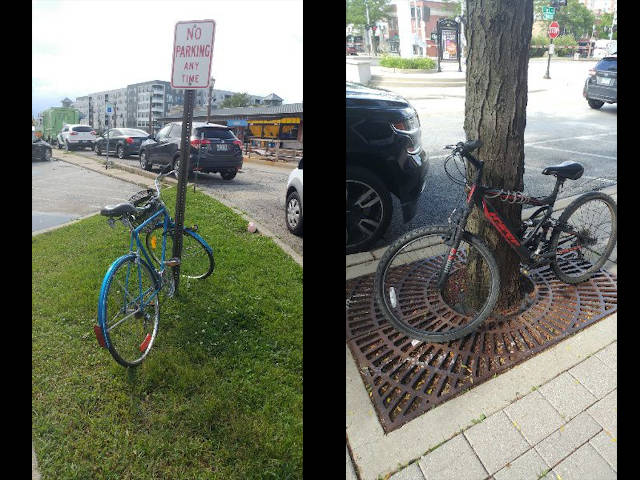
Do not use thin posts, plastic barriers, or wooden fences. These can break or be lifted easily. Avoid objects that appear loose or damaged.
Steer clear of items that thieves might cut or remove fast. A weak anchor makes locking your bike pointless. Always test the firmness before securing your bike.
Using Urban Fixtures Safely
Some urban fixtures are designed for public use and are safe. Bike-friendly posts or dedicated rings are good choices. Avoid locking to objects that might be removed by authorities.
Lock your bike so both frame and wheels are secured. Keep the lock off the ground to avoid tampering. Using urban fixtures correctly protects your bike effectively.
Locking Techniques Without A Rack
Locking a bike without a rack can be tricky but very possible. The right techniques keep your bike safe from thieves. Focus on securing the most valuable parts and making theft difficult.
Frame And Wheel Securing Methods
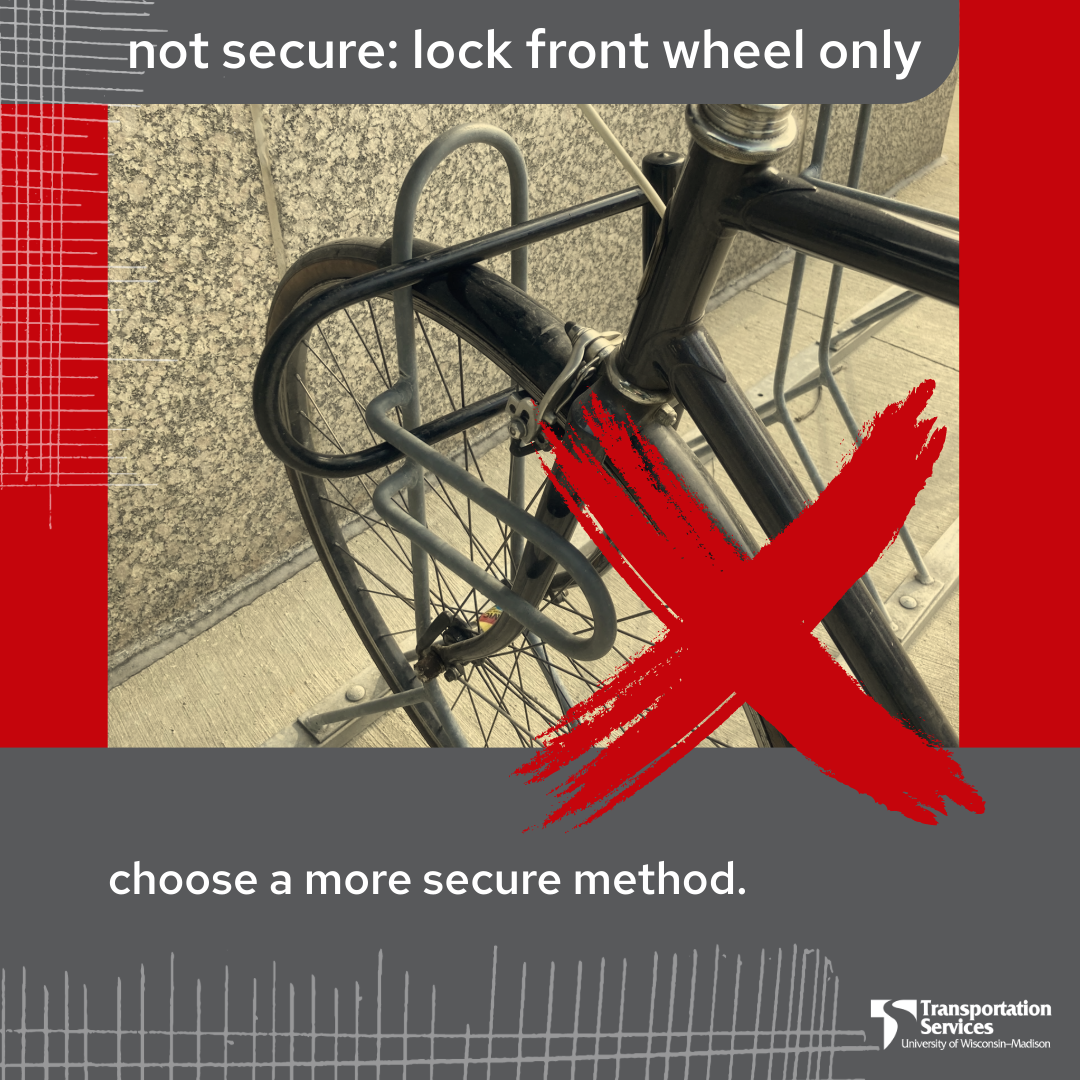
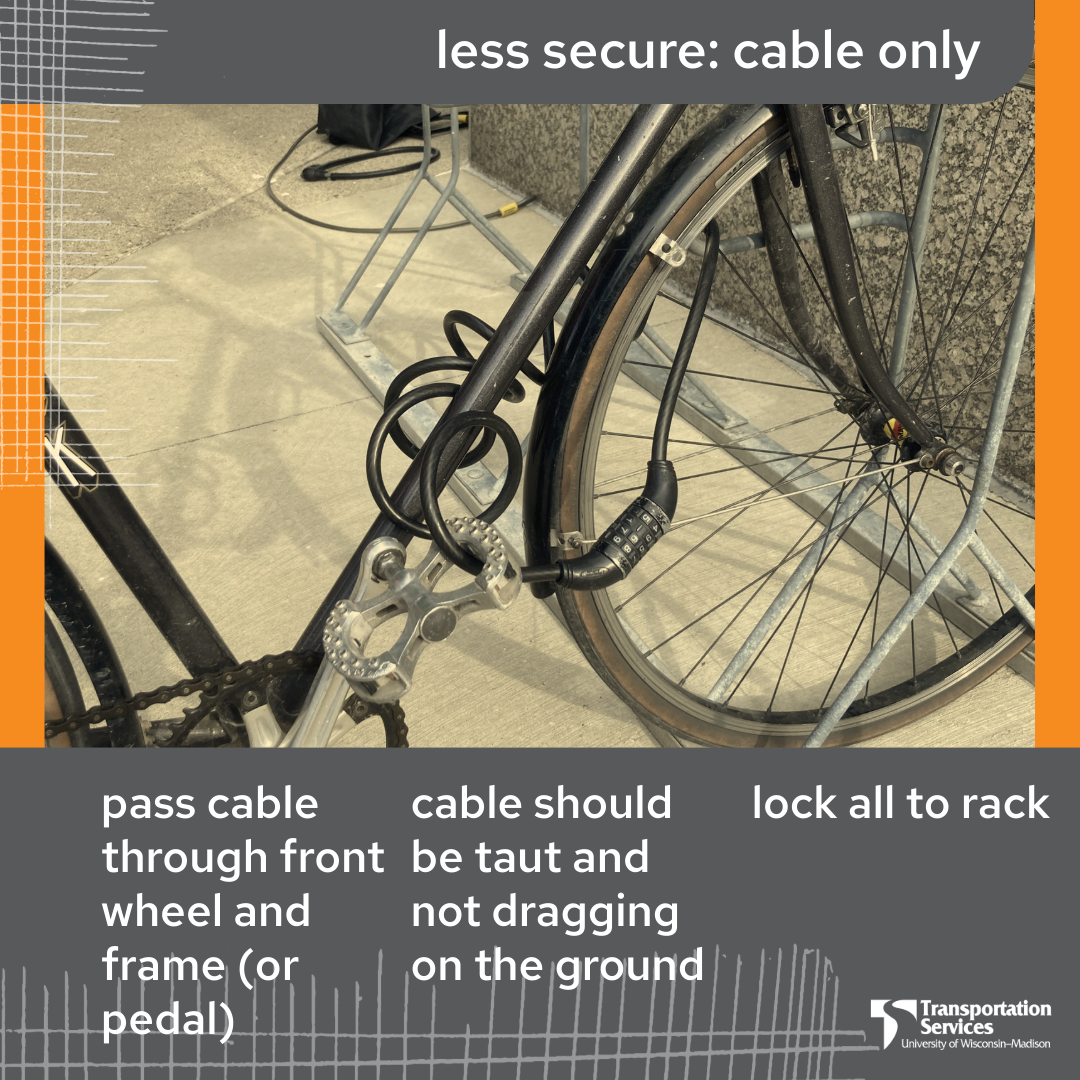
Always lock the frame first. The frame is the main part of the bike and the hardest to replace. Use a sturdy lock to secure the frame to a fixed object like a pole or fence. Next, lock at least one wheel. Wheels are easy targets for thieves. Use a cable lock or a second lock to secure the wheel to the frame. This stops quick wheel theft.
Using Multiple Locks
Two locks are better than one. Use a U-lock for the frame and a cable lock for the wheels. This makes stealing your bike more difficult and time-consuming. Thieves often avoid bikes with multiple locks. Choose locks that are strong but light enough to carry. Multiple locks add layers of security.
Positioning To Prevent Theft
Position your bike in a busy or well-lit area. Thieves avoid crowded places. Lock the bike as high off the ground as possible. This makes it harder to lift or break. Avoid soft or weak objects like trees or thin poles. Use solid, fixed objects that cannot be moved or cut easily.
Additional Security Measures
Keeping your bike safe without a bike rack needs more than just a lock. Thieves often target easy spots and visible accessories. Taking extra steps can protect your bike better.
Removing Accessories
Take off items like lights, bags, and water bottles. These parts are easy to steal and replace. Keep them with you to avoid losing them. Removing accessories makes your bike less attractive to thieves.
Registering Your Bike
Register your bike with local or national bike registries. This links your bike to your name and address. It helps police return your bike if it gets stolen. Registration adds an official layer of protection.
Using Gps Trackers
GPS trackers help locate your bike if stolen. Small devices attach discreetly under the seat or frame. You can track your bike’s location using a smartphone app. This technology increases your chance of recovery.
Location And Timing Tips
Choosing the right place and time to lock your bike can protect it from theft. This is very important when you do not have a bike rack. Smart choices lower risks and keep your bike safe.
Choosing Well-lit Areas
Bright places help stop thieves. Light shows your bike and makes thieves nervous. Pick spots near street lamps or open shops. Avoid dark corners or shadowy areas. Well-lit areas give your bike more safety.
Avoiding Isolated Spots
Empty, quiet spots are risky. Thieves like hidden places to work without being seen. Choose busy areas with many people around. Crowds and traffic help protect your bike. Stay away from alleys or empty parking lots.
Timing Your Parking
Time matters for bike safety. Park your bike during busy hours. Morning or early evening are good times. Avoid late night or very early hours. Thieves work best when few people are around. Plan your parking to match safer times.
Credit: roadbikebasics.com
Frequently Asked Questions
How Can I Lock My Bike Without A Bike Rack?
You can lock your bike to sturdy objects like poles, fences, or benches. Use a strong U-lock or chain lock for security. Make sure to secure both the frame and wheels to prevent theft.
What Are The Best Locks For Securing A Bike?
U-locks and heavy-duty chain locks are the most secure options. They resist cutting and leverage attacks better than cable locks. Choose locks with high security ratings for maximum protection.
Where Should I Lock My Bike If No Rack Is Available?
Look for fixed, immovable objects like street signs, lamp posts, or bike stands. Avoid locking to objects that can be easily broken or removed. Always pick well-lit, busy areas to deter thieves.
How Do I Protect My Bike Wheels When No Rack Is Present?
Use a second lock or a cable lock to secure wheels separately. Lock the front and rear wheels to the frame if possible. Quick-release wheels should be secured to prevent easy theft.
Conclusion
Securing your bike without a rack is simple with the right steps. Find a strong, fixed object to lock your bike. Use a good lock and secure both the frame and wheels. Always double-check your lock before leaving. These small actions help keep your bike safe.
Stay alert and choose busy, well-lit spots. Protect your bike and enjoy peace of mind wherever you go.


