Have you ever picked up a dumbbell bar and wondered, “How much does this really weigh?” Knowing the exact weight of your dumbbell bar can make a big difference in your workout. It helps you track progress, avoid injury, and plan your exercises better.
You’ll discover the typical weights of different dumbbell bars and why it matters for your fitness goals. Keep reading to make sure every lift counts and you get the most from your training sessions.
Credit: www.tworepcave.com
Dumbbell Bar Basics
Dumbbell bars are the basic part of any dumbbell set. They hold the weight plates and let you lift safely. Knowing their weight helps you plan your workout better. These bars come in different types. Each type has its own weight and size.
Understanding dumbbell bars helps you choose the right one. This knowledge also improves your training results. Let’s explore the basic facts about dumbbell bars.
Standard Weight Range
Dumbbell bars usually weigh between 2 to 5 pounds. Most common bars weigh about 2.5 pounds. Some heavy-duty bars can weigh up to 5 pounds. The bar’s weight adds to your total lifting load. Knowing this helps you track your progress well.
Materials And Construction
Dumbbell bars come in steel, chrome, or sometimes plastic-coated steel. Steel bars are strong and long-lasting. Chrome bars look shiny and resist rust. Plastic-coated bars offer a better grip and protect floors. The material affects the bar’s weight and feel.
Common Sizes And Lengths
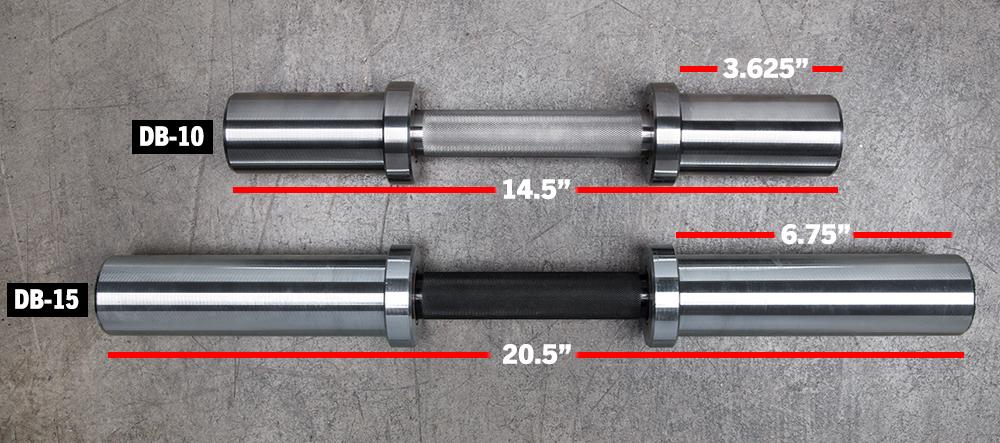
Typical dumbbell bars range from 14 to 18 inches long. Shorter bars are easier to handle for beginners. Longer bars can hold more weight plates. The thickness of the bar is also important. A thicker bar offers a better grip for larger hands.
Types Of Dumbbell Bars
Dumbbell bars come in different types. Each type has its own weight and design. Knowing the types helps you choose the right bar for your workout.
The weight of the dumbbell bar itself adds to the total weight you lift. This is important for accurate tracking of your progress. Let’s explore the main types of dumbbell bars.
Standard Bars
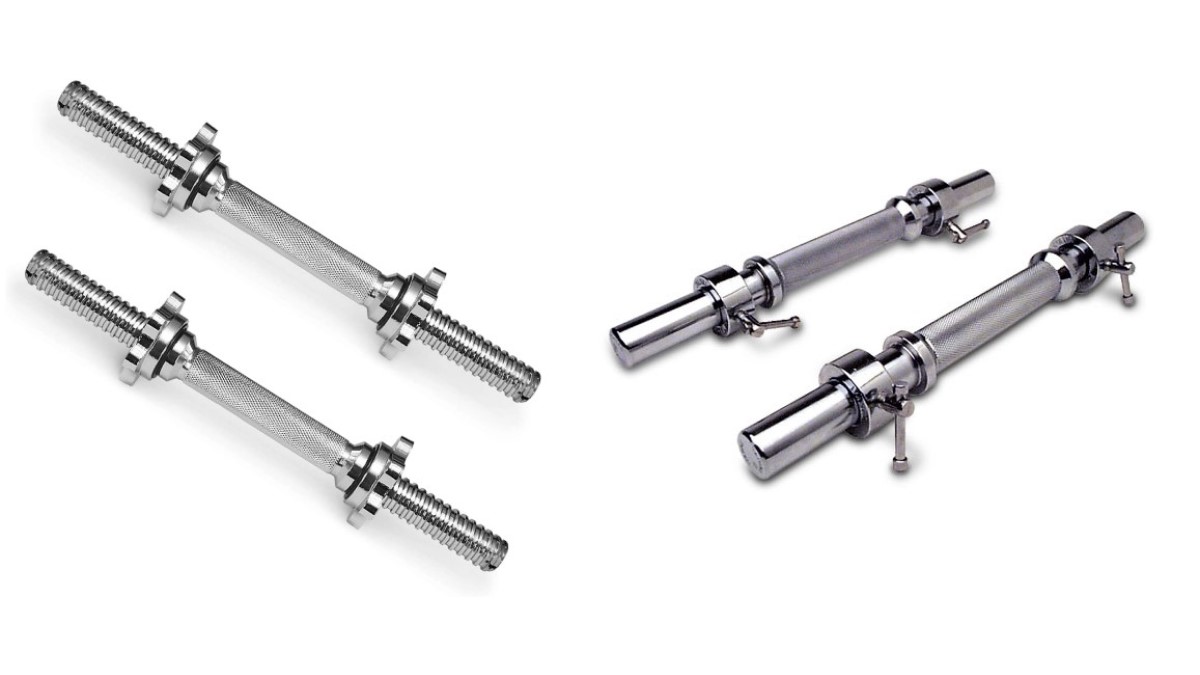
Standard bars are the most common type. They usually weigh around 2 to 5 pounds. These bars fit smaller weight plates. They have a simple design with a fixed length. Standard bars are perfect for beginners and light workouts.
Olympic Bars
Olympic bars are heavier and stronger. They typically weigh about 5 to 7 pounds. These bars are longer and thicker. They can hold larger weight plates. Olympic bars are great for serious lifters and heavy training. They often have rotating sleeves for smooth movement.
Adjustable Bars
Adjustable bars let you change the length and weight. You can add or remove collars and plates. These bars vary in weight, usually between 3 to 6 pounds. Adjustable bars offer flexibility for different exercises. They are ideal for home gyms with limited space.
Factors Affecting Dumbbell Bar Weight
The weight of a dumbbell bar can vary widely. Several key factors influence this weight. Understanding these helps you choose the right bar for your workouts.
Each factor changes the feel and balance of the dumbbell. Knowing them improves your lifting experience and safety.
Material Density
Dumbbell bars are made from different materials. Steel is common and very dense. It makes the bar heavier and stronger.
Aluminum bars weigh less because aluminum is lighter. Plastic or rubber coatings also add slight weight.
The type of metal or coating affects the total bar weight.
Bar Length
Longer bars weigh more due to extra material. Short bars are lighter and easier to handle.
Length depends on the number of plates the bar must hold. Home dumbbells tend to be shorter.
Gyms often use longer bars for more weight capacity.
Sleeve Design
Sleeves hold the weight plates on the bar ends. Some sleeves are thick and solid, adding weight.
Others use hollow or lightweight materials to reduce bar weight. Sleeves with locking mechanisms may weigh more.
The design and material of sleeves influence the dumbbell bar weight too.
Weighing Your Dumbbell Bar
Knowing the exact weight of your dumbbell bar is important for effective workouts. It helps you track progress and avoid injury. There are simple ways to weigh your dumbbell bar. You can use tools or estimate without any equipment. Both methods give a good idea of your dumbbell’s weight.
Let’s explore how to weigh your dumbbell bar accurately and easily.
Using A Scale
The easiest way to weigh your dumbbell bar is with a scale. Place the bar on a flat, stable surface. Use a bathroom or kitchen scale for best results. Make sure the scale can handle the bar’s weight. Read the number carefully and note it down.
This method gives the most accurate weight. It works well for all types of dumbbell bars. Digital scales are better because they show exact numbers.
Estimating Weight Without Tools
You can guess the weight without a scale by feeling the bar. Most standard dumbbell bars weigh between 2 to 5 pounds. Compare the bar to something familiar, like a bag of sugar or a book. This helps you estimate more closely.
Check the bar’s size and material. Metal bars are heavier than plastic or foam. Manufacturers often list the weight on the packaging or online. Use this info to make a better guess.
Impact Of Bar Weight On Workouts
The weight of a dumbbell bar plays a big role in your workouts. It affects how hard exercises feel and how well you perform them. The right bar weight helps you train more effectively and avoid injuries. Understanding this impact helps you choose the best weight for your goals.
Using a bar that is too heavy can slow down your movements and reduce your control. A bar that is too light may not challenge your muscles enough. Finding the right balance helps you get the most from every set.
Exercise Performance
The bar weight changes how you lift and how many reps you can do. A heavier bar makes muscles work harder and builds strength faster. A lighter bar allows faster, smoother movements and helps improve endurance.
Correct bar weight lets you keep good form. It also helps you complete more reps without feeling too tired. This leads to better workout results over time.
Safety Considerations
Choosing the right bar weight reduces the risk of injury. A bar that is too heavy can cause poor form or muscle strain. A bar that is too light may cause you to use wrong muscles or move too fast.
Always check the bar weight before starting. Use weights that match your strength and skill level. This keeps your workout safe and effective.
Credit: www.tworepcave.com
Choosing The Right Dumbbell Bar
Picking the right dumbbell bar makes your workouts safer and more effective. The bar’s weight adds to your total lifting weight. Choosing a bar that fits your needs helps you progress steadily. It also prevents injuries and discomfort during exercise.
Several factors affect your choice. Focus on your fitness level, plate compatibility, and budget. These help you find a bar that suits your workouts and lasts long.
Matching Your Fitness Level
Select a bar weight that matches your strength. Beginners should start with lighter bars for better control. Experienced lifters can choose heavier bars to challenge themselves. The right weight helps maintain good form and avoid strain.
Compatibility With Plates
Check if the bar fits standard or Olympic plates. Standard bars usually hold smaller plates and weigh less. Olympic bars are thicker and hold larger plates. Using compatible plates ensures a secure fit and safe lifting.
Budget And Durability
Consider how much you want to spend on a dumbbell bar. Cheaper bars may wear out quickly or bend under pressure. Investing in a durable bar saves money over time. Look for bars made from strong steel with good finish quality.

Credit: barbellstandard.com
Frequently Asked Questions
How Much Does A Standard Dumbbell Bar Weigh?
A standard dumbbell bar typically weighs around 2 to 5 pounds (0. 9 to 2. 3 kg). Weight varies by material and length. Knowing this helps accurately track your total lifting weight.
Are Olympic Dumbbell Bars Heavier Than Standard Bars?
Yes, Olympic dumbbell bars usually weigh more, around 7 to 10 pounds (3. 2 to 4. 5 kg). They are designed for heavier weights and better grip.
Does The Dumbbell Bar Weight Affect Workout Results?
Yes, the bar’s weight adds to total load, influencing muscle strength and growth. Accurate weight measurement ensures proper workout intensity.
Can Dumbbell Bar Weight Vary By Brand?
Yes, different brands produce bars with slight weight variations. Always check product specifications for precise dumbbell bar weight before purchase.
Conclusion
Dumbbell bar weights vary depending on size and type. Most standard bars weigh between 2 to 5 pounds. Knowing the bar’s weight helps track your total lifting load. This information improves workout accuracy and safety. Choose the right bar for your strength and goals.
Keep your fitness journey simple and effective. Understanding your equipment boosts confidence in the gym. Small details like bar weight matter more than you think. Stay consistent and enjoy your progress.