
Are you curious about the exact weight of professional boxing gloves and why it matters? Whether you’re stepping into the ring or just want to understand the sport better, knowing how many ounces pro boxers use can change the way you see boxing.
The glove size affects everything—from speed and power to protection for both fighters. You’ll discover the typical glove weights used in professional matches, the reasons behind different choices, and how these gloves impact performance. Keep reading to unlock the secrets behind the gloves that shape every punch in the ring.
Pro Boxing Glove Weights
Professional boxing gloves come in different weights measured in ounces (oz). These weights affect protection, speed, and power during fights. Choosing the right glove weight is essential for both safety and performance.
Glove weight depends on the boxer’s weight class, the rules of the sanctioning body, and the purpose of the gloves. Lighter gloves allow faster punches, while heavier gloves offer more padding and protection.
Common Ounce Sizes
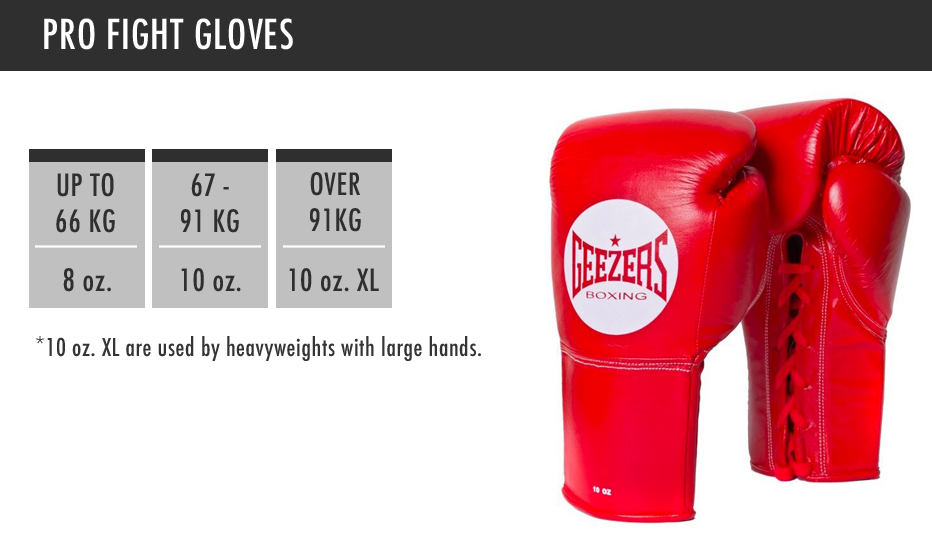
The most common pro boxing glove weights range from 8 oz to 10 oz. Fighters in lighter weight classes often use 8 oz gloves. Heavyweight boxers usually wear 10 oz gloves during matches.
For training, gloves can be heavier, from 12 oz to 16 oz. Heavier gloves help protect the hands and reduce injury risk during practice sessions.
Weight Classes And Glove Sizes
Each boxing weight class typically has a glove weight standard. For example, featherweights may use 8 oz gloves. Middleweights and above often use 10 oz gloves.
These glove sizes balance speed and protection. They ensure fair competition and reduce the chance of serious injury.
Sanctioning Body Rules
Different sanctioning bodies set their own rules for glove weights. The World Boxing Association (WBA), World Boxing Council (WBC), and International Boxing Federation (IBF) have slight variations.
Most require 8 oz gloves for fighters under 147 pounds. Fighters over that usually must wear 10 oz gloves. Always check the specific rules before a match.
Gloves For Competition
Choosing the right gloves for competition is crucial for professional boxers. The glove weight affects safety, comfort, and performance in the ring. Different boxing divisions require specific glove sizes. The rules ensure fairness and protect fighters from injury. Understanding these requirements helps boxers prepare properly for their matches.
Weight Requirements By Division
Each weight division has rules about glove size. Lighter divisions often use 8-ounce gloves. Heavier divisions may require 10-ounce gloves. These sizes help balance power and protection. Sanctioning bodies like the WBC and IBF set these rules. Always confirm the exact glove weight for your division before a fight.
Impact On Performance
Glove weight influences punching speed and force. Lighter gloves allow faster punches. Heavier gloves offer more padding, reducing impact. Fighters must find a balance between speed and safety. Using the correct glove weight can improve technique and endurance. Gloves that are too heavy or light may affect fight strategy.
Regulations To Check
Different organizations have varying glove rules. Check the commission or sanctioning body for details. Some require new gloves; others allow used ones. Hand wrap thickness may also be regulated. Inspect gloves before competition to avoid disqualification. Knowing the rules prevents last-minute issues and ensures compliance.
Training Gloves
Training gloves are essential for every boxer. They protect your hands during practice. Different training activities need different glove types. Choosing the right glove helps improve your skills safely. Gloves vary mainly by weight, measured in ounces (oz). Lighter gloves allow speed, while heavier gloves provide more protection.
Bag And Pad Work Gloves
Bag and pad work gloves are usually lighter. They often range from 10 to 14 ounces. These gloves help increase punching speed and technique. The padding is thinner to feel the impact better. Lightweight gloves allow longer training sessions without much fatigue. They protect your hands while hitting heavy bags or pads.
Sparring Gloves
Sparring gloves are heavier than bag gloves. They range from 14 to 18 ounces. These gloves have more padding to protect both boxers. Sparring requires careful safety to avoid injuries. The extra weight slows down punches slightly. This helps reduce the impact during practice fights.
Differences In Padding
Padding thickness varies between training gloves. Bag gloves have thinner padding for better feedback. Sparring gloves feature thicker padding for safety. The foam in sparring gloves absorbs more shock. This protects your knuckles and your partner’s face. Proper padding choice prevents injuries and improves training quality.

Credit: www.geezersboxing.co.uk
Choosing The Right Size
Choosing the right size of professional boxing gloves is essential for performance and safety. The size affects your comfort, protection, and ability to train or compete effectively. Gloves that fit well help prevent injuries and improve your punching technique. Consider your hand size, the type of wraps you use, and the balance between glove size and protection.
Hand Size And Wraps
Measure your hand carefully before buying gloves. The glove must fit your hand comfortably with wraps on. Hand wraps add padding and support, making your hands thicker. Gloves that fit without wraps might feel tight once wraps are added. Choose gloves that allow room for your wrapped hands without squeezing too much.
Comfort And Fit
Comfort is key for long training sessions and fights. Gloves should feel snug but not tight. Your fingers should move freely inside the gloves. The wrist area needs good support to avoid injuries. Try on gloves with your hand wraps to check the fit. A glove that is too loose can cause blisters and reduce control.
Glove Size Vs Protection
Glove size, measured in ounces, affects protection for you and your opponent. Larger gloves have more padding and offer better protection. Smaller gloves feel lighter and faster but provide less cushioning. For sparring, heavier gloves are safer to reduce impact. For competition, check the rules for required glove sizes by weight class.
Gloves For Different Purposes
Boxing gloves come in various weights to suit different training needs and match situations. Choosing the right glove weight helps improve performance and safety. Professional boxers often use specific gloves for speed, protection, or different training activities. Understanding these options can help you train smarter and protect your hands better.
Light Gloves For Speed
Light gloves usually weigh 8 to 12 ounces. They allow faster punches and better hand movement. Boxers use light gloves mainly for bag work and pad drills. These gloves help improve speed and technique. They offer less padding, so they are not ideal for sparring. Light gloves let boxers practice quick combinations with ease.
Heavier Gloves For Safety
Heavier gloves weigh 14 to 18 ounces. These gloves provide more padding and protect both you and your partner. They are popular for sparring sessions. Extra weight slows down punches slightly but reduces injury risks. Heavier gloves help build arm strength and endurance. They are essential for training safely over long periods.
Owning Multiple Pairs
Many boxers own more than one pair of gloves. Different gloves serve different purposes in training. Using light gloves for speed work and heavy gloves for sparring is common. This variety improves overall skill and safety. Multiple pairs also extend the life of each glove. It is a smart choice for serious boxers.
Credit: www.geezersboxing.co.uk
Famous Boxers’ Glove Choices
Famous boxers often choose glove sizes that match their fighting style and strategy. Their choices show how glove weight affects power, speed, and protection. Understanding these preferences helps fans and fighters alike grasp the impact of glove ounces in the ring.
Mike Tyson’s Preferred Sizes
Mike Tyson favored 8-ounce gloves during his prime. These gloves allowed him to deliver powerful punches with speed. The lighter gloves gave him an edge in close-range fighting. Tyson’s aggressive style matched well with smaller, faster gloves. His choice highlights the balance between power and hand protection.
Glove Weight And Fighting Style
Boxers pick glove weights based on their techniques and goals. Lighter gloves, usually 8 to 10 ounces, help increase punch speed. Heavier gloves, around 12 to 16 ounces, provide more padding and protect hands better. Fighters who rely on quick combos often prefer lighter gloves. Those who focus on defense or endurance may choose heavier ones.
Modern Examples And Comparisons
Today’s pros use a range of glove sizes depending on weight class and rules. Heavyweights often wear 10 or 12-ounce gloves in fights. Lighter fighters may go as low as 8 ounces for speed. Comparing legends like Tyson to modern champs shows how glove choices vary. It reflects changes in training, safety standards, and personal preferences.
Regulatory Insights
Regulations play a key role in determining the weight of professional boxing gloves. Different authorities set rules to ensure safety and fairness. Understanding these guidelines helps boxers and trainers choose the right gloves. The glove weight often depends on the boxer’s weight class and the event type.
Nevada Athletic Commission Guidelines
The Nevada Athletic Commission (NAC) is one of the most respected bodies in boxing. It sets clear rules for glove weights in professional matches. For example, fighters under 147 pounds usually wear 8-ounce gloves. Those above 147 pounds often use 10-ounce gloves. The NAC enforces these rules strictly to protect fighters and keep the sport fair.
Differences Across Regions
Boxing regulations vary widely by location. Some countries allow lighter gloves for certain weight classes, while others require heavier gloves. European and Asian commissions often have different weight rules compared to the U.S. These differences affect glove choice and boxing styles. Boxers must check the local rules before competing internationally.
Adjusting For Hand Wraps
Hand wraps add extra padding inside gloves. This padding affects the fit and protection level. Regulations sometimes require specific glove sizes to accommodate wraps. Boxers need to try gloves with wraps to ensure comfort. Using gloves too small with wraps can cause injury or reduce performance. Proper adjustment keeps hands safe and stable during fights.

Credit: www.youtube.com
Common Glove Weight Myths
Many people think heavier gloves always mean less power. Others believe lighter gloves make punches faster. These ideas are common but not always true. Understanding glove weight helps boxers choose the right pair.
Glove weight affects training and competition differently. Myths can cause wrong glove choices. Let’s clear up some common misunderstandings.
Does Size Affect Power?
Some say bigger gloves reduce punching power. The truth is, power depends on technique and strength. Glove weight adds padding but does not change force. A heavier glove may slow the punch slightly. But power mainly comes from the boxer’s body.
Impact On Speed And Endurance
Lighter gloves allow faster punches and quicker hand movement. Heavier gloves make arms tire faster during training. Boxers use heavier gloves for sparring to build strength. Lighter gloves are best for speed and precision work on bags.
Safety Considerations
Heavier gloves have more padding for protection. They reduce injury risk to both boxers in sparring. Lighter gloves offer less protection but feel more natural in competition. Choosing the right glove weight balances safety and performance needs.
Frequently Asked Questions
What Oz Gloves Do Pro Boxers Use?
Professional boxers typically use 8 to 10-ounce gloves in competition. Weight classes and sanctioning bodies may require specific sizes. For training, heavier gloves around 12 to 16 ounces offer better protection during sparring. Always check match rules before selecting glove size for professional bouts.
How Many Ounces Should A Boxing Glove Be?
Boxing gloves typically range from 8 to 16 ounces. Choose lighter gloves (8-10 oz) for competition and heavier ones (14-16 oz) for sparring and training. Always check your weight class and match rules to select the proper glove size.
How Many Ounces Are Mike Tyson’s Gloves?
Mike Tyson wore 8-ounce gloves during his prime professional fights. These gloves balanced power and speed effectively.
Why Is Tyson Wearing 14 Oz Gloves?
Tyson wears 14 oz gloves to balance power and speed, offering protection during training and sparring. These gloves reduce injury risk while maintaining quick, strong punches.
Conclusion
Professional boxing gloves usually range from 8 to 10 ounces. Lighter gloves offer speed and precision, ideal for matches. Heavier gloves provide more protection during training and sparring. Always check the rules for your specific competition. Choosing the right glove size affects performance and safety.
Remember, glove weight depends on your purpose and weight class. This helps you train effectively and compete fairly. Understanding glove ounces helps boxers perform their best. Keep these points in mind when selecting gloves.

