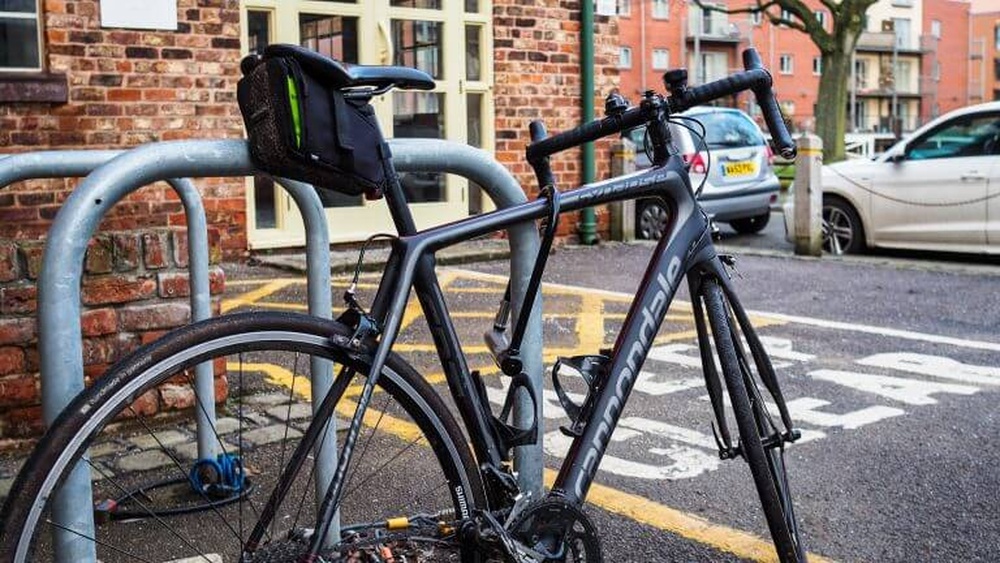
You love your road bike, and keeping it safe should be a top priority every time you park it. But how do you lock a road bike so you don’t end up coming back to an empty spot?
You need a method that stops thieves in their tracks, protects your most valuable parts, and makes your bike nearly impossible to steal. In this guide, you’ll discover simple, effective ways to lock your road bike securely—no confusing jargon, just easy steps you can follow right now.
Stick with me, and you’ll learn how to protect your ride with confidence every time you park it, whether you’re in busy Austin streets or anywhere else. Let’s get started.

Credit: www.stolenride.co.uk
Choosing The Best Lock
Choosing the right lock keeps your road bike safe. Not all locks offer the same protection. Some are strong but heavy. Others are light but less secure. Knowing the differences helps you pick the best lock. Your choice depends on how long you leave the bike and where you park it.
Consider how easy the lock is to carry. Think about the value of your bike too. A good lock should balance security and convenience.
U-locks Vs Chain Locks
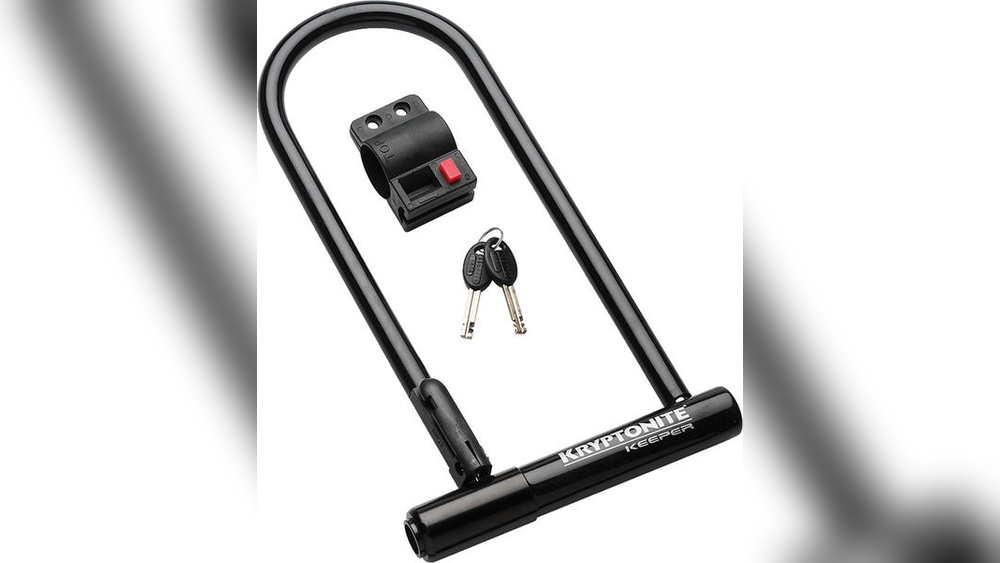
U-locks are solid and hard to break. They resist cutting and leverage attacks well. Their shape fits most bike frames and fixed objects. Chain locks are flexible and can secure larger objects. Strong chains use thick, hardened steel links. Chains are heavier than U-locks but offer more locking options. Both types protect your bike, but U-locks are easier to carry.
Cable Locks For Additional Security
Cable locks are thin and light. They add extra security by locking wheels or accessories. Use them together with a strong lock. Cable locks alone are not very secure. Thieves can cut cables quickly. Use cable locks for short stops or as a second lock. They help protect parts like the seat or front wheel.
Lock Ratings And Certifications
Look for locks with security ratings. Ratings show how well a lock resists theft. Certifications come from testing groups like Sold Secure or ART. Higher-rated locks cost more but offer better protection. Check the lock’s rating before buying. Choose a lock with at least a medium rating. This gives good protection for most areas.
Credit: www.pedalsure.com
Selecting A Secure Location
Choosing the right spot to lock your road bike is as important as the lock itself. A secure location lowers the risk of theft and gives peace of mind. Consider places that are busy, visible, and monitored. This helps keep your bike safe while you are away.
High Foot Traffic Areas
Lock your bike where many people pass by. Busy streets or near shops work well. Thieves avoid crowded places. More eyes on your bike means less chance of theft. Choose spots where people often walk or gather. This natural surveillance helps protect your bike.
Well-lit And Visible Spots
Pick areas with good lighting at night. Dark places hide thieves and their tools. Bright lights make it easy for passersby to see suspicious activity. Avoid hidden corners or behind bushes. A clear view keeps your bike safer. Visibility is a strong deterrent against theft.
Using Surveillance And Security Cameras
Lock your bike near cameras if possible. Security cameras record all actions. Thieves avoid places with video monitoring. Cameras also help identify culprits if theft happens. Look for spots with public or private surveillance. This extra layer of security protects your bike better.
Locking The Frame And Wheels
Locking the frame and wheels is essential to protect your road bike from theft. Properly securing these parts reduces the risk of losing your bike or its components. This section explains how to lock your bike effectively, focusing on the frame and wheels.
Prioritizing The Rear Wheel
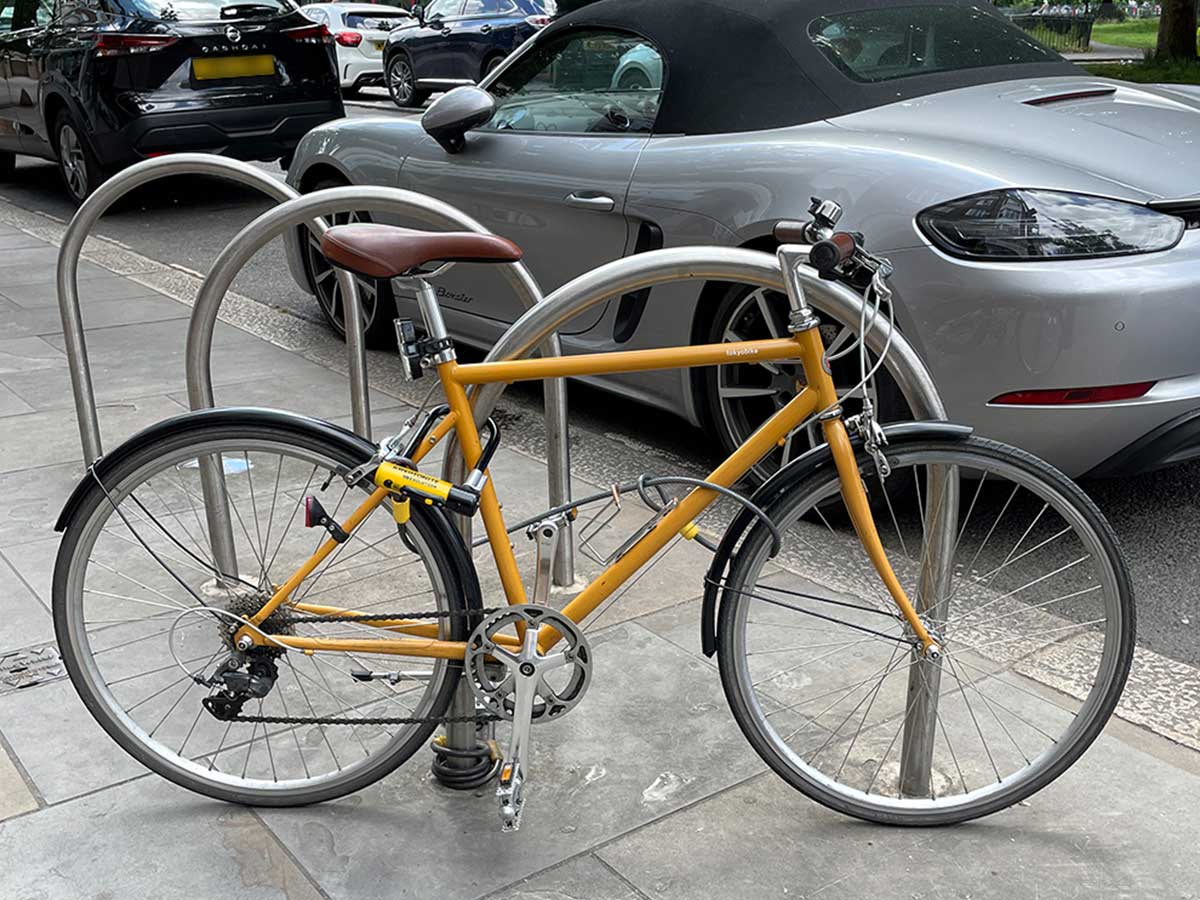
The rear wheel is the most valuable part of a road bike. Thieves target it because it’s expensive and hard to replace. Always lock the rear wheel first. Use a strong U-lock or chain lock around the rear wheel and frame. This step secures the most critical part of your bike.
Securing The Frame To Fixed Objects
Lock the bike frame to a solid, immovable object. Choose a bike rack, pole, or sturdy fence. Make sure the object cannot be lifted or cut easily. Pass the lock through the frame’s main triangle. This prevents thieves from taking the whole bike away.
Adding A Second Lock For The Front Wheel
The front wheel can be stolen if left unsecured. Use a second lock, such as a cable or small chain lock, to secure the front wheel. Attach it to the frame or the same fixed object as the rear wheel. This extra lock adds a strong layer of protection.
Techniques To Deter Thieves
Thieves look for easy targets. Using smart techniques can stop them. These simple steps make your road bike less attractive to steal.
Effective locking means more than just attaching your bike to a rack. It involves careful placement and using the right tools. The goal is to slow down or confuse thieves, giving them less chance to take your bike.
Locking Order And Placement
Start by locking the frame to a solid object. This keeps the most valuable part safe. Next, secure the rear wheel, as it is costly and harder to replace. Place the lock through the frame and wheel. Avoid locking only the front wheel, which thieves can remove quickly.
Choose a thick, immovable post or bike rack. Avoid thin poles or trees that thieves can cut or lift your bike over. Make sure the lock is off the ground to prevent leverage attacks.
Avoiding Quick-release Vulnerabilities
Quick-release wheels and seats are easy targets. Thieves can remove them in seconds. Replace quick-release levers with locking skewers. These require special tools to open, adding protection.
If locking skewers are not an option, consider removing the front wheel and locking it with the rear wheel and frame. This makes stealing parts harder and time-consuming.
Using Multiple Locks For Complexity
Using one lock is not enough. Thieves can break or pick it quickly. Use two or more locks to increase security. Combine a U-lock with a cable lock for the wheels and frame.
Multiple locks force thieves to spend more time and effort. This risk often makes them choose an easier target. Spread locks around different parts of your bike for better protection.
Additional Security Tips
Securing a road bike involves more than just using a strong lock. Extra steps increase protection and reduce theft risks. These additional security tips help keep your bike safe in various situations. Small actions make a big difference in bike security.
Choosing Less Valuable Components
Select parts that are less attractive to thieves. Use basic pedals, saddles, and wheels. Avoid high-end or flashy components. Thieves often target expensive items first. Swapping valuable parts for cheaper ones lowers theft chances. It also reduces the cost if replacements are needed.
Registering Your Bike
Register your bike with local or national databases. This creates a record with your bike’s details. Registration helps police identify stolen bikes quickly. It also increases the chance of recovery. Carry your registration information or keep it digitally. This makes proving ownership easier after theft.
Regular Maintenance And Inspections
Keep your bike in good condition through regular checks. Inspect locks and components for wear or damage. Replace worn parts promptly to maintain security. A well-maintained bike is less likely to attract thieves. It also ensures your locking system works properly every time.
Carrying And Using Locks Conveniently
Carrying and using locks conveniently is key to protecting a road bike. A lock should be easy to carry and quick to use. This makes locking hassle-free and encourages frequent use. Choosing the right storage and locking method saves time and effort. It also keeps the lock handy for sudden stops or errands.
Lock Storage Options While Riding
Many road cyclists carry their locks on the bike frame. Some use a lock mount attached to the frame or seat post. This keeps the lock secure and out of the way. Another option is to carry the lock in a backpack or saddlebag. Lightweight locks fit well in small bags without adding much bulk. Folding locks are compact and easy to store. Avoid carrying locks in your hand while riding. This can be unsafe and tiring.
Quick And Effective Locking Methods
Use a U-lock or folding lock for fast locking. These locks open and close easily with one hand. Secure the lock through the frame and rear wheel to a fixed object. This prevents quick wheel theft. Keep the lock key or combination ready before stopping. This reduces fumbling and speeds up locking. Practice locking and unlocking your bike quickly. Efficient locking protects the bike and saves time during rides.

Credit: www.youtube.com
Frequently Asked Questions
How To Properly Lock A Road Bike?
Choose a sturdy U-lock and secure the frame and rear wheel to a fixed, immovable object. Lock the front wheel with a cable lock if possible. Park in well-lit, busy areas. Avoid locking only the wheels or quick-release parts. Double-locking increases security and deters theft.
How Do You Lock Your Bike So It Doesn’t Get Stolen?
Use a strong U-lock to secure the bike frame and rear wheel to a sturdy, immovable object. Lock both wheels if possible. Choose well-lit, busy areas for parking. Remove accessories and avoid quick-release parts. Multiple locks increase security and deter thieves effectively.
Is It Better To Lock Front Or Back Wheel?
Lock the rear wheel and frame first, as the rear wheel is more valuable and harder to steal. Use a second lock for the front wheel if possible. This method deters thieves and secures your bike effectively.
What Color Bike Is Least Likely To Be Stolen?
Neutral colors like black, gray, and silver are least likely to attract thieves. Bright colors often draw more attention.
Conclusion
Securing your road bike takes simple, smart steps. Always choose a sturdy lock and a visible, well-lit spot. Lock the frame and rear wheel tightly to deter thieves. Using two locks adds extra protection. Remember, a little care saves your bike and peace of mind.
Keep these tips in mind every time you park your bike. Your bike’s safety depends on your locking habits. Stay safe and enjoy your rides worry-free.