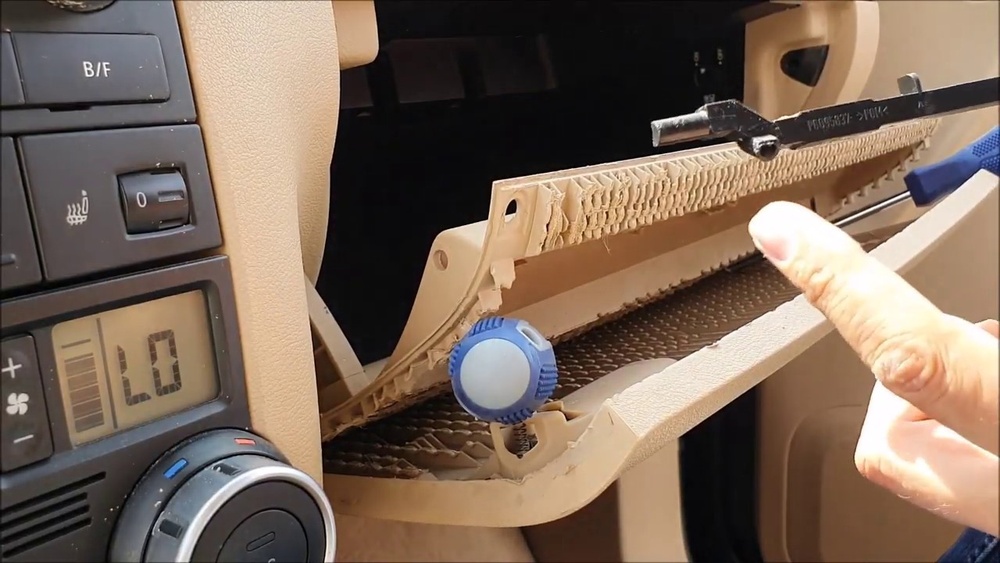
Is your glove box stuck, loose, or won’t close properly? It’s frustrating when a simple car feature like the glove compartment stops working the way it should.
But before you rush to a mechanic or spend a fortune on replacements, there’s good news: you can fix your broken glove box yourself. Whether it’s a loose hinge, a broken latch, or a handle that won’t hold, this guide will walk you through easy, step-by-step solutions that anyone can follow.
By the end, you’ll know exactly how to get your glove box working smoothly again—saving you time, money, and hassle. Ready to take control and fix your glove box today? Let’s dive in!

Credit: www.youtube.com
Common Glove Box Issues
The glove box is a small but important part of any vehicle. It stores essential items like documents, gadgets, and personal belongings. Over time, glove boxes can face several common issues. These problems can make it hard to open, close, or secure the glove box properly. Understanding these issues helps you fix them quickly and keep your car organized.
Broken Latch Problems
The latch keeps the glove box closed and secure. A broken latch can cause the glove box to stay open or pop open while driving. Latch problems often happen due to wear and tear or sudden force. Fixing the latch usually involves replacing or repairing the locking mechanism.
Hinge Malfunctions
Hinges allow the glove box door to swing open and close smoothly. Damaged or loose hinges can make the glove box fall open or hang awkwardly. Hinge malfunctions can occur from rust, damage, or broken pins. Tightening or replacing the hinges can restore proper function.
Handle Damage
The handle helps you open the glove box easily. A broken or cracked handle makes it hard to open the compartment. Handle damage may result from excessive force or plastic fatigue. Repairing or swapping out the handle fixes this issue fast.
Alignment And Closing Issues
Sometimes the glove box does not close properly. Misalignment causes gaps or rubbing when closing the door. This problem may arise from worn parts or impact damage. Adjusting the alignment or replacing worn components ensures smooth closing.
Tools And Materials Needed
Fixing a broken glove box requires the right tools and materials. Having everything ready makes the repair process smoother. This section lists what you need to get started.
Basic Repair Tools
You will need a few simple tools for most glove box repairs. A screwdriver set is essential. Both flathead and Phillips screwdrivers often come in handy. A socket wrench set helps with bolts and nuts. Needle-nose pliers assist in handling small parts. A flashlight is useful for seeing inside tight spaces. Keep a clean cloth nearby to wipe dirt and dust.
Replacement Parts
Some glove box problems require new parts. Common replacements include hinges, latches, and handles. Check your car’s manual or parts store for exact matches. Buying parts designed for your vehicle ensures a good fit. Avoid using generic parts that might not work well. Keep spare screws and clips as they often break or get lost during repairs.
Lubricants And Adhesives
Lubricants help moving parts work smoothly. Use silicone spray or white lithium grease on hinges and latches. Avoid heavy oils that attract dirt. Adhesives like epoxy or super glue fix cracks or broken plastic pieces. Choose glue that dries clear and bonds plastic strongly. Use adhesives sparingly to keep the glove box functional.
Quick Fixes For Latch Problems
Latch problems are a common reason glove boxes fail to close or stay shut. Many issues can be fixed quickly without professional help. Simple tools and parts often solve the problem fast. This section covers easy fixes to get the glove box working again.
Tightening Loose Screws
Loose screws often cause the latch to misalign or not catch properly. Start by opening the glove box and locating the screws on the latch mechanism. Use a screwdriver to tighten all screws firmly. Avoid overtightening to prevent stripping the threads. Check if the latch moves smoothly after tightening. This fix often restores proper function immediately.
Replacing The Latch
If tightening screws does not help, the latch might be broken or worn out. Replacement latches are available at auto parts stores or online. Remove the old latch by unscrewing it carefully. Install the new latch by aligning it with existing holes and securing it with screws. Test the glove box to ensure it closes and locks correctly. This method works well for visibly damaged latches.
Using Magnetic Latches
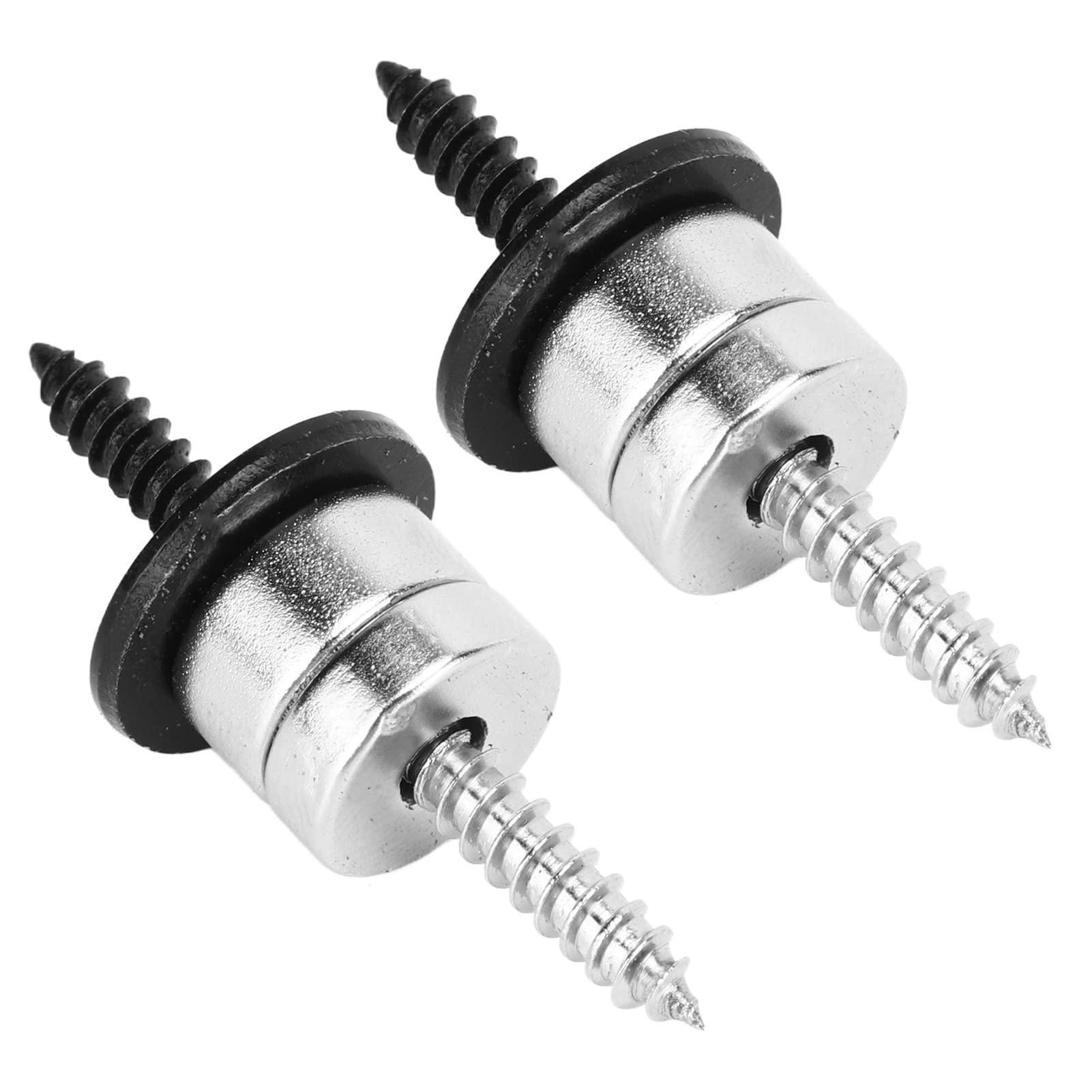
Magnetic latches offer a simple upgrade for glove boxes with latch problems. They use magnets to hold the door closed instead of mechanical parts. Attach the magnetic latch inside the glove box using screws or adhesive pads. Align the magnet and metal plate for a secure closure. Magnetic latches reduce wear and make opening easier. They provide a quiet and reliable alternative to traditional latches.
Repairing Or Replacing Hinges
Repairing or replacing the hinges is a key step in fixing a broken glove box. Hinges allow the glove box door to open and close smoothly. If they are damaged, the glove box may not stay shut or may fall open unexpectedly. This section explains how to check for hinge damage, lubricate hinges to improve movement, and install new hinges if needed.
Identifying Hinge Damage
Look closely at the glove box hinges for cracks or bends. Check if screws are loose or missing. Wiggle the glove box door gently to see if it moves unevenly. Damaged hinges often cause the door to sag or not close properly. Note any broken parts or worn-out areas that need attention.
Lubricating Hinges
Apply a small amount of lubricant to the hinges to reduce friction. Use a spray lubricant or a light oil designed for car parts. Open and close the glove box several times to spread the lubricant evenly. This helps the door move smoothly and prevents squeaking noises. Avoid using too much oil, which can attract dust and dirt.
Installing New Hinges
Remove the screws holding the old hinges in place using a screwdriver. Take out the damaged hinges carefully. Align the new hinges with the mounting holes on the glove box and dashboard. Secure the new hinges by tightening the screws firmly. Test the glove box door to ensure it opens and closes properly without wobbling.
Fixing Broken Handles
Broken glove box handles can make accessing your storage frustrating. Fixing them restores smooth operation and keeps your car interior neat. Handle issues vary from minor cracks to complete breakage. Some repairs are quick fixes, while others need replacement parts. Choose the right method based on the damage and your tools.
Temporary Handle Repairs
Temporary fixes help until you get a new handle. Use strong tape or glue to hold loose parts. Epoxy can bond cracked plastic handles effectively. A zip tie can secure a broken handle to the latch. These solutions are quick and cheap but not long-lasting. They keep the glove box usable and prevent it from falling open.
Permanent Replacement Options
Replacing the handle ensures a lasting repair. Find an exact match by checking your car’s make and model. Order parts online or visit an auto parts store. Remove the broken handle carefully, using screwdrivers or pliers. Install the new handle by securing screws or clips firmly. Test the glove box to ensure it opens and closes smoothly. Permanent fixes improve the glove box’s function and appearance.
Adjusting Glove Box Alignment
Adjusting glove box alignment improves its function and appearance. A misaligned glove box may not close or open smoothly. Fixing this issue helps prevent further damage. It also restores the glove box’s original fit.
Simple adjustments can solve many alignment problems. Use basic tools like screwdrivers or pliers. Check for loose parts or bent panels. Careful inspection leads to a better repair.
Realigning Door Panels
First, open the glove box fully. Look for uneven gaps around the door edges. Gently loosen the screws holding the door panel. Move the panel slightly to correct its position. Tighten the screws once aligned. Test the door by opening and closing it. Repeat if needed until it fits properly.
Check hinges and mounting points for damage. Bent hinges can cause misalignment. Straighten them carefully or replace if broken. Proper hinge function keeps the glove box stable.
Securing Loose Components
Loose parts inside the glove box cause rattling or misalignment. Inspect all screws, bolts, and clips. Tighten any that feel loose. Replace missing or damaged fasteners. Use thread locker on screws to prevent loosening.
Check the latch mechanism for proper operation. A loose latch can prevent the door from closing fully. Adjust the latch or replace it if needed. Secured components improve glove box stability and use.
Diy Vs Professional Repairs
Deciding between fixing your broken glove box yourself or hiring a professional can save time and money. Understanding the pros and cons helps you choose the best option for your situation. Some repairs are simple and safe to do at home. Others need expert skills and tools to avoid further damage.
When To Attempt Diy
Try DIY if the problem is small, like a loose hinge or stuck latch. Basic tools like screwdrivers and lubricants often solve these issues. DIY saves money on labor costs and lets you fix the problem quickly. Watch online tutorials for step-by-step guidance. Stop if the repair feels too complex or parts are hard to reach. Safety matters. Avoid forcing parts to prevent breaking them more.
Benefits Of Professional Help
Professionals have the right tools and experience to fix glove boxes properly. They can handle complicated issues like broken locks or damaged assemblies. A pro repair often lasts longer and maintains your car’s value. Professionals provide warranties on their work for peace of mind. They also ensure no damage happens to the surrounding dashboard. Choose professional help when the glove box is severely damaged or your repair skills are limited.
Cost Factors And Estimates
Repairing a broken glove box involves several cost factors. These influence the total price you pay for parts and labor. Knowing these factors helps you budget better. It also guides your decision on DIY fixes or professional repairs.
Parts And Labor Costs
Parts cost depends on the damage type and glove box model. A simple latch or hinge replacement is cheaper. Full glove box assembly replacement costs more. Labor fees vary by repair complexity and shop rates. Simple fixes take less time, so labor is lower. Complex repairs need more time and skill, increasing labor cost.
Vehicle Make And Model Impact
Luxury and specialty vehicles often have pricier parts. Some models use unique glove box designs or materials. This raises both parts and labor expenses. Common vehicles have more affordable and widely available parts. Repair shops may charge more for rare or high-end models. Always check your vehicle’s specifics before estimating repair costs.
Estimating Minor Vs Full Repairs
Minor repairs include tightening screws or lubricating hinges. These often cost under $50 for parts and labor. Full repairs involve replacing the entire glove box unit. This can cost $150 to $400 or more. DIY repairs can cut costs but need basic tools and skills. Consider your comfort level before deciding on DIY fixes.
Where To Find Replacement Parts
Finding the right replacement parts is key to fixing a broken glove box. Parts must fit perfectly to ensure smooth operation. Knowing where to find these parts saves time and effort. Various sources offer different types of parts. Choose based on quality, price, and availability. Below are common options for sourcing glove box replacement parts.
Aftermarket Vs Oem Parts
OEM parts come directly from the vehicle manufacturer. They match the original part exactly. OEM parts usually offer better fit and finish. Aftermarket parts are made by third-party companies. They often cost less than OEM parts. Quality varies widely among aftermarket options. Choose aftermarket parts carefully to avoid poor performance. OEM parts provide reliability but can be pricier. Aftermarket parts offer budget-friendly solutions with some risk.
Trusted Suppliers
Select suppliers with good reputations and customer reviews. Trusted suppliers guarantee genuine or high-quality parts. They often provide return policies and warranties. Authorized dealers sell OEM parts and offer expert advice. Specialty auto parts stores carry both OEM and aftermarket parts. Avoid unknown sellers to reduce risk of faulty parts. Reliable suppliers help you avoid delays and extra costs. Always check ratings before making a purchase.
Online And Local Options
Online stores provide wide selections and competitive prices. Websites like AutoZone, RockAuto, and Amazon stock many parts. Online shopping offers convenience and home delivery. Local auto parts stores allow you to see parts in person. Local shops often provide immediate availability and expert guidance. Mechanics and junkyards can be sources for used parts. Compare prices and shipping times between online and local options. Choose what fits your budget and urgency best.

Credit: eliesaabtowers.ro
Preventing Future Glove Box Damage
Preventing future glove box damage helps save time and money. It keeps your car interior neat and functional. Small care steps make a big difference. Follow simple tips to avoid common problems and extend the glove box life.
Regular Maintenance Tips
Check the glove box hinges and latch often. Tighten loose screws to keep parts secure. Clean the glove box regularly to avoid dirt buildup. Use a soft cloth and mild cleaner for the best results. Lubricate moving parts with silicone spray to reduce wear. Inspect the glove box for cracks or damage early. Fix small issues before they worsen and need costly repairs.
Proper Usage Guidelines
Open and close the glove box gently every time. Do not slam it shut or force it open. Avoid overloading the glove box with heavy or sharp objects. Keep only essential items inside to prevent strain on hinges. Store items evenly to distribute weight well. Use the glove box for light storage, not as a seat or step. Teach passengers to handle the glove box carefully to prevent damage.
Credit: www.amazon.com
Frequently Asked Questions
How Much Does It Cost To Fix A Broken Glove Box?
Fixing a broken glove box typically costs between $50 and $200. Minor repairs like hinge tightening are cheaper, while full replacements cost more. Labor and parts prices vary by vehicle make and model. DIY repairs can save money if you have basic tools and skills.
Where Can I Go To Get My Glove Box Fixed?
Visit an auto repair shop, car dealership, or trusted locksmith to fix your glove box quickly and professionally.
How To Fix Glovebox That Won’t Close?
Tighten or replace loose screws on the glovebox latch or hinges. Clean and lubricate moving parts. Check for obstructions inside. Adjust the latch alignment to ensure proper closing. Replace broken components if necessary to restore secure closure.
Can You Replace A Glove Box?
Yes, you can replace a glove box by removing the old one and installing a new or compatible replacement part.
Conclusion
Fixing a broken glove box can save money and hassle. Small repairs like tightening screws or replacing latches often solve the issue. Use simple tools and follow clear steps for best results. Taking care early prevents bigger problems later. Keep your glove box working smoothly for easy access to your items.
Regular checks help maintain your car’s interior. Don’t wait for the problem to get worse; act now and enjoy a functional glove compartment again.