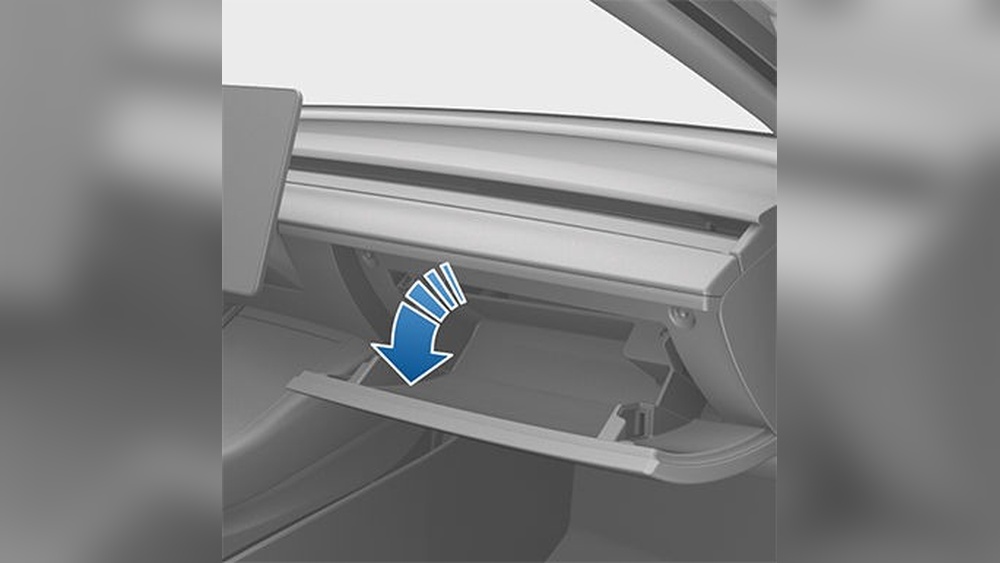
Is your glove box latch stuck or broken, making it hard to keep your car organized and secure? You’re not alone, and the good news is you don’t have to live with that annoying problem.
Fixing a broken glove box latch might seem tricky, but with the right steps, you can restore it quickly and easily—without spending a fortune. In this guide, you’ll discover simple, effective ways to get your glove box working like new again.
Keep reading, and by the end, you’ll have the confidence and know-how to tackle this repair yourself.

Credit: www.youtube.com
Common Glove Box Latch Issues
Glove box latches can fail for several reasons. Knowing common issues helps in diagnosing and fixing the problem quickly. These issues often cause frustration and limit access to important items inside.
Latch Won’t Close
The latch may not close due to misalignment or debris. Dirt or small objects can block the latch from locking. Sometimes, the latch mechanism becomes loose or bent. Tightening screws or cleaning the latch usually solves this.
Latch Stuck Or Jammed
A stuck latch often results from rust or lack of lubrication. Dust and grime build-up can cause the latch to jam. Applying a lubricant spray can free the mechanism. Avoid forcing the latch as it may break.
Broken Or Missing Components
Parts of the latch can break or go missing over time. Plastic pieces or springs inside the latch often wear out. Replacing these parts is necessary for proper function. Salvage yards or online stores offer replacement components.
Tools And Materials Needed
Before fixing a broken glove box latch, gather all necessary tools and materials. Having everything ready makes the repair process faster and smoother. This section lists the essential items you will need for this task.
Basic Hand Tools
Start with simple tools found in most toolkits. A screwdriver set is crucial, including flathead and Phillips types. A small wrench or socket set helps remove bolts. Needle-nose pliers assist in handling small parts. A flashlight or headlamp improves visibility inside the glove box area.
Replacement Parts
Identify the exact part that needs replacement. Most broken latches require a new latch assembly or latch handle. Check your vehicle’s make and model for compatible parts. Purchase genuine or high-quality aftermarket replacements. Keep spare screws and clips handy for reassembly.
Lubricants And Adhesives
Use lubricants to ensure smooth latch movement. Silicone spray or white lithium grease works well. Avoid heavy oils that attract dust. Adhesives might be needed if plastic parts crack. Use strong epoxy or plastic glue designed for automotive use. Allow adhesives to dry fully before testing the latch.
Opening A Jammed Glove Box
Opening a jammed glove box can be tricky but doable with care. Applying force carelessly may cause more damage. The key is to use gentle methods and appropriate tools. These tips help you open the glove box without breaking it.
Gentle Pressure Techniques
Start by pressing the glove box door firmly but gently. Avoid sharp or sudden pushes. Try rocking the door slightly side to side. This movement can free stuck parts. Keep steady, even pressure to prevent damage.
Using Thin Tools For Release
Use a thin, flat tool like a plastic card or a butter knife. Slide it carefully between the glove box door and dashboard. Wiggle the tool to find the latch or catch point. This helps release the jam without force. Avoid metal tools that can scratch or break the surface.
Avoiding Damage During Opening
Do not force the glove box open with excessive strength. Avoid sharp objects that can harm the latch or plastic. Work slowly and patiently to avoid cracks. Protect surfaces with cloth or tape before using tools. Taking your time saves money and repairs later.
Quick Fixes For Latch Problems
Fixing a broken glove box latch often does not require complex tools. Simple quick fixes can restore its function fast. These small repairs save time and money. They also prevent further damage to the glove box. Try these easy steps to fix latch problems yourself.
Tightening Loose Screws
Loose screws are a common cause of latch issues. Check the screws on the latch and surrounding area. Use a screwdriver to tighten any that feel loose. Be careful not to overtighten and strip the screws. Tight screws keep the latch secure and working smoothly.
Lubricating Hinges And Latches
Dry or rusty hinges make the latch hard to operate. Apply a small amount of lubricant like WD-40 to the latch mechanism and hinges. Move the latch back and forth to spread the lubricant evenly. This reduces friction and helps the latch close properly. Avoid using heavy grease which can attract dirt.
Realigning The Glove Box Door
Misaligned doors cause the latch to not catch correctly. Open the glove box and check if the door lines up with the latch. Gently adjust the door position by loosening screws and shifting the door slightly. Retighten the screws once aligned. Proper alignment allows the latch to engage fully and keep the door closed.
Replacing The Glove Box Latch
Replacing the glove box latch is a practical way to restore full function. A broken latch can stop your glove box from closing properly. This repair involves removing the old latch and installing a new one. The process is simple and requires only basic tools. Follow these steps to get your glove box working again quickly.
Removing The Old Latch
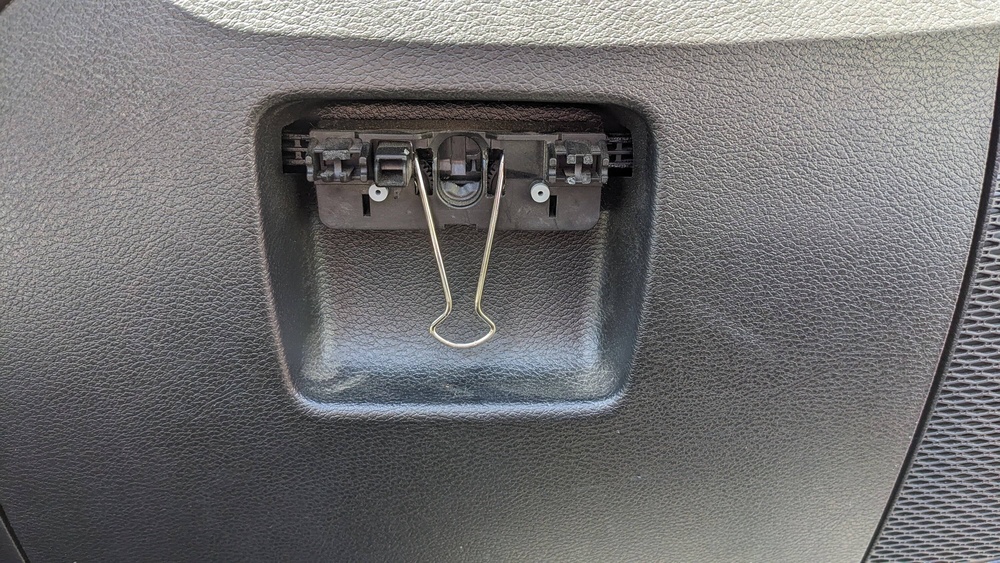
First, open the glove box door fully. Locate the screws or clips holding the latch in place. Use a screwdriver to remove these fasteners carefully. Gently pull the old latch out from the glove box door. Keep the screws safe for reusing with the new latch. Check the latch area for any debris or damage before installing the new one.
Installing A New Latch
Take the new latch and align it with the holes on the glove box door. Insert the screws and tighten them securely but not too tight. Make sure the latch fits snugly and moves freely. Avoid forcing the latch or over-tightening screws. The new latch should sit flush against the glove box surface.
Testing The Repair
Close the glove box door slowly to test the latch. Check if the door stays closed firmly without gaps. Open and close it several times to ensure smooth operation. If it sticks or feels loose, adjust the screws slightly. Confirm the latch secures the door properly before finishing.
Credit: www.tacomaworld.com
Tips For Preventing Future Issues
Preventing future problems with your glove box latch saves time and effort. Small habits protect the latch from damage. Follow simple tips to keep it working smoothly. These steps reduce the chance of breaking or jamming again.
Regular Maintenance
Check the latch regularly for dirt and dust. Clean it gently using a soft cloth. Apply a light lubricant to moving parts to prevent rust. Regular inspection helps catch small issues early. Fixing minor problems stops bigger damage later.
Avoiding Excessive Force
Open and close the glove box gently. Don’t slam it shut or pull too hard. Rough handling stresses the latch and can cause cracks. Treat the latch like a delicate part. This simple care prolongs its lifespan significantly.
Using Quality Replacement Parts
Choose strong, durable parts when replacing the latch. Cheap parts often break faster and cause repeat issues. Buy from trusted brands or official dealers. Quality parts fit better and work more reliably. Investing in good parts saves money over time.
When To Seek Professional Help
Knowing when to seek professional help for a broken glove box latch can save time and avoid further damage. Some problems require expert tools and skills. Others might seem simple but hide bigger issues. Understanding the signs helps you decide the best step forward.
Complex Damage Cases
Severe damage to the latch or surrounding parts needs professional attention. Cracked or broken plastic, bent metal pieces, or damaged locking mechanisms are hard to fix at home. Professionals have special tools to handle these problems safely. Trying to fix complex damage alone may cause more harm.
Cost Considerations
Simple repairs like tightening screws cost little and can be done yourself. But large repairs or part replacements raise the cost. Labor fees and part prices vary by car model and location. Professionals can offer a clear estimate before starting work. This helps avoid unexpected expenses.
Finding A Reliable Mechanic
Choose a mechanic with good reviews and experience in car interiors. Ask for recommendations from friends or local auto shops. Verify certifications and ask about warranty on repairs. A trusted mechanic ensures the glove box latch works smoothly after repair. This saves future troubles and extra costs.
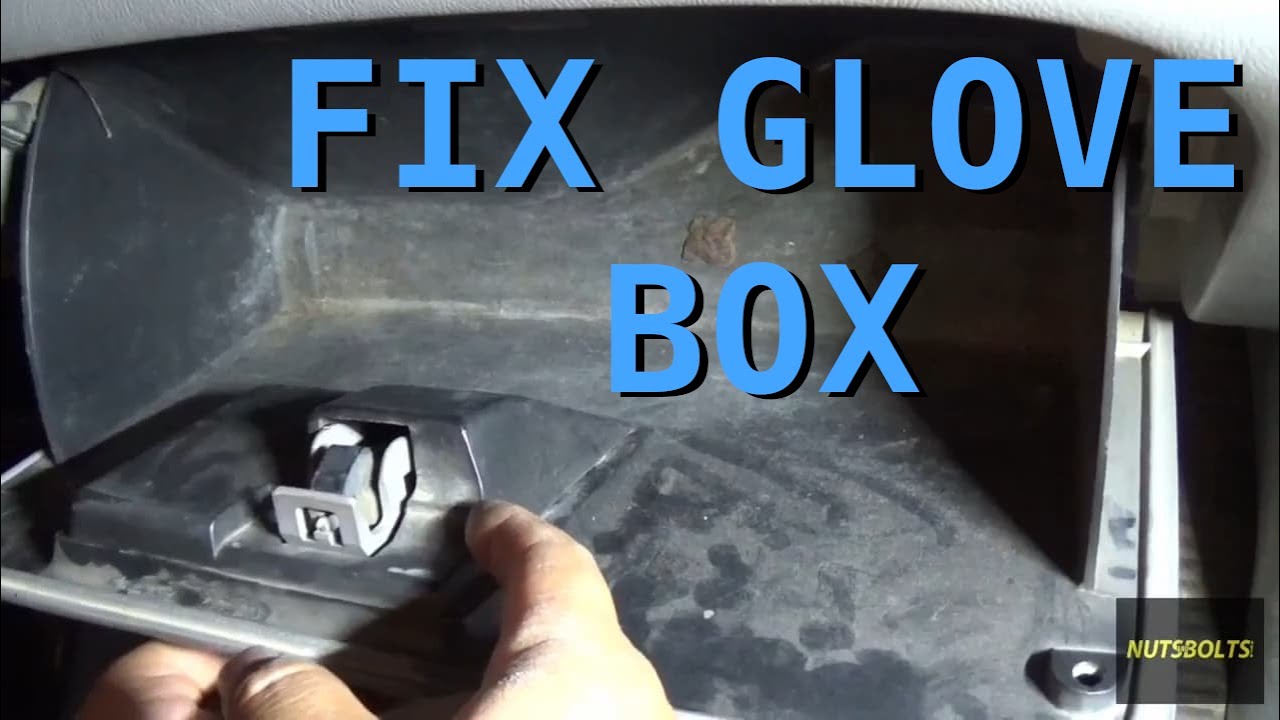
Credit: www.youtube.com
Frequently Asked Questions
How To Fix Glovebox That Won’t Close?
Check for obstructions inside the glovebox. Tighten or replace loose or missing screws. Lubricate latch mechanism. Adjust alignment for proper closing. Replace damaged latch if needed.
Can A Car Door Latch Be Fixed?
Yes, a car door latch can be fixed by replacing or repairing the broken mechanism. Remove the door panel, swap the faulty latch, then reassemble.
How Much Does It Cost To Fix A Broken Glove Box?
Fixing a broken glove box typically costs $20 to $150. Minor repairs are cheaper; full replacements cost more. Labor and parts affect the price. DIY fixes with basic tools can save money. Luxury cars often have higher repair costs.
What To Do If The Glove Box Won’t Open?
Try gently pushing or pulling while pressing the latch. Use a flat tool to release stuck mechanisms carefully. Lubricate hinges if needed. If still stuck, consult a mechanic.
Conclusion
Fixing a broken glove box latch is easier than it seems. With simple tools and a little patience, you can restore its function quickly. Tightening screws or replacing small parts often solves the problem. This saves money compared to full replacements or mechanic visits.
Keep your glove box secure and enjoy a neat car interior again. Remember, small fixes make a big difference in your vehicle’s comfort and convenience. Don’t let a broken latch cause frustration—it’s a fix you can handle yourself.