Choosing the right boxing gloves weight can make all the difference in your training and performance. If you pick gloves that are too heavy, your punches might feel slow and tiring.
Too light, and you might not get enough protection or build the strength you need. You want gloves that fit your body, your skill level, and your training goals perfectly. In this guide, you’ll discover simple tips to help you find the ideal glove weight—so you can train smarter, protect your hands, and improve faster.
Ready to get the perfect fit? Let’s dive in!

Credit: www.smai.com.au
Boxing Glove Weights
Boxing glove weight is a key factor in choosing the right gloves for training or competition. The weight affects comfort, performance, and protection. Understanding glove weights helps you pick gloves that fit your needs and style.
Common Weight Categories
Boxing gloves come in various weights measured in ounces (oz). The common weights are 8 oz, 10 oz, 12 oz, 14 oz, and 16 oz. Lighter gloves like 8 oz and 10 oz are usually for competitions or lighter training. Heavier gloves such as 14 oz and 16 oz are preferred for sparring and heavy bag work. Each weight serves a different purpose based on your training goals.
How Weight Affects Performance
Lighter gloves allow faster punches and better hand speed. They help improve technique and accuracy. Heavier gloves slow down your punches but increase strength and endurance. Training with heavier gloves can build muscle and improve overall fitness. Your choice affects how you train and perform in the ring.
Weight And Hand Protection
Heavier gloves provide more padding and protect your hands better. They also reduce the impact on your sparring partner. Lighter gloves have less padding and offer less protection. Choosing the right weight helps prevent injuries and keeps your hands safe during training. Protection is crucial for long-term boxing practice.
Choosing Gloves By Training Type
Choosing gloves by training type helps improve your boxing skills safely. Different exercises need different glove weights and designs. Using the right gloves protects your hands and your training partner. It also helps you develop proper technique and strength.
Each type of training has unique demands. You should match your gloves to those needs. This section explains the best gloves for sparring, bag work, pad work, and general training.
Sparring Gloves
Sparring gloves are heavier and more padded. They protect both you and your partner from injury. Usually, sparring gloves weigh 14 to 16 ounces. The extra weight slows down punches, reducing impact. This makes training safer and more comfortable.
Bag Work Gloves
Bag work gloves are lighter to let you hit faster. They weigh between 10 and 12 ounces. These gloves have less padding since they only protect your hands. Using lighter gloves helps you build speed and power. They also let you feel the impact better.
Pad And Focus Mitt Gloves
Pad and focus mitt gloves are similar to bag gloves in weight. They offer good wrist support and flexibility. These gloves help you practice accuracy and quick combinations. The weight usually ranges from 10 to 12 ounces. They provide enough protection for fast training sessions.
General Training Gloves
General training gloves are versatile and balanced. They work well for a mix of sparring, bag work, and pad training. These gloves typically weigh 12 to 14 ounces. They offer moderate padding and allow good hand movement. These gloves suit beginners and those who train regularly.
Selecting Gloves Based On Body Weight
Choosing the right boxing glove weight depends heavily on your body weight. Gloves that are too light or too heavy can affect your performance and safety. Picking gloves based on your weight helps protect your hands and improves your training quality. It also ensures comfort during long sessions.
Weight Recommendations For Different Body Sizes
Boxing gloves come in various weights, measured in ounces (oz). For people under 120 pounds, 8 to 10 oz gloves work best. Those between 120 and 160 pounds should use 12 oz gloves. If you weigh 160 to 200 pounds, 14 oz gloves offer good protection. For over 200 pounds, 16 oz gloves are recommended. This guideline helps balance protection and mobility.
Adjusting For Experience Level
Beginners need extra padding to avoid injuries. Choosing gloves slightly heavier than your body weight range is smart. Experienced boxers often prefer lighter gloves for speed and technique. They may pick gloves on the lower end of the recommended weight. Always consider your skill level alongside your body weight for the best fit.
Hand Size And Fit
Choosing the right boxing gloves means paying close attention to hand size and fit. Gloves that fit well protect your hands and improve your performance. Ill-fitting gloves can cause discomfort or injury. Understanding how to measure your hands and account for brand differences helps you select the perfect gloves. Comfort and security are key factors to consider for training or competition.
Measuring Hand Circumference
Use a soft tape measure to find your hand circumference. Wrap the tape around your dominant hand just below the knuckles. Exclude the thumb from the measurement. Note the number in inches or centimeters. This measurement guides you to the correct glove size. Accurate measuring reduces the risk of choosing gloves that are too loose or tight.
Brand Variations In Sizing
Different brands may size gloves differently. One brand’s medium might fit like another’s large. Check the sizing chart for each brand before buying. Reviews often mention if gloves run small or large. Trying gloves on in person offers the best fit check. Buying from a store with a return policy helps if the size is off.
Ensuring Comfort And Security
Gloves must feel snug but not tight. Your fingers should move comfortably inside. Wrists need good support to prevent injuries. Look for adjustable straps or laces for a secure fit. Test gloves by making a fist to ensure freedom of movement. Well-fitted gloves protect your hands and increase confidence in training.
Multiple Pairs For Different Uses
Choosing the right weight for boxing gloves depends on the type of training. Many boxers use multiple pairs to meet different needs. Each glove weight serves a unique purpose. Having more than one pair helps improve performance and safety. It also allows focus on specific training goals.
Heavy Gloves For Conditioning
Heavy gloves usually weigh 16 oz or more. They add extra resistance during training. This resistance helps build arm strength and stamina. Heavy gloves also provide better hand protection. They reduce injury risk in sparring sessions. Using heavy gloves tires muscles faster. This makes workouts more effective. They are ideal for conditioning and sparring.
Light Gloves For Speed And Technique
Light gloves weigh between 8 oz and 12 oz. They allow faster punches and better movement. These gloves improve hand speed and precision. They help develop correct punching form and technique. Light gloves give immediate feedback on punches. This helps adjust power and accuracy. They are perfect for bag work and pad drills. Using light gloves enhances agility and skill.
Credit: absolutemma.com
Competition Glove Weight Rules
Competition glove weight rules ensure fairness and safety in boxing matches. These rules set specific glove weights based on the fighter’s weight class. Proper glove weight helps protect both fighters and maintains the sport’s integrity. Understanding these rules is essential for any boxer preparing for competition.
Weight Class Requirements
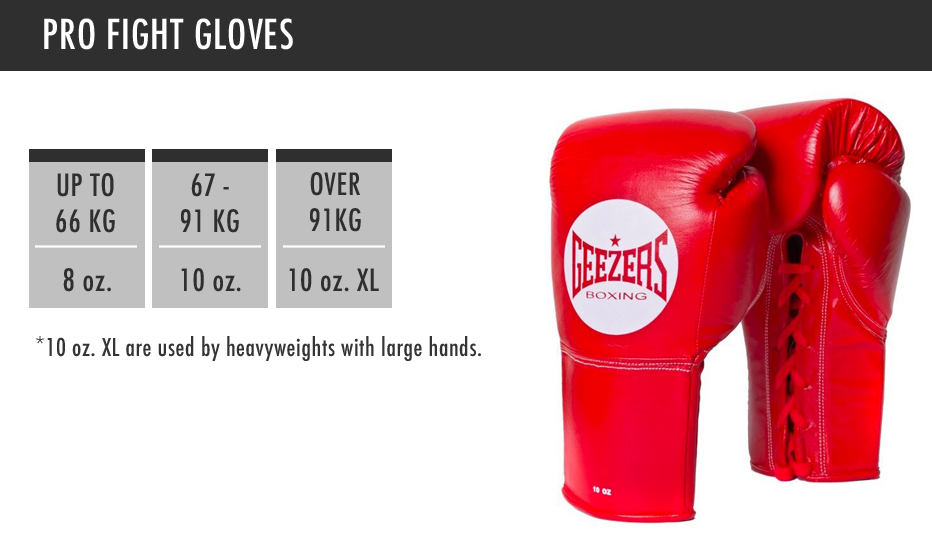
Each weight class has a required glove weight. Lighter fighters often use lighter gloves. Heavier fighters must wear heavier gloves. For example, boxers under 147 pounds may wear 8-ounce gloves. Fighters over 147 pounds usually use 10-ounce gloves. These rules vary by organization but follow a similar pattern. The purpose is to balance protection and performance for all competitors.
Differences From Training Gloves
Competition gloves differ from training gloves in weight and design. Training gloves are heavier to build strength and protect during practice. Competition gloves are lighter to increase speed and impact. Training gloves often have more padding to reduce injury risk. Competition gloves focus on fairness and scoring. Using the correct glove for competition is crucial to meet official standards and avoid penalties.
Top Boxing Glove Brands
Choosing the right boxing gloves weight depends on quality and brand reputation. Trusted brands offer durable gloves with proper padding and fit. Brand choice affects comfort, safety, and performance in training or fights. Here are top boxing glove brands for different needs.
Popular Brands Overview
Everlast is known for affordable, reliable gloves. It suits beginners and casual boxers well. Cleto Reyes offers handmade gloves favored by pros for quality and durability. Hayabusa combines advanced materials with modern design. Winning is a premium brand famous for excellent protection and comfort. These brands cover a wide range of uses and budgets.
Best Gloves For Beginners
Sanabul gloves provide great value with good padding and wrist support. Ringside offers beginner-friendly gloves that balance price and quality. Venum gloves appeal to new boxers with comfortable fit and stylish designs. These brands focus on safety and ease of use. Beginners should pick gloves that protect hands and build confidence.
Premium Options For Professionals
Winning gloves are top choice for professional boxers. Their gloves have superior padding and last long. Cleto Reyes gloves offer a classic feel preferred in competition. Grant gloves provide excellent wrist support and are used by many champions. Hayabusa’s top models include reinforced stitching and premium leather. Professionals need gloves that combine protection with performance.
Credit: www.marex.no
Price And Quality Considerations
Choosing the right boxing gloves weight involves more than just size and comfort. Price and quality play a key role in ensuring durability and protection. Gloves that cost less may not offer enough padding or last long. On the other hand, very expensive gloves do not always guarantee the best quality. Balancing cost with features helps find gloves that protect your hands without breaking the bank. Pay attention to the materials, stitching, and brand reputation to judge quality.
Budget Vs Quality
Setting a budget helps narrow down glove choices quickly. Basic gloves are affordable and good for beginners or casual use. These usually have synthetic leather and simpler padding. Mid-range gloves offer better materials like genuine leather and improved cushioning. They last longer and feel more comfortable. High-end gloves use premium leather and advanced padding technology. They provide excellent wrist support and durability. Consider how often and intensely you train before spending a lot. Investing in quality gloves can prevent injuries and save money over time.
Where To Buy Authentic Gloves
Buying gloves from trusted stores guarantees authenticity. Official brand websites are the safest option. They offer warranty and customer support. Sporting goods stores also sell genuine gloves with proper sizing help. Avoid buying from unknown sellers or marketplaces without reviews. Counterfeit gloves often look similar but use poor materials. Check for brand logos, tags, and packaging details to confirm authenticity. Always try the gloves on if possible to ensure the right fit and comfort.
Glove Shapes And Colors
Choosing the right boxing gloves involves understanding both their shape and color. These factors influence comfort, performance, and even your confidence in the ring. Gloves come in various designs that fit different hand shapes and training needs. Colors also play a role, from personal style to gym rules or visibility during practice.
Impact Of Shape On Performance
Glove shape affects how your hand fits inside. Some gloves have a curved shape to help keep your fist tight. This shape can improve punch accuracy and reduce hand fatigue. Other gloves offer a flatter design, giving more room to move fingers freely. This can enhance comfort but may reduce wrist support. The padding distribution also changes with shape, affecting shock absorption. Choose a shape that matches your hand size and training goals for better results.
Available Color Options
Boxing gloves come in many colors. Bright colors like red or blue increase visibility during training and matches. Dark colors such as black or navy hide dirt and wear well. Some gyms require specific glove colors for sparring or competition. Color can express your personality or team spirit. Many brands offer custom designs for a unique look. Pick a color that suits your style and meets gym rules.
Frequently Asked Questions
Should I Get 12 Oz Or 16 Oz Boxing Gloves?
Choose 12 oz gloves for speed, technique, and bag work. Opt for 16 oz gloves for sparring and extra hand protection.
Why Is Tyson Using 14 Oz Gloves?
Tyson uses 14 oz gloves for better hand protection and adequate padding during heavy training and sparring sessions.
Do I Want 8oz Or 10oz Boxing Gloves?
Choose 8oz gloves for speed, bag work, and technique development. Pick 10oz gloves for sparring, extra protection, and conditioning.
Do Pro Boxers Use 12 Oz Gloves?
Professional boxers rarely use 12 oz gloves in official matches. They typically wear 8 oz or 10 oz gloves for competition. Twelve-ounce gloves are common during training for better hand protection and conditioning. These gloves offer more padding, reducing injury risk during sparring and heavy bag work.
Conclusion
Choosing the right boxing glove weight improves comfort and performance. Lighter gloves help with speed and technique. Heavier gloves protect your hands and your sparring partner. Consider your training type and hand size before buying. Proper gloves reduce injury risk and boost confidence.
Take time to try different weights and find your fit. Good gloves make training safer and more effective. Keep your goals clear and choose wisely for better results.