
If you’re stepping into the boxing world, one question might be on your mind: how much do boxing gloves actually weigh? The answer isn’t just a number—it can change the way you train, spar, and even fight.
Your glove’s weight affects speed, power, and protection, making it a crucial part of your gear. Understanding glove weights helps you choose the right pair for your goals, whether you want to build strength, improve technique, or stay safe in the ring.
Keep reading to discover how glove weight impacts your boxing performance and how to pick the perfect gloves for your needs.
Boxing Glove Weights
Boxing gloves come in different weights to serve various purposes. The weight influences performance, protection, and training style. Choosing the right glove weight matters for safety and effectiveness. Understanding glove weights helps both beginners and pros.
Common Glove Weights
Boxing gloves usually weigh between 8 and 20 ounces. The most common sizes are 8 oz, 10 oz, 12 oz, 14 oz, and 16 oz. Lighter gloves, like 8 oz or 10 oz, are often used in competitions. Heavier gloves, such as 14 oz or 16 oz, are popular for training and sparring. Different weights fit different hand sizes and training goals.
Why Weight Matters
Glove weight affects speed and power during punches. Lighter gloves allow faster hand movement and quicker strikes. Heavier gloves provide more padding and protection for both fighters. Using the correct weight reduces injury risks. It also improves endurance by adding resistance during training.
Ounces And Padding
Glove weight is measured in ounces (oz). The number of ounces reflects the glove’s padding amount. More padding means heavier gloves. Padding protects the knuckles and opponent from hard impacts. Choosing the right balance of weight and padding depends on your training needs and safety.
Types Of Boxing Gloves
Boxing gloves come in different types. Each type serves a special purpose in training or competition. Understanding these types helps you pick the right glove. Weight and padding vary by type. This affects comfort, protection, and performance.
Training Gloves
Training gloves are versatile and used for many workouts. They offer good padding to protect your hands. These gloves weigh between 14 to 16 ounces. They balance protection and speed well. Most beginners and pros use training gloves regularly.
Sparring Gloves
Sparring gloves have extra padding to protect you and your partner. They usually weigh 16 ounces or more. The added weight slows your punches slightly. This helps reduce injury during practice fights. Sparring gloves feel heavier but keep training safe.
Bag And Pad Gloves
Bag and pad gloves are lighter with less padding. They weigh around 12 to 14 ounces. These gloves help improve speed and accuracy. They protect your hands from heavy bag impact. Trainers often use these gloves for focus mitt work.
Competition Gloves
Competition gloves are designed for fights and tournaments. They are lighter, usually 8 to 10 ounces. Less padding lets you punch faster and harder. These gloves meet official rules for amateur and pro boxing. Wearing competition gloves requires good hand protection.
Impact Of Glove Weight
The weight of boxing gloves plays a crucial role in a boxer’s performance and safety. Different glove weights affect how punches feel and how fast a boxer can move. Choosing the right glove weight depends on training goals and fighting style. Understanding the impact of glove weight helps boxers train smarter and fight better.
Protection And Safety
Heavier gloves have more padding. This extra padding protects both the wearer’s hands and the opponent’s face. During sparring, heavier gloves reduce the risk of injury. Lighter gloves offer less cushioning, which can increase the chance of cuts and bruises. Safety should always be a top priority when selecting glove weight.
Speed And Agility
Lighter gloves allow faster hand movements. This speed helps boxers throw quick combinations. Speed is important for dodging and counterattacking. Heavier gloves slow down punches and reduce agility. For training that focuses on speed, lighter gloves are often preferred. They help improve reaction time and precision.
Strength And Endurance
Heavier gloves add resistance during training. This resistance builds punching power and arm strength. Wearing heavy gloves for long rounds also improves endurance. The muscles work harder, which helps develop stamina. Lighter gloves cause less fatigue, making them better for longer sparring sessions. Balancing glove weight supports both strength and endurance goals.

Credit: www.proboxingequipment.com
How To Choose Glove Weight
Choosing the right glove weight is important for comfort and safety in boxing. Gloves come in different weights, measured in ounces. The right weight depends on your body, goals, and experience. Picking the correct glove helps improve training and reduces injury risk.
Based On Body Weight
Your body weight guides your glove choice. Lighter people usually use lighter gloves like 10 or 12 ounces. Heavier people often need gloves weighing 14 to 16 ounces. Using gloves that match your body weight helps protect your hands and your training partner during sparring.
Training Goals
Glove weight changes based on your training aim. For bag work and speed, lighter gloves of 10 to 12 ounces are best. For sparring, heavier gloves of 14 to 16 ounces provide more padding and protection. Heavier gloves also build endurance and strength during training.
Experience Level
Beginners should start with heavier gloves to protect their hands. More padding means less chance of injury while learning. Experienced boxers can use lighter gloves for faster movement and better technique. Adjust glove weight as skill and comfort improve over time.
Glove Weight And Composition
Boxing gloves come in different weights and compositions. These factors affect comfort, protection, and performance. Understanding glove weight and composition helps choose the right pair. Weight is often measured in ounces (oz). The composition includes materials used inside and outside the glove.
Padding Materials
Padding is key for shock absorption and hand protection. Most gloves use foam padding. Types include single-layer foam, multi-layer foam, and gel-infused foam. Foam density changes glove weight and feel. Softer foam offers better cushioning but may weigh more. Gel padding adds protection without much extra weight.
Glove Design
Design affects glove weight and how it fits the hand. Some gloves have extra wrist support, adding weight. Others focus on lightweight, flexible designs for speed. The glove’s outer material also matters. Leather gloves tend to be heavier but more durable. Synthetic gloves are lighter and easier to maintain.
Brand Differences
Brands use different materials and construction methods. This causes weight variations even in gloves with the same ounce rating. Premium brands may use advanced foam or custom designs. Budget brands might use simpler padding and lighter materials. Trying different brands helps find the best balance of weight and comfort.
Weight Myths In Boxing Gloves
Many people believe boxing gloves are heavier than they really are. Weight myths create confusion about glove choice and performance. Understanding true glove weight helps boxers pick the right gloves. It also improves training efficiency and safety. Let’s explore common myths and separate fact from fiction.
Common Misconceptions
One myth says heavier gloves always offer better protection. This is not always true. Protection depends on padding quality and glove design too. Another misconception is that lighter gloves are weak and unsafe. Actually, light gloves help improve speed and technique. People also think glove weight is uniform across brands. In reality, glove weight can vary even at the same ounce rating.
Fact Vs Fiction
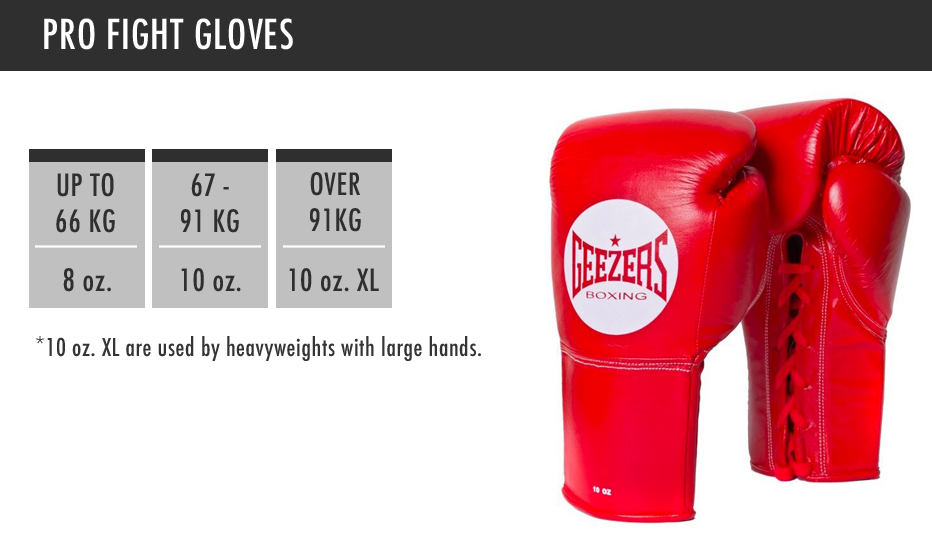
Boxing gloves are measured in ounces, but ounces refer to volume, not exact weight. A 12-ounce glove does not always weigh exactly 12 ounces. Weight depends on materials and padding type. Professional fight gloves weigh less than training gloves to allow faster punches. Sparring gloves tend to be heavier for added safety. The myth that heavier gloves make you stronger is false. Training with different glove weights develops various skills effectively.
Measuring Glove Weight
Boxing gloves come in various weights, affecting performance and protection. Measuring the weight accurately helps boxers choose the right gloves. Weight is usually measured in ounces, commonly ranging from 8 oz to 20 oz. Different gloves serve different purposes like training, sparring, or competition. Understanding how glove weight is measured ensures better selection for your needs.
Scale Tests
Weighing gloves on a scale shows their true weight. Digital scales provide precise measurements in ounces or grams. Some gloves may weigh slightly more or less than their labeled weight. This happens because of materials used in padding and leather. Testing gloves on a scale helps confirm their actual weight before use. It also reveals if gloves meet official boxing standards.
Weight Vs Size
Glove weight and glove size are related but not the same. Larger gloves often weigh more due to extra padding. For example, a 16 oz glove is bigger and heavier than a 10 oz glove. Smaller gloves weigh less, allowing faster hand movement. Choosing between weight and size depends on training goals and hand protection needs. Heavier gloves protect better, while lighter gloves improve speed.
Credit: www.geezersboxing.co.uk
Specialized Gloves
Specialized gloves in combat sports serve unique purposes and differ greatly in weight. They are designed to meet the specific needs of various fighting styles and training methods. Understanding their weight helps athletes choose the right gloves for their goals.
Mma Glove Weight
MMA gloves are much lighter than traditional boxing gloves. They usually weigh between 4 to 6 ounces. This lighter weight allows fighters to move their hands quickly and maintain better grip for grappling. The reduced padding means less protection but more speed and dexterity.
These gloves cover the knuckles and leave fingers exposed. This design supports striking and grappling combined. The weight balance favors fast punches and quick transitions during matches.
Multiuse Gloves
Multiuse gloves combine features of boxing and MMA gloves. They weigh around 8 to 12 ounces. This moderate weight offers good protection and enough flexibility for various training activities.
These gloves suit athletes who practice different combat sports or want one pair for multiple uses. Padding is thicker than MMA gloves but lighter than standard boxing gloves. This balance helps protect hands and wrists during bag work and light sparring.
Tips For Picking Gloves
Choosing the right boxing gloves is important for safety and performance. Gloves come in different weights and styles. Each type fits a specific training need. Consider your goals before buying gloves.
Weight affects how gloves feel and protect your hands. Heavier gloves provide more padding but can slow your punches. Lighter gloves allow faster movement but less protection. Select gloves that balance comfort and safety.
Sparring Glove Selection
Sparring gloves need extra padding to protect both fighters. Usually, they weigh between 14 and 18 ounces. Choose gloves with thick cushioning to reduce impact. This helps prevent injuries during practice fights.
Pick a size that fits snugly but allows hand wraps underneath. Gloves too tight or loose can cause discomfort. Look for durable materials to withstand repeated sparring sessions.
Bag Glove Selection
Bag gloves are lighter and less padded than sparring gloves. They weigh around 10 to 12 ounces. These gloves let you hit the bag with speed and power. They protect your knuckles but not much else.
Choose gloves with firm padding for bag work. Make sure they fit well to avoid slipping. Good ventilation helps keep your hands cool during heavy training.
Multi-purpose Gloves
Multi-purpose gloves balance weight and padding for various uses. They often weigh between 12 and 16 ounces. These gloves work for bag work, sparring, and some competitions.
Pick gloves that feel comfortable for long training sessions. Look for versatile designs that support different activities. This choice suits boxers who want one glove for many tasks.

Credit: www.smai.com
Frequently Asked Questions
How Much Do Standard Boxing Gloves Weigh?
Standard boxing gloves typically weigh between 8 to 16 ounces. Lighter gloves (8-10 oz) suit competition, while heavier ones (14-16 oz) offer better protection for training and sparring. Weight choice depends on purpose, hand size, and safety needs.
Are 12 Oz Boxing Gloves Heavy?
12 oz boxing gloves are moderately weighted, suitable for speed and bag work. They feel lighter than sparring gloves.
Are 12 Oz Gloves Better Than 16 Oz?
12 oz gloves offer faster speed and technique training with less padding. 16 oz gloves provide better protection and build strength, ideal for sparring. Choose based on your training goals and safety needs.
How Much Do Mike Tyson’s Boxing Gloves Weigh?
Mike Tyson’s boxing gloves typically weigh 8 to 10 ounces. These gloves balance protection and speed during fights.
Conclusion
Boxing gloves come in different weights for various uses. Lighter gloves help improve speed and technique. Heavier gloves add resistance and build strength. Choosing the right glove depends on your training goal. Remember, glove weight affects safety and performance. Knowing glove weight helps you train smart and stay protected.
Keep these points in mind when picking gloves. Your training will benefit from the right glove choice.