You rely on your bike every day, and keeping it safe is a top priority. But have you ever struggled with setting or changing the code on your bike lock?
If your lock’s combination is easy to guess or you’ve forgotten it, your bike isn’t as secure as you think. That’s why knowing how to set a bike lock code properly is essential. In this guide, you’ll learn simple, step-by-step instructions to set or reset your bike lock code quickly and confidently.
By the end, you’ll have full control over your lock’s security, giving you peace of mind every time you leave your bike unattended. Keep reading and make sure your bike stays protected!
Choosing The Right Bike Lock
Choosing the right bike lock is key to protecting your bike from theft. A good lock keeps your bike safe and gives you peace of mind. Consider the type of lock, security level, and durability before buying. These factors help you pick a lock that fits your needs and budget.
Types Of Combination Locks
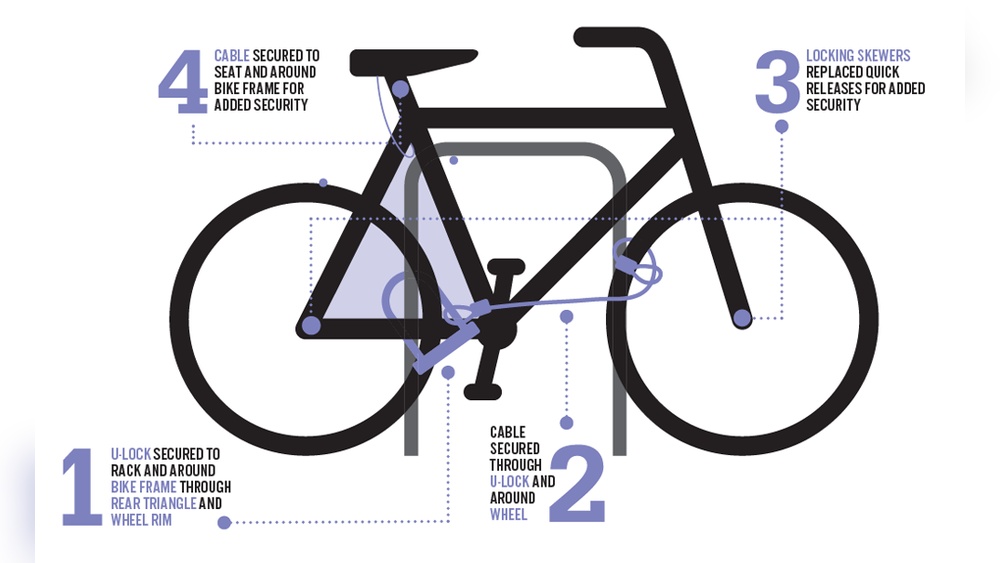
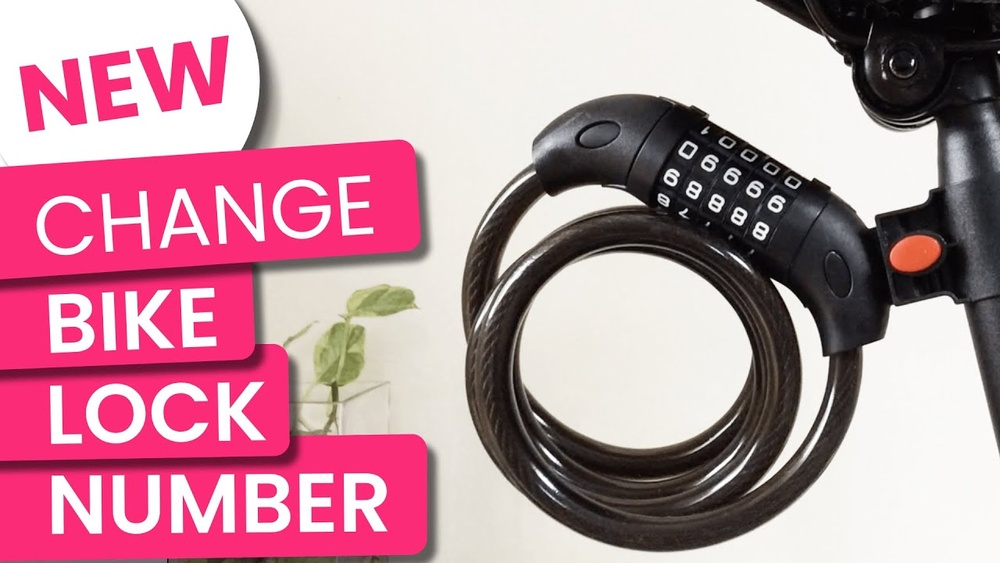
Combination locks come in several types. Cable locks are flexible and lightweight. They are easy to carry but less secure. U-locks are strong and hard to cut. They offer better protection for high-theft areas. Folding locks combine strength and compactness. Choose one that suits your bike and daily use.
Factors To Consider For Security
Look for locks with tough materials like hardened steel. The lock mechanism should resist picking and drilling. Choose a lock with a long shackle for better locking options. Avoid locks with simple codes or predictable patterns. Set a unique, hard-to-guess code for extra safety.
Durability And Weather Resistance
Bike locks face rain, sun, and cold. Pick locks made from rust-resistant metals. Coated locks prevent scratching your bike. Weatherproof locks last longer and work well in all seasons. Check if the lock has seals to keep dirt out of the mechanism.
Credit: www.homedepot.com
Preparing To Set Your Code
Preparing to set your bike lock code ensures a smooth and secure process. Start by unlocking the lock with the current combination. This step is essential before making any changes to the code. Take your time and check the lock carefully to avoid mistakes.
Knowing where the reset mechanism is will help you change the code easily. Gather any tools you may need and follow safety steps to protect your lock and yourself. Preparation saves time and prevents damage.
Locating The Reset Mechanism
The reset mechanism is usually a small knob or lever on the lock body. It often sits near the place where the shackle or cable connects. Look closely on all sides of the lock. Some locks require you to push or pull this part to start resetting.
Check the lock’s manual or brand website for exact location details. Finding this part is the key to changing your code correctly.
Tools You Might Need
Most bike locks do not need many tools to reset the code. Sometimes, a small flathead screwdriver helps to turn the reset lever. If the lock is tight, you may need a pair of pliers to grip small parts.
Keep a flashlight nearby if the lighting is poor. Having the right tools ready makes the process faster and safer.
Safety Precautions
Make sure the lock is fully open before you start resetting the code. Do not force the reset mechanism, as this may break the lock. Work in a well-lit area to see all parts clearly.
Write down the new code or take a photo of it. This step prevents you from forgetting your new combination. Handle the lock gently to avoid damage during the process.
Step-by-step Code Setting
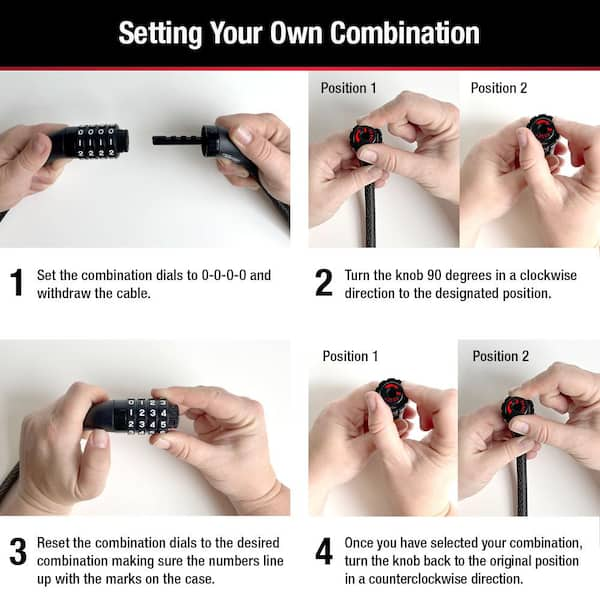
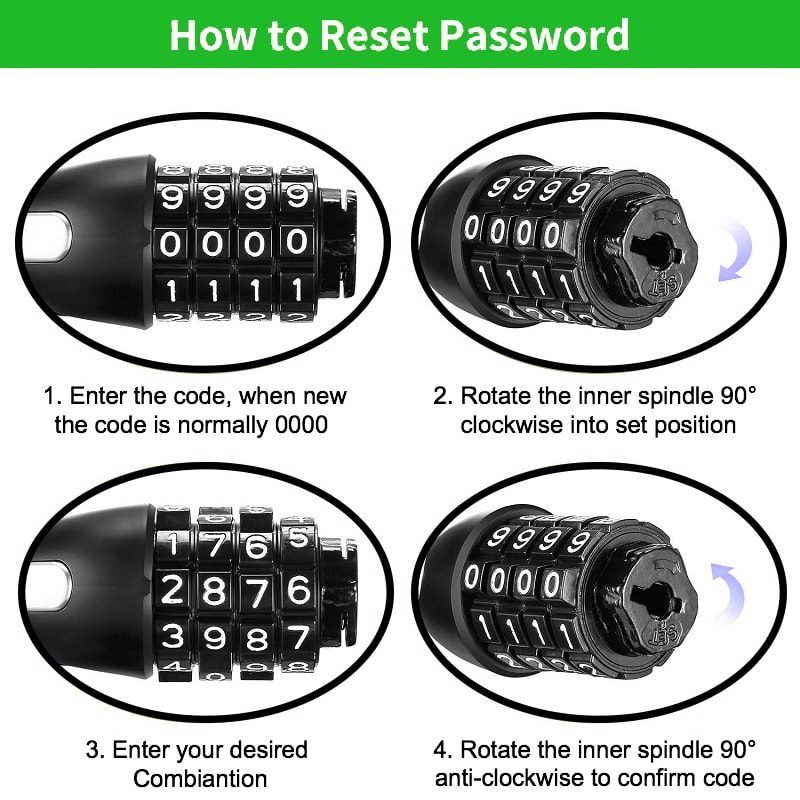
Setting a bike lock code ensures your bike stays safe and secure. The process is simple and quick. Follow these clear steps to set your own combination. Each step guides you through the lock’s mechanism. You will learn how to unlock, reset, choose, and save your code.
Unlocking The Lock
Start by entering the current combination. Turn the dials to the right numbers. Pull up the shackle or release the cable. This opens the lock. If it does not open, check the numbers again. Make sure the digits line up exactly with the marker.
Activating The Reset Mode
Find the reset knob or lever on the lock. It is usually near the shackle or cable end. Push, slide, or turn this reset mechanism as shown in your lock’s manual. Keep it in this position while you set the new code. This step allows the lock to accept a new combination.
Selecting Your New Combination
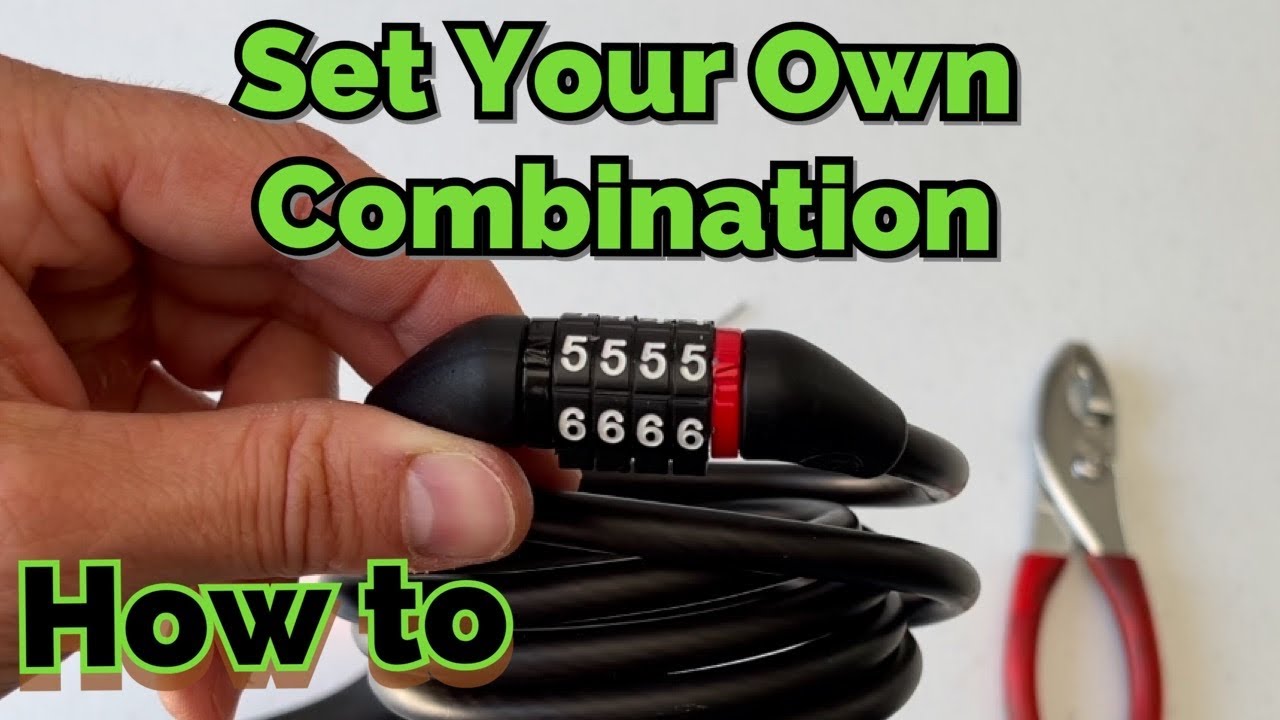
Turn the dials to set your new code. Choose numbers easy for you to remember. Avoid simple sequences like 000 or 123. Align your chosen digits with the marker on the lock. Take a photo or write down the new code. This helps if you forget it later.
Securing The New Code
Release the reset knob or lever carefully. Push it back to its original place. Close the shackle or lock the cable. Spin the dials to scramble the code. Test the new combination to make sure it works. Your lock is now secure with your personal code.
Credit: www.youtube.com
Testing Your New Combination
Testing your new bike lock combination is a key step after setting your code. It confirms the lock works properly. This step prevents getting stuck with a lock that won’t open. Follow simple actions to test and secure your bike lock effectively.
Scrambling The Dials
Start by scrambling the dials to mix up your new code. Turn each dial several times in different directions. This ensures the lock is fully reset from the set code. Do not rush. Take your time to mix all numbers well.
Scrambling the dials helps avoid accidental unlocking. It prepares the lock for the next step — entering your code to open.
Entering The Code To Unlock
Now, carefully enter your new combination. Align each number exactly with the marker on the lock. Move slowly and double-check each dial’s position. Then, try to open the lock by pulling the shackle or cable.
If the lock opens smoothly, your code is set correctly. Open and close the lock several times to confirm consistency. This practice strengthens your confidence in the lock’s function.
Troubleshooting Common Issues
If the lock does not open, check these points. First, verify each dial is perfectly aligned on your code numbers. Slight misalignment often causes failure.
Next, try re-setting the combination carefully from the start. Some locks require pressing a reset button or lever during setting. Make sure you followed your lock’s instructions exactly.
Clean the lock mechanism if it feels stiff or sticky. Dirt can block smooth movement. Lubricate lightly with a bike-safe oil if needed. Repeat testing after adjustments to ensure success.
Tips For Choosing A Strong Code
Choosing a strong code for your bike lock is crucial. A good code keeps your bike safe and prevents theft. Simple mistakes can make your lock easy to crack. Follow these tips to create a secure and easy-to-remember code.
Avoiding Common Number Patterns
Do not use simple patterns like 1234 or 0000. Avoid repeating numbers such as 1111 or 2222. Do not pick sequences like 2580, which follow keypad lines. These are the first combinations thieves try. Random numbers increase your lock’s security.
Using Memorable But Secure Codes
Choose numbers that mean something only to you. Use dates or numbers that you can remember easily. Avoid obvious dates like birthdays or anniversaries. Combine parts of different numbers to make a unique code. This way, the code is both strong and easy to recall.
Recording Your Combination Safely
Write your code down and keep it in a safe place. Avoid storing it on your phone where it can be lost or hacked. Consider a small notebook or a secure digital note with password protection. Having a backup prevents lockouts while keeping your bike safe.
Credit: www.bikelockwiki.com
Maintaining Your Bike Lock
Maintaining your bike lock is essential to keep it working smoothly and protect your bike. A well-maintained lock resists rust and damage. It also stays easy to open and close. Simple care steps extend the life of your lock and keep your bike safe.
Regular Cleaning And Lubrication
Clean your bike lock regularly to remove dirt and dust. Use a soft cloth or brush for this task. Avoid harsh chemicals that can damage the lock’s surface. Lubricate the lock mechanism with a light oil or graphite lubricant. This helps the dials and shackle move freely. Do this at least twice a year or more in wet conditions.
Checking For Wear And Tear
Inspect your lock often for signs of damage. Look for rust, bent parts, or worn dials. Test the lock by opening and closing it several times. If it feels stiff or sticks, it may need cleaning or lubrication. Catching wear early prevents lock failure when you need it most.
When To Replace Your Lock
Replace your bike lock if it shows severe rust or damage. A lock that is hard to open or close is unsafe. Also, change it if the code mechanism stops working. A new lock ensures your bike stays protected. Don’t risk theft with a broken or weak lock.
What To Do If You Forget Your Code
Forgetting your bike lock code can be frustrating and stressful. It stops you from accessing your bike quickly. Knowing what steps to take can help you regain access without damage or delay. Here are some options to consider if you forget your bike lock code.
Resetting Options
Some bike locks allow you to reset the code without the old one. Check if your lock has a reset button or lever. Usually, it is inside the shackle hole or on the side of the lock. Use a small tool to press or turn the reset mechanism. Set a new code by aligning the numbers with the marker. Remember to write down or save the new code safely. Not all locks have this feature, so check your lock’s instructions.
Contacting The Manufacturer
Many lock makers offer support for forgotten codes. Visit their website or call their customer service. Provide the lock model and proof of purchase if needed. The manufacturer may send instructions to reset the code or offer a replacement. Some brands have online tools to recover your code. This method is safe and keeps your lock intact. Keep the lock’s serial number handy for faster help.
Professional Assistance
Locksmiths have the tools and skills to open locked bike locks. They can help without damaging your bike or lock. Search for a local locksmith who handles bike locks. Explain your situation and provide proof of ownership. The cost varies but is usually reasonable. Avoid trying to force the lock open yourself. Professional help saves time and protects your property.
Frequently Asked Questions
How To Reset A 4 Digit Bike Lock?
Unlock the bike lock using the current code. Locate and turn the reset lever or knob. Set your new 4-digit code. Return the lever to its original position. Test the new combination before locking your bike.
How Do I Change The Code On A 3 Digit Combination Lock?
Unlock the lock using the current code. Find and turn the reset lever or knob. Set your new 3-digit code. Return the lever to its original position. Test the new combination before locking.
How To Set A Combination Lock For The First Time?
Set the lock to the default combination and open it. Locate the reset lever or knob. Turn or push it to reset mode. Set your new code by aligning numbers with the marker. Return the lever or knob to its original position.
Test the new combination to confirm.
How To Set A 5 Digit Combination Lock?
Unlock the lock using the current code. Locate the reset lever or knob and turn it. Set your new 5-digit code. Return the lever to its original position. Test the new combination by locking and unlocking to confirm.
Conclusion
Setting a bike lock code protects your bike from theft. Always remember your new combination clearly. Test the lock several times to avoid mistakes. Keep the code in a safe place or take a photo. Changing the code regularly adds extra security.
A simple, easy-to-remember code works best. Follow the lock’s instructions carefully for smooth setup. Protect your bike and enjoy peace of mind.