You want to keep your bike safe, but setting a combination lock can feel tricky if you’ve never done it before. What if you forget your code or set it wrong?
Don’t worry—this guide will walk you through every simple step to set your combination bike lock correctly. By the end, you’ll have your own unique code that only you know, giving you peace of mind wherever you park your bike.
Ready to learn how to secure your bike quickly and easily? Let’s get started!
Credit: pi-mi.bg
Choosing The Right Lock
Choosing the right combination bike lock is important for protecting your bicycle. A good lock keeps your bike safe from theft. Picking the right lock depends on your needs and the area where you park your bike. You want a lock that is strong, easy to use, and fits your budget. Understanding different types of locks and their features helps you make a smart choice.
Types Of Combination Locks
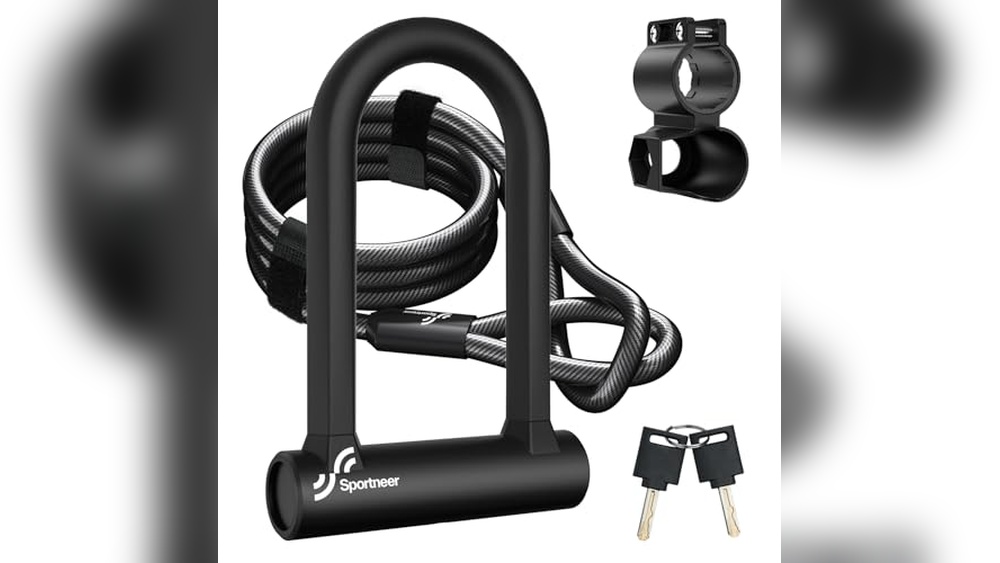
There are several types of combination bike locks. Cable locks use a flexible wire covered in plastic. They are light and easy to carry but less secure. U-locks have a solid metal shackle shaped like a “U.” They offer strong protection and resist cutting. Chain locks use thick metal links. They are heavy but very tough. Some locks have dials, while others use a push-button or keyless system. Choose the type that fits your bike and parking habits.
Security Features To Consider
Look for locks made with hardened steel. This material resists cutting and sawing. The locking mechanism should be sturdy and hard to pick. Some locks have anti-rust coatings for weather resistance. Check if the lock has a resettable combination for convenience. A lock with a protective cover can prevent dirt from damaging the dials. Consider the lock’s weight and size for daily use. Balance security and portability for the best result.
Preparing To Set Your Combination
Before setting a new combination on your bike lock, some preparation is necessary. This ensures the lock will work smoothly and keep your bike secure. Taking a few minutes to get ready helps avoid mistakes later.
Start by understanding your lock’s parts and how the reset mechanism works. Knowing the default setting also helps you begin the process correctly. These steps make setting your combination easier and more reliable.
Locating The Reset Mechanism
The reset mechanism is key to changing your lock’s combination. It is usually a small lever or button near the dials or shackle. Look closely at your lock’s body for a part that moves or can be pushed.
Some locks have a tiny pinhole that requires a tool to press. Others use a rotating collar or a switch that flips. Check the instructions that came with your lock if you are unsure. Identifying this part correctly is important before setting your code.
Setting The Lock To Default
Most combination locks come with a factory-set default code. This code often is “0000” or “1234.” Turn the dials to this default setting to unlock the mechanism first. This step clears any previous combinations.
Once the lock opens at the default code, you can safely access the reset mechanism. Make sure the numbers are perfectly aligned on the line. Misaligned numbers can cause the lock not to reset properly.
With the lock set to default and the reset mechanism located, you are ready to choose your new combination. Preparing these steps carefully ensures your new code will work without problems.
Step-by-step Combination Setup
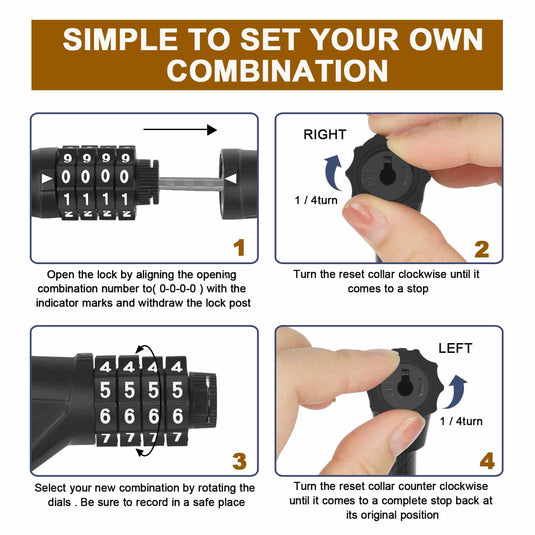
Setting a combination on your bike lock is simple and quick. Follow these clear steps to create a personal code. This helps keep your bike safe and easy to access. The process involves aligning numbers, turning the reset knob, choosing a code, and securing it. Each step is important to ensure your lock works properly.
Aligning The Numbers
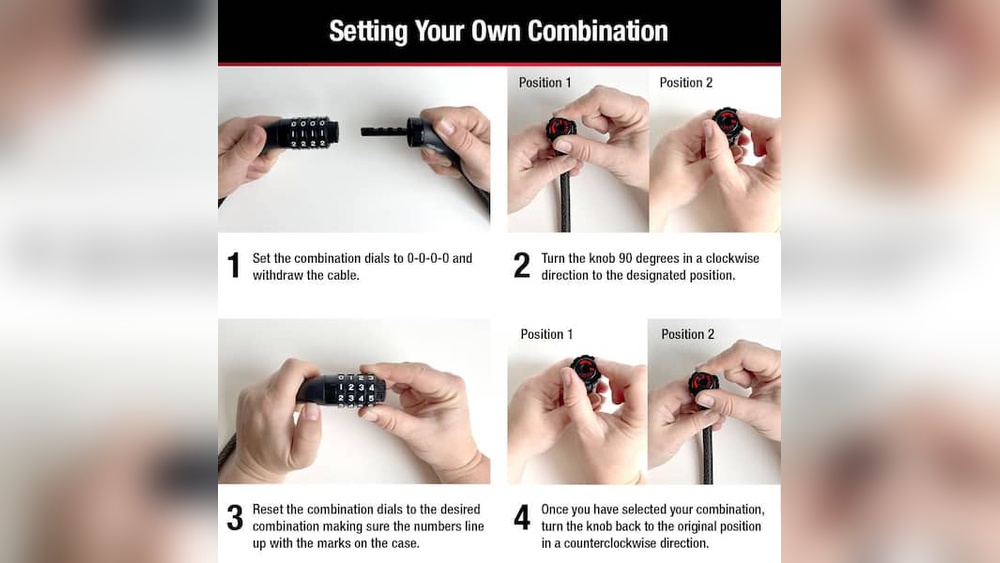
Start by turning the dials to the default combination. Usually, this is 0-0-0 or 1-2-3. Make sure the numbers line up exactly on the marker. This alignment is key before you change the code. Check twice to avoid mistakes later.
Turning The Reset Knob
Locate the reset knob or lever on your lock. It is often on the side or bottom. Turn or pull the knob according to the lock’s instructions. This action prepares the lock to accept a new combination. Keep the knob in the reset position while you set your code.
Setting Your Personal Code
Choose a combination that is easy for you to remember. Avoid obvious numbers like 1-2-3 or your birth year. Turn each dial to the number you want. Align all numbers carefully on the marker. Take your time to pick a secure and memorable code.
Securing The Combination
Turn the reset knob back to its original position. You may hear a click or feel it snap into place. This locks your new combination in. Test the lock by closing and reopening it with the new code. Make sure the numbers stay aligned when locking and unlocking.
Testing The New Combination
Testing the new combination is an important step after setting your bike lock. It confirms the lock works smoothly with your chosen numbers. This step avoids frustration later when you need to secure your bike quickly. Take your time to test and feel confident about your new combination.
Opening And Closing The Lock
Start by aligning the dials to your new combination. Pull up the shackle gently to open the lock. If it does not open, check the numbers again and try once more. Close the lock by pushing the shackle down firmly. Scramble the dials to lock it securely. Repeat this open and close process a few times to be sure.
Ensuring Proper Alignment
Make sure each number on the dial lines up exactly with the marker. Misalignment can prevent the lock from opening. Slowly turn each dial to check for smooth movement. If you notice resistance or difficulty, reset the numbers carefully. Proper alignment helps your lock work without jamming or sticking.
Tips For Strong Combinations
Setting a strong combination for your bike lock is essential for security. Weak codes make it easy for thieves to guess and steal your bike. Use smart strategies to create combinations that are hard to break but easy to remember. Below are useful tips for strong combinations.
Avoiding Common Number Patterns
Do not use simple sequences like 1234 or 0000. These are the first guesses for thieves. Avoid repeating numbers such as 1111 or 2222. Skip patterns like 2468 or 1357, which are easy to predict. Try to pick numbers that seem random and do not follow a clear order. This adds extra protection to your bike lock.
Choosing Memorable Yet Secure Codes
Pick numbers that you can remember without writing them down. Use dates that mean something but are not obvious, like a childhood home number or a favorite year. Combine numbers from different sources to create unique codes. Avoid birthdays or anniversaries that others can guess easily. Keep your code private and do not share it with many people.
Changing Your Combination Later
Changing your bike lock combination later is simple and useful. It helps keep your bike safe if you suspect someone else knows your code. Resetting your combination also lets you pick a new, easier-to-remember code.
When To Reset Your Code
Reset your code if you think someone else knows it. Also, change it if you forget your current combination. Change it after lending your bike to a friend. Resetting often keeps your bike secure from theft.
Steps To Update The Combination
First, open your lock using the current combination. Find the reset lever or button on the lock. Move the lever or press the button to enter reset mode. Turn the dials to set your new combination. Make sure to choose a code you can remember. Move the reset lever back or release the button. Close the lock and test your new combination several times.
Troubleshooting Common Issues
Setting a combination bike lock can be simple, but issues sometimes arise. Troubleshooting common problems helps you avoid lockouts and frustration. Understanding these issues saves time and keeps your bike secure.
Below are solutions for frequent challenges like forgotten combinations and locks not opening after reset. Follow these steps carefully for a smooth experience.
Forgotten Combination Solutions
Start by checking if you wrote down the combination. Look in common places like notebooks or phone notes. Try all possible combinations if you remember part of the code. Use a flashlight to see the numbers clearly. Slowly turn each dial and test each number. If the lock has a reset button, try pressing it gently. Avoid forcing the lock as it may cause damage. Contact the lock manufacturer with proof of purchase. They may provide a recovery method or replacement options.
Lock Not Opening After Reset
Ensure the dials are aligned exactly on the numbers. Turn the reset knob fully back to its original position. Check if the shackle moves up slightly before trying to open. Sometimes the lock needs a small pull while turning the dials. Try pressing the shackle down and then lifting it. If it still does not open, repeat the reset process carefully. Avoid rushing, as misalignment can cause the lock to jam. Clean the lock mechanism with compressed air if dirt is present. Lubricate with a silicone spray if the lock feels stiff.

Credit: www.youtube.com
Maintaining Your Bike Lock
Maintaining your bike lock keeps it working smoothly and lasts longer. Dirt and rust can cause problems. Simple care helps avoid stuck or broken locks. Follow these easy steps to keep your lock in good shape.
Regular Cleaning And Lubrication
Clean your bike lock regularly with a soft cloth. Remove dirt and dust from the dials and shackle. Use a small brush to reach tight spots. Avoid water inside the lock to prevent rust.
Apply a light lubricant, like graphite or silicone spray, to the lock mechanism. This helps the parts move easily. Do this every few months or after rain. Wipe away any extra oil to stop dirt buildup.
Storing The Lock Properly
Store your bike lock in a dry place when not in use. Avoid leaving it outside for long periods. Moisture can cause rust and damage the lock parts.
Keep the lock away from extreme heat or cold. These conditions can weaken the materials. If possible, hang the lock or place it in a protective bag. This prevents scratches and keeps it clean.
Credit: www.youtube.com
Frequently Asked Questions
How To Set A 5 Digit Combination Lock?
Align the lock to the current combination. Turn the reset knob counterclockwise. Set your new 5-digit code. Rotate the knob clockwise to lock. Test the new combination to confirm.
How To Set A 4 Digit Combination Lock?
Align the lock to the current combination and pull up the shackle. Turn the reset knob counterclockwise. Set your new 4-digit code. Rotate the knob clockwise back to the original position. Test the new combination by locking and unlocking the shackle.
How To Set A 3 Digit Combination Lock?
Align the dials to the current combination and pull up the shackle. Turn the reset knob counterclockwise. Set your new 3-digit code. Rotate the knob back clockwise until it clicks. Test the new combination by locking and unlocking the lock.
How To Set A Combination Lock For The First Time?
Align the default numbers to 0-0-0. Pull up the shackle and turn the reset knob. Set your new combination. Return the knob to lock position. Test the new code and scramble the dials to secure.
Conclusion
Setting a combination bike lock is simple and quick. Always remember your chosen numbers. Align the digits carefully to lock and unlock. Test the lock several times after setting. Keep your combination safe and private. This small step helps protect your bike.
Practice setting it a few times for confidence. Enjoy secure rides knowing your bike stays safe.