You’ve got a reliable bike lock, but where do you keep it while you’re riding? Storing your bike lock on your bike might seem tricky, but it doesn’t have to be.
The right storage method keeps your lock handy, prevents damage, and even helps you ride more comfortably. In this guide, you’ll discover simple, practical ways to carry your bike lock securely and conveniently. Whether you have a U-lock, cable lock, or chain lock, you’ll learn easy tricks to keep it out of your way but always within reach.
Ready to make your rides smoother and safer? Let’s dive into how to store your bike lock on your bike the right way.

Credit: www.reddit.com
Lock Mounting Options
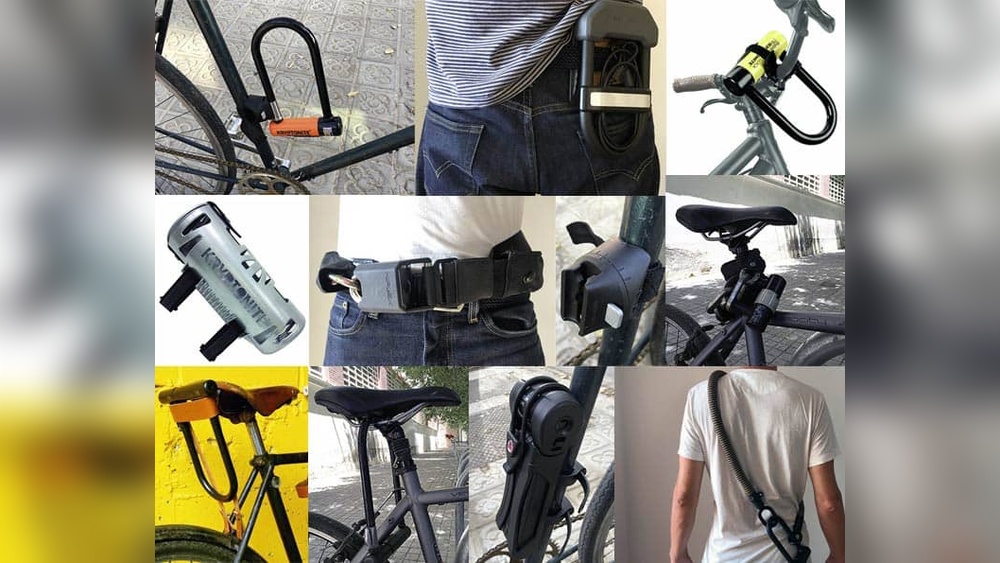
Finding the right place to store your bike lock on your bike helps keep it handy and secure. Different mounting options suit different types of locks and bike frames. Choose a method that fits your bike style and riding needs. Proper lock storage prevents noise, damage, and makes locking easier after rides.
Frame Mount Holders
Frame mount holders attach directly to your bike frame. They hold U-locks or folding locks snugly. These holders use brackets that screw into the frame’s bottle cage holes. The lock stays stable and does not bounce during rides. Frame mounts keep the lock within easy reach, saving space in bags.
Seat Post Attachments
Seat post attachments wrap around the seat post. They are great for cable locks or small U-locks. These mounts use Velcro straps or clamps to secure the lock. Seat post holders free up frame space and keep the lock off the ground. They offer quick access without removing bags or panniers.
Rear Rack Solutions
Rear rack solutions fix the lock to a bike’s rear rack. This option works well if you use a rear rack for carrying gear. Locks can be strapped or clipped onto the rack. It keeps the lock stable and easy to grab. This method is ideal for longer locks like chain locks.
Backpack Carriers
Backpack carriers carry the lock off the bike entirely. You can store the lock inside a bike-specific backpack pocket. This keeps the lock protected and out of the way. Backpack storage works well for riders without mounting options on their bikes. It also adds extra storage for other essentials.
Wrapping Techniques
Proper wrapping techniques keep your bike lock secure and easy to carry. Wrapping also prevents damage to your bike frame. It makes locking and unlocking faster and more convenient. Different locks need different wrapping styles for best results. Below are some simple tips to wrap common bike locks.
U-lock Wrapping Tips
Hold the U-lock so its shackle faces outward. Place the lock against your bike frame’s main triangle. Wrap the U-lock’s crossbar around the bike’s frame tube. Use a small strap or Velcro to secure the lock in place. Avoid letting the lock dangle or hit the bike frame. This wrapping method reduces noise and frame scratches.
Cable Lock Coiling
Start by holding one end of the cable lock. Coil the cable in loops, following its natural curve. Avoid tight coils that can damage the cable. Secure the coiled cable with its built-in Velcro or a rubber band. Attach the coiled lock to your bike frame or saddle rails. This keeps the cable neat and easy to grab.
Combining Lock Types
Use both U-lock and cable lock for extra security. Wrap the U-lock on the bike frame as described. Coil the cable lock and thread it through the U-lock shackle. Secure the cable lock to the frame with a strap or clip. This method keeps both locks together and ready. It saves space and reduces lock juggling while riding.
Security Tips
Keeping your bike lock secure on your bike helps prevent theft and damage. Small habits can make a big difference. Follow these simple security tips to protect your bike and lock better.
Lock Placement For Safety
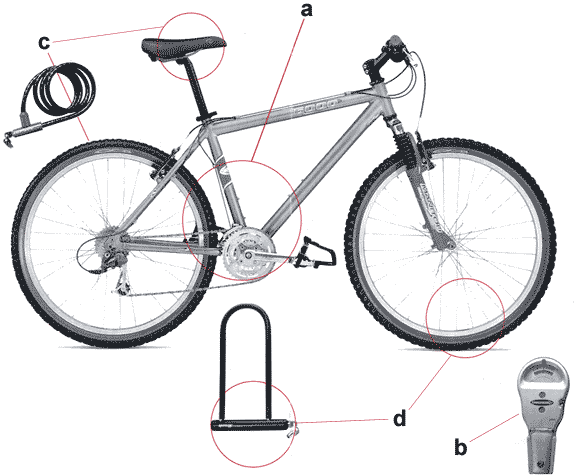
Place your lock where it is hard to reach and tamper with. Mount it on the bike frame, not on the spokes or wheels. Avoid loose placements that bounce or rattle during rides. A tight fit reduces noise and signals better security.
Using Secondary Locks
Use a second lock to secure parts like wheels or seat. A cable lock works well as a backup. It adds another layer of protection. Thieves avoid bikes with multiple locks because it takes more time to break them.
Avoiding Theft Traps
Do not store your lock in obvious spots like under the seat or handlebar bag. Thieves often check those places first. Change where you keep your lock to avoid patterns. Use hidden mountings or lock holders designed for stealth.
Credit: www.trekchicago.com
Legal Considerations
Storing a bike lock on your bike involves more than just convenience. Legal considerations play a big role in how you handle your lock and interact with others’ property. Understanding these rules keeps you safe from legal trouble and helps maintain good community relations.
Locking Others’ Bikes Risks
Putting your lock on someone else’s bike can cause legal problems. It may be seen as vandalism or theft. This act blocks the owner from using their bike. Authorities may treat this as a serious offense. Avoid locking bikes that are not yours to prevent disputes.
Reporting Suspicious Locks
Suspicious or unknown locks found on your bike should be reported. Contact local police or bike security services. Reporting helps protect your property and others’. Taking action quickly can prevent theft or damage. Keep an eye on your bike and surrounding area for unusual locks.
Local Regulations Overview
Bike lock laws vary by city and country. Some places have strict rules about where and how you can lock your bike. Others regulate the type of locks allowed or storage methods. Check your local laws to ensure compliance. Following these rules avoids fines and legal issues.
Practical Storage Advice
Storing your bike lock on your bike saves time and keeps it handy. The right storage method protects the lock and keeps it ready for use. Practical storage balances protection, access, and weight on your bike.
Weather Protection
Protect the lock from rain, dust, and sun damage. Use a lock holder with a cover or waterproof case. Dry the lock after riding in wet weather. Rust and corrosion reduce the lock’s lifespan and security. Keeping the lock clean improves its function.
Quick Access Methods
Store the lock where you can reach it fast. Mount holders on the frame or under the seat. Avoid places that block pedaling or steering. Velcro straps and clips help attach cable locks easily. Quick access saves time and avoids frustration.
Balancing Weight And Convenience
Heavy locks add weight but offer better security. Position the lock to keep the bike balanced. Avoid placing it high or far from the center. Use lightweight locks for long rides and heavy ones for city rides. Choose storage that suits your riding style and lock size.

Credit: www.rushyashya.net
Color And Theft Deterrence
Color plays a key role in theft deterrence for bike locks. Choosing the right color for your lock and bike can reduce theft risk. Thieves often target bikes and locks that look easy to break or steal. Bright colors may attract more attention, while dull colors can blend in and appear less tempting.
Bike Color Impact
The bike’s color affects how noticeable the lock appears. Dark bikes with dark locks are less visible to thieves. Bright bikes may make locks stand out more, drawing unwanted attention. A subtle color scheme can help your lock and bike look less valuable. Thieves often avoid bikes that don’t catch their eye quickly.
Choosing Less Attractive Colors
Pick lock colors that do not shine or flash. Black, gray, or dark blue locks are less eye-catching. Avoid neon or bright red colors that scream “valuable.” These colors can make thieves curious and more likely to try breaking the lock. Keep your lock’s color simple to keep it hidden.
Additional Visual Deterrents
Use stickers or marks that warn of security measures. Decals saying “Protected” or “Alarmed” can scare off thieves. Reflective strips also add visibility and suggest extra care. Adding a lock cover with warning signs increases theft deterrence. Small visual cues can make a big difference in theft prevention.
Frequently Asked Questions
How To Wrap A Bike Lock Around A Bike?
Wrap the bike lock around the frame and a fixed object. Ensure the lock secures both the frame and one wheel. Follow the lock’s curve to form a tight circle. Keep the lock snug to prevent easy removal or tampering.
Where To Put The Bicycle Lock?
Place the bicycle lock through the frame and a secure, immovable object. Lock the front wheel as a secondary step.
Is It Illegal To Put A Bike Lock On Someone Else’s Bike?
Yes, putting a lock on someone else’s bike is illegal. It blocks their access and violates property rights. This act can be considered theft or vandalism and may lead to criminal charges. Always report concerns to local authorities instead of interfering.
What Color Bike Is Least Likely To Be Stolen?
Brightly colored bikes, like neon green or orange, are least likely to be stolen. They attract attention and deter thieves.
Conclusion
Storing your bike lock properly keeps it safe and easy to use. Choose a spot on your bike that won’t interfere with riding. Use lock holders or straps for secure attachment. Wrapping your lock neatly prevents damage and loss. Regularly check the lock’s position before each ride.
This simple habit saves time and protects your bike. Keep your lock accessible but out of the way. With the right storage, your lock stays ready whenever needed.


