You’ve got your bike lock, but where exactly should you put it on your bike? This might seem like a small detail, but placing your lock in the right spot can save you time, hassle, and even protect your bike better.
If you’ve ever struggled with a loose lock swinging around or worried about damaging your bike frame, you’re not alone. You’ll discover the best places to secure your bike lock so it’s safe, convenient, and ready when you need it.
Keep reading to find out how a simple change can make a big difference every time you ride.
Choosing The Right Lock Type
Choosing the right lock type is key to protecting your bike. Different locks offer different levels of security and convenience. Picking a lock that fits your needs helps keep your bike safe and easy to carry.
U-locks Vs Cable Locks
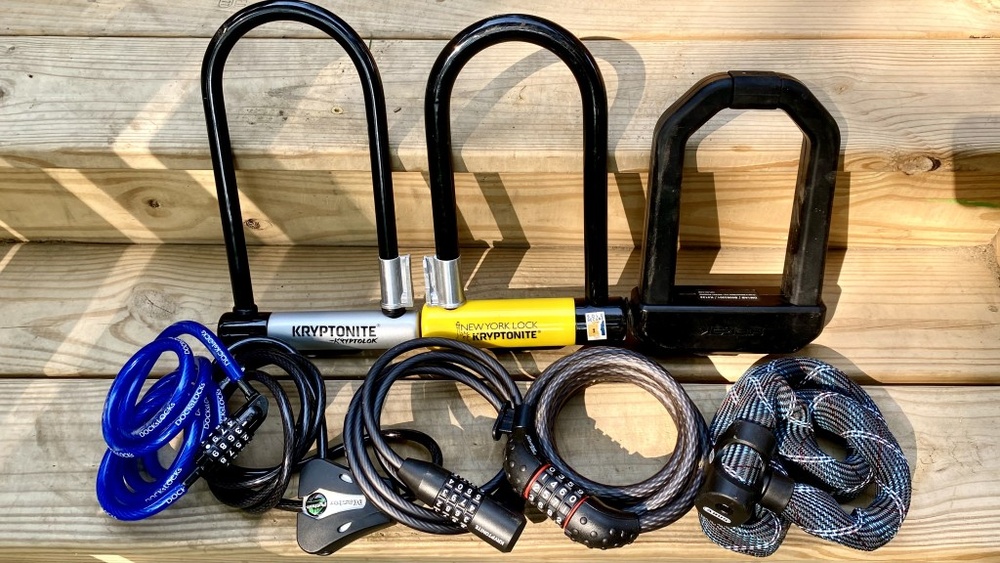
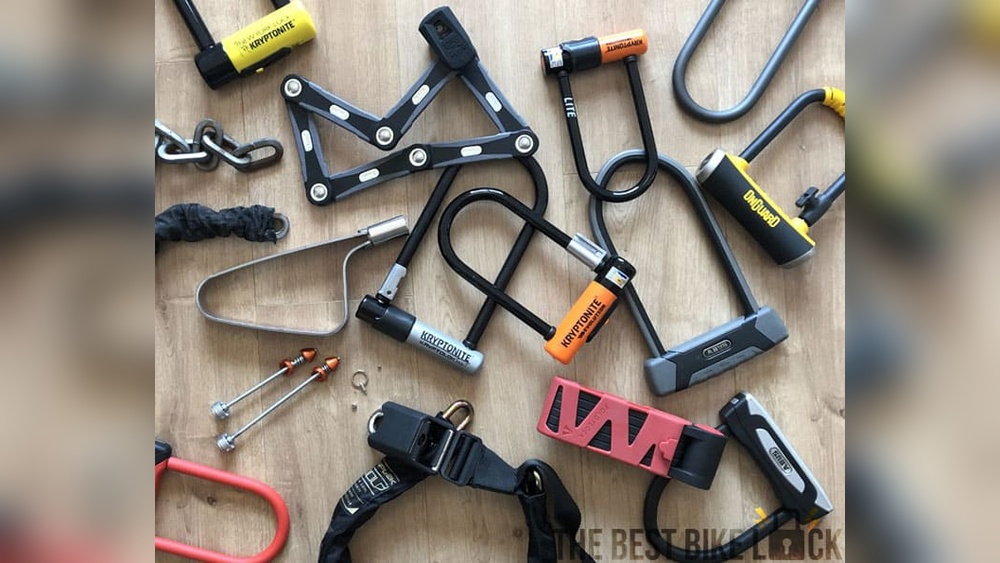
U-locks are strong and hard to break. They fit around the bike frame and a solid object. Cable locks are lighter and flexible. They wrap around wheels or parts of the bike. U-locks offer better security, but cables are easier to carry.
Chain Locks For Heavy Security
Chain locks are thick and tough. They provide strong protection against thieves. Use them to lock your bike to big, fixed objects. Chains are heavy but give peace of mind in risky areas.
Folding Locks For Portability
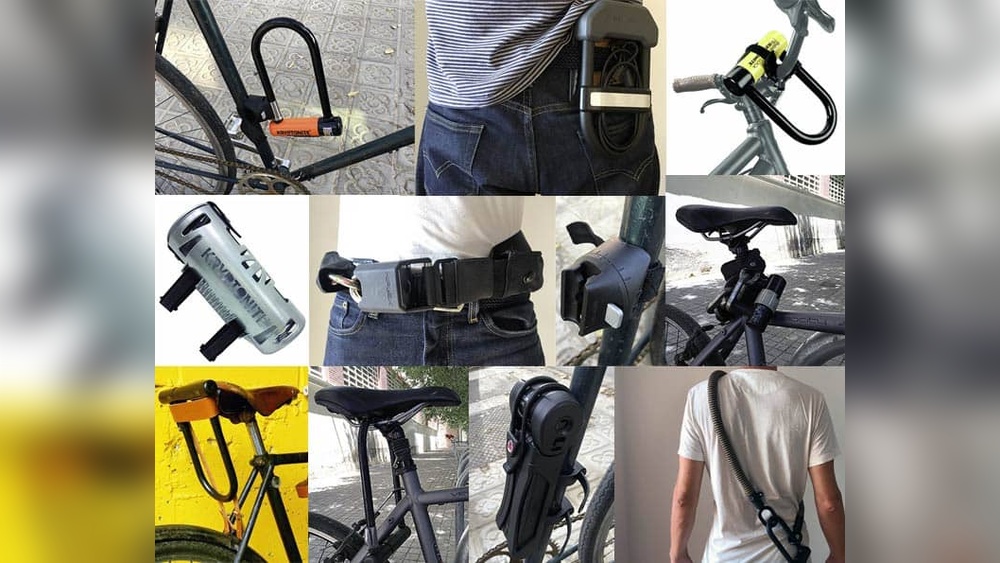
Folding locks fold into small shapes. They are easy to carry in bags or on the bike frame. Folding locks offer moderate security. They work well for short stops and urban areas.

Credit: thebestbikelock.com
Ideal Lock Placement On Frame
Placing a bike lock on the right part of the frame is very important. The frame is the strongest part of the bike. Locking it properly helps stop thieves from taking your bike. You want to make sure the lock holds the frame tightly to a fixed object. This keeps your bike safe and secure. Let’s see the best ways to place your lock on the frame.
Securing The Frame To A Fixed Object
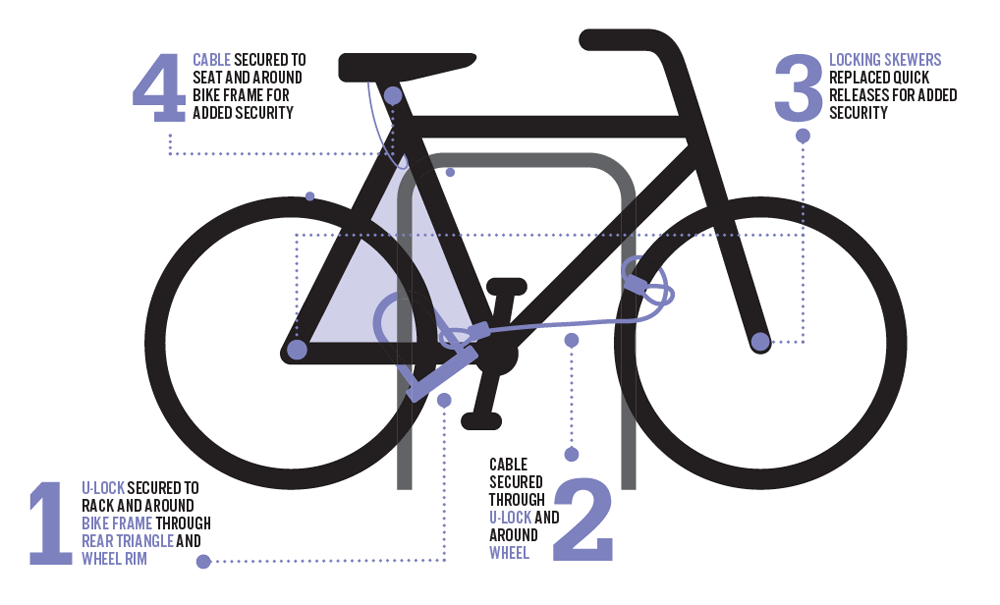
Always lock the frame to a solid object like a bike rack or pole. The lock must go through the main triangle of the frame. This part is strong and hard to break. Make sure the object is heavy and cannot be moved. A thick, sturdy pole is the best choice. This stops thieves from lifting your bike away.
Locking Both Wheels
Thieves often steal wheels if they are not locked. Use a second lock to secure the front wheel. Or use a longer lock that goes around both wheels and the frame. This stops easy wheel theft. Keep the wheels close to the frame when locking. It makes it harder to remove any part.
Avoiding Weak Points On The Frame
Do not lock the bike by the seat post or quick-release parts. These parts can be removed quickly. The lock must go around the main frame tubes. Avoid thin or weak parts that can be cut easily. Locking the strongest part keeps your bike safer. Always check the frame for solid spots before locking.
Locking Techniques For Maximum Security
Keeping your bike safe starts with smart locking techniques. Proper lock placement stops thieves from using tools to pry your bike loose. Small mistakes in locking can make your bike easy to steal. Learn how to lock your bike to make it tough to break.
Positioning The Lock To Prevent Leverage
Place the lock close to the bike frame and the fixed object. Avoid leaving space inside the lock that tools can fit into. Lock the thickest parts of the frame, not just the wheels. This reduces leverage points for crowbars or similar tools. Keep the lock off the ground to stop hammer attacks.
Using Multiple Locks Effectively
Use two locks to secure different parts of the bike. One lock should secure the frame to a solid object. The second lock can secure the front wheel or seat. Different lock types make theft harder and slower. Always lock to a fixed, immovable object that cannot be lifted or cut easily.
Securing Quick-release Components
Remove quick-release wheels or seats when leaving your bike. Carry them with you or lock them separately. Use cable locks or small chains to secure these parts. Replace quick-release levers with locking skewers for better security. Thieves target quick-release parts because they are easy to steal.
Common Mistakes To Avoid
Securing your bike properly is key to preventing theft. Many cyclists make simple mistakes that leave their bikes vulnerable. Avoiding these common errors increases your bike’s safety. Here are some frequent mistakes to watch out for when locking your bike.
Locking Only The Wheel
Locking just the wheel is a major mistake. Thieves can easily remove the unlocked frame and take it. Always lock the frame, not just a wheel. The frame is the main part and harder to steal. Secure both the frame and at least one wheel with your lock.
Choosing Inadequate Lock Locations
Picking poor places to lock your bike reduces security. Avoid weak or small objects like thin posts or trees. These can be cut or broken quickly. Look for strong, fixed objects that cannot move or be broken. Solid metal racks or poles anchored to the ground are best.
Ignoring Surrounding Environment
Ignoring the area around your bike can risk theft. Avoid dark, hidden spots where thieves can work unseen. Busy, well-lit areas offer more protection. Check for cameras or security presence nearby. The environment matters as much as the lock itself.
Additional Tips For Bike Security
Keeping your bike safe goes beyond just locking it. There are smart steps to improve security. These tips help reduce the risk of theft and protect your bike better.
Parking In Well-lit Areas
Choose bright and busy spots to park your bike. Thieves avoid places where people can see them. Good lighting makes it harder for thieves to work unnoticed. Always pick a spot near shops or streetlights.
Registering Your Bike
Register your bike with local or national databases. This helps police identify your bike if it gets stolen. It also proves that the bike belongs to you. Registration increases the chance of getting your bike back.
Using Gps Trackers
Attach a GPS tracker to your bike for extra security. Trackers help find your bike if it goes missing. Some trackers send alerts if your bike moves. This tool adds a layer of protection beyond locks.
Credit: sfbike.org

Credit: www.stolenride.co.uk
Frequently Asked Questions
Where Is The Safest Place To Lock A Bike Frame?
The safest place to lock a bike frame is around the frame and a solid, immovable object. This prevents thieves from easily removing the bike. Always lock the frame and at least one wheel to ensure maximum security.
Can I Lock My Bike To A Bike Rack?
Yes, locking your bike to a bike rack is ideal. Choose a sturdy rack that is firmly anchored to the ground. Lock both the frame and one wheel to the rack for effective protection.
Should I Lock Both Wheels Or Just One?
It’s best to lock both wheels if possible. Use a U-lock for the frame and rear wheel, plus a cable lock for the front wheel. This makes it harder for thieves to steal any part of your bike.
Where To Avoid Placing A Bike Lock?
Avoid locking your bike to thin or movable objects like signposts or trees. These can be easily cut or removed. Always choose solid, fixed structures like metal racks or sturdy poles.
Conclusion
Choosing the right spot to lock your bike keeps it safe and secure. Place the lock through the frame and a solid object like a pole or bike rack. Avoid locking only the wheel; thieves can remove parts easily. Always pick a well-lit, busy area to park your bike.
Double-check the lock before leaving. Small steps help protect your bike from theft every day. Stay smart, stay safe.