Have you ever wondered how bike thieves manage to break locks that seem so strong? You might think your lock is unbreakable, but thieves have tricks that can surprise you.
Understanding these methods can help you protect your bike better. Keep reading to discover exactly how bike thieves break locks—and what you can do to stop them.
Credit: kdfoundation.org
Common Lock Types
Bikes need strong locks to stay safe. Thieves use different ways to break these locks. Knowing how thieves attack each lock helps you choose better protection.
Several common types of bike locks exist. Each has strengths and weaknesses. Thieves use different tools to break them. Understanding these locks helps you stay one step ahead.
U-locks
U-locks are shaped like a horseshoe. They are strong and hard to cut. Thieves try to pry them open with crowbars. Sometimes they use power tools to cut through. The metal thickness matters. Thin U-locks break easier than thick ones.
Chain Locks
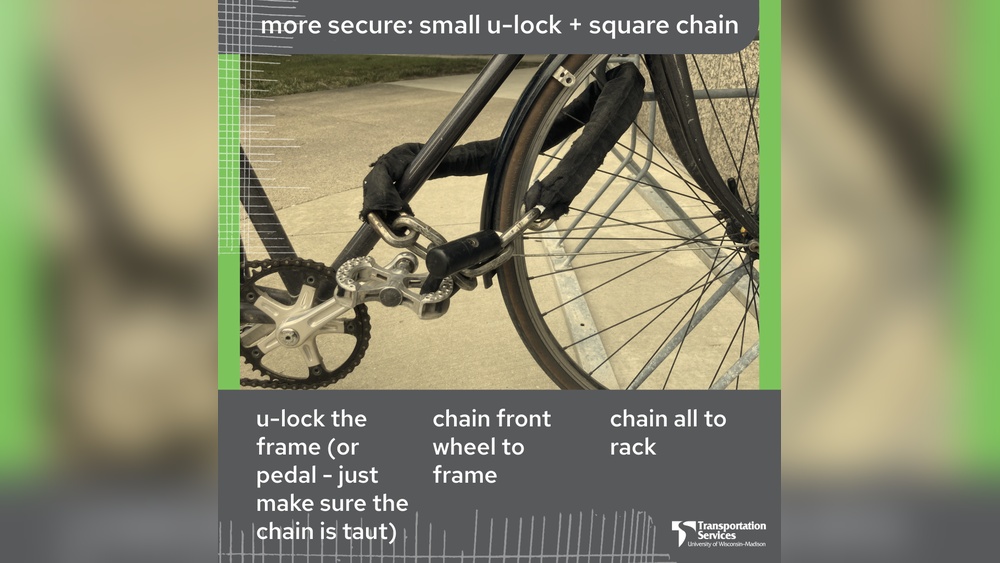
Chain locks use metal links to secure bikes. Thieves try to cut links with bolt cutters. Heavy, thick chains resist cutting better. Some chains have hardened steel to stop cutting tools. Chains can also be smashed with hammers or chisels.
Cable Locks
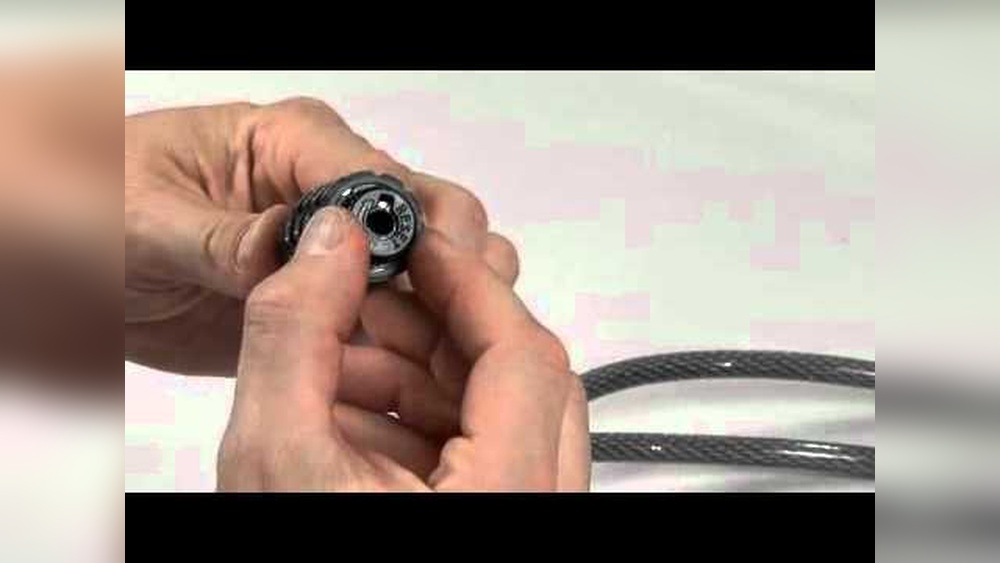
Cable locks are flexible wires covered in plastic. Thieves cut cables with wire cutters easily. Thin cables offer low protection. Thick cables last longer but still break with strong tools. Cables can also be sliced with knives or scissors.
Folding Locks
Folding locks fold into compact shapes. They have metal plates joined by rivets. Thieves try to break rivets with pliers or hammers. Some folding locks use hardened steel for strength. Rivets and joints are the weak spots thieves target.

Credit: www.amazon.com
Physical Attacks
Physical attacks are common ways thieves break bike locks. They use tools and force to cut or break locks quickly. Understanding these methods helps you choose better locks and protect your bike.
Bolt Cutters
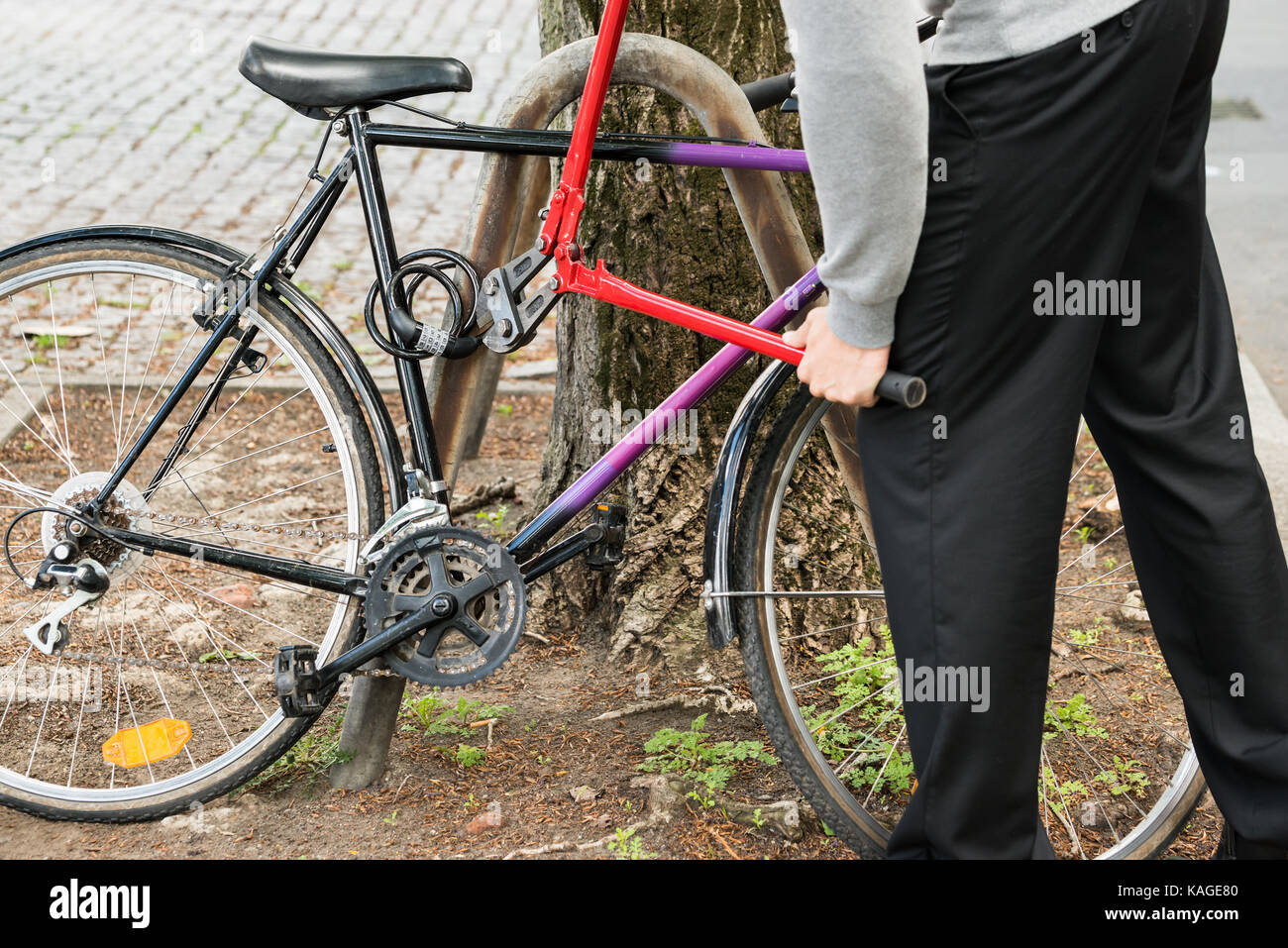
Bolt cutters are strong hand tools with long handles. Thieves use them to cut through chains and cables. They apply pressure to snap metal parts of the lock. Thick, hardened steel locks can resist bolt cutters well.
Hammers And Leverage
Thieves use hammers to hit locks hard. They try to break weak parts or pins inside the lock. Leverage tools help twist or pry the lock apart. Locks with solid metal bodies stand better against this attack.
Angle Grinders
Angle grinders are power tools with spinning discs. Thieves use them to grind through metal locks fast. Sparks fly as the disc cuts through chains and bolts. Locks made from hardened steel can slow down angle grinders.
Lock Picking Techniques
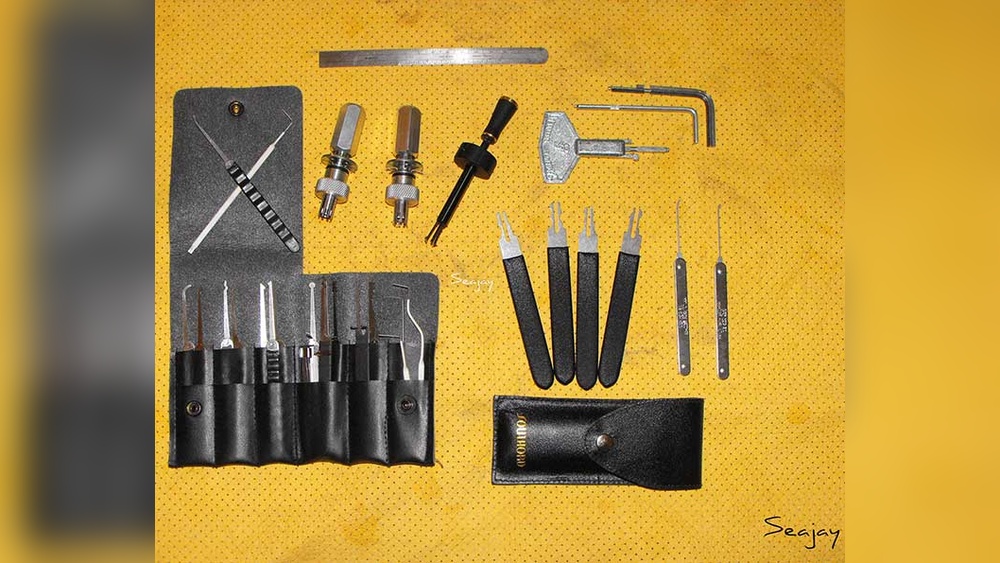
Lock picking techniques are common methods thieves use to open bike locks without keys. These techniques target the lock’s pins inside the cylinder. Understanding these methods helps you see how vulnerable some locks can be. It also shows why strong locks matter for bike security.
Raking
Raking is a quick way to pick a lock. Thieves use a tool called a rake. They move it back and forth inside the lock. This motion causes several pins to jump to the correct height at once. It’s fast but not always precise. Raking works best on simpler locks with fewer security features.
Single Pin Picking
Single pin picking is slower and more precise. Thieves lift each pin one by one. They feel for the pins that bind and push them up carefully. This method takes skill and patience. It can open more complex locks that raking cannot. Single pin picking is common among experienced lock pickers.
Bumping
Bumping uses a special key called a bump key. This key fits into the lock and is tapped sharply. The tap causes the pins to jump briefly. While the pins are in the air, the thief turns the lock. Bumping can open many locks quickly. It’s silent and leaves little trace, making it popular among thieves.

Credit: www.amazon.com
Exploiting Lock Weaknesses
Bike thieves often find ways to break locks by targeting their weak points. Locks are designed to protect, but every lock has some flaws. Thieves learn to spot and use these flaws. Understanding these methods helps you choose better locks and protect your bike.
Shimming
Shimming is a simple trick to open some locks. Thieves slide thin metal pieces between the lock’s parts. This stops the lock from fully closing. The lock opens without a key. Locks with spring-loaded shackles are the most vulnerable. Good locks use stronger designs to stop shimming.
Freezing And Striking
Some thieves use cold spray to freeze the lock. After freezing, they hit the lock hard with a hammer. The cold makes the metal brittle and easy to break. This method works on cheap or old locks. Stronger locks use hardened steel to resist breaking.
Impressioning
Impressioning is a careful way to open a lock without damage. Thieves insert a blank key and turn it. Marks show where the pins inside the lock catch. They file the blank key and try again. This takes time and skill but can open many locks. Locks with complex pins are harder to pick this way.
High-tech Methods
Bike thieves now use advanced technology to break locks. These high-tech methods are quick and hard to detect. They target electronic and smart locks that many cyclists trust. Understanding these techniques helps you protect your bike better.
Electronic Hacking
Thieves use small devices to hack electronic locks. These devices send signals to confuse the lock. The lock then opens without a key or code. This method is silent and leaves no marks.
Key Cloning
Some locks use electronic keys or fobs. Thieves copy these keys using special machines. They capture the key’s signal in seconds. After cloning, the fake key works just like the original.
Use Of 3d Printed Tools
3D printers help thieves make exact lock tools. They create picks and keys that fit the lock perfectly. These tools are cheap and easy to produce. This method can bypass even complex lock systems.
Preventive Measures
Bike thieves use many tools and tricks to break locks. Stopping them starts with strong preventive steps. These steps make stealing harder and protect your bike better. Learn how to choose good locks, use them right, and add extra security.
Choosing Strong Locks
Pick locks made from tough materials like hardened steel. U-locks and heavy-duty chain locks work well. Avoid cheap cable locks; they cut easily. Look for locks with high safety ratings. A strong lock slows down thieves and may stop them.
Proper Locking Techniques
Lock your bike to a solid, fixed object. Make sure the lock fits tightly around the frame and the object. Lock the frame and both wheels if possible. Avoid locking only the wheel; thieves can remove other parts. Place the lock off the ground to avoid leverage attacks.
Additional Security Devices
Use extra tools like wheel locks or alarm systems. GPS trackers help find bikes if stolen. Reflective stickers or lights increase bike visibility. These devices add layers of safety. More protection means less chance for thieves to succeed.
Frequently Asked Questions
How Do Bike Thieves Break U-locks?
Thieves often use leverage tools to twist and snap U-locks. Some use portable angle grinders to cut through hardened steel. Quick action and noisy tools make these methods risky but effective if the lock is low quality.
Can Thieves Pick Combination Bike Locks Easily?
Yes, some combination locks can be picked or decoded by skilled thieves. They use tools to feel internal mechanisms or try common combinations. High-quality locks with complex dials reduce this risk significantly.
What Tools Do Thieves Use To Break Cable Locks?
Thieves commonly use bolt cutters or wire cutters to break cable locks. Cheap cables are vulnerable to these tools. Thick, braided steel cables with protective coatings offer better resistance.
Are Chain Locks Safer Against Theft Methods?
Heavy-duty chain locks made of hardened steel resist cutting and leverage attacks better. Thieves need larger tools and more time to break them, increasing chances of getting caught. Always choose chains with high security ratings.
Conclusion
Bike thieves use many tools and tricks to break locks. They often pick weak spots or cut through metal. Knowing how thieves work helps you protect your bike better. Choose strong locks and secure your bike in safe places. Stay alert and check your lock often.
Small actions can stop thieves from stealing your bike. Keep your bike safe and ride with peace of mind.