You want to keep your bike safe, right? But what if someone tries to cut through your lock?
It’s a scary thought. You might wonder, “Is there a bike lock that cannot be cut? ” Finding the answer could save you from losing your bike. You’ll discover the truth about unbreakable bike locks and learn how to choose one that keeps your ride secure.
Keep reading—your bike’s safety depends on it.
Types Of Bike Locks
Choosing the right bike lock helps protect your bike from theft. Different locks offer different levels of security. Understanding the types of bike locks helps you pick one that suits your needs. Each type has strengths and weaknesses. Let’s explore the main types of bike locks.
U-locks
U-locks are made of solid metal shaped like the letter “U.” They are strong and hard to cut. Most thieves find it difficult to break them quickly. U-locks work best on fixed objects like bike racks. They offer good protection for urban areas.
Chain Locks
Chain locks use thick metal links connected by a lock. They are flexible and allow locking in many ways. Strong chains resist cutting better than thin ones. Some chains come with protective covers to stop scratches. They balance security and versatility well.
Folding Locks
Folding locks consist of metal bars linked by rivets. They fold into a compact shape for easy carrying. These locks are harder to cut than cables. They fit well in bags or pockets. Folding locks offer moderate security and convenience.
Cable Locks
Cable locks are light and flexible, made of steel wire covered in plastic. They are easy to carry and use. Cables are the easiest to cut among bike locks. Their security is lower, so use them in low-risk areas. Cable locks work better as a secondary lock.

Credit: www.amazon.com
Common Weaknesses In Bike Locks
Bike locks protect your bike from theft but none are perfect. Each lock type has weak spots that thieves can exploit. Knowing these weaknesses helps you choose better protection. Here are the most common ways bike locks fail.
Cutting Tools And Techniques
Thieves use tools like bolt cutters and angle grinders to break locks. Thin chains and cables are easy to cut with simple tools. Harder locks slow down cutting, but powerful tools still break them. Quick cutting tools make the job fast and quiet.
Lock Picking And Bumping
Some locks use pins that thieves can pick or bump open. Lock picking needs skill but is quiet and leaves no damage. Bumping uses a special key to force pins apart quickly. Cheap locks often have poor internal parts, making picking easier.
Physical Attacks
Physical attacks include hammering, prying, or twisting the lock. Some locks crack or break under force. U-locks can bend or snap if not very strong. Locks with weak parts or poor design fail faster under physical attacks.
Materials That Resist Cutting
Choosing the right material is key for bike locks that resist cutting. Some materials make cutting tools useless or slow down thieves a lot. These materials offer strength and toughness. They also help protect your bike better.
Hardened Steel
Hardened steel is very strong and hard to cut. It goes through heating and cooling to become tough. This process makes it resist saws and bolt cutters well. Many bike locks use hardened steel for their chains and shackles. This material can stand tough attacks for longer time.
Titanium And Alloy Composites
Titanium is light and very strong. Alloy composites mix metals to get the best strength. These materials are harder to cut than regular steel. They also resist rust and weather damage. Locks made from these materials last longer and stay secure.
Ceramic And Carbide Inserts
Ceramic and carbide inserts are very hard and sharp. They add extra protection inside the lock’s body. These inserts stop cutting tools from biting into the metal. Carbide is often used in industrial cutting tools. Adding it to locks helps block saws and grinders.

Credit: thebestbikelock.com
High-security Lock Features
High-security bike locks are built with special features to stop thieves. These features make cutting or breaking the lock very hard. Strong materials and smart designs keep your bike safe in busy places.
Double Locking Mechanisms
Double locking means the lock grabs the shackle in two places. This makes it harder to twist or pull the lock apart. Thieves need more time and tools to break double locks. This extra security helps protect your bike better.
Anti-pick Designs
Anti-pick locks have complex keyways and pins. These parts stop thieves from using picks or tools to open the lock. The lock’s inside parts are made to confuse or block picking tools. It keeps your bike locked even if someone tries to pick it.
Reinforced Shackles
Shackles are the U-shaped part of a lock. Reinforced shackles use thick, hardened steel. This steel resists cutting, sawing, and hammering. Some shackles have extra layers to stop bolt cutters. They protect your bike by making it very tough to break the lock.
Innovations In Bike Lock Technology
Bike lock technology has changed a lot in recent years. New designs aim to keep bikes safer from thieves. These locks use smart ideas and new tools. They offer more than just metal and keys. They help bike owners protect their rides better.
Smart Locks With Alarms
Smart locks connect to your phone. They alert you if someone tries to steal your bike. The alarm sounds loud to scare off thieves. You can check your lock’s status anytime. This helps you act quickly if needed.
Gps Tracking Integration
Some bike locks have GPS inside. This lets you find your bike if it is stolen. The lock sends location updates to your phone. It makes recovering your bike easier. Thieves find it harder to hide the bike.
Biometric Access Systems
Biometric locks use fingerprints or face recognition. Only you or trusted people can open the lock. No need for keys or codes. This stops thieves from copying keys or guessing passwords. It adds a strong layer of protection.
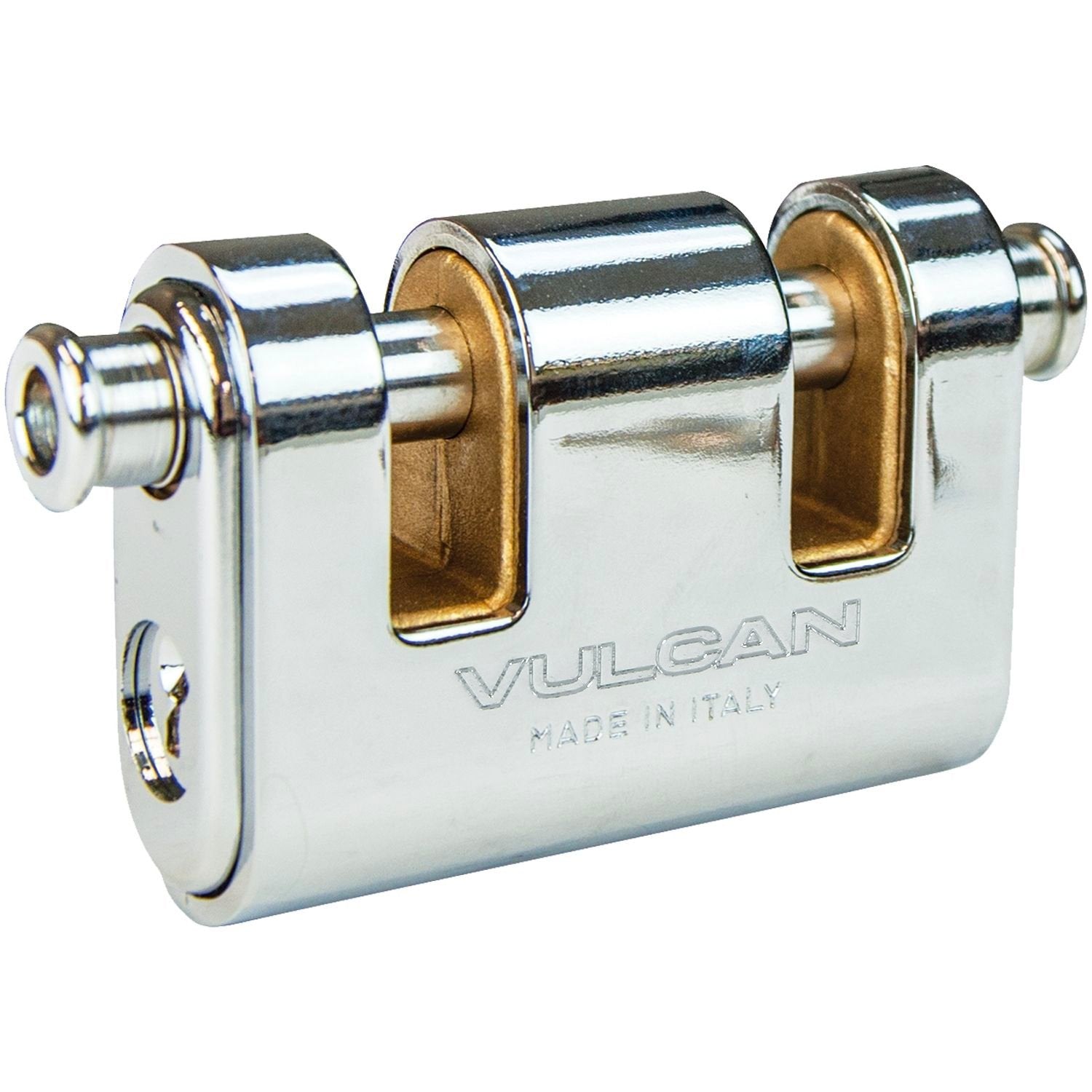
Credit: www.truckntow.com
Real-world Testing And Ratings
Testing bike locks in real life gives the best insight into their strength. Ratings and reviews show which locks stand up to cutting tools. This section looks at how experts and users test and rate locks.
Security Ratings Explained
Security ratings show how strong a bike lock is. They use a scale from low to high. Higher ratings mean better protection against thieves. Ratings often come from official standards or brands.
Look for ratings from well-known groups. These groups test locks with tools like bolt cutters and saws. Ratings help you compare locks easily before buying.
Independent Lab Tests
Independent labs test locks without bias. They use real tools to cut or break locks. Tests show how long a lock lasts under attack.
Labs also check if locks resist picking or drilling. Results from these tests give clear proof of lock strength. Choose locks that perform well in multiple tests.
User Reviews And Experiences
Users share their real stories about bike locks. Reviews reveal if a lock works well daily. Users mention if thieves tried to cut or break locks.
Look for patterns in reviews. Many positive reviews mean a lock is reliable. Negative reviews can warn about weak spots or problems.
Tips To Maximize Bike Security
Keeping your bike safe is very important. Thieves use many tools to cut locks. No lock is completely unbreakable. Still, you can make it very hard for thieves. Follow these tips to improve your bike’s security.
Small changes can make a big difference. Use strong locks and smart locking habits. Combine locks with extra security steps. This helps protect your bike better.
Choosing The Right Lock
Select a lock made from strong materials like hardened steel. U-locks and chain locks are usually tougher. Avoid thin cable locks as they are easy to cut. Check lock ratings and reviews before buying. Buy a lock that fits your bike and location. Heavy locks are hard to carry but offer more safety.
Proper Locking Techniques
Lock your bike frame and both wheels to a sturdy object. Avoid locking only the front wheel or the seat. Use a double-lock method with two different locks. Lock in a busy, well-lit area with many people. Keep the lock off the ground to avoid leverage attacks. Tighten the lock to reduce space for tools.
Additional Security Measures
Use security skewers or locking nuts on wheels and seat. Park your bike in monitored or secure places if possible. Register your bike with local or online databases. Add a GPS tracker for real-time location tracking. Cover your bike with a case or cloth to hide it. These steps make stealing your bike harder and riskier.
Can Any Lock Be Truly Unbreakable?
Is there a bike lock that cannot be cut? Many people hope for a lock that stops all thieves. The truth is, no lock is completely unbreakable. Every lock has its weaknesses. Understanding these limits helps in choosing the best lock for your needs.
Limits Of Physical Security
Every lock faces physical challenges. Strong metal can resist cutting tools but not forever. Thieves use different tools like bolt cutters, saws, or grinders. Some locks delay thieves but do not stop them completely. The goal is to make stealing too hard or slow.
Role Of Theft Prevention Strategies
Locks are just one part of theft prevention. Using good locks with other methods works best. Parking in busy, well-lit areas helps. Cameras and alarms add more protection. A thief will move on if stealing is too risky or slow.
Balancing Security And Convenience
Stronger locks often weigh more and cost more. Very heavy locks can be hard to carry every day. Easy-to-use locks save time but may be less secure. Finding the right balance keeps your bike safe and your life simple.
Frequently Asked Questions
Is There A Bike Lock That Cannot Be Cut?
No bike lock is completely uncuttable. Some locks use hardened steel or chains with protective covers. These resist most cutting tools but can still be defeated by specialized equipment or enough time.
What Materials Make Bike Locks Harder To Cut?
Hardened steel, boron alloy, and titanium are tough materials. These metals resist bolt cutters and saws better than regular steel. Look for locks with these materials for increased cut resistance.
How Do U-locks Compare To Cable Locks In Security?
U-locks are generally tougher than cable locks. Their solid metal shackle resists cutting tools better. Cable locks are flexible but easier to cut with bolt cutters.
Can Alarm Bike Locks Prevent Theft Effectively?
Yes, alarm locks add noise to deter thieves. They sound loudly when tampered with. While not uncuttable, alarms alert owners and scare off many thieves.
Conclusion
No bike lock is completely impossible to cut. Strong locks slow down thieves and make theft harder. Choose locks with thick, hardened steel and good ratings. Use more than one lock for better protection. Always lock your bike in busy, well-lit places.
Staying careful helps keep your bike safe. Remember, no lock is perfect, but smart choices help.


