Have you ever wondered what the normal weight of boxing gloves should be? Whether you’re just starting out or looking to improve your training, knowing the right glove weight is key to your performance and safety.
Choosing gloves that are too light or too heavy can affect your speed, power, and even increase the risk of injury. You’ll discover exactly what glove weight suits your needs and how it can make a real difference in your boxing experience.
Keep reading to find the perfect fit for your hands and goals.
Credit: fintechontheseas.com
Boxing Glove Weight Basics
Boxing gloves come in different weights. Choosing the right weight is key for comfort and safety. The weight of gloves affects how you train and fight. Knowing glove weight basics helps you pick the right pair.
Glove weight is measured in ounces (oz). It shows how heavy the gloves are. Different weights suit different activities and skill levels. Understanding this helps improve your boxing experience.
Common Weight Categories
Boxing gloves usually range from 8 oz to 20 oz. Lighter gloves, like 8 oz or 10 oz, are common in competitions. Heavier gloves, such as 14 oz or 16 oz, are used for training and sparring. Beginners often start with 12 oz or 14 oz gloves. This weight offers good protection and control.
Kids use smaller gloves, around 6 oz to 10 oz. Professional fighters might choose lighter gloves to increase speed. The choice depends on your needs and skill level.
How Weight Affects Performance
Heavier gloves slow down your punches but add protection. They help build strength and endurance during training. Lighter gloves allow faster punches and more precision. Fighters use them in matches for better speed.
Training with heavier gloves makes your arms stronger. Switching to lighter gloves in fights feels faster and easier. Picking the right weight balances safety and performance. It helps you box smarter and safer.
Choosing The Right Weight
Choosing the right weight for boxing gloves is important for comfort and performance. Gloves that are too heavy or too light can affect your training and fighting ability. Knowing the right weight helps protect your hands and your opponent. It also improves your technique and endurance.
Factors To Consider
Think about your training type and hand size. Your skill level matters too. Heavier gloves offer more padding and protect better. Lighter gloves allow faster punches but less padding. The weight affects your speed and power. Choose gloves that feel right during practice.
Weight And Hand Size
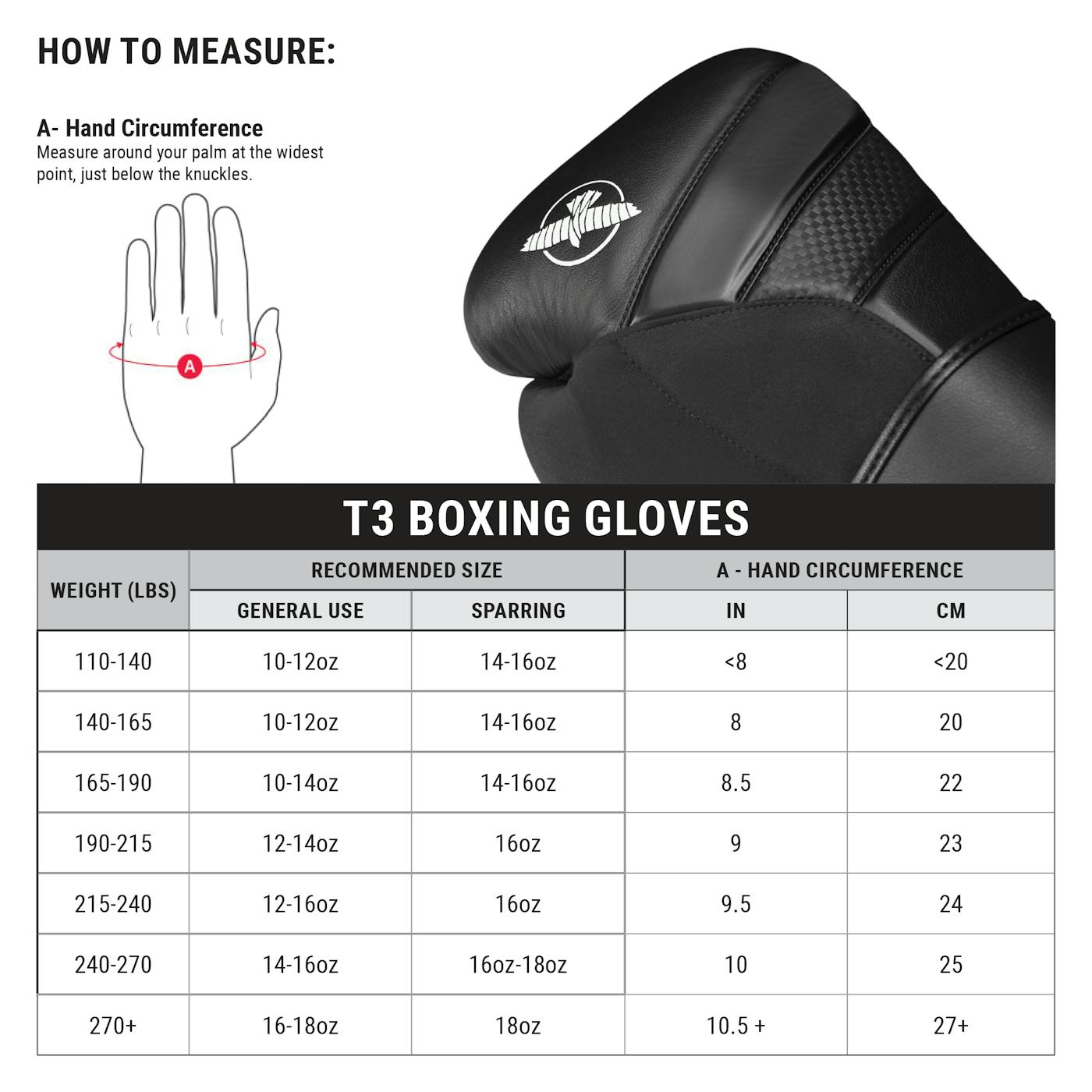
Hand size affects glove fit and comfort. Small hands need lighter gloves for better control. Larger hands need heavier gloves for full coverage. Gloves that fit well reduce injury risks. Measure your hand width before buying gloves. Proper fit helps your punches land cleanly.
Training Vs. Competition Gloves
Training gloves are usually heavier. They protect your hands during long sessions. Competition gloves are lighter to boost speed. Rules often set glove weight for fights. Use training gloves for sparring and bag work. Switch to competition gloves for matches.
Standard Weight Ranges
Boxing gloves come in different weights to suit various uses. The weight affects how gloves feel and perform. Choosing the right glove weight helps improve training and safety. Below are the standard weight ranges that most boxers use.
8 Oz Gloves
These gloves are light and fast. Mostly used in professional fights. They offer less padding, which means quicker punches. Best for boxers with good hand protection and speed.
10 Oz Gloves
Common in amateur fights and competitions. Offer moderate padding for safety. Good balance between speed and protection. Many boxers prefer these for both training and matches.
12 Oz Gloves
Popular for daily training and sparring. Provide extra cushioning to protect hands and partners. Suitable for lighter boxers or those new to the sport. Helps reduce injury risk during practice.
14 Oz Gloves
Offer more padding than 12 oz gloves. Ideal for heavier training sessions and sparring. Help develop power while keeping hands safe. Often used by intermediate and advanced boxers.
16 Oz Gloves
Heaviest standard gloves for most training. Provide maximum padding and protection. Used in sparring to reduce impact. Help build strength and endurance over time.

Credit: www.smai.com
Weight Impact On Safety
The weight of boxing gloves plays a key role in safety during training and fights. Gloves that are too light or too heavy can affect how well they protect hands and opponents. Choosing the right weight helps reduce risks of injury and keeps both boxers safe.
Protection Levels
Heavier gloves have more padding. This extra padding absorbs impact better. It protects the hands and wrists from damage. It also lessens the force that hits the opponent. Lighter gloves offer less padding and less shock absorption. Using heavier gloves in training is common for better hand safety.
Injury Prevention
Proper glove weight helps prevent injuries. Gloves that are too light may cause more hand injuries. They do not cushion punches well. Gloves that are too heavy can tire the arms quickly. Tired arms lead to poor form and more injuries. Choosing the correct glove weight reduces these risks and supports safe boxing practice.
Weight Preferences By Boxing Style
Boxing gloves come in various weights to suit different fighting styles. Choosing the right glove weight helps improve performance and comfort. Each style needs gloves that match its unique demands.
Power Punchers
Power punchers prefer heavier gloves. They usually use 16 to 18 ounces. These gloves add padding for stronger punches. Heavier gloves protect their hands and opponents better. The extra weight slows hand speed but increases impact.
Speed Fighters
Speed fighters choose lighter gloves. Gloves weighing 10 to 12 ounces are common. Lighter gloves allow faster punches and quick movements. They help improve reaction time in the ring. Less padding means faster hits but less protection.
All-round Boxers
All-round boxers select medium-weight gloves. Usually, 14-ounce gloves are ideal. These gloves balance speed and power well. They provide good hand protection without losing agility. This weight suits both training and matches.

Credit: www.egyptproco.com
Adjusting Weight For Training Goals
Choosing the right weight for boxing gloves depends on your training goals. Different weights help you improve in various ways. Adjusting glove weight can boost your endurance, strength, and technique. Understanding these benefits guides your glove choice for better results.
Endurance Building
Lighter gloves let you throw punches faster and longer. They reduce fatigue during long training sessions. Using light gloves helps build stamina in your arms and shoulders. This makes it easier to keep up during real fights.
Strength Training
Heavier gloves add resistance to your punches. They make your muscles work harder with each hit. Training with heavy gloves helps increase punching power. Stronger muscles improve your overall boxing performance.
Technique Improvement
Moderate-weight gloves balance speed and protection. They allow you to practice accurate punches safely. Using these gloves helps perfect your form and timing. Good technique leads to better control in the ring.
Latest Trends In Glove Weight For 2025
The world of boxing gloves is evolving fast in 2025. New trends in glove weight are shaping training and competition. Fighters and trainers now consider more than just size and comfort. Weight affects speed, protection, and endurance. Understanding these trends helps boxers choose the right gloves for their needs. The latest changes focus on materials and weight recommendations.
Innovations In Materials
New materials make gloves lighter but still strong. Foam technology improves shock absorption without adding bulk. Synthetic leather offers durability with less weight. These materials reduce hand fatigue during long sessions. Gloves now fit better and feel softer. Innovations also focus on breathability to keep hands dry. Lightweight gloves help boxers train harder and faster.
Shifts In Weight Recommendations
Experts suggest lighter gloves for speed and heavier gloves for protection. Many trainers now recommend 10 to 12 ounces for competition. For training, 14 to 16 ounces remain popular for safety. Some athletes prefer 8-ounce gloves for quick hand movement. Weight choice depends on skill level, hand size, and purpose. New guidelines help boxers balance speed with injury prevention.
Frequently Asked Questions
What Is The Standard Weight Of Boxing Gloves?
The standard weight for boxing gloves ranges from 8 to 16 ounces. The choice depends on the purpose, such as training or competition. Lighter gloves (8-10 oz) are used for fights, while heavier ones (14-16 oz) offer more protection during training.
How Does Glove Weight Affect Boxing Performance?
Heavier gloves provide more padding and protection but reduce hand speed. Lighter gloves increase speed and power but offer less cushioning. Choosing the right weight balances safety and performance based on your training goals or competition rules.
Why Do Training Gloves Weigh More Than Fight Gloves?
Training gloves weigh more to protect hands and sparring partners during practice. The extra weight builds strength and endurance. Fight gloves are lighter for speed and agility, adhering to competition regulations.
Are 16 Oz Gloves Suitable For Beginners?
Yes, 16 oz gloves are ideal for beginners. They offer maximum protection and help build wrist strength. These gloves reduce injury risk during training and sparring sessions, making them perfect for new boxers.
Conclusion
Choosing the right weight for boxing gloves matters a lot. It helps protect your hands and your opponent. Light gloves suit faster punches and training. Heavier gloves build strength and offer more padding. Always pick gloves based on your size and purpose.
Proper gloves improve your comfort and safety. Remember, the normal glove weight varies by use and boxer. Keep this in mind to enjoy boxing safely and effectively.


