
Have you ever wondered what those numbers on boxing gloves really mean? If you’re new to boxing or just picking out your first pair, the weight of the gloves can feel confusing.
But knowing what glove weights mean can make a big difference in your training, comfort, and performance. You’ll discover exactly how glove weight affects your punches, protection, and stamina. Keep reading, and you’ll learn how to choose the perfect gloves that fit your style and goals.
Credit: www.sloneczne-elfy.pl
Boxing Glove Weights Explained
Boxing glove weights are key to choosing the right gloves. The weight affects comfort, protection, and training quality. Different weights suit different uses and skill levels. Understanding glove weights helps you pick gloves that fit your needs.
Common Glove Weight Measurements
Boxing gloves come in several common weights. They are measured in ounces, usually from 8 oz to 20 oz. Lightweight gloves, like 8 oz or 10 oz, are often used in competitions. Heavier gloves, such as 14 oz or 16 oz, are for training and sparring. The bigger the weight, the more padding inside the glove.
Why Weight Matters
Weight affects how gloves feel and perform. Heavier gloves offer more hand protection. They reduce the impact on your hands and your partner during sparring. Lighter gloves allow faster punches and better speed training. Choosing the right weight helps avoid injuries and improves your training results.
Types Of Boxing Gloves By Weight
Boxing gloves come in various weights. Each weight serves a different purpose. Choosing the right glove weight helps improve training and performance. Understanding glove types by weight makes selecting easier. Below are the common types of boxing gloves by weight.
Light Gloves
Light gloves usually weigh between 8 and 10 ounces. They offer less padding and more speed. Many boxers use them for competitions. Light gloves allow faster punches and better hand movement. They are best for experienced fighters who want quick strikes.
Medium Gloves
Medium gloves weigh around 12 ounces. They balance protection and speed well. These gloves are popular for training and sparring. Medium gloves provide enough padding to protect hands and opponents. They help improve technique without risking injury.
Heavy Gloves
Heavy gloves weigh 14 ounces or more. They have extra padding to protect hands during tough workouts. Heavy gloves slow down punches but build arm strength. Many boxers use them for heavy bag work and conditioning. They are ideal for beginners and long training sessions.
Choosing Gloves For Training
Choosing the right boxing gloves for training matters a lot. Different types of training need different gloves. The glove weight affects comfort, protection, and performance. Knowing which gloves to use helps you train better and stay safe.
Gloves For Sparring
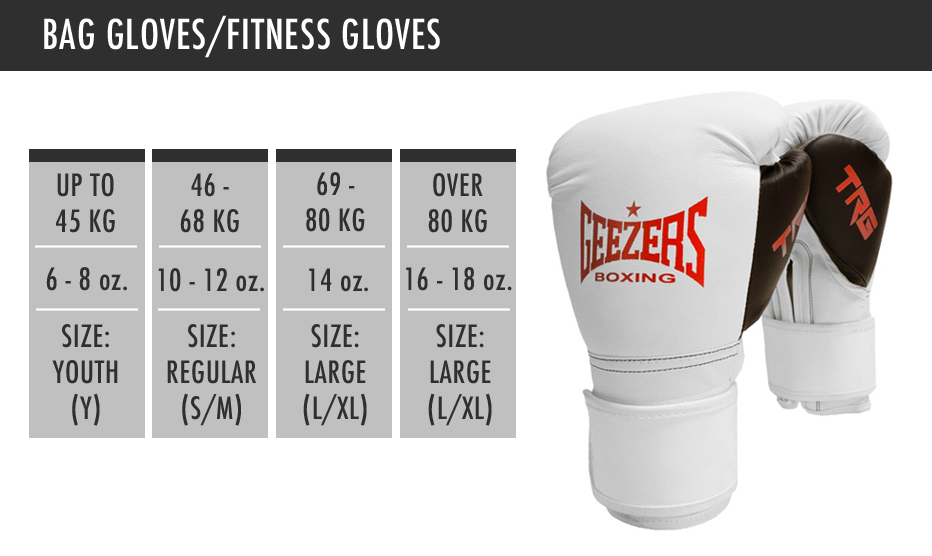
Sparring gloves are heavier. They usually weigh 14 to 16 ounces. The extra weight protects both you and your partner. These gloves have more padding to reduce impact. Using lighter gloves can cause injuries during sparring.
Gloves For Bag Work
Bag gloves are lighter, around 12 to 14 ounces. They offer less padding to feel the bag’s impact. This helps improve your punching power and speed. Using heavier gloves on the bag tires your hands faster.
Gloves For Pad Work
Pad gloves balance protection and speed. They usually weigh 12 to 14 ounces. These gloves cushion your hands and protect the trainer. Choosing the right weight keeps your hands safe and sharp during drills.
Credit: www.geezersboxing.co.uk
Impact Of Weight On Performance
The weight of boxing gloves affects how a boxer performs in the ring. Different weights change the feel and function of the gloves. Choosing the right weight helps balance power, speed, and safety. Understanding these effects can improve training and fighting skills.
Speed And Agility
Lighter gloves make it easier to move hands fast. This improves punching speed and quick combinations. Faster hand movement helps in dodging and counterattacks. Heavy gloves slow down arm movement and reduce agility. Training with lighter gloves sharpens reflexes and timing.
Protection And Safety
Heavier gloves offer more padding and absorb impact better. They protect hands and wrists from injuries during hard punches. Heavier gloves also reduce the force felt by the opponent. Lighter gloves have less padding and may increase injury risk. Using the right glove weight keeps both fighters safer.
Endurance And Fatigue
Heavier gloves require more effort to lift and move. This causes faster muscle fatigue during long sessions. Training with heavier gloves builds strength and endurance over time. Lighter gloves allow longer practice without tiring quickly. Balancing glove weight helps manage energy and stamina in fights.
Weight Recommendations By Boxer Size
Boxing gloves come in different weights to suit various boxer sizes. Choosing the right glove weight helps protect hands and improves training quality. Each boxer size benefits from specific glove weights for comfort and safety.
Gloves For Lightweight Boxers
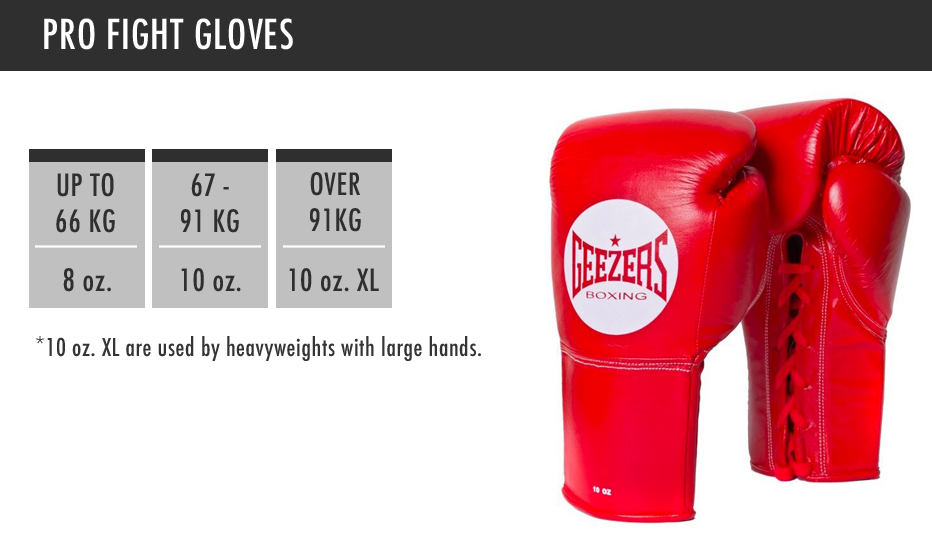
Lightweight boxers usually weigh under 135 pounds. They should use gloves weighing 8 to 10 ounces. These gloves offer enough padding without feeling heavy. Light gloves help maintain speed and quick movements.
Gloves For Middleweight Boxers
Middleweight boxers weigh between 136 and 160 pounds. Gloves of 10 to 12 ounces suit them best. These gloves balance protection and power. They allow for strong punches without risking injury.
Gloves For Heavyweight Boxers
Heavyweight boxers weigh over 160 pounds. They need gloves weighing 12 to 16 ounces. Heavier gloves provide extra padding for bigger punches. These gloves reduce strain on hands during hard hits.

Credit: www.9round.mx
Material And Padding Differences
Boxing glove weights depend a lot on the materials and padding inside. These parts affect comfort, protection, and how the glove feels during use. Different gloves have different padding types and materials that change their weight and purpose.
Foam Density Variations
Padding in boxing gloves is mostly foam. The foam can be soft or hard. Softer foam feels lighter but offers less protection. Denser foam adds weight but protects better. Thicker padding means heavier gloves. This also changes how punches feel. Fighters choose foam based on their training or fighting style.
Leather Vs Synthetic Gloves
Leather gloves are usually heavier and last longer. They mold to the hand over time. Synthetic gloves weigh less and cost less. They are easier to clean but wear out faster. The material affects glove weight and durability. Choosing the right material depends on your budget and needs.
Tips For Trying And Buying Gloves
Choosing the right boxing gloves is key to a good training session. The weight of gloves affects comfort, protection, and performance. Here are simple tips for trying and buying gloves that suit you best.
Trying gloves properly helps avoid injuries and saves money. Focus on fit, comfort, and your budget before making a choice.
Fitting Techniques
Try gloves with hand wraps on for a true fit. Slip your hand inside and close the glove fully. Make sure fingers move freely but do not slip. The glove should feel snug but not tight. Check the wrist strap for firm support. A good fit prevents wrist injuries and improves control.
Testing Weight Comfort
Lift the gloves to feel their weight. Lighter gloves feel easier for fast punches. Heavier gloves offer better protection and build strength. Wear the gloves and shadowbox for a few minutes. Notice if your arms tire quickly or if the gloves feel balanced. Choose gloves that feel natural, not heavy or loose.
Budget Considerations
Set a budget before shopping for gloves. Quality gloves may cost more but last longer. Cheaper gloves can wear out fast and offer less protection. Look for trusted brands with good reviews. Check for warranty or return policy. Spend wisely to get good value and safety.
Frequently Asked Questions
What Do Boxing Glove Weights Indicate?
Boxing glove weights represent the glove’s overall mass in ounces. They affect protection level, hand speed, and training type suitability.
How Do Glove Weights Affect Training?
Heavier gloves (14-16 oz) provide more padding, enhancing hand protection during training. Lighter gloves (8-10 oz) improve speed for sparring and competition.
Why Choose Different Glove Weights For Boxing?
Different glove weights suit varied purposes. Heavier gloves build strength and endurance, while lighter gloves enable faster punches and agility.
Are Heavier Gloves Better For Beginners?
Yes, heavier gloves offer extra cushioning, reducing injury risk for beginners. They help develop proper technique with safer impact absorption.
Conclusion
Boxing glove weights help you choose the right gloves for training or fighting. Lighter gloves offer speed, while heavier ones protect and build strength. Picking the right weight improves comfort and performance in the ring. Understanding these weights makes your boxing practice safer and more effective.
Keep your goals and skill level in mind when selecting gloves. This way, you get the best support and avoid injury. Simple knowledge about glove weights can boost your boxing experience.


