Are you confused about what size boxing gloves you should choose? Picking the right size isn’t just about comfort—it can protect your hands and improve your performance.
Whether you’re a beginner or getting ready for your next fight, knowing the standard boxing glove sizes can save you from injury and help you train smarter. Keep reading, and you’ll discover exactly what size fits you best and why it matters more than you think.

Credit: fintechontheseas.com
Boxing Glove Sizes Explained
Boxing gloves come in many sizes. Choosing the right size helps protect your hands and your opponent. It also affects your comfort and performance during training or fights. Understanding glove sizes is key to picking the right pair for you.
This guide explains the common sizes and what they mean. It breaks down how weight relates to glove size. By the end, you will know how to select gloves that fit well and feel right.
Weight Categories
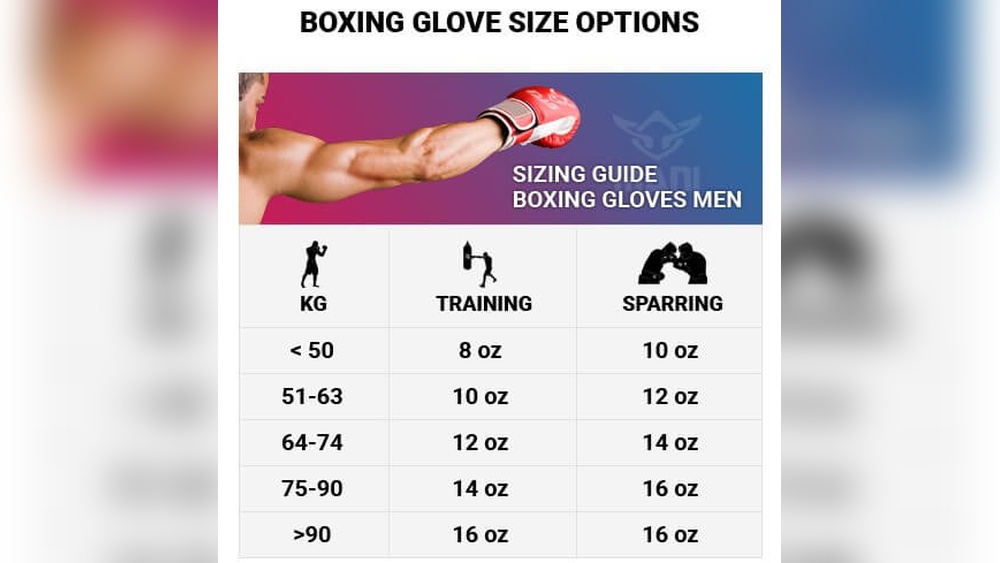
Boxing gloves are measured by weight, not by hand size. The weight is shown in ounces (oz). Common weights are 8 oz, 10 oz, 12 oz, 14 oz, and 16 oz. Lighter gloves are for competition. Heavier gloves are for training and sparring.
Fighters often use lighter gloves in matches to move faster. Training requires more padding, so heavier gloves protect hands better. Choosing the right weight depends on your purpose and your body weight.
Common Size Measurements
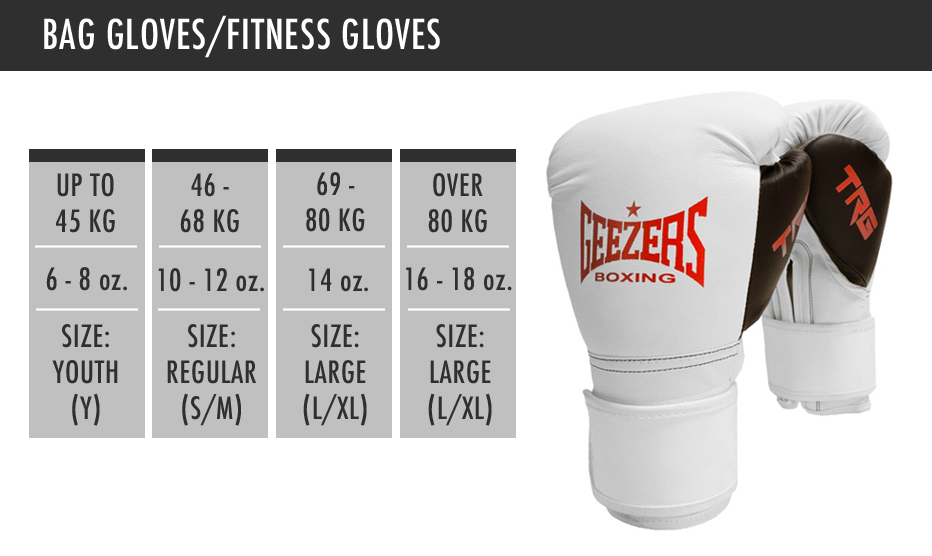
Standard boxing gloves range from 8 oz to 16 oz. Here is a simple guide:
- 8 oz: Usually for fighters under 120 pounds
- 10 oz: Common for fighters between 120 and 150 pounds
- 12 oz: Suitable for training and light sparring
- 14 oz: Good for heavier training and sparring
- 16 oz: Best for most sparring sessions and protection
These sizes help match glove weight to user needs. Always try gloves on to check fit and comfort.
How Weight Affects Glove Size
Heavier gloves have more padding. This means better hand protection. They also slow down punches slightly. Lighter gloves are faster but offer less padding. This can increase injury risk during sparring.
Glove weight also affects wrist support. Heavier gloves often provide stronger wrist protection. This helps prevent injuries during hard punches. Choose glove weight based on your training type and hand size.
Choosing The Right Glove Size
Choosing the right glove size is key to boxing comfort and safety. Gloves that fit well protect your hands and improve your performance. Picking gloves too big or too small can cause injury and reduce control. Understanding your purpose, hand size, and boxing style helps find the perfect fit.
Purpose: Training Vs Competition
Training gloves are usually heavier for more padding and protection. They help reduce strain during long practice sessions. Competition gloves are lighter and smaller to allow faster punches. The size differs depending on the event rules and weight class. Choose gloves that match your training or fight needs.
Hand Size And Glove Fit
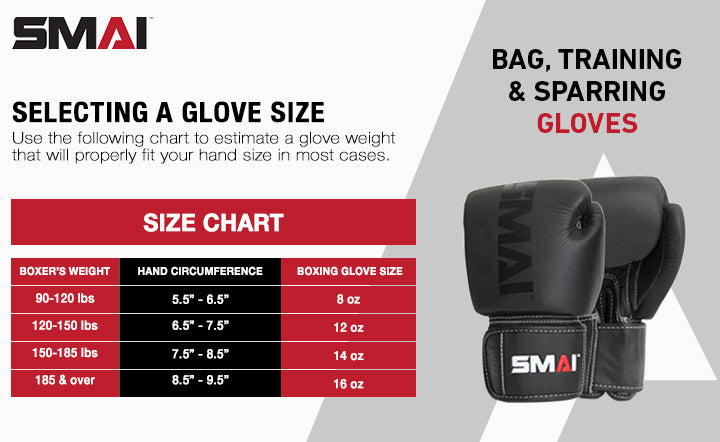
Measure your hand around the knuckles to find your size. Gloves should fit snugly without squeezing your fingers. Padding should cover your knuckles well for safety. Try gloves on with hand wraps for a true fit. Proper fit prevents slippage and injury during punches.
Considerations For Different Boxing Styles
Boxers who focus on power may prefer heavier gloves for extra padding. Speed-focused fighters often choose lighter gloves for quicker punches. Defensive boxers might want gloves with more wrist support. Match your gloves to your style to enhance your skills and comfort.
Standard Glove Sizes By Use
Boxing gloves come in different sizes based on their use. Choosing the right size helps protect your hands and improves your performance. Each type of glove fits a specific purpose. Knowing the standard glove sizes by use is important for every boxer.
Training Gloves
Training gloves are for daily workouts and bag work. They usually weigh between 12 to 16 ounces. Heavier gloves offer more padding and protect your hands better. Most beginners use 14-ounce gloves for training. These gloves balance protection and comfort for long sessions.
Sparring Gloves
Sparring gloves are larger and softer than training gloves. They range from 14 to 18 ounces to protect both fighters. The extra padding reduces the risk of injury during practice. Bigger gloves also help slow down punches. Most gyms require at least 16-ounce gloves for sparring.
Competition Gloves
Competition gloves are lighter and tighter than training gloves. They usually weigh 8 to 10 ounces. These gloves allow faster punches and better control. They have less padding since fights are shorter. Different boxing organizations set specific glove sizes for matches.
Credit: www.arloren.com
Impact Of Glove Size On Performance
The size of boxing gloves plays a big role in how well a boxer performs. Gloves that fit right help protect hands and make movements smooth. The right size also affects how fast and strong a boxer can be. Choosing the correct glove size is important for training and fighting. Below, we explore how glove size impacts protection, speed, and comfort.
Protection And Safety
Bigger gloves have more padding to shield hands and wrists. They reduce the risk of injuries during punches. Smaller gloves offer less protection but allow for harder hits. Properly sized gloves protect both the wearer and the opponent. Safety improves when gloves fit snugly and cover the knuckles well.
Speed And Agility
Light gloves make it easier to move hands quickly. They help boxers throw fast punches and combinations. Heavy gloves slow down hand speed and reduce agility. Choosing the right glove size helps keep movements sharp and precise. Speed is key in many boxing styles and drills.
Endurance And Comfort
Gloves that are too heavy cause hand fatigue faster. Comfortable gloves fit well without squeezing or slipping. Good fit keeps hands cool and reduces sweat buildup. Endurance grows when gloves feel light and secure during long sessions. Comfort helps boxers focus on training and fighting better.
Measuring Your Hand For Gloves
Measuring your hand for boxing gloves ensures a perfect fit. Proper fit protects your hands and improves performance. A glove too tight or loose can cause discomfort or injury.
Follow simple steps with basic tools. Accurate measurement leads to better glove selection and comfort during training or fights.
Tools Needed
- Flexible measuring tape
- Ruler (optional)
- Pen and paper to note measurements
- Flat surface to rest your hand
Step-by-step Measurement Guide
- Place your hand flat on a surface, fingers together.
- Wrap the measuring tape around your knuckles, excluding the thumb.
- Note the circumference in inches or centimeters.
- Measure the length from the tip of the middle finger to the base of your palm.
- Write down both measurements for reference.
Common Mistakes To Avoid
- Measuring your hand while clenched or too relaxed.
- Including the thumb in the knuckle measurement.
- Using a stiff ruler instead of a flexible tape.
- Not measuring both hands, as sizes may vary.
- Ignoring the glove size chart from the manufacturer.
Glove Materials And Their Effect On Fit
Boxing gloves come in different materials, and these affect how the gloves fit your hands. The choice of material changes the glove’s comfort, weight, and how well it moves with your hand. Understanding glove materials helps you pick the right size and feel for your boxing style.
Leather Vs Synthetic
Leather gloves are strong and last longer. They mold to your hand over time. This makes them feel very natural and snug. Synthetic gloves cost less and are lighter. They do not stretch as much. This can make synthetic gloves fit tighter or feel stiff at first.
Padding Types
Gloves have different padding materials inside. Foam padding is soft and absorbs impact well. It keeps your hands safe and comfy. Gel padding is denser and offers better shock protection. It may feel firmer but protects better during heavy hits.
Breathability And Flexibility
Some gloves use mesh or perforated materials to let air in. This keeps your hands cool and dry during training. Flexible gloves allow easy wrist and finger movement. Stiffer gloves give more support but may feel tight. Choose materials that balance breathability and flexibility for better fit.
Tips For Trying On Boxing Gloves
Trying on boxing gloves is key to finding the right fit. Gloves that feel good protect your hands better. They also help you punch with more power and control. Follow these tips to make sure your gloves fit well and feel comfortable.
What To Look For
Check the glove’s size tag first. Sizes show weight in ounces, like 10 oz or 16 oz. Gloves should fit snug but not tight. Your fingers must reach the glove’s end without feeling cramped. Look for good padding around knuckles and wrist.
Testing Comfort And Movement
Wear the gloves and make a fist. Move your fingers and wrists. Gloves should not squeeze your hand too much. You want to feel flexible, not stiff. The padding should feel soft but protective. Try a few punches to test comfort.
Adjusting Strap And Closure
Fasten the wrist strap firmly. It should hold your wrist steady. Not too loose to slip off. Not too tight to cut circulation. Velcro straps or laces work well. Adjust until you feel secure and comfortable. Good closure supports your wrist during punches.
Caring For Your Boxing Gloves
Caring for your boxing gloves helps keep them fresh and durable. Proper care prevents bad smells and damage. It also makes your gloves comfortable to use. Simple steps can make a big difference in their lifespan.
Cleaning And Maintenance
After each use, wipe gloves with a clean cloth. Use a damp cloth to remove sweat and dirt. Avoid soaking gloves in water. Let them air dry naturally, away from direct sunlight or heat. Use glove deodorizers or sprinkle baking soda inside to reduce odor. Clean gloves regularly to keep the material strong and fresh.
Storage Tips
Store gloves in a cool, dry place. Avoid leaving them in your gym bag for days. Keep gloves open to allow air circulation. Use a mesh bag or a ventilated container. Proper storage stops bacteria and mold from growing. It also maintains glove shape and padding quality.
Extending Glove Lifespan
Wear hand wraps to protect gloves from sweat and oils. Rotate between two pairs of gloves if you train often. Repair small tears early with glue or patches. Avoid using gloves for tasks outside boxing. Regular care and smart use keep gloves lasting longer and working well.
Credit: www.arloren.com
Frequently Asked Questions
What Are The Common Sizes Of Standard Boxing Gloves?
Standard boxing gloves usually come in 8, 10, 12, 14, and 16 ounces. Each size suits different training or fighting needs. Smaller gloves (8-10 oz) are for competitions, while larger ones (14-16 oz) are for training and sparring.
How To Choose The Right Boxing Glove Size?
Choose glove size based on your weight and training type. Heavier gloves offer more padding for sparring. Lighter gloves are suitable for competition or bag work. Always check the glove’s ounce rating to match your boxing activity.
Why Do Boxing Gloves Have Different Weights?
Boxing gloves vary in weight to provide different levels of protection and speed. Heavier gloves protect your hands and reduce injury risk during training. Lighter gloves allow faster punches and are preferred in official matches.
Are Standard Boxing Gloves One-size-fits-all?
No, standard boxing gloves are not one-size-fits-all. Different glove sizes fit different hand sizes and purposes. Proper fit ensures hand safety, comfort, and optimal performance during boxing sessions.
Conclusion
Standard boxing gloves come in various sizes to fit different needs. Choosing the right size protects your hands and improves comfort. Smaller gloves suit beginners and children. Larger gloves offer more padding and support for training. Always check the glove weight and your hand size before buying.
Proper fit helps prevent injuries during practice or fights. Understanding glove sizes makes your boxing experience safer and more enjoyable. Keep these points in mind for your next glove purchase.