Have you ever stopped to wonder if it’s actually illegal to put your bike lock on certain things? Maybe you’ve locked your bike to a signpost or a fence without giving it much thought.
But could that simple act lead to trouble? Understanding the rules around where you can and can’t lock your bike is more important than you might think. You’ll discover what’s allowed, what’s not, and why it matters to keep your bike safe and avoid fines.
Keep reading—this could save you from an unexpected headache next time you park your bike.

Credit: thebestbikelock.com
Legal Risks Of Locking Bikes In Public
Locking bikes in public seems simple but carries legal risks. Different places have rules about where and how to lock bikes. Ignoring these rules can cause trouble. Understanding these risks helps avoid fines or bike removal.
Common Restrictions On Bike Locks
Many cities ban locking bikes to certain objects. Signs often say no bike locks on trees, benches, or public art. Some areas require locks only on bike racks. Locking to poles or fences might also be illegal. These rules protect public property and keep spaces clear.
Consequences Of Illegal Locking
Bikes locked illegally risk being cut and removed. Authorities may fine bike owners for breaking rules. Some cities impound bikes and charge fees to get them back. Illegal locking can cause delays and extra costs. Following local rules saves hassle and protects your bike.

Credit: thebestbikelock.com
Where Bike Locks Are Usually Allowed
Knowing where you can safely lock your bike helps avoid trouble. There are common places where bike locks are allowed and accepted. These areas offer security and respect for property rules. Understanding these spots makes parking your bike easier and safer.
Private Property Permissions
Private property owners control where bike locks can be placed. They often allow locking on fences or poles on their land. Always ask for permission before locking your bike on private property. Respecting these rules prevents fines and bike removal. Property owners may have specific spots for bikes.
Designated Bike Racks And Zones
City planners provide special bike racks for safe parking. These racks are found in busy areas, parks, and near shops. Locking your bike here follows local laws and keeps your bike secure. Some places also mark zones specifically for bike parking. Using these spots helps avoid illegal locking issues.
Illegal Locking Scenarios
Illegal locking happens when bike locks cause trouble or break rules. People often do not know which places are off-limits for locking bikes. This can lead to fines or having the lock removed. Understanding illegal locking helps keep public spaces safe and clear.
Some places have clear signs or laws against locking bikes. These rules protect safety and access for everyone. Let’s explore some common illegal locking scenarios.
Locking To No-lock Zones
No-lock zones are areas where bike locks are banned. Signs or local laws usually mark these spots. Locking bikes there can cause damage or block important items. Locks on trees, statues, or private fences often break rules. Removing locks from no-lock zones can be costly for riders.
Impact On Emergency Access
Emergency access must stay clear at all times. Locked bikes can block fire hydrants or emergency exits. This slows down firefighters and paramedics in emergencies. Locking in these areas can endanger lives and property. Law enforcement may remove locks quickly to reopen access.
Blocking Public Pathways
Public paths need to be open for pedestrians and wheelchair users. Bikes locked on sidewalks or ramps create barriers. This forces people to step into streets, which is unsafe. Blocking pathways can lead to warnings or fines. Lock your bike without blocking others’ way.
Local Laws And Ordinances
Local laws and rules about putting bike locks on public things differ a lot. These laws help keep public spaces safe and clear. You might think locking your bike anywhere is fine, but some places have strict rules.
Understanding these rules helps avoid fines or having your lock cut off. It also protects public property and others’ rights to use shared spaces. Below, learn about specific city rules and how states may differ.
City-specific Regulations
Many cities set their own rules about where bike locks can go. Some forbid locking bikes to certain objects like trees or signs. Others allow locks only on bike racks or designated spots.
For example, New York City bans locking bikes to street signs. In Chicago, locking to trees can lead to fines. Cities often remove locks that block sidewalks or entrances.
Always check local city websites or signs for bike lock rules. This helps avoid trouble and keeps the city clean and safe.
State And Regional Differences
States also have different laws about bike locks in public. Some states leave rules to cities, while others have statewide regulations. These laws might control locking on public land or government property.
In California, some areas limit locking to certain public furniture. Texas cities may have tougher rules in busy downtown areas. Regional differences depend on population and local needs.
Knowing your state’s rules is important, especially when traveling. Respect local laws to protect your bike and avoid legal problems.
Handling Unauthorized Bike Locks
Handling unauthorized bike locks is a common issue in many cities. These locks can block public spaces or private property. Property owners and authorities often face challenges in managing these locks. Knowing the proper steps to remove them helps avoid legal problems. Understanding the rules also protects your rights and property.
Removal Procedures
Removing unauthorized bike locks requires care. Authorities or property owners must follow specific steps. First, confirm the lock is unauthorized. Check local laws or property rules. Next, notify the owner if possible. Leave a notice or warning before removal. Use proper tools to avoid damage. Some places require professional removal services. Keep records of the removal process. This helps in case of disputes or claims.
Penalties And Fines
Placing bike locks without permission can lead to fines. Penalties vary by city and country. Some areas impose heavy fines on offenders. Repeat violations may cause higher penalties. Removing locks without following rules can also result in fines. It is important to understand local regulations. Respect rules to avoid legal trouble and costs.
Tips For Legal Bike Locking
Locking your bike legally helps avoid fines and protects your property. It also keeps public places safe and accessible for everyone. Follow these simple tips to lock your bike correctly and stay within the law.
Choosing Proper Locking Spots
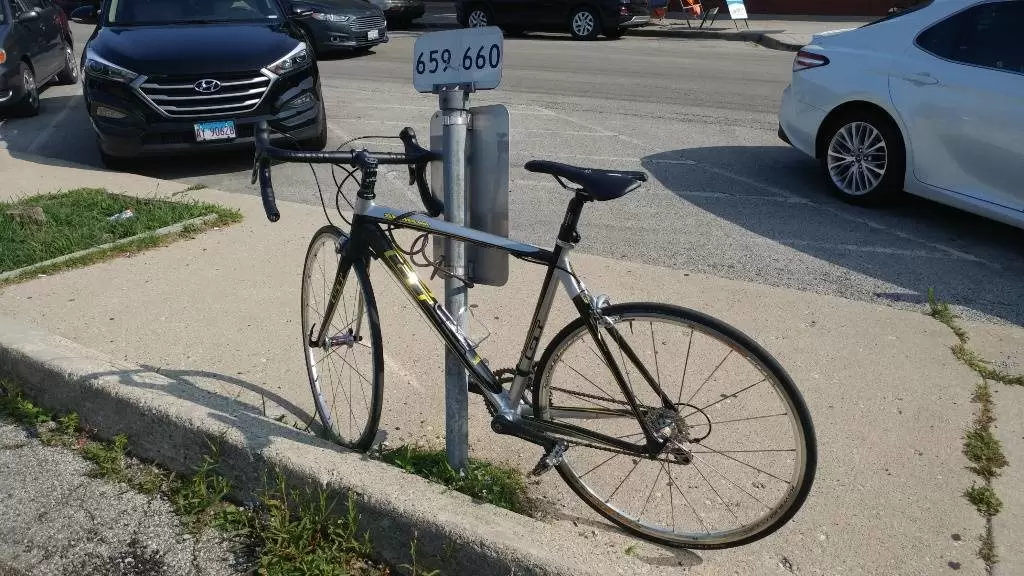
Always lock your bike to a fixed, sturdy object. Use bike racks designed for locking bicycles. Avoid trees, signposts, or railings not meant for bike locks. Check local rules for allowed locking spots. This prevents damage and legal trouble.
Using Approved Lock Types
Use strong locks like U-locks or heavy-duty chains. Some cities ban cable locks due to easy cutting. Check local regulations for approved lock types. Using proper locks keeps your bike safe and legal.
Credit: roadbikebasics.com
Frequently Asked Questions
Is It Illegal To Lock A Bike To Public Property?
Locking a bike to public property may be illegal if local laws prohibit it. Always check municipal rules to avoid fines or bike removal. Some areas restrict locking to certain fixtures to prevent obstruction or damage.
Can I Put A Bike Lock On Private Property?
You generally need permission to lock a bike on private property. Unauthorized locking may be considered trespassing or property damage. Always seek owner approval to avoid legal issues or lock removal.
What Happens If I Lock My Bike Illegally?
If you lock your bike illegally, it may be removed or confiscated. You could also face fines or penalties depending on local regulations. Always follow city rules to keep your bike safe and legal.
Are Bike Locks On Public Signs Allowed?
Locking bikes to public signs is often discouraged or banned. It can obstruct visibility and damage signage. Check local ordinances before using signs as bike lock points.
Conclusion
Putting bike locks on public or private property can lead to legal trouble. Some places have rules against locking bikes to certain objects. Always check local laws and property signs first. Respect public spaces to avoid fines or lock removal.
Use designated bike racks whenever possible. Stay safe and keep your bike secure without breaking rules. This way, you protect your bike and follow the law. Simple steps help prevent problems and keep your ride safe.