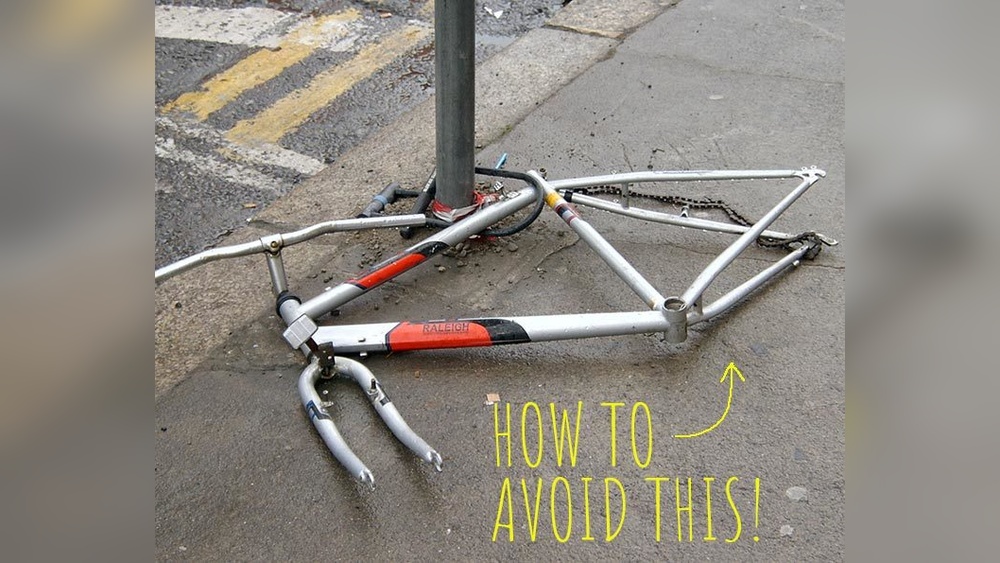
Have you ever found yourself without a bike lock when you really needed one? Maybe you forgot it at home or it broke unexpectedly.
You know how risky it is to leave your bike unsecured, but what can you do when a lock isn’t around? This article will show you simple, effective substitutes that can keep your bike safe when a traditional lock isn’t an option.
Keep reading to discover clever tricks and easy solutions that you can use right now to protect your bike and have peace of mind wherever you go.
Why Consider Alternatives To Bike Locks
Bike locks are the usual way to protect bikes from theft. Yet, some situations need different solutions. Some people want lighter options. Others need quick fixes or alternatives when locks fail. Exploring substitutes can help keep bikes safe in many cases.
Limitations Of Traditional Bike Locks
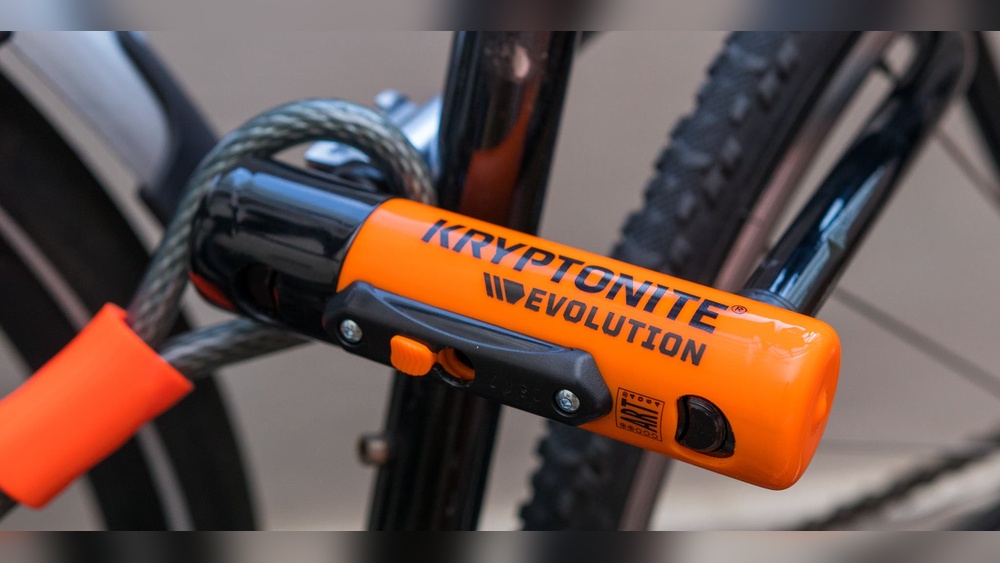
Traditional bike locks can be heavy and hard to carry. They sometimes get stuck or break easily. Thieves often know how to open common locks fast. Locks also need something fixed to, like a pole or rack. Without that, a lock is useless. Weather can cause rust and damage over time. These limits make some riders seek other ways to protect their bikes.
Common Scenarios For Substitute Use
Some riders use substitutes during short stops where carrying a lock feels too much. Others try alternatives if they forget their lock. In crowded places, carrying bulky locks can be a hassle. Some bike owners use alarms, GPS trackers, or secure storage instead. Sometimes a quick chain or cable can work as a backup. Substitutes offer flexible options for different needs and places.
Portable Security Chains
Portable security chains offer a practical alternative to traditional bike locks. They are easy to carry and use in many places. These chains can secure your bike quickly and keep it safe from theft. Their compact size makes them perfect for daily use and travel.
Material And Strength Factors
Strong materials make chains reliable. Look for hardened steel or manganese steel. These metals resist cutting and sawing. Chain thickness affects strength too. Thicker links mean harder to break chains. A good chain should weigh enough to feel solid. Avoid thin or lightweight chains. They can break easily and offer less protection.
Best Practices For Use
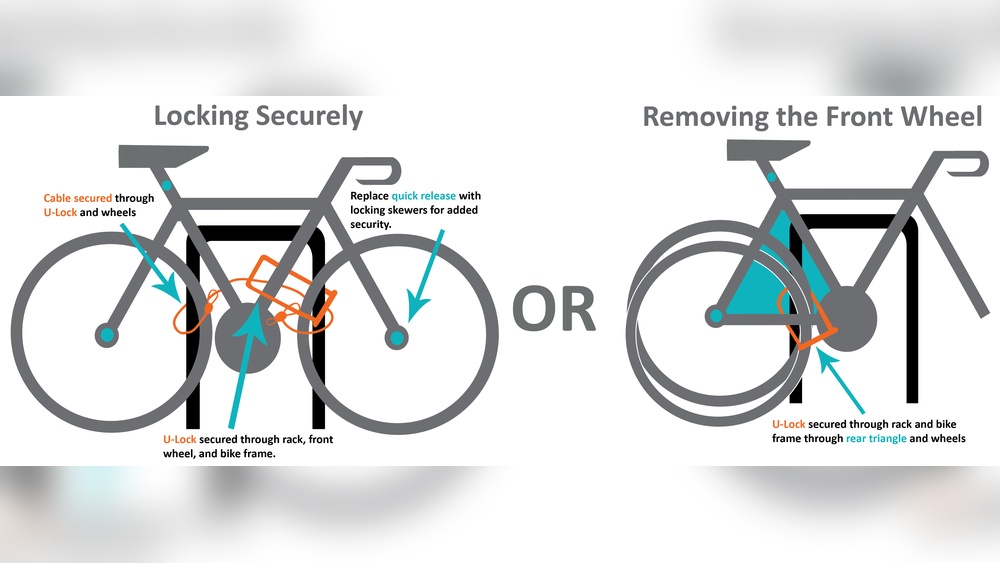
Wrap the chain tightly around the bike frame and a sturdy object. Lock through the frame, not just the wheels. Keep the chain off the ground to avoid tools getting leverage. Use a strong padlock with the chain. Check the chain and lock regularly for damage. Store the chain in a dry place to stop rust. Carry chains in a bag or backpack for convenience.
Folding Bike Locks
Folding bike locks offer a practical alternative to traditional bike locks. They combine security with convenience, making them popular among many cyclists. These locks fold into a small shape, which fits easily into bags or bike mounts. They provide flexibility and ease of use without sacrificing safety.
Compact Design Benefits
The folding design saves space and reduces weight. Cyclists can carry the lock without feeling burdened. It folds into a small package, perfect for backpacks or bike frames. The joints allow the lock to bend and fold neatly. This makes it easier to store than bulky chain or U-locks. The compact size suits urban riders and commuters well.
Security Levels Compared
Folding locks offer good protection against theft. Their metal bars are strong and hard to cut. They usually provide better security than cable locks. However, some U-locks and heavy chains are tougher. The lock’s security depends on material thickness and quality. Folding locks resist picking and twisting effectively. Choose one with hardened steel bars for best security.
Credit: www.walmart.com
Cable Locks With Enhanced Features
Cable locks with enhanced features offer a smart alternative to traditional bike locks. They combine flexibility with extra security options to keep your bike safe. These locks are easy to carry and use in various places.
Many models come with new designs that improve both convenience and protection. These features make cable locks a practical choice for daily use.
Flexibility And Convenience
Cable locks bend and twist easily. You can lock your bike to many objects like poles or fences. Their lightweight design makes them easy to carry in a backpack or hang on your bike.
They also come in different lengths to fit your needs. Using a cable lock is quick and simple. This saves time and effort when securing your bike.
Additional Security Enhancements
Some cable locks include extra layers of protection. These may have cut-resistant cables made from strong materials. Others feature double locking mechanisms for better security.
Some models offer weather-resistant coatings to prevent rust. Reflective strips improve visibility at night. These added features increase safety and durability.
Smart Bike Locks And Tech Solutions
Smart bike locks and tech solutions offer a new way to protect bicycles. They use modern technology to keep your bike safe without heavy chains or bulky locks. These devices combine convenience and security for everyday riders.
Smart locks often connect to your phone. This connection gives you control and peace of mind. You can check the status of your bike anytime. Some models even help you find your bike if it gets stolen.
Bluetooth And Gps Tracking
Bluetooth lets your phone and bike lock talk to each other. You can lock or unlock your bike with a simple tap. This means no more fumbling with keys or combinations.
GPS tracking shows your bike’s location on a map. If someone moves your bike, you get an alert. This feature helps you track your bike quickly and easily.
Remote Alerts And Access Control
Remote alerts notify you if someone tries to steal your bike. You get an instant message on your phone. This quick warning helps you act fast.
Access control lets you share bike access with friends or family. You can give temporary or permanent permission. This way, you can trust others to use your bike without sharing keys.
Diy Security Alternatives
DIY security options offer practical ways to protect your bike without a traditional lock. These methods use items you may already have or can find easily. They help keep your bike safe in everyday situations. Simple tools and creativity can make your bike harder to steal.
Using Heavy-duty Chains
Heavy-duty chains are strong and tough to cut. You can wrap a thick chain around your bike frame and a fixed object. Use a sturdy padlock to secure the chain ends together. Choose a chain with thick metal links for better security. These chains add weight but increase protection. Chains resist bolt cutters better than thin cables. Store the chain in a dry place to avoid rust. Chains can serve as a good substitute for bike locks.
Improvised Locking Mechanisms
Improvised locks use common items to secure your bike. A sturdy cable tied tightly can act as a temporary lock. Zip ties combined with a strong knot add another layer of security. Old bike parts like quick-release skewers can lock wheels in place. Using a combination of items makes stealing harder. These methods are not perfect but work in low-risk areas. Always check that your improvised lock holds tight. Creativity helps keep your bike safer without a traditional lock.
Safe Parking Strategies Without Locks
Parking a bike safely without a lock requires smart strategies. Choosing the right spot and relying on community watch can help protect your bike. These ideas reduce the risk of theft and keep your bike secure.
Choosing Secure Locations
Select places with high foot traffic. Busy areas discourage thieves. Park near entrances or under bright lights. Avoid isolated or dark spots. Use bike racks or fixed objects to keep the bike stable. These spots make stealing harder.
Community And Surveillance Benefits
Park where neighbors can see your bike. A watchful community helps prevent theft. Surveillance cameras add extra security. People feel safer and thieves think twice. Trust in your neighborhood’s eyes.
Credit: us.amazon.com
Maintenance Tips For Substitute Devices
Using a substitute for a bike lock requires regular care. Proper maintenance keeps these devices strong and reliable. It helps avoid sudden failures or damage. Simple steps can extend the life of your substitute lock.
Regular Inspection And Upkeep
Check your substitute device often. Look for cracks, rust, or weak spots. Test its locking mechanism to ensure smooth function. Clean dirt or debris from moving parts. Tighten any loose screws or connections. Early detection of issues prevents bigger problems.
Preventing Wear And Tear
Store the device in a dry, safe place. Avoid leaving it exposed to rain or direct sunlight. Use protective covers if possible. Lubricate metal parts with light oil to stop rust. Handle the device gently, avoiding drops or sharp impacts. Proper care reduces damage and improves durability.
Credit: www.walmart.com
Frequently Asked Questions
What Are Common Substitutes For A Bike Lock?
Common substitutes include cable ties, chains, and heavy-duty cables. They offer temporary security but are less secure than bike locks. Always choose sturdy materials and secure your bike in visible, well-lit areas to deter theft.
Can A Chain Be Used Instead Of A Bike Lock?
Yes, a heavy-duty chain can substitute a bike lock. Ensure the chain is thick, rust-resistant, and uses a strong padlock. Chains are flexible but can be heavier and less convenient to carry than traditional locks.
How Effective Are Cable Ties As Bike Lock Substitutes?
Cable ties provide minimal security and are best for short stops. They are easy to cut and not recommended for long-term protection. Use them only when no other locking options are available.
Are There Any Diy Bike Lock Alternatives?
DIY alternatives include using sturdy ropes or chains with padlocks. These methods may provide temporary security but usually lack the strength of commercial bike locks. Always prioritize professional locks for optimal safety.
Conclusion
Choosing the right substitute for a bike lock can save your bike. Simple tools like sturdy chains or cables work well. Always secure your bike to a fixed object. Remember, no method is 100% safe. Stay alert and use common sense.
Protecting your bike means less worry and more riding. Keep your bike safe every time you park it.