Are you tired of worrying every time you leave your bike unattended? You’ve probably seen combination bike cable locks everywhere and wondered, “Do these really work?” Choosing the right lock can feel confusing, especially when you want to protect your bike without carrying bulky gear.
This article will help you understand how combination cable locks perform in real life, what their strengths and weaknesses are, and whether they’re the right choice for your bike security. Keep reading to find out if your bike is truly safe with one of these locks.
Types Of Combination Bike Locks
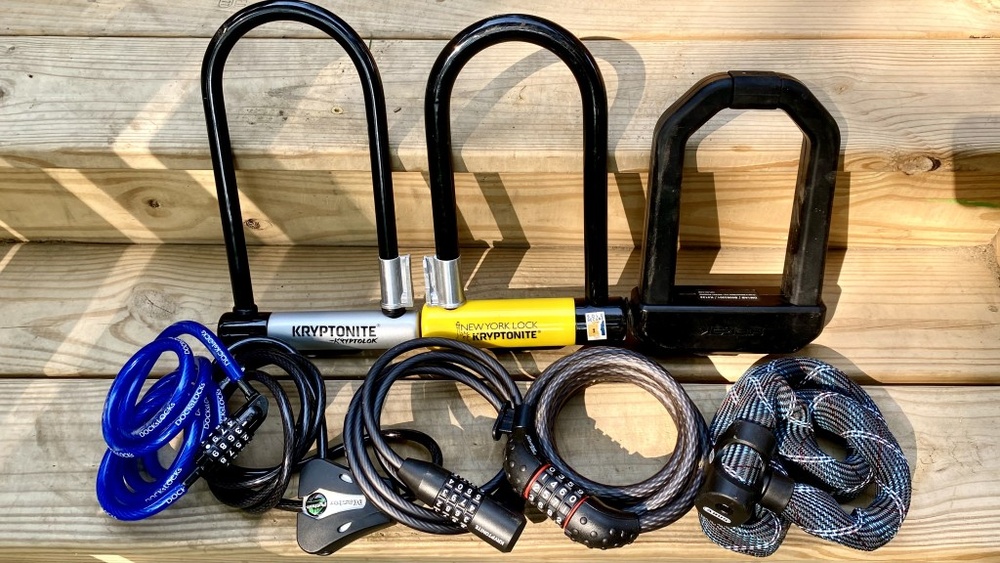
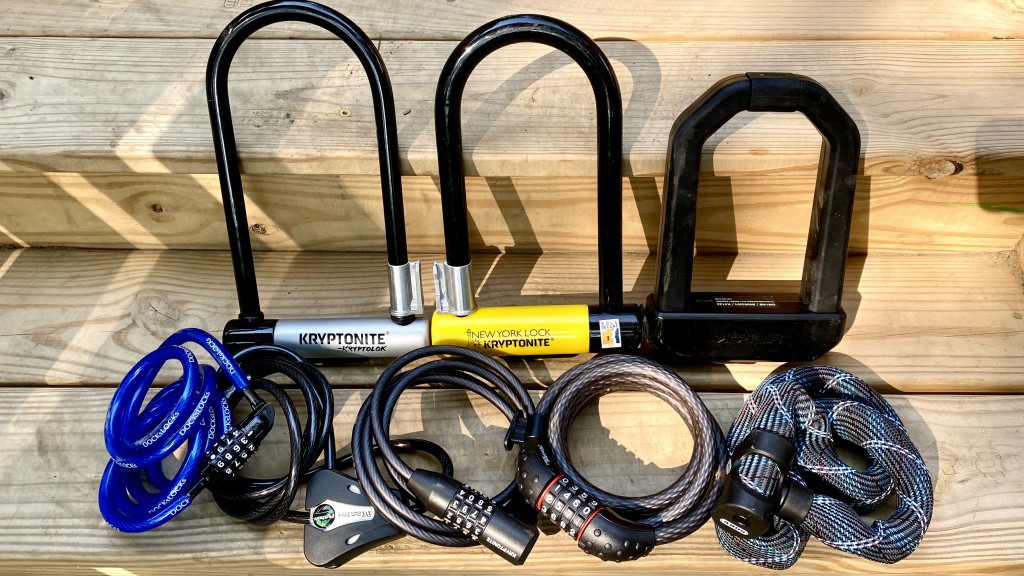
Combination bike locks come in various types. Each type offers different levels of security and convenience. Understanding these types helps you choose the right lock for your bike.
Cable Locks
Cable locks are made from flexible steel cables. They are lightweight and easy to carry. You can wrap them around bike frames and posts. These locks are good for short stops. They offer basic security but can be cut with strong tools.
Chain Locks
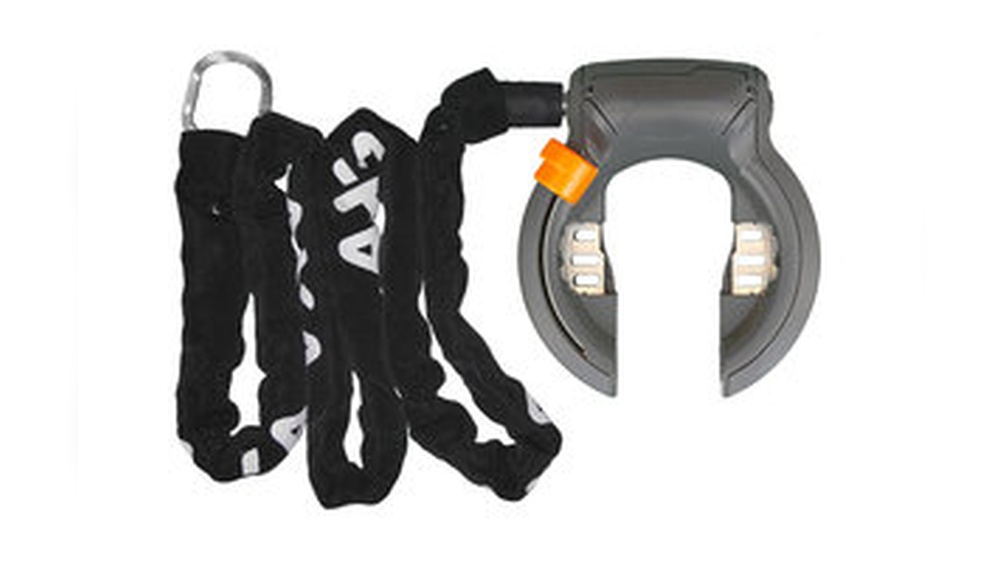
Chain locks use thick metal chains for protection. They are heavier than cable locks. The chains are covered with a fabric sleeve to avoid scratches. Chain locks are harder to cut and provide better security. They are useful in areas with higher theft risk.
U-locks
U-locks have a solid metal shackle shaped like a “U”. They offer strong protection against theft. The metal is hard to break or cut. U-locks are rigid and less flexible. They work well for locking bikes to fixed objects.
Folding Locks
Folding locks consist of metal plates connected by rivets. They fold into a compact shape for easy carrying. These locks combine flexibility and strength. Folding locks are harder to break than cable locks. They offer good security for urban use.

Credit: transportation.wisc.edu
How Combination Cable Locks Operate
Combination cable locks are a popular choice for securing bikes. They use a simple code system instead of keys. Understanding how they work helps in choosing the right lock. Below, we explain their operation, focusing on three key points.
Mechanism Basics
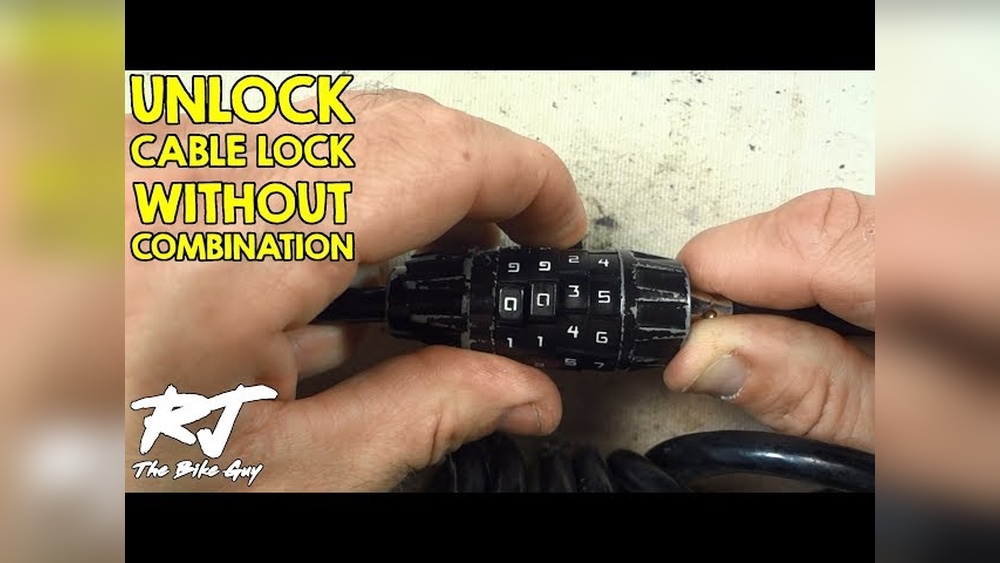
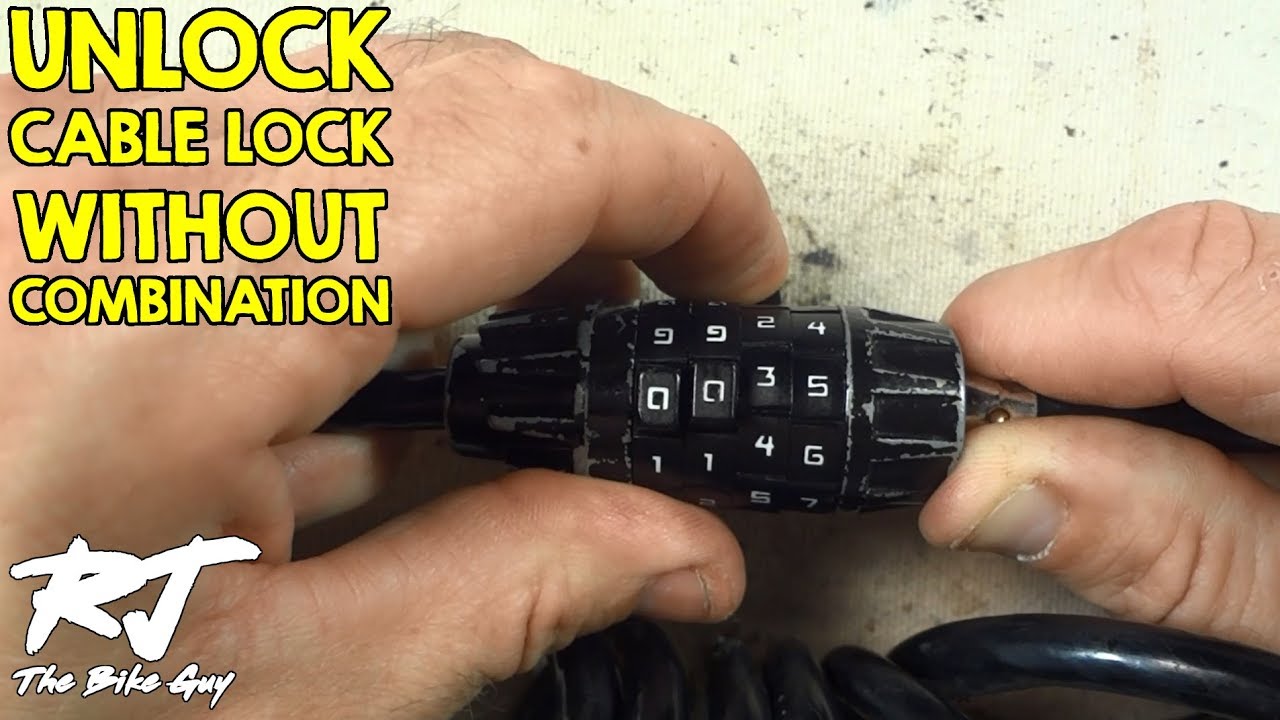
Combination cable locks use rotating dials. Each dial has numbers or letters. Turning dials aligns internal parts. When the correct code matches, the lock opens. This design avoids the need for keys. It makes the lock easy to use and share.
Setting And Resetting Codes
Users can set their own code on many locks. The default code is often 0000 or similar. To set a new code, the lock must be open. Then, follow the instructions to change numbers. Resetting is simple but must be done carefully. Keep the new code safe to avoid lockout.
Material Strength
Combination cable locks are made from steel or similar metals. The cable is covered with plastic or rubber. This protects the bike’s frame from scratches. The metal core resists cutting and pulling. Strength varies by brand and price. Stronger cables offer better security.
Security Features Of Cable Locks
Cable locks offer a basic level of security for bicycles. Their design focuses on convenience and ease of use. Understanding their security features helps decide if they suit your needs.
These features include resistance to cutting, vulnerability to picking, and weather durability. Each impacts how well the lock protects your bike.
Resistance To Cutting
Combination cable locks use braided steel wires inside a plastic cover. This design slows down cutting attempts. Thin cables can be cut quickly with bolt cutters. Thicker cables offer better resistance. Still, professional thieves may cut through most cable locks with the right tools.
Vulnerability To Picking
Combination locks use a dial or rotating discs to set codes. Simple mechanisms can be guessed or decoded by experienced thieves. Locks with more digits or complex designs increase security. Basic combination locks are easier to pick than keyed locks. Always choose locks with reliable code systems.
Weather Durability
Cable locks face rain, sun, and cold outdoors. Plastic coatings protect the metal inside from rust. Metal parts like the locking mechanism must resist corrosion. Cheap locks can rust and seize up over time. High-quality cable locks use rust-resistant materials. This ensures the lock works well in all weather conditions.
Credit: www.outdoorgearlab.com
Real-world Performance Tests
Real-world tests show how well combination bike cable locks protect bicycles. These tests check if the locks can stop thieves using common tools and tricks. They reveal the true strength and weaknesses of these locks.
Experts test locks with cutting tools, lock picking, and timing how long it takes to break them. These trials help buyers know what to expect from their locks.
Cutting Tool Trials
Testers use wire cutters and bolt cutters to try cutting the cable. Most combination cable locks have thin cables. These cables often cut quickly with bolt cutters. Some locks use thicker cables with extra layers. These resist cutting longer but still fail under strong tools.
Lock Picking Attempts
Experts try to open the lock without the code. They use small tools to turn dials or pick the mechanism. Some locks have simple dials that open easily. Others have more complex systems that need more time. Still, many combination locks can be picked by skilled thieves.
Time To Breach
Time tests measure how long it takes to break the lock. Cable locks usually take less than a minute with the right tools. Locks with thicker cables or better mechanisms last longer. But most combination cable locks fail fast against experienced thieves.
Comparing Combination Locks To Keyed Locks
Choosing between combination bike cable locks and keyed locks can be tricky. Both types serve the same main goal: to keep your bike safe. Yet, they differ in how they offer security and ease of use. Understanding these differences helps you pick the best lock for your needs.
Convenience Vs. Security
Combination locks do not need a key. You only remember a code. This can be very handy if you lose keys easily. But some combination locks are easier to break than keyed locks. Keyed locks often provide stronger protection. Thieves find it harder to pick or cut them. So, combination locks offer convenience but may give less security.
Cost Differences
Combination locks usually cost less. They are made with simpler parts. Keyed locks can be pricier because of stronger materials and complex designs. Spending more on a keyed lock might mean better bike safety. However, cheaper combination locks are fine for short stops or low-risk areas.
Common Use Cases
Combination locks suit casual riders or places with low theft risk. They are great when you do not want to carry keys. Keyed locks fit daily commuters or areas with higher theft risk. People who park bikes outside often choose keyed locks for extra safety. Each lock type has a place depending on how and where you ride.
Credit: www.youtube.com
Tips For Choosing A Secure Cable Lock
Choosing a secure combination bike cable lock is important for protecting your bike. Not all cable locks offer the same level of security. Some are easy to cut or pick. Knowing what to check can help you pick a lock that keeps your bike safe.
Length And Thickness
The length of the cable should fit your bike and the object you lock it to. Too short means limited locking options. Too long can be bulky and easier to cut. Thickness matters more. Thicker cables resist cutting tools better. Aim for cables at least 12mm thick for good security.
Brand Reputation
Trust brands known for strong bike locks. They test their products against common attacks. Good brands use better materials and designs. Read reviews from other cyclists. Choose brands with positive feedback on durability and security.
Additional Security Features
Look for extra features like reinforced loops or protective sleeves. Some cables have anti-theft coatings to slow down cutters. Combination locks with reset options add convenience. Reflective coatings improve visibility at night. These features add layers of protection to your bike.
Best Practices For Using Combination Locks
Combination bike cable locks offer convenience and security for many cyclists. Using them correctly improves their effectiveness. Follow some simple best practices to keep your bike safe.
Proper Locking Techniques
Always lock your bike frame and both wheels. Use the strongest part of the lock to secure it to a fixed object. Avoid locking only one wheel. Tighten the cable as much as possible to reduce slack. This makes it harder for thieves to cut or twist the lock.
Avoiding Common Mistakes
Do not choose easy-to-guess combinations like “0000” or “1234.” Change your code regularly to increase security. Avoid leaving your bike in dark or isolated areas. Do not rely on the lock alone; use multiple locks if possible. Avoid twisting or bending the cable excessively to prevent damage.
Maintaining The Lock
Keep the lock clean and dry to avoid rust and dirt buildup. Lubricate the locking mechanism every few months. Store the lock indoors when not in use to extend its life. Check the lock for any signs of wear before each use. Replace the lock if it shows damage or malfunction.
Frequently Asked Questions
Are Combination Bike Cable Locks Secure Enough?
Combination bike cable locks offer moderate security. They deter casual thieves but can be cut by determined burglars. For high-risk areas, stronger locks like U-locks are recommended.
How Do Combination Bike Cable Locks Work?
These locks use a rotating dial or set of dials. Aligning the correct combination releases the locking mechanism. No keys are needed, making them convenient and keyless.
Can Combination Bike Cable Locks Resist Cutting Tools?
Most cable locks resist basic cuts but fail against heavy tools like bolt cutters. Their thin cables make them vulnerable. Consider thicker or reinforced locks for better protection.
Are Combination Bike Cable Locks Easy To Reset?
Yes, many cable locks allow you to reset the combination. This adds flexibility and helps maintain security if you suspect your code is compromised.
Conclusion
Combination bike cable locks offer basic security for low-risk areas. They are easy to use and carry, making them convenient for short stops. Yet, they may not stop determined thieves with tools. For better safety, consider combining cable locks with a stronger lock type.
Always lock your bike to a solid, immovable object. Using a combination lock is a practical choice but not foolproof. Choose the right lock based on where you park and your risk level. Stay smart and protect your bike well.