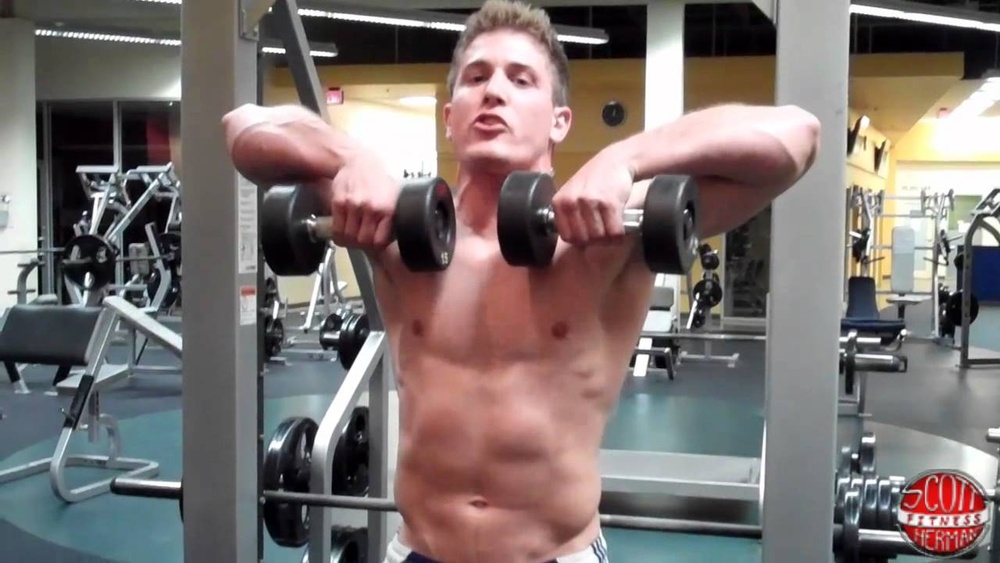
Are you wondering if you can do upright rows with dumbbells? Maybe you’ve seen this exercise in the gym and want to know if it’s safe and effective for your workouts.
Upright rows can help build strong shoulders and upper back muscles, but using dumbbells might change how the move feels and works. You’ll discover the benefits, proper technique, and key tips to make sure you’re doing upright rows with dumbbells the right way.
Keep reading to learn how to boost your strength without risking injury.
Benefits Of Upright Rows
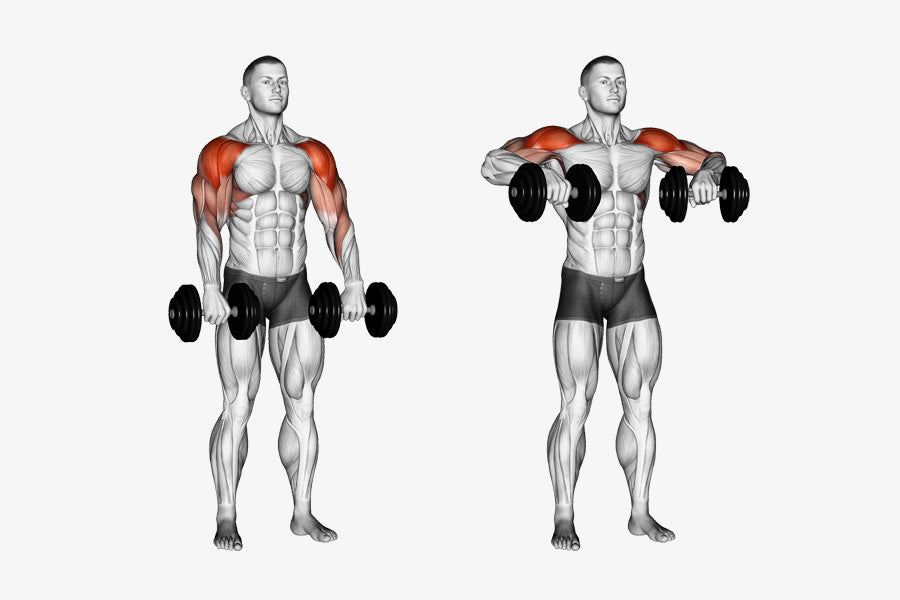
Upright rows with dumbbells offer several benefits that help build a strong upper body. This exercise is simple but effective. It targets multiple muscle groups, improves shoulder strength, and helps with posture and stability. Many fitness enthusiasts include upright rows in their routines to gain these advantages.
Muscle Groups Targeted
Upright rows mainly work the shoulders and upper back. The deltoids, especially the front and side parts, get a good workout. The trapezius muscles in the upper back also engage to lift the weights. Biceps assist in pulling the dumbbells up. This mix helps create balanced upper body strength.
Improved Shoulder Strength
This exercise strengthens the shoulder muscles effectively. Strong shoulders support daily activities and other workouts. Dumbbell upright rows help improve lifting power and endurance. They also prepare the shoulders for more complex movements. Consistent training can reduce the risk of injury.
Enhanced Posture And Stability
Upright rows help improve posture by engaging core muscles. The exercise encourages proper spine alignment during movement. Strengthening the upper back supports a straight, upright posture. Stability increases as muscles around the shoulders and spine get stronger. Better posture reduces back and neck pain.
Credit: www.glutenfree-life.net
Dumbbells Vs. Barbell
Choosing between dumbbells and a barbell for upright rows changes how your body moves. Both tools build shoulder and upper back muscles. Each offers different benefits and challenges. Understanding these helps you pick the best option for your workout.
Range Of Motion Differences
Dumbbells allow each arm to move freely. This freedom helps you lift with a wider range. You can adjust the angle to fit your body. Barbells force your arms to move together. This can limit natural arm movement. The fixed grip might reduce comfort for some users.
Joint Stress Comparison
Dumbbells reduce pressure on shoulder joints. They let your wrists and elbows rotate naturally. Barbells keep wrists in a fixed position. This may increase joint stress and discomfort. People with shoulder pain often prefer dumbbells. They offer a safer option for joint health.
Flexibility And Control
Dumbbells offer more control over the weight path. You can slow down or speed up each arm separately. Barbells require more balance between both arms. This can make the movement feel less flexible. Dumbbells suit those who want a personalized workout. Barbells fit users who want uniform movement and heavier loads.
Performing Upright Rows Safely
Performing upright rows safely is important to protect your shoulders and wrists. Using dumbbells requires focus on form and control. Proper technique helps you gain strength without injury. Follow these tips for a safe and effective workout.
Proper Grip And Stance
Hold the dumbbells with a neutral grip, palms facing your body. Keep your hands about shoulder-width apart. Stand with feet shoulder-width apart for good balance. Keep your knees slightly bent to reduce pressure on joints. Maintain a straight back and engage your core throughout the movement.
Correct Elbow Position
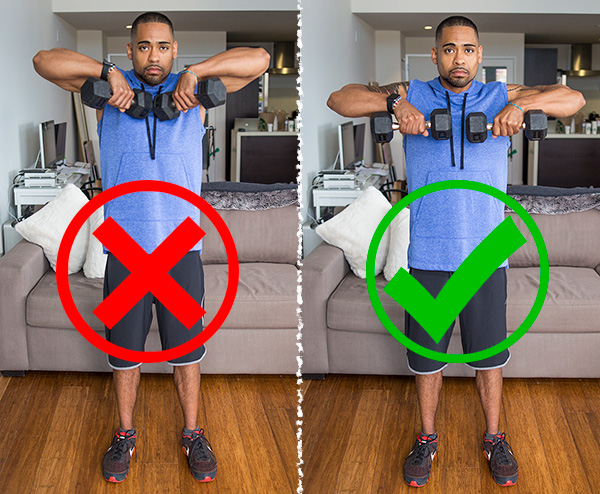
Lift the dumbbells by raising your elbows, not just your hands. Keep elbows higher than your wrists at all times. Avoid lifting your elbows above shoulder level to prevent shoulder strain. Control the movement to avoid jerking or swinging the weights. This helps target the shoulder muscles effectively and safely.
Avoiding Common Mistakes
Do not use too heavy dumbbells that cause poor form. Avoid shrugging your shoulders during the lift. Keep your wrists straight and avoid bending them. Do not lift the weights too high or too fast. Stop if you feel pain or discomfort in your shoulders or wrists.
Credit: movewithnicole.com.au
Modifications For Shoulder Health
Upright rows with dumbbells can strain your shoulders if done incorrectly. Modifying the exercise helps protect your joints. These changes reduce pain and avoid injury. They keep your shoulders strong and safe.
Adjusting Grip Width
Try using a wider grip on the dumbbells. A wider grip lowers stress on the shoulder joints. It also reduces the chance of pinching or discomfort. Keep your hands spaced comfortably apart. This small change makes the exercise easier on your shoulders.
Limiting Range Of Motion
Do not lift the dumbbells too high. Stop raising them just below your chin. This prevents excess shoulder rotation and tightness. Limiting movement protects the shoulder tendons. Move slowly and with control for better results.
Alternative Exercises
Replace upright rows with safer shoulder exercises. Try lateral raises or front raises instead. These moves build shoulder strength without risk. They help improve muscle balance and joint health. Choose exercises that feel pain-free and comfortable.
Incorporating Upright Rows Into Workouts
Adding upright rows with dumbbells to your workout helps build shoulder and upper back strength. This exercise targets the traps, deltoids, and biceps. It improves posture and enhances upper body definition. Doing upright rows correctly reduces injury risk and maximizes muscle growth.
Preparing your body and planning your sets can make a big difference. Choose exercises that work well with upright rows for a balanced routine. Below are tips to include upright rows safely and effectively.
Warm-up Suggestions
Start with light cardio like walking or cycling for 5 minutes. Move your arms in circles to loosen shoulder joints. Perform gentle stretches for your neck, shoulders, and arms. Try a few reps of dumbbell shrugs or light upright rows. These steps increase blood flow and prepare muscles for work.
Reps And Sets Guidelines
For beginners, aim for 2 to 3 sets of 8 to 12 reps. Use a weight that feels challenging but allows good form. Rest 30 to 60 seconds between sets. Gradually increase weight or reps as strength improves. Avoid lifting too heavy to prevent strain on your shoulders.
Combining With Other Exercises
Pair upright rows with exercises like shoulder presses or lateral raises. Add pulling moves such as bent-over rows or pull-ups for back balance. Include chest presses or push-ups to work the front body. This mix supports muscle symmetry and overall upper body strength.

Credit: www.youtube.com
Frequently Asked Questions
Can You Do Upright Rows With Dumbbells Safely?
Yes, upright rows with dumbbells can be safe if done with proper form. Keep your wrists straight and lift weights to chest height. Avoid heavy weights that strain your shoulders to prevent injury.
What Muscles Do Dumbbell Upright Rows Target?
Dumbbell upright rows primarily target the shoulders and upper traps. They also engage the biceps and upper back muscles. This exercise helps build strength and improve shoulder stability effectively.
Are Dumbbell Upright Rows Better Than Barbell Rows?
Dumbbell upright rows allow for a greater range of motion and reduce joint strain. Barbell rows provide more stability but can limit wrist mobility. Choose based on your comfort and fitness goals.
How To Avoid Shoulder Pain During Upright Rows?
To avoid shoulder pain, use light weights and avoid lifting elbows above shoulder height. Maintain controlled movements and proper posture. Stop if you feel discomfort and consult a professional if pain persists.
Conclusion
You can safely do upright rows with dumbbells by using proper form. Keep your movements slow and controlled to avoid injury. Choose a weight that feels comfortable and does not strain your shoulders. Dumbbells allow a natural range of motion, which helps reduce stress on joints.
Remember to listen to your body and stop if you feel pain. Adding upright rows can improve your shoulder and upper back strength. Try including them in your workout routine for balanced muscle development. Stay consistent and focus on good technique for best results.