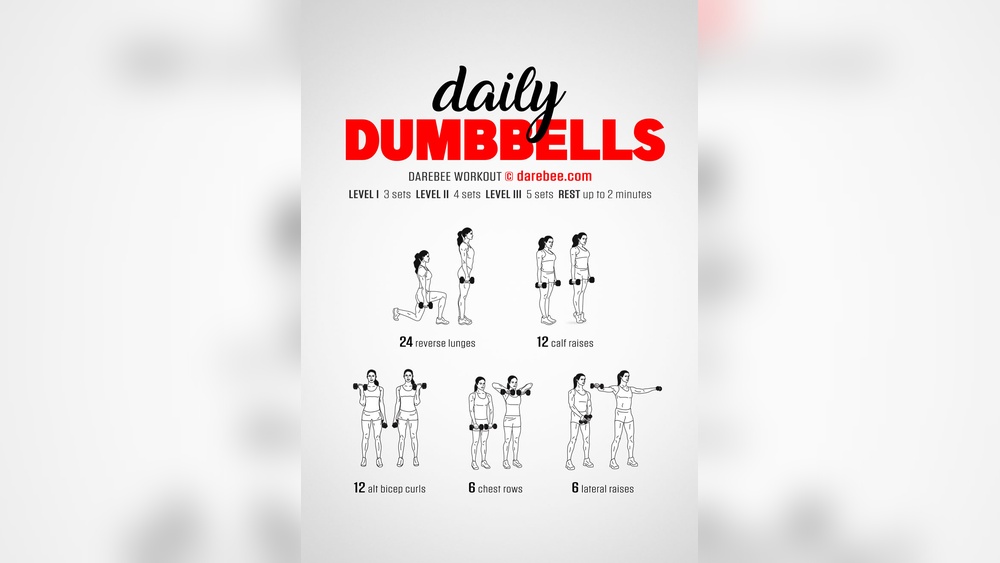
Have you ever wondered if you can use dumbbells every day without harming your body? Maybe you want to build muscle faster or stay consistent with your workouts.
But is daily dumbbell training safe and effective? Understanding how your muscles recover and grow is key to reaching your fitness goals without injury. Keep reading to discover the truth about lifting dumbbells daily and how you can make the most out of your routine.
This could change the way you work out forever.

Credit: vixencomposites.com
Benefits Of Daily Dumbbell Workouts
Daily dumbbell workouts offer many benefits for both beginners and fitness enthusiasts. Using dumbbells every day helps build strength and keeps your body active. These exercises target multiple muscle groups and improve overall fitness. Small, consistent efforts lead to big changes over time.
Improved Muscle Endurance
Training with dumbbells daily increases muscle endurance. Your muscles learn to work longer without getting tired. This helps with daily activities and other workouts. Stronger endurance means better performance in sports and physical tasks.
Enhanced Metabolic Rate
Dumbbell exercises boost your metabolism by building lean muscle. More muscle means your body burns more calories, even at rest. This helps with weight management and fat loss. A higher metabolic rate improves your energy levels throughout the day.
Convenience And Accessibility
Dumbbells are easy to use at home or the gym. They do not require much space or special equipment. You can fit short workouts into a busy schedule. This convenience makes it easier to stay consistent and reach your fitness goals.
:max_bytes(150000):strip_icc()/VWFit-lift-weights-every-day-7692844-5cd994f75ca8457abdb22c7ba1a80510.jpg)
Credit: www.verywellfit.com
Risks Of Overtraining With Dumbbells
Using dumbbells daily might seem like a good way to get stronger fast. But training with dumbbells every day without rest can cause problems. Overtraining brings risks that can slow progress or cause harm. It is important to know these risks before deciding your workout plan.
Muscle Fatigue And Injury
Muscles need time to recover after exercise. Training daily with dumbbells can cause muscle fatigue. Tired muscles lose strength and do not perform well. This increases the chance of strains or tears. Injuries happen when muscles are pushed too hard without rest.
Joint Stress And Inflammation
Joints also need recovery time. Repeated dumbbell exercises can stress joints daily. This stress causes inflammation and pain. Swollen joints reduce movement and cause discomfort. Over time, joint problems may get worse without proper rest.
Plateau In Muscle Growth
Muscle growth happens during rest, not during exercise. Daily dumbbell workouts can stop muscles from growing. Constant training without breaks causes a plateau. Your strength and size may stop improving. Rest days help muscles rebuild and grow stronger.
Signs You Need Rest Days
Rest days are important for your body and mind. They help muscles heal and grow stronger. Without rest, your workout results can slow down or stop. Your body sends signals when it needs a break. Recognizing these signs helps you avoid injury and burnout.
Persistent Soreness
Soreness after exercise is normal. But constant soreness that lasts for days is a warning. It means your muscles have not fully recovered. Pushing through this pain can cause damage. Take rest days to let soreness fade and muscles rebuild.
Decreased Performance
Do you lift less weight or do fewer reps than usual? This drop in strength shows your body is tired. Performance decline means your muscles are not ready for more work. Rest helps restore your energy and power. Skipping rest can lead to longer recovery times.
Mental Fatigue
Exercise is not just physical. Your mind also needs rest. Feeling unmotivated or tired during workouts signals mental fatigue. Stress and burnout affect focus and enjoyment. A few days off can refresh your mind and make training fun again.
How To Structure Daily Dumbbell Routines
Structuring daily dumbbell routines requires a smart plan. The goal is to train effectively without causing injury or burnout. A well-balanced schedule helps muscles recover and grow stronger. Focus on different muscle groups, adjust workout intensity, and include rest periods.
Targeting Different Muscle Groups
Divide workouts by muscle groups each day. One day for arms, another for legs, another for chest and back. This approach allows muscles to rest while others work. It prevents overuse and reduces the risk of injury. Rotate muscle groups to keep your routine balanced and effective.
Varying Intensity And Volume
Change the weight or number of reps each day. Use heavier weights with fewer reps on some days. On others, use lighter weights and more reps. This variation prevents plateaus and helps muscles adapt. It also reduces fatigue and promotes steady progress.
Incorporating Active Recovery
Include light activities on some days to help muscles recover. Use low-weight dumbbells for gentle exercises or stretching. Active recovery improves blood flow and reduces soreness. It keeps you moving without stressing your muscles too much.
Expert Tips For Safe Muscle Growth
Building muscle safely with daily dumbbell workouts requires smart strategies. Experts suggest focusing on key areas to avoid injury and support growth. These tips help you stay consistent and see better results over time.
Following a routine with warm-ups, correct form, and good nutrition can make a big difference. Keep your body ready and your muscles fueled for the best progress.
Proper Warm-up And Cool-down
Start every session with a gentle warm-up. Light cardio or dynamic stretches increase blood flow. This prepares muscles and joints for exercise. Ending with a cool-down helps reduce soreness. Stretching after workouts improves flexibility and speeds recovery.
Maintaining Correct Form
Always focus on proper technique. Using the right form lowers injury risk. It also targets muscles better. Avoid rushing through exercises. Controlled movements build strength and protect joints. If unsure, watch tutorials or ask a trainer for help.
Balanced Nutrition And Hydration
Your muscles need fuel to grow. Eat foods rich in protein, healthy fats, and carbs. Drink plenty of water before, during, and after workouts. Staying hydrated supports muscle repair and energy levels. Balanced nutrition and hydration improve performance and recovery.

Credit: www.youtube.com
Alternatives To Daily Dumbbell Training
Dumbbell training is effective but doing it every day may cause strain. Finding other workout options can protect your muscles and keep you active. Alternatives balance strength, movement, and rest.
These options help avoid overuse injuries and improve overall fitness. They add variety and keep your routine interesting. Variety also helps target different muscle groups and skills.
Bodyweight Exercises
Bodyweight exercises need no equipment. Push-ups, squats, and planks build strength naturally. They improve muscle endurance and control. You can do them anywhere and change difficulty easily. Bodyweight moves let muscles rest from dumbbells while staying strong.
Cardio And Flexibility Workouts
Cardio workouts increase heart health and burn calories. Walking, running, or cycling are simple choices. Flexibility exercises like yoga or stretching improve muscle length. These workouts reduce soreness and improve motion. Cardio and flexibility help recovery and balance strength days.
Cross-training Benefits
Cross-training mixes different exercise types. It prevents boredom and overuse injuries. Switching between strength, cardio, and flexibility enhances fitness. Cross-training improves coordination and reduces muscle fatigue. It keeps workouts fun and well-rounded.
Frequently Asked Questions
Can We Lift Dumbbells Every Day Safely?
Yes, you can lift dumbbells daily if you vary intensity and target different muscle groups. Rest and proper form prevent injury and overtraining.
How Often Should Beginners Use Dumbbells Weekly?
Beginners should start with 2-3 sessions per week. This allows muscles to adapt and recover, reducing injury risks and promoting steady progress.
What Are Risks Of Daily Dumbbell Workouts?
Daily workouts without rest risk muscle fatigue, injury, and burnout. Overtraining can hinder muscle growth and reduce workout effectiveness.
Can Daily Dumbbell Use Improve Muscle Tone?
Daily dumbbell exercises can enhance muscle tone if balanced with proper rest and nutrition. Consistency and variety are key for visible results.
Conclusion
Daily dumbbell workouts can build strength and improve fitness. Rest days help muscles recover and grow stronger. Listen to your body to avoid injury or fatigue. Vary your exercises to keep workouts balanced and fun. Consistency matters more than doing dumbbells every single day.
Small steps lead to lasting health and better results. Keep moving, stay safe, and enjoy your fitness journey.