Are you looking to strengthen your core and sculpt your waistline? Dumbbell side bends might be the answer you’ve been searching for.
But are dumbbell side bends good for your fitness goals? This simple exercise targets your obliques and can help improve your posture and balance. Keep reading to discover how dumbbell side bends can fit into your workout routine—and whether they’re the right move for you.

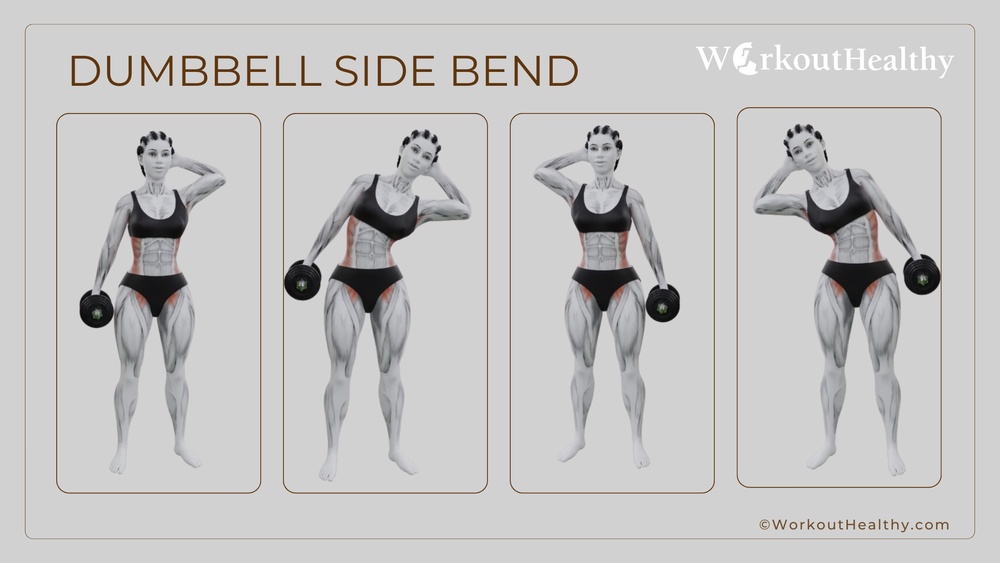
Credit: workouthealthy.com
Benefits Of Dumbbell Side Bends
Dumbbell side bends are simple exercises with many benefits. They target the side muscles of your body. Regular practice helps build strength and improves body control. This move is easy to add to any workout routine.
Understanding the benefits of dumbbell side bends shows why they are good for your fitness. They help in several important ways that improve your overall health and performance.
Strengthening Oblique Muscles
Dumbbell side bends focus on the oblique muscles along your waist. Strong obliques support twisting and bending motions. They also help protect your spine during movement. Building these muscles improves your athletic skills and daily actions.
Improving Core Stability
This exercise engages core muscles deeply. A stable core supports balance and body control. Better core stability reduces the risk of injuries. It also helps you stay steady during other workouts and sports activities.
Enhancing Spinal Flexibility
Dumbbell side bends encourage gentle side bending of the spine. This movement increases spinal flexibility and range of motion. Flexible spines reduce stiffness and discomfort. They make everyday movements easier and more comfortable.
Supporting Better Posture
Strong obliques and core muscles help keep your posture upright. Good posture reduces back pain and fatigue. It also improves breathing and body alignment. Dumbbell side bends contribute to standing and sitting taller.
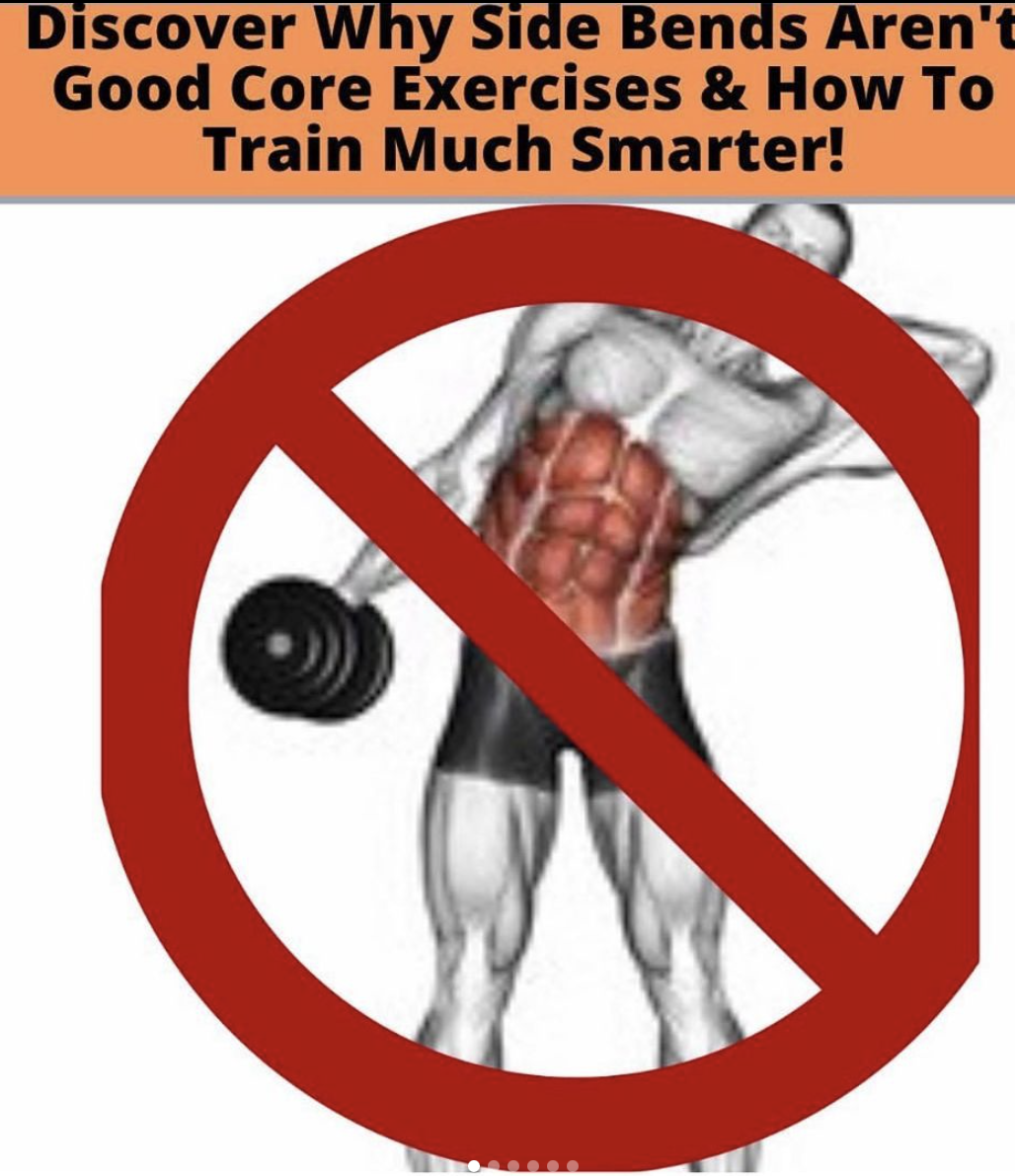
Credit: ultimatesandbagtraining.com
Proper Dumbbell Side Bend Technique
Proper dumbbell side bend technique helps target your obliques safely. It also improves your core strength and balance. Using the right form reduces injury risk and maximizes workout benefits. Follow these key steps for the best results.
Choosing The Right Dumbbell Weight
Select a dumbbell weight that challenges you but feels manageable. Start light to learn the movement. Gradually increase weight as your strength improves. Avoid weights that cause strain or poor form.
Correct Body Positioning
Stand with feet shoulder-width apart. Hold the dumbbell in one hand at your side. Keep your back straight and chest lifted. Engage your core muscles throughout the exercise. Avoid leaning forward or backward.
Controlled Movement And Breathing
Bend slowly to the side where you hold the dumbbell. Stop when you feel a stretch in your obliques. Return to the starting position in a controlled way. Breathe out as you bend and breathe in as you return.
Common Form Mistakes To Avoid
Do not use momentum or jerk your body. Avoid twisting your torso during the bend. Do not let your shoulders slump forward. Keep movements smooth and steady for best results.
Incorporating Side Bends Into Workouts
Incorporating dumbbell side bends into your workouts helps strengthen your core muscles. These exercises focus on the obliques, which improve your balance and stability. Including side bends can also reduce the risk of injuries by supporting your spine. They fit well in many workout routines, whether at home or in the gym.
Side bends are simple to add and do not require much space or equipment. Consistency is key to seeing results. Below are ways to use side bends effectively in your fitness plan.
Ideal Frequency And Repetition
Perform side bends two to three times a week. This schedule allows your muscles to recover and grow stronger. Aim for 10 to 15 repetitions per side. Complete two to three sets each session. Avoid doing side bends every day to prevent muscle strain.
Pairing With Complementary Exercises
Combine side bends with exercises that target the entire core. Planks and Russian twists work well together. These moves build strength and improve muscle balance. Adding squats or lunges can also enhance your workout. This combination supports better posture and overall fitness.
Adjusting Intensity For Different Fitness Levels
Start with light dumbbells or no weight at all. Beginners should focus on form and control. Increase weight gradually as strength improves. Advanced users can add heavier dumbbells or more repetitions. Adjust speed and pause time to challenge your muscles more.
Potential Risks And How To Prevent Them
Dumbbell side bends can help strengthen your core and improve flexibility. Still, some risks come with this exercise if not done right. Knowing the common problems helps you avoid injury and get better results.
Lower Back Strain
Lower back strain happens when you bend too far or use too much weight. Your spine may get hurt if you twist or arch it incorrectly. Keep your movements slow and controlled. Use a lighter dumbbell to protect your back. Stop if you feel sharp pain.
Overuse Injuries
Doing side bends too often can cause overuse injuries. Your muscles and joints may become tired and sore. Give your body time to rest between workouts. Vary your exercises to avoid stressing the same muscles every time.
Balancing Muscle Development
Side bends mainly work one side of your body. Focusing only on one side can cause muscle imbalance. Train both sides equally to keep your body balanced. Include exercises that target other core muscles for better strength.
Alternatives To Dumbbell Side Bends
Exploring alternatives to dumbbell side bends can help target your obliques more effectively. These exercises work your side muscles and improve core strength. They also add variety to your workout routine.
Switching exercises can reduce boredom and prevent plateaus. It also helps avoid overuse injuries from doing the same movement repeatedly. Here are some great alternatives that fit well into most fitness plans.
Cable Woodchoppers
Cable woodchoppers are excellent for working the obliques with controlled resistance. They mimic a chopping motion using a cable machine. This exercise improves rotational strength and core stability.
Adjust the cable height to target different parts of your side muscles. Perform slow, controlled movements to avoid injury. Cable woodchoppers engage multiple muscles for a full core workout.
Russian Twists
Russian twists work the obliques and the entire core. Sit on the floor with your knees bent and feet lifted slightly. Twist your torso side to side while holding a weight or medicine ball.
This exercise builds rotational strength and improves balance. You can increase intensity by adding weight or increasing the twist speed. Russian twists are simple and require minimal equipment.
Side Planks
Side planks are a bodyweight exercise that strengthens obliques and the entire core. Lie on your side and lift your hips off the ground, balancing on one forearm and the side of your foot.
Hold the position to build endurance and stability in your side muscles. Side planks improve posture and reduce risk of back pain. Variations include lifting the top leg or reaching the top arm overhead.

Credit: strengthlevel.com
Frequently Asked Questions
Are Dumbbell Side Bends Effective For Core Strength?
Dumbbell side bends target the obliques, helping improve core stability. They enhance lateral flexion but should be combined with other exercises for full core strength.
How Do Dumbbell Side Bends Improve Posture?
These bends strengthen side muscles supporting the spine. Strong obliques help maintain proper posture and reduce the risk of back pain.
Can Dumbbell Side Bends Help With Weight Loss?
While dumbbell side bends tone obliques, they don’t burn significant calories alone. Combining them with cardio and a healthy diet supports overall fat loss.
Are Dumbbell Side Bends Safe For Beginners?
Yes, beginners can safely perform dumbbell side bends with light weights and proper form. Avoid heavy weights to prevent strain or injury.
Conclusion
Dumbbell side bends help strengthen your side muscles and improve balance. They are simple and effective for toning your waist. Using correct form reduces the risk of injury. Adding these bends to your workout can support better posture. Remember to start with light weights and increase slowly.
Consistency matters more than heavy lifting. Overall, dumbbell side bends offer good benefits for many fitness levels. Try including them in your routine for a stronger core and better shape.