Have you ever wondered if dumbbell lateral raises are a push or pull exercise? Understanding this can change the way you train your shoulders and improve your workout results.
Knowing exactly how this move works helps you target the right muscles and avoid injury. If you want to get the most out of your shoulder workouts, keep reading—because the answer might surprise you and could transform your routine.
Dumbbell Lateral Raises Basics
Dumbbell lateral raises are a popular exercise for shoulder strength. They focus on lifting light weights to the side. This movement helps build shoulder muscle and improve shape. It is simple but effective for many fitness levels.
Understanding how to do this exercise correctly prevents injury. It also ensures you get the best results. Let’s break down the movement and muscles involved.
Movement Description
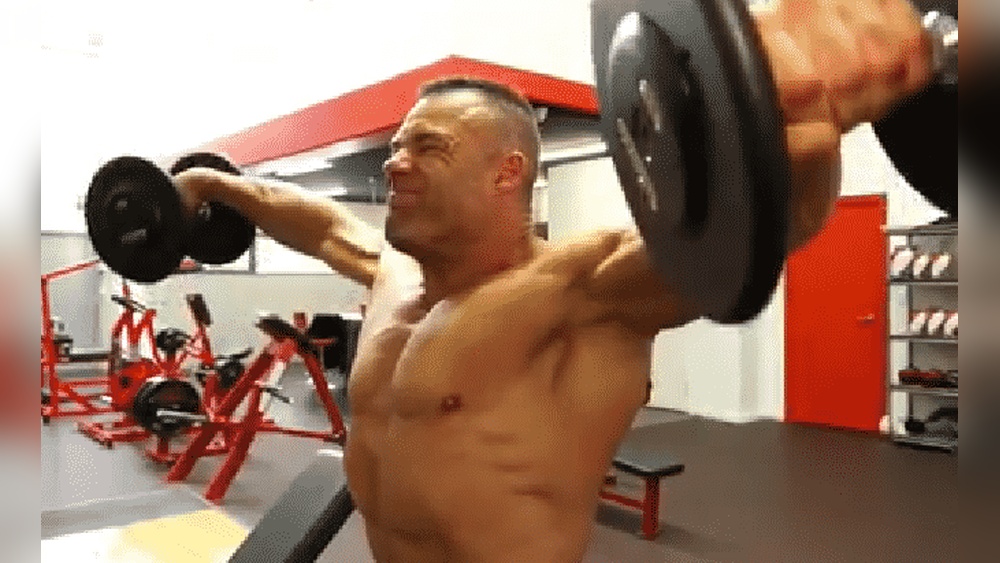
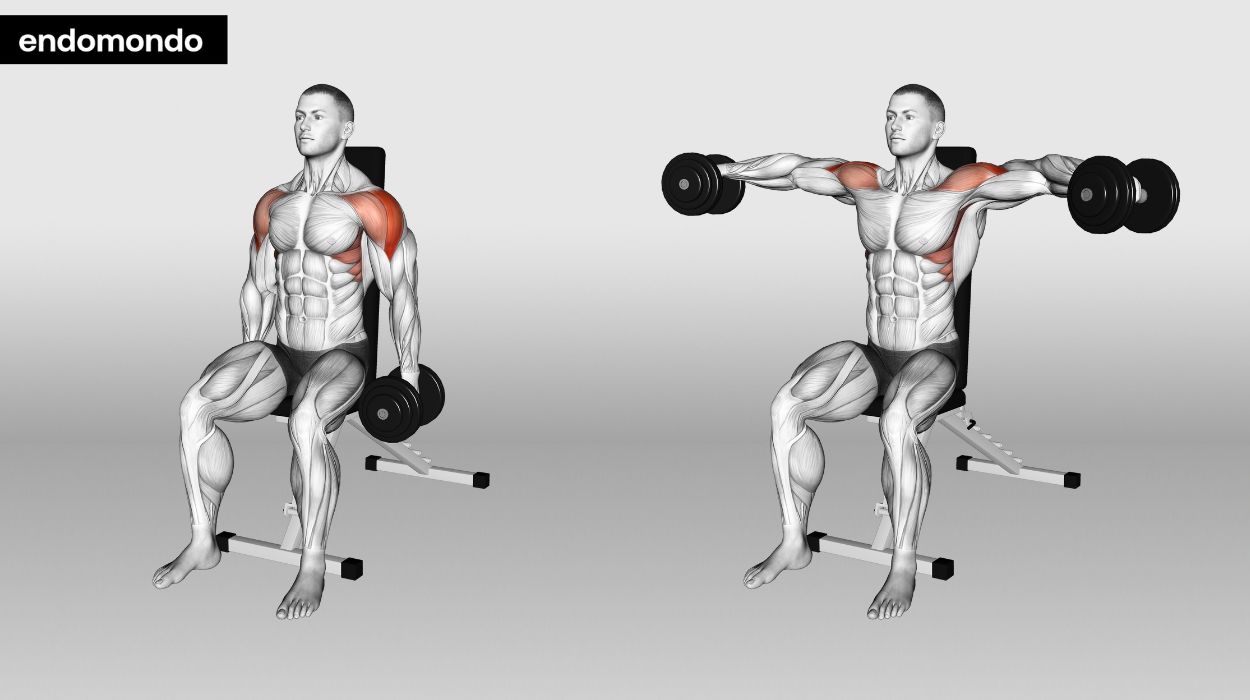
Start standing with a dumbbell in each hand. Keep your arms at your sides and palms facing in. Slowly lift your arms straight out to the sides. Raise them until they reach shoulder height. Hold briefly and then lower back down. Keep your elbows slightly bent during the lift. Avoid swinging your body or using momentum. Perform the movement in a controlled and steady manner.
Targeted Muscles
Dumbbell lateral raises mainly work the middle part of the shoulder. This muscle is called the lateral deltoid. It helps widen your shoulders and improves arm movement. The exercise also activates smaller stabilizing muscles around the shoulder. These include the rotator cuff muscles and trapezius to a lesser extent. Overall, it builds shoulder strength and adds shape to your upper body.

Credit: khb.gifthorse.ru
Push Vs Pull Movements
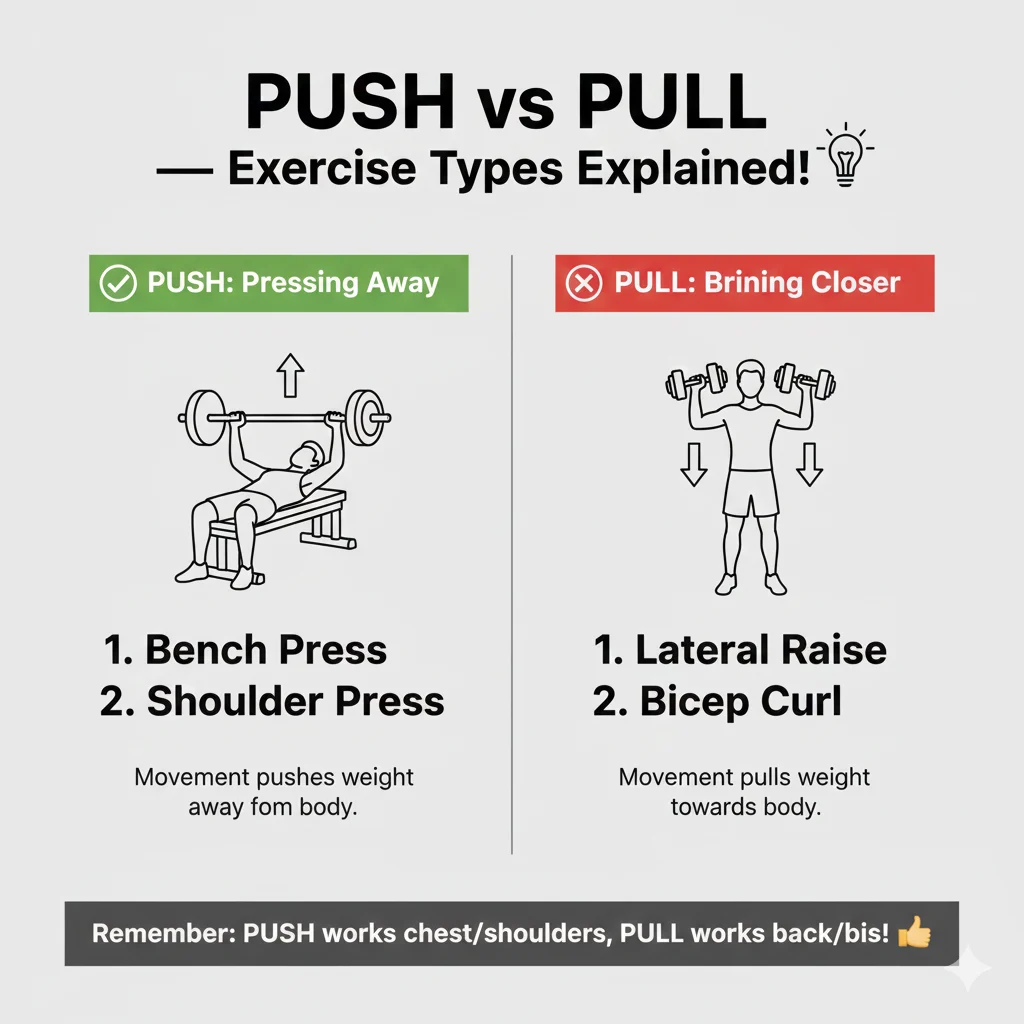
Understanding the difference between push and pull movements is key in fitness. These two types of exercises target muscles differently. Knowing which category an exercise belongs to helps plan workouts better. It also prevents muscle imbalance and injury. Dumbbell lateral raises often cause confusion. Are they push or pull exercises? This section explains the characteristics of push and pull movements.
Characteristics Of Push Exercises
Push exercises involve muscles that push weight away from the body. These movements extend the arms or legs. The chest, shoulders, and triceps mainly work during push exercises. Examples include push-ups, bench press, and overhead press. Push exercises often feel like pressing or pushing something forward or up. They usually involve straightening the arms or legs. The muscles contract to push the load away from the torso.
Characteristics Of Pull Exercises
Pull exercises involve muscles that pull weight toward the body. These movements flex the arms or legs. The back, biceps, and rear shoulders work during pull exercises. Examples include pull-ups, rows, and bicep curls. Pull exercises feel like pulling or dragging something closer. They often involve bending the arms or legs. The muscles contract to bring the load toward the torso.
Analyzing Dumbbell Lateral Raises
Dumbbell lateral raises target the shoulder muscles. They help build strength and improve shoulder shape. Understanding how these raises work helps you train better. This section breaks down the muscle activity and joint movements during the exercise.
Muscle Activation Pattern
The main muscle worked is the deltoid, especially the middle part. It lifts the arm sideways. The trapezius and supraspinatus assist in this movement. The biceps and triceps stay relaxed. This pattern shows the exercise focuses on shoulder abduction, not pushing or pulling.
Joint Actions Involved
The shoulder joint performs abduction, moving the arm away from the body. The elbow stays mostly straight. No flexion or extension happens at the elbow. The scapula stabilizes the shoulder during the raise. The movement is controlled and smooth to avoid injury.
Common Misconceptions
Many people get confused about whether dumbbell lateral raises are a push or pull exercise. This confusion comes from how we think about the movement and the muscles used. Understanding these common misconceptions helps clear things up.
Some call it a push because the arms move away from the body. Others say it is a pull since the shoulder muscles contract to lift the weights. Both views have reasons behind them, but the truth lies in the details of muscle action and joint movement.
Why Some Consider It A Push
People see dumbbell lateral raises as a push because the arms go out to the side. This looks like pushing the weight away from the body. The movement involves raising the arms, which many link to pushing actions in exercises.
The deltoid muscles work hard to lift the dumbbells. Since these muscles push the arms upward, some think the exercise fits the push category. The feeling of pushing against gravity adds to this idea.
Why Others Label It Pull
Others say it is a pull because the shoulder muscles contract to pull the arms up. The lateral raises require the muscles to pull the weights away from the body’s center. This pulling action is why some call it a pull exercise.
The muscles around the shoulder blade stabilize and pull during the movement. This support makes the raise more of a pulling effort. The focus on muscle contraction rather than arm movement leads to this view.
Training Tips For Lateral Raises
Training with dumbbell lateral raises can improve shoulder strength and shape. These exercises target the side deltoids, helping widen your upper body. Proper training helps avoid injury and brings better results. Focus on form and how to add them to your workout plan.
Proper Form And Technique
Stand straight with a dumbbell in each hand. Keep your arms slightly bent at the elbows. Raise the weights out to your sides until they reach shoulder height. Avoid using momentum or swinging your body. Hold the top position briefly, then lower slowly. Keep your shoulders down and chest up. This method activates the muscles correctly and reduces strain.
Incorporating Into Workouts
Add lateral raises after compound shoulder exercises like overhead presses. Use lighter weights to focus on muscle control and endurance. Aim for 3 sets of 10 to 15 reps. Rest for 30 to 60 seconds between sets. Combine with other shoulder movements for balanced development. Adjust the frequency based on your recovery and goals.
Credit: www.endomondo.com
Benefits Of Dumbbell Lateral Raises
Dumbbell lateral raises offer many benefits for your upper body. This exercise targets the shoulders, helping you build strength and improve muscle shape. It is simple but effective, making it a popular choice for many fitness routines.
Adding dumbbell lateral raises to your workout can improve your shoulder function and appearance. It is a key move for balanced muscle development and better posture.
Shoulder Strength
Dumbbell lateral raises focus on the deltoid muscles, especially the middle part. Strong deltoids support daily activities and other workouts. They help you lift and carry objects with more ease. This exercise also improves shoulder stability, reducing the chance of injury.
Muscle Symmetry And Aesthetics
This move helps balance muscle size on both sides of the body. It prevents one shoulder from becoming stronger or bigger than the other. Well-developed shoulders create a wider and more athletic look. Dumbbell lateral raises enhance muscle shape, making your arms and upper body look better.
Credit: definevs.com
Frequently Asked Questions
Are Dumbbell Lateral Raises Considered A Push Exercise?
Dumbbell lateral raises are not a push exercise. They primarily work the shoulder’s lateral deltoid through abduction, involving lifting weights away from the body. Push exercises typically involve pressing movements, which lateral raises do not perform.
Do Dumbbell Lateral Raises Target Pulling Muscles?
No, dumbbell lateral raises do not target pulling muscles. They focus on the shoulder’s side delts, which are responsible for arm abduction. Pulling muscles usually involve the back and biceps, which are not heavily engaged in this exercise.
What Muscles Do Dumbbell Lateral Raises Work?
Dumbbell lateral raises mainly work the lateral deltoid muscle. They also engage the trapezius and supraspinatus to a lesser extent. This exercise helps widen and strengthen the shoulder, improving overall shoulder aesthetics and stability.
Are Lateral Raises Better For Push Or Pull Workouts?
Lateral raises are better suited for push workouts. They complement pressing movements by isolating the shoulder’s side delts. This exercise is often included in shoulder or push days rather than pull routines focusing on the back.
Conclusion
Dumbbell lateral raises mainly work the shoulder muscles by pushing. They help build strong, wide shoulders and improve posture. This exercise targets the deltoids, which lift the arms to the side. Knowing it is a push movement can guide your workout plan.
Combine it with pull exercises for balanced strength. Keep your form correct to avoid injury. Try adding lateral raises to your routine for better shoulder shape and function. Simple, focused workouts bring steady progress.