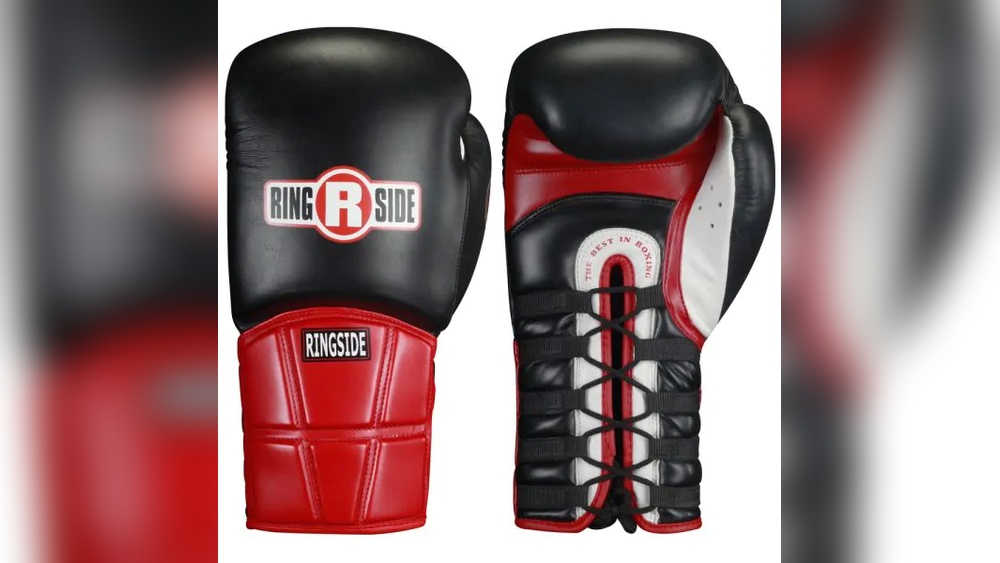
Have you ever wondered what makes professional boxing gloves so special? If you’re serious about boxing or just curious, understanding what these gloves are made of can change the way you see the sport.
The materials inside your gloves don’t just protect your hands—they affect your performance, comfort, and safety. Keep reading to discover the secrets behind these powerful gloves and learn how the right materials can make all the difference in your boxing experience.
Types Of Boxing Gloves
Boxing gloves come in several types, each designed for a specific purpose. Choosing the right glove helps improve performance and protect hands. Different gloves vary in weight, padding, and fit. Understanding these types helps boxers train safely and fight effectively.
Training Gloves
Training gloves are versatile and used for daily workouts. They offer good padding to protect hands and wrists. These gloves balance comfort with durability. They are suitable for hitting pads and light bag work.
Sparring Gloves
Sparring gloves provide extra padding to reduce injury risks. They are larger and softer than other gloves. These gloves protect both you and your partner during practice. Using sparring gloves helps maintain safe training sessions.
Competition Gloves
Competition gloves are lighter and fit snugly for speed and control. They have less padding compared to training or sparring gloves. These gloves meet strict weight and size rules for fights. Wearing competition gloves allows for better impact delivery.
Bag Gloves
Bag gloves are designed to endure heavy bag work. They have firm padding to absorb shock from repeated hits. These gloves protect your hands during intense punching sessions. Bag gloves are durable and support long-term training.
Outer Materials
The outer material of professional boxing gloves plays a big role in their durability and comfort. These materials protect the gloves from damage and help fighters perform better. Different materials offer different benefits and costs.
The outer layer must be strong to handle punches and wear. It also needs to feel good on the skin and be easy to clean. Let’s explore the common types of outer materials used in boxing gloves.
Leather Gloves
Leather is the top choice for many professional gloves. It is very strong and lasts a long time. Leather gloves can handle heavy use without tearing or losing shape. They also become softer and more flexible with time, making them comfortable.
These gloves often cost more but offer the best performance. Leather resists sweat and heat better than other materials. This keeps the gloves fresh and helps fighters keep a good grip inside.
Synthetic Leather Gloves
Synthetic leather looks and feels like real leather. It costs less and is easier to clean. Many beginners and amateurs choose synthetic gloves for practice and training.
This material is lighter but may not last as long as real leather. It can still provide good protection and comfort. Synthetic leather also handles moisture well, which helps reduce bad smells.
Vinyl Gloves
Vinyl is the cheapest outer material for boxing gloves. It is not very flexible and can crack over time. Vinyl gloves are good for casual use and light training only.
They are easy to wipe clean but do not breathe well. This can cause sweat to build up inside. Vinyl gloves do not offer the same protection or comfort as leather or synthetic leather gloves.
Padding Materials
Padding materials in professional boxing gloves play a key role in protection and comfort. They absorb impact and reduce injury risk. Different padding types offer unique benefits and feel. Choosing the right padding depends on fighting style and personal preference.
Foam Padding
Foam padding is common in many boxing gloves. It is lightweight and absorbs shock well. This padding molds to the shape of the hand over time. It provides good protection and flexibility. Foam padding helps fighters punch hard without hurting their hands.
Gel Padding
Gel padding offers extra cushioning and impact absorption. It spreads the force of a punch evenly across the glove. This reduces pressure points and hand fatigue. Gel padding feels softer and can improve comfort. Many fighters prefer gel padding for intense training sessions.
Horsehair Padding
Horsehair padding is traditional and less common today. It is dense and firm, providing solid protection. This padding lasts a long time but may feel harder. Some boxers like horsehair gloves for their vintage feel. Horsehair absorbs sweat but can become stiff with use.
Lining And Interior
The lining and interior of professional boxing gloves play a key role in comfort and performance. These parts protect the hands and help keep them dry during intense training or matches. The materials inside the gloves must manage sweat and allow air flow to avoid discomfort.
Good lining reduces the risk of skin irritation. It also extends the life of the gloves by preventing moisture build-up. Let’s explore the common materials used for linings and interiors in boxing gloves.
Moisture-wicking Linings
Moisture-wicking linings draw sweat away from the skin. This keeps the hands dry and prevents slipping inside the gloves. These linings use special fabrics that pull moisture to the surface.
They help reduce bacteria growth and bad odors. Many gloves use synthetic fibers for this purpose. The lining feels soft and smooth, making the glove more comfortable to wear.
Breathable Fabrics
Breathable fabrics allow air to move freely inside the glove. This helps cool the hands and reduces heat build-up. Materials like mesh or perforated linings improve airflow.
Good breathability prevents the hands from becoming hot and sweaty. It also helps the gloves dry faster after use. This feature supports hygiene and keeps the gloves fresh longer.
Closure Systems
Closure systems on professional boxing gloves keep the gloves secure during fights. They help protect the hands and wrists from injury. The two main closure types are Velcro straps and lace-up designs. Each offers different benefits for boxers.
Velcro Straps
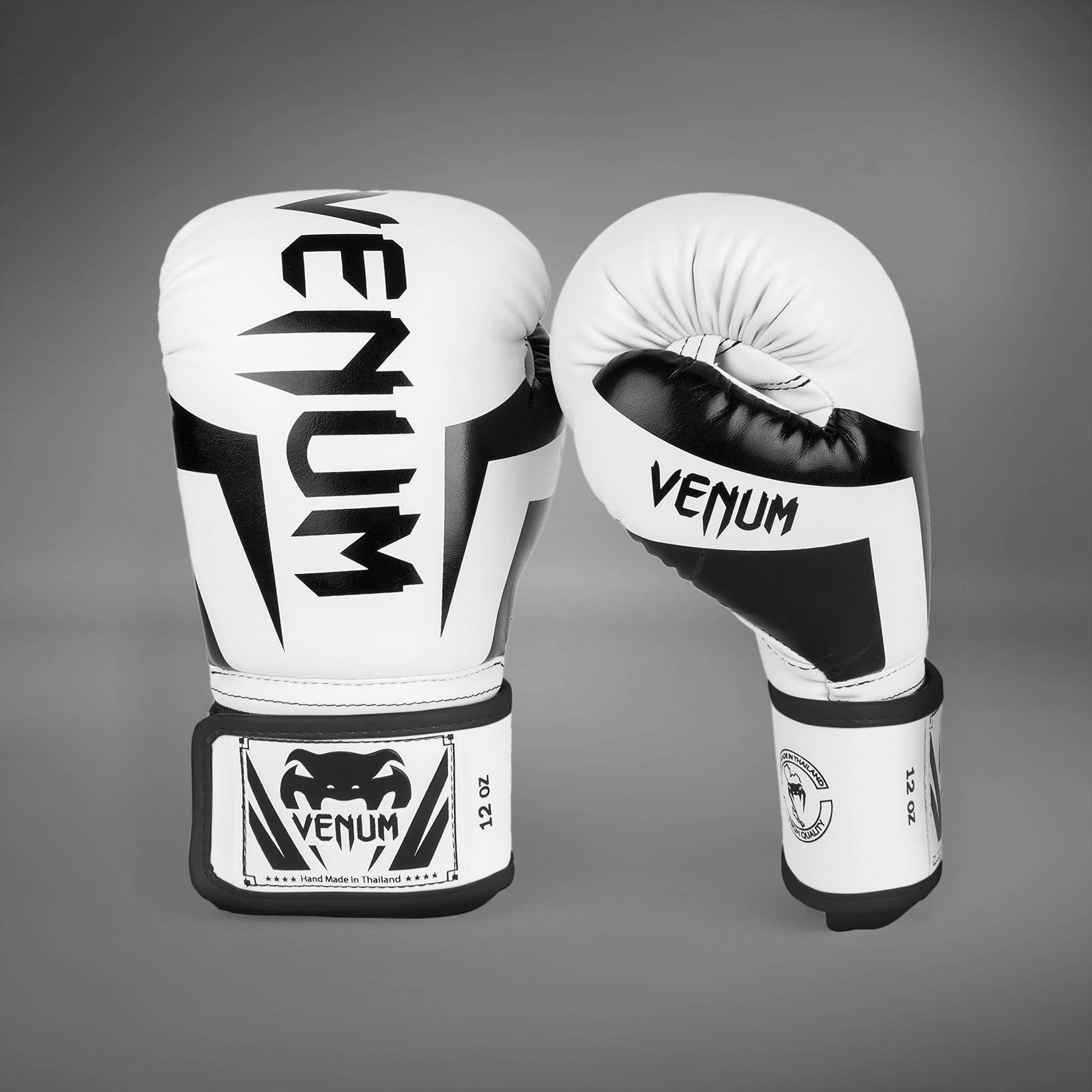
Velcro straps offer quick and easy fastening. Boxers can put on or remove gloves without help. This system provides good wrist support and adjustability. Velcro straps suit training sessions and casual fights. They allow fast glove tightening between rounds. The material is durable and stays firmly closed.
Lace-up Designs
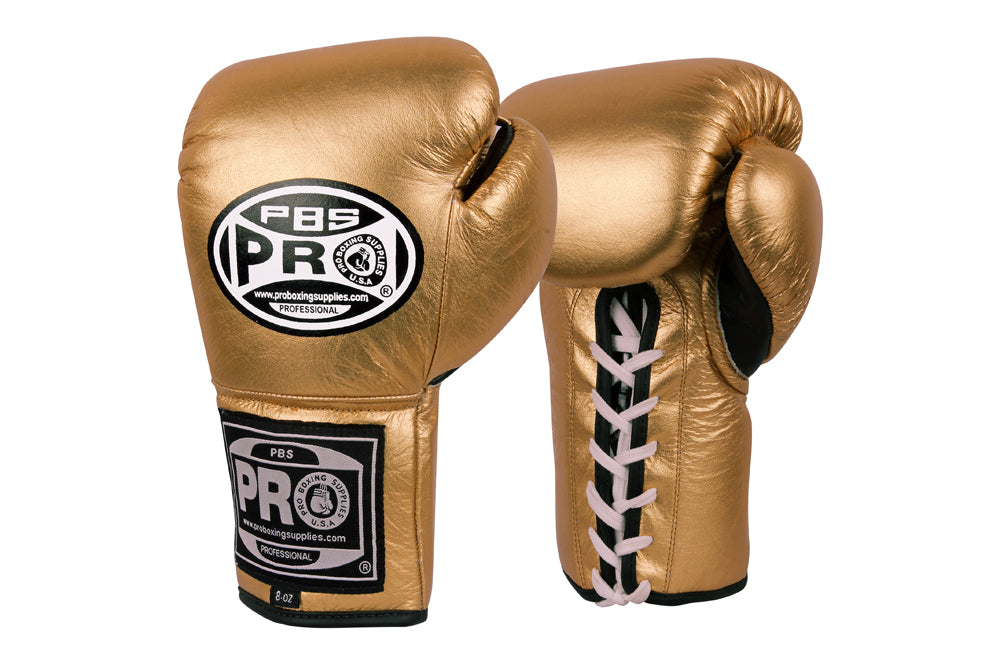
Lace-up gloves provide a custom, tight fit. Trainers or assistants usually help to lace them up. This closure offers excellent wrist stability and hand protection. Lace-up gloves are common in professional matches. They prevent any slipping or loosening during intense fights. The laces allow precise tightening along the wrist and glove body.

Credit: www.maxxproboxing.com
Factors Affecting Material Choice
Choosing the right materials for professional boxing gloves is not simple. Several factors affect which materials manufacturers use. These factors help balance the glove’s protection, comfort, and cost. The choice influences how well the glove performs during training or matches.
Durability
Boxing gloves must last through many fights and training sessions. Durable materials resist tears and wear. Leather is common for its toughness. Synthetic materials offer durability at a lower price. Strong stitching and padding also improve the glove’s lifespan.
Comfort
Comfort is key for long use. Gloves should fit well and allow hand movement. Soft linings and breathable materials keep hands cool. Padding must cushion the knuckles without feeling bulky. Proper comfort helps prevent injuries and keeps fighters focused.
Cost
The material choice affects the glove’s price. Genuine leather is usually more expensive. Synthetic options cost less but may wear out faster. Manufacturers balance cost and quality to meet different budgets. Affordable gloves still need good protection and comfort.
Performance
Materials impact how gloves perform in the ring. Lightweight materials help with faster punches. Padding and shape affect shock absorption. Gloves must protect both the wearer and opponent. The right material mix supports better fighting technique and safety.
Care And Maintenance Tips
Proper care and maintenance help boxing gloves last longer. They keep gloves clean and comfortable. Good habits prevent bad smells and damage. Follow simple steps to keep gloves in top shape.
Cleaning Methods
Wipe gloves with a damp cloth after each use. Use mild soap if needed. Avoid soaking gloves in water. Air dry gloves completely before storing. Use disinfectant sprays to kill bacteria. Do not use harsh chemicals or bleach. Let gloves dry naturally, away from sunlight or heat.
Storage Recommendations
Store gloves in a cool, dry place. Avoid leaving gloves in gym bags. Use a breathable bag or mesh pouch for storage. Keep gloves open to allow air flow. Do not store gloves in tight, sealed containers. Regularly check gloves for damage or odor. Proper storage keeps gloves fresh and ready to use.
Credit: www.venum.com
Credit: proboxingsupplies.com
Frequently Asked Questions
What Materials Are Professional Boxing Gloves Made Of?
Professional boxing gloves are typically made of high-quality leather like cowhide or goatskin. Inside, they contain dense foam padding for shock absorption and hand protection.
Why Is Leather Used In Professional Boxing Gloves?
Leather is durable, flexible, and resistant to wear. It provides a comfortable fit and protects the gloves from damage during intense boxing sessions.
How Does Foam Padding Protect Boxers’ Hands?
Foam padding absorbs impact forces, reducing injury risk. It cushions knuckles and wrists, ensuring safer punches and minimizing joint strain.
Are Synthetic Materials Used In Boxing Gloves?
Some gloves use synthetic leather for affordability and easier maintenance. However, professional gloves usually prefer genuine leather for better performance and durability.
Conclusion
Professional boxing gloves combine leather, foam, and stitching. These materials protect both the boxer and the opponent. High-quality gloves last longer and feel better. Foam padding absorbs impact and reduces hand injuries. Leather offers durability and comfort during fights. Stitching holds everything tightly together for safety.
Understanding glove materials helps choose the right pair. Good gloves improve performance and keep hands safe. Always pick gloves made from trusted materials for boxing. This knowledge benefits both beginners and experienced fighters.