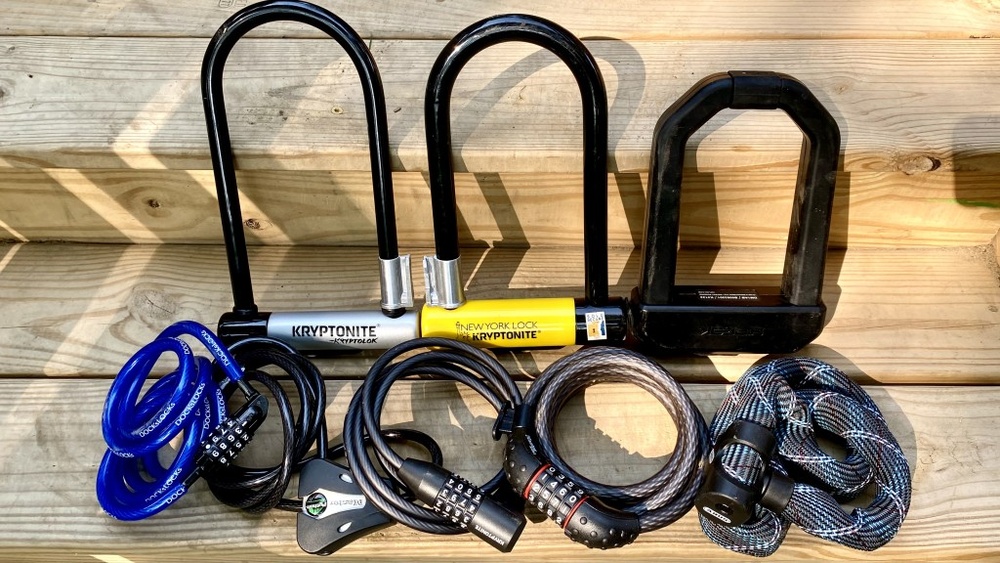
You care about your bike, and keeping it safe is a top priority. But with so many bike locks on the market, how do you know which ones truly protect your ride?
Choosing the right lock can mean the difference between peace of mind and a costly loss. You’ll discover which bike locks offer the strongest security, so you can lock up with confidence every time. Keep reading to find out how to protect your bike from thieves and avoid common mistakes that put your ride at risk.

Credit: thebestbikelock.com
Types Of Bike Locks
Choosing the right bike lock is key to keeping your bike safe. Different locks offer different levels of security. Knowing the types helps you pick the best one for your needs. Some locks are strong but heavy. Others are light but less secure.
Here are the main types of bike locks you should know about. Each has its pros and cons. Understanding these will help you protect your bike better.
U-locks
U-locks are shaped like a “U” and made from hardened steel. They offer strong protection against theft. Many thieves find them hard to cut. They are compact and fit easily on your bike frame.
Use a U-lock to secure the frame and a fixed object. They are ideal for short stops and urban areas. Choose a size that fits your bike well.
Chain Locks
Chain locks use thick steel links covered in fabric. They are flexible and strong. Chains resist cutting and can secure your bike to large objects. These locks are heavier but very tough.
Pick a chain with a strong lock and thick links. The longer chain gives more locking options. Great for high-risk areas or long parking times.
Folding Locks
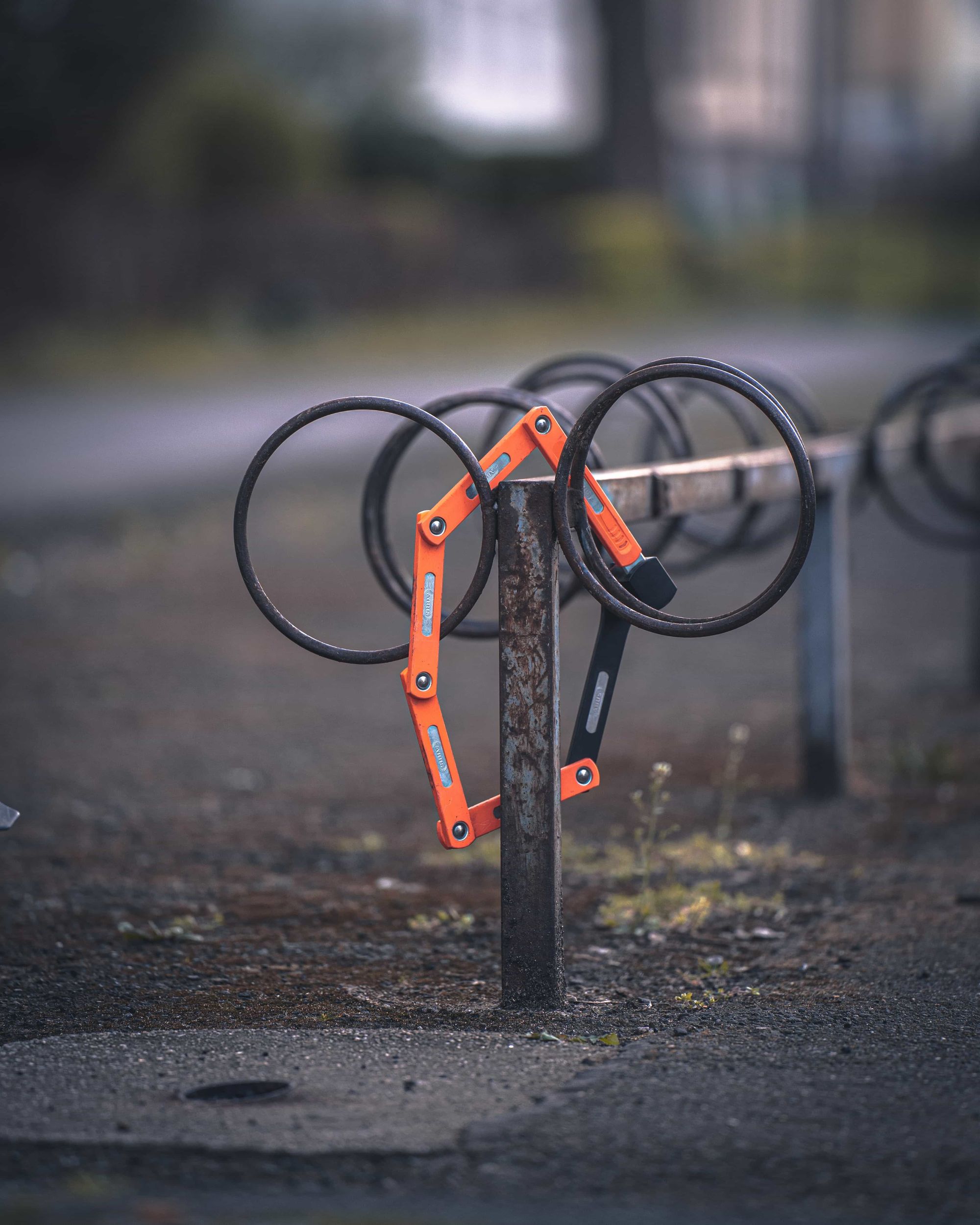
Folding locks fold into a small shape for easy carry. They use metal plates connected by rivets. Folding locks balance security and portability. They are harder to break than cable locks.
These locks fit well in small bike bags. Use them to lock your frame and wheels together. A good choice for cyclists who want light but solid security.
Cable Locks
Cable locks are flexible and light. They use braided steel cables covered in plastic. Cable locks are easy to carry and use. They work best for low-risk areas or as a secondary lock.
Cable locks are less secure than U-locks or chains. Thieves can cut thin cables quickly. Use them to lock quick-release parts or as extra protection.
Wheel And Seat Locks
Wheel and seat locks secure parts of your bike, like wheels and seat posts. They prevent quick removal by thieves. These locks are small and easy to install.
Use them with a main lock for better security. They add peace of mind but do not replace full bike locks. Perfect for stopping fast theft of parts.

Credit: thebestbikelock.com
Materials And Construction
The materials and construction of a bike lock play a crucial role in its security. Strong materials resist cutting and breaking. Good construction ensures the lock works smoothly and lasts long. Understanding these factors helps you pick the safest lock.
Hardened Steel
Hardened steel is the best material for bike locks. It is very tough and hard to cut. This steel type resists saws and bolt cutters. Locks made from hardened steel provide strong protection. They keep thieves away from your bike.
Alloy Components
Some locks use alloys in parts like shackles or cylinders. Alloys combine metals to improve strength and reduce weight. Quality alloy parts make locks both strong and light. They also resist rust and wear better than plain metals.
Locking Mechanisms
Locking mechanisms affect how safe a lock is. Complex systems like double deadbolts stop twisting or pulling attacks. Smooth, precise mechanisms reduce jams and failures. Good locks have secure pins or discs inside to prevent picking.
Weather Resistance
Weather resistance helps locks last outdoors. Water and dirt can cause rust or freeze locks. Locks with protective coatings or sealed parts avoid damage. Weatherproof locks stay reliable in rain, snow, and heat.
Security Ratings And Standards
Choosing a safe bike lock means understanding security ratings and standards. These ratings show how well a lock can protect your bike. They help you pick a lock that matches your security needs. Ratings come from tests by trusted organizations. Knowing these standards can save your bike from theft.
Sold Secure Ratings
Sold Secure is a well-known test for bike locks. It grades locks as Bronze, Silver, or Gold. Gold means the lock is very strong against attacks. Silver is good but less tough than Gold. Bronze offers basic protection. This rating helps buyers find a lock that fits their risk level.
Art Certification
ART is a Dutch organization that tests bike locks. They use stars to show security levels. Five stars mean the lock resists strong attacks. Fewer stars mean less protection. Many insurance companies accept ART-certified locks. This certification gives extra trust in the lock’s strength.
Other Industry Standards
Besides Sold Secure and ART, other standards exist. Some countries have their own tests for lock strength. Look for locks tested by independent labs. These tests check cutting, picking, and breaking resistance. Standards help confirm a lock’s quality and security level.
Top Bike Locks On The Market
Choosing the right bike lock is key to keeping your bike safe. Different types of locks suit different needs and budgets. Here, you will find some of the best bike locks on the market that offer strong protection.
Each type has its strengths. Knowing which one fits your style helps you protect your bike better. Let’s explore the top options available.
Best U-locks
U-locks are popular for their solid metal design. They resist cutting and twisting well. Look for locks made of hardened steel for extra strength. Brands like Kryptonite and Abus often lead in quality. A U-lock with a double deadbolt mechanism adds security. These locks work well in busy urban areas.
Best Chain Locks
Chain locks offer flexibility and strong protection. Heavy-duty chains made from hardened steel resist bolt cutters. Chains with protective covers avoid scratching your bike frame. Good brands include OnGuard and Kryptonite. Choose longer chains to secure your bike to fixed objects easily. They work well for long stops.
Best Folding Locks
Folding locks combine compact size and good security. They fold into a small shape, easy to carry. Look for locks with steel plates linked by rivets. Abus and Trelock make reliable folding locks. These locks fit well on bikes with limited space. They offer moderate protection and good convenience.
Best Cable Locks
Cable locks are light and flexible. They are easy to carry and use. Best for low-risk areas or short stops. Look for cables with thick steel cores and strong outer layers. Brands like Kryptonite and Master Lock make solid cable locks. These locks work well as a secondary lock with a U-lock or chain.
Common Lock Attacks
Bikes face many threats from thieves. They use different ways to break locks quickly. Understanding these common lock attacks helps pick a stronger lock. Knowing how thieves work can protect your bike better.
Bolt Cutters
Bolt cutters are thick scissors for metal. Thieves use them to cut chains and cables. Many cheap locks break fast with these tools. Strong locks use hardened steel to resist cutting.
Lock Picking
Picking means opening a lock without a key. Thieves use small tools to move the lock’s parts. Some locks are easier to pick than others. Look for locks with complex mechanisms to stop this.
Leverage Attacks
Thieves use force to twist or bend locks. They apply pressure with bars or crowbars. Weak locks bend or snap under this pressure. Locks with thick, tough parts work best against leverage.
Grinding And Cutting Tools
Power tools can grind or cut through locks. These tools make loud noises but work fast. Some locks have shields to block these tools. Hardened steel and covers help stop grinding attacks.
Tips For Maximizing Bike Security
Maximizing bike security helps protect your bike from theft. Simple actions can make a big difference. Use strong locks and smart habits to keep your bike safe. Follow these tips for better protection.
Proper Locking Techniques
Lock your bike frame and wheels to a solid object. Avoid locking only the wheel or seat. Use the strongest part of the bike in the lock. Keep the lock off the ground to prevent leverage attacks. Tighten the lock as much as possible to reduce movement.
Choosing Secure Locations
Park your bike in well-lit, busy areas. Thieves avoid crowded places. Choose fixed racks or poles that cannot be moved. Avoid soft objects like trees or signs. Look for spots with security cameras or nearby people.
Using Multiple Locks
Use two different types of locks for better security. A U-lock and a cable lock work well together. One lock can secure the frame, the other the wheels. Multiple locks slow down thieves and make stealing harder.
Regular Lock Maintenance
Keep your locks clean and lubricated to work smoothly. Check for rust or damage regularly. Replace locks that show wear or do not close properly. Well-maintained locks are harder to break and last longer.
Smart Locks And Technology
Smart locks bring new technology to bike security. They use digital tools to protect your bike better than traditional locks. These locks connect with your phone and offer features that make theft harder. Technology in bike locks is changing how people keep their bikes safe. Understanding these features helps you choose the best lock for your needs.
Bluetooth And App Integration
Smart bike locks often connect to your phone via Bluetooth. This connection lets you lock and unlock your bike without keys. Apps give you control over who can access your bike. You can share temporary access with friends or family. The app also notifies you if someone tries to tamper with your lock. This makes it easier to monitor your bike at all times.
Alarm Features
Many smart locks include built-in alarms. These alarms sound loudly if the lock senses movement or tampering. The noise can scare off thieves quickly. Some alarms also send alerts to your phone. These alerts keep you informed even if you are not near the bike. Alarm features add an extra layer of security to your bike lock.
Gps Tracking
GPS tracking helps you find your bike if it gets stolen. Some smart locks have built-in GPS devices. The GPS sends your bike’s location to your phone app. You can see your bike’s real-time position on a map. This feature increases the chances of recovering your bike. It also gives peace of mind when parking in unfamiliar places.
Battery Life And Reliability
Smart locks rely on batteries to power their features. Long battery life is important for continuous protection. Most smart locks have batteries that last weeks or months. Some models alert you when the battery is low. Reliable battery performance means your lock works without interruption. Always check battery status to avoid lockouts or security gaps.
Credit: laka.co
Frequently Asked Questions
What Types Of Bike Locks Offer The Best Security?
U-locks and heavy-duty chain locks provide the best security. They resist cutting and leverage attacks better than cable locks. Choose locks with hardened steel and double-locking mechanisms for added protection against theft.
Are U-locks Safer Than Cable Locks For Bikes?
Yes, U-locks are generally safer than cable locks. U-locks use hardened steel, making them harder to cut. Cable locks are more flexible but easier to cut with bolt cutters, offering less theft protection.
How Important Is Lock Size In Bike Security?
Lock size matters; smaller U-locks are harder to leverage open. A medium-sized lock secures your bike tightly without leaving space for tools. Always choose a lock size that fits your bike frame and the object securely.
Can Combination Locks Provide Strong Bike Security?
Combination locks offer convenience but usually less security. They can be picked or decoded easier than keyed locks. For high theft areas, keyed U-locks or heavy chain locks are better options.
Conclusion
Choosing the safest bike lock matters a lot for protecting your bike. Strong locks like U-locks and heavy chains offer good security. Always pick a lock that fits your bike and where you park. Remember, no lock is 100% safe, but some are better than others.
Taking small steps can keep your bike safer every day. Stay smart and keep your bike secure.