Are you looking to boost your leg strength and improve your overall fitness? You might have heard about dumbbell front squats but wonder if they’re really worth your time.
What if I told you this simple move could transform your workout, build muscle, and even protect your knees? Keep reading, and you’ll discover how dumbbell front squats can become a powerful part of your routine—and why they might be exactly what your fitness plan is missing.
Credit: www.ironmanmagazine.com
Benefits Of Front Squats
Front squats offer many benefits for strength and fitness. They help improve muscle tone, build power, and boost balance. This exercise suits different fitness levels and goals. Understanding its benefits shows why front squats are worth trying.
Using dumbbells for front squats can be effective too. They add variety and challenge the body in new ways. Below are key benefits that front squats provide.
Muscle Groups Targeted
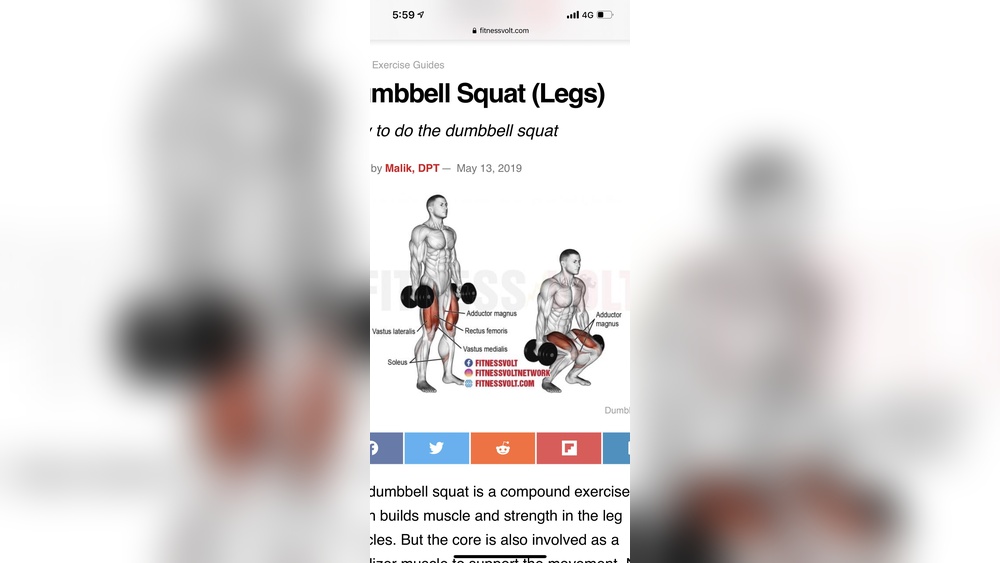
Front squats mainly work the quadriceps muscles. These are the large muscles on the front of your thighs. The exercise also engages the glutes and hamstrings. Your core muscles get a good workout as well. Holding dumbbells forces your upper body to stay stable. This helps tone the arms and shoulders too.
Impact On Strength
Front squats build strength in the legs and hips. They help increase power for other exercises and daily tasks. The upright posture in front squats puts less stress on the lower back. This makes the exercise safer for many people. Using dumbbells adds resistance and makes muscles work harder. Over time, this leads to stronger and more resilient muscles.
Role In Improving Stability
Front squats improve balance and body control. Holding weights in front challenges your core to stay tight. This strengthens the muscles that help you stay upright. Better stability reduces the risk of falls and injuries. It also helps in sports and activities that require good coordination. Dumbbell front squats are especially good for training balance because of the weight position.
Dumbbell Front Squats Explained
Dumbbell front squats are a popular exercise for building leg strength and improving balance. This move targets the quads, glutes, and core muscles. Holding dumbbells in front of your shoulders changes the body’s center of gravity. This makes the exercise different from regular squats. It also helps you stand taller during the movement.
This squat version is great for those who want to avoid heavy barbells. Dumbbells offer more control and are easier to handle. They also help improve stability and coordination. Many people use dumbbell front squats for a safe and effective workout.
Proper Form And Technique
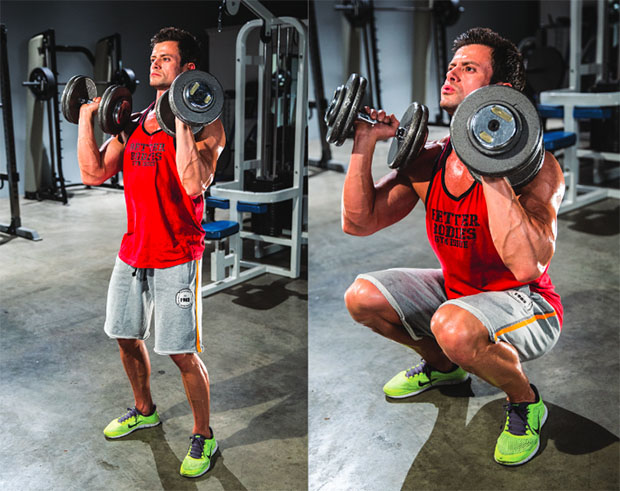
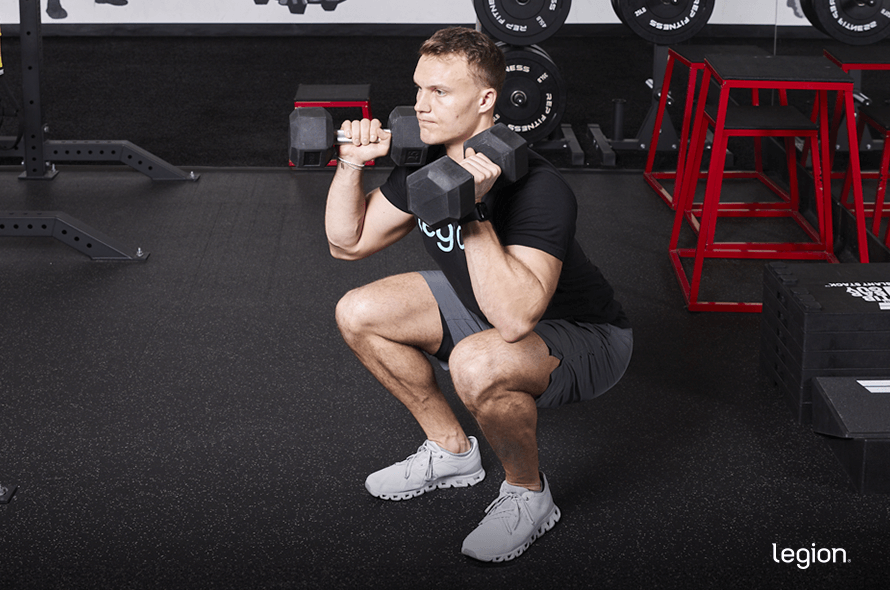
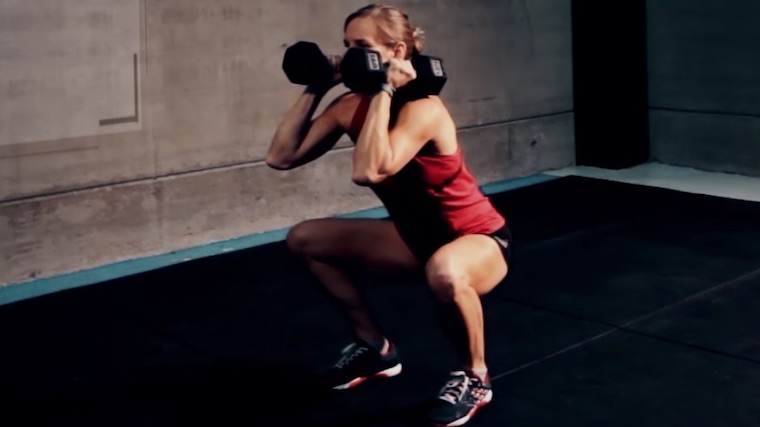
Start by holding a dumbbell in each hand at shoulder height. Keep your elbows up and chest open. Stand with your feet shoulder-width apart. Squat down by bending your knees and hips. Keep your back straight and core tight. Lower until your thighs are parallel to the floor. Push through your heels to stand back up.
Keep the dumbbells steady and close to your body. Avoid leaning forward or rounding your back. Control your movement to prevent injury. Breathe out as you rise and breathe in as you lower down.
Common Mistakes To Avoid
Do not let your knees cave inward. This can cause knee pain or injury. Avoid dropping your chest or leaning too far forward. Keep your back flat throughout the squat. Do not lift your heels off the ground. This reduces balance and may hurt your ankles. Avoid using weights that are too heavy. Start light and increase weight gradually.
Comparison With Barbell Front Squats
Barbell front squats allow heavier weights and build more strength. Dumbbell front squats are easier to learn and safer for beginners. Dumbbells require more balance and engage stabilizer muscles more. Barbells keep the weight fixed, while dumbbells offer more freedom of movement. Dumbbell front squats can reduce stress on wrists and shoulders. Both exercises improve leg and core strength but differ in technique and load.
Strength Gains From Dumbbell Front Squats
Dumbbell front squats help build strength in many ways. They target key muscles and improve your balance and stability. This makes them a good choice for gaining strength in your legs and core. Using dumbbells adds resistance that helps muscles grow stronger over time. This section explores how dumbbell front squats boost strength.
Effects On Lower Body Muscles
Dumbbell front squats mainly work the quadriceps. These muscles on the front of your thighs get a strong workout. Your glutes and hamstrings also engage to help with the movement. The squat requires you to push through your heels. This action activates the muscles deeply, increasing strength. Over time, this leads to stronger legs and better overall lower body power.
Core Activation
Holding dumbbells in front forces your core to stay tight. Your abs and lower back work hard to keep your body upright. This constant engagement strengthens the core muscles. A strong core improves posture and balance. It also protects your spine during lifting. Dumbbell front squats build core strength more than some other squat types.
Progressive Overload Strategies
Increasing dumbbell weight gradually boosts strength gains. You can add small weight increments as you improve. Another way is to increase the number of reps or sets. This challenges your muscles to adapt and grow. Using proper form with heavier weights maximizes benefits. Progressive overload is key to getting stronger with dumbbell front squats.
Credit: legionathletics.com
Enhancing Stability Through Dumbbell Front Squats
Dumbbell front squats help improve your body’s stability. Holding dumbbells in front shifts your center of gravity. This forces your muscles to work harder to keep balance. The result is better control and strength in daily movements.
This squat variation engages your core, legs, and upper body at once. It trains your body to stay steady under load. This makes dumbbell front squats a great choice for building overall stability.
Balance And Coordination Benefits
Balancing dumbbells in front challenges your coordination. Your body learns to control movements smoothly. This improves balance on one or both legs.
Better coordination helps reduce the risk of falls. It also supports activities like walking or running on uneven ground. Dumbbell front squats train small stabilizer muscles that often get ignored.
Joint Stability Improvements
The front squat position strengthens joints in knees and hips. Supporting dumbbells in front encourages proper alignment. This reduces stress on the joints during the exercise.
Strong joints lower injury chances in sports and daily tasks. Dumbbell front squats also help improve ankle stability. This is important for movements that require quick changes in direction.
Functional Fitness Applications
This exercise mimics real-life movements like picking up objects. It trains muscles to work together in a coordinated way. This makes everyday activities easier and safer.
Dumbbell front squats build strength that transfers to activities such as climbing stairs. The stability gained improves performance in sports and physical work. Functional fitness means your training helps you in real life.
Incorporating Dumbbell Front Squats Into Workouts
Incorporating dumbbell front squats into your workouts brings variety and strength benefits. This exercise targets the legs, core, and improves balance. Using dumbbells allows for flexibility in weight and grip. It fits well in many workout plans and helps build functional strength.
Workout Routines And Frequency
Include dumbbell front squats two to three times weekly. Start with one to three sets of eight to twelve reps. Allow rest days between sessions for muscle recovery. You can add these squats to leg or full-body workouts. Keep a steady pace and focus on form.
Pairing With Complementary Exercises
Combine front squats with lunges or step-ups for leg strength. Add core exercises like planks or Russian twists to boost stability. Upper body moves, such as push-ups or rows, balance your routine. This mix improves overall fitness and muscle balance.
Adjusting Weight And Reps For Goals
Choose lighter weights with higher reps for endurance training. Use heavier dumbbells with fewer reps to build strength. Gradually increase weight as your muscles get stronger. Always keep control and good posture during each squat. Adjust sets and reps to match your progress.
Credit: breakingmuscle.com
Safety Tips And Precautions
Safety is important when doing dumbbell front squats. These exercises help build strength but can cause injury without care. Follow tips to protect your body and improve your workout.
Paying attention to safety allows you to train better and longer. Small steps reduce risks and keep your muscles healthy.
Warm-up And Mobility Drills
Start with light cardio to raise your heart rate. This prepares your body for exercise. Do mobility drills for hips, knees, and ankles. These moves increase joint flexibility. Warm muscles reduce the chance of strains and tears.
Avoiding Injury
Keep your back straight and chest up during the squat. Hold the dumbbells close to your shoulders to avoid strain. Use a weight that feels challenging but safe. Stop if you feel sharp pain or discomfort. Focus on slow, controlled movements. Don’t rush through the exercise.
When To Seek Professional Guidance
Ask a coach or trainer for help if unsure about your form. Professionals can spot mistakes you might miss. They provide advice to improve technique safely. Seek help if you have joint pain or past injuries. Early guidance prevents long-term damage and improves results.
Frequently Asked Questions
What Muscles Do Dumbbell Front Squats Target?
Dumbbell front squats primarily target the quadriceps, glutes, and core muscles. They also engage the hamstrings and upper back for stability. This makes them effective for building lower body strength and improving posture.
Are Dumbbell Front Squats Better Than Back Squats?
Dumbbell front squats emphasize the quads and core more than back squats. They reduce lower back strain, making them a safer option for some. However, both have unique benefits and can complement each other in a workout routine.
How Do Dumbbell Front Squats Improve Athletic Performance?
Dumbbell front squats enhance leg strength, balance, and core stability. These improvements translate to better speed, agility, and power in sports. They also promote proper squat form, reducing injury risk during athletic activities.
Can Beginners Safely Perform Dumbbell Front Squats?
Yes, beginners can perform dumbbell front squats safely with proper form. Start with light weights to master technique. Gradually increase weight as strength and confidence improve to avoid injury.
Conclusion
Dumbbell front squats build strength and improve balance. They target your legs and core well. You can do them at home or gym. They also help improve your posture. Start with light weights to avoid injury. Keep your back straight and chest up.
Regular practice gives better muscle tone and endurance. This exercise fits many fitness levels easily. Try adding dumbbell front squats to your routine. See how your body responds and grows stronger. Simple, effective, and convenient—good for many fitness goals.