If you own a bike, keeping it safe is probably one of your top priorities. A D lock is one of the best tools to protect your bike from theft.
But do you know the easiest and most secure way to mount your D lock? Getting this right not only saves you time but also ensures your bike stays locked up tight whenever you park it. You’ll discover simple, step-by-step tips on how to mount your D lock quickly and securely, so you never have to worry about your bike’s safety again.
Keep reading to find out how to make your bike lock setup both efficient and reliable.
Choosing The Right D Lock
Choosing the right D lock is important for keeping your bike safe. The right lock fits your bike and meets your security needs. It also should be easy to carry and use daily. Consider several factors before buying a D lock.
Types Of D Locks
D locks come in different shapes and sizes. The most common type is the solid steel U-shaped lock. Some have a thicker shackle for extra strength. Others include a crossbar for added security. Some models come with a flexible cable for more reach. Choose a type that suits your bike and parking spots.
Size And Weight Considerations
Size matters in a D lock. A lock too small may not fit around large objects. A lock too big can be heavy and hard to carry. Balance size and weight for comfort and security. Check the lock fits around your bike frame and a solid object.
Material And Security Levels
Materials affect how strong a D lock is. Hardened steel offers good protection against cutting tools. Some locks use boron steel for higher strength. Look for locks with anti-drill and anti-pick features. Higher security locks cost more but offer better protection.

Credit: biketoeverything.com
Preparing Your Bike For Mounting
Preparing your bike for mounting a D lock is an important first step. A proper setup ensures the lock fits well and stays secure. Take time to prepare your bike carefully to avoid problems later. This process is simple and fast.
Selecting The Mounting Location
Choose a spot on your bike frame that is strong and steady. Common places include the down tube or seat tube. Avoid spots with cables or moving parts. Pick a location that keeps the lock easy to reach but out of the way while riding.
Cleaning The Frame
Wipe down the chosen area with a clean cloth. Remove dirt, dust, and grease. A clean surface helps the lock mount stick better and last longer. Use mild soap and water if needed, then dry the area fully before attaching the mount.
Gathering Necessary Tools
Collect tools needed for mounting. Usually, you will need a screwdriver or an Allen wrench. Check the lock’s mounting kit for specific tools. Having everything ready makes the mounting process quicker and smoother.
Mounting Methods For D Locks
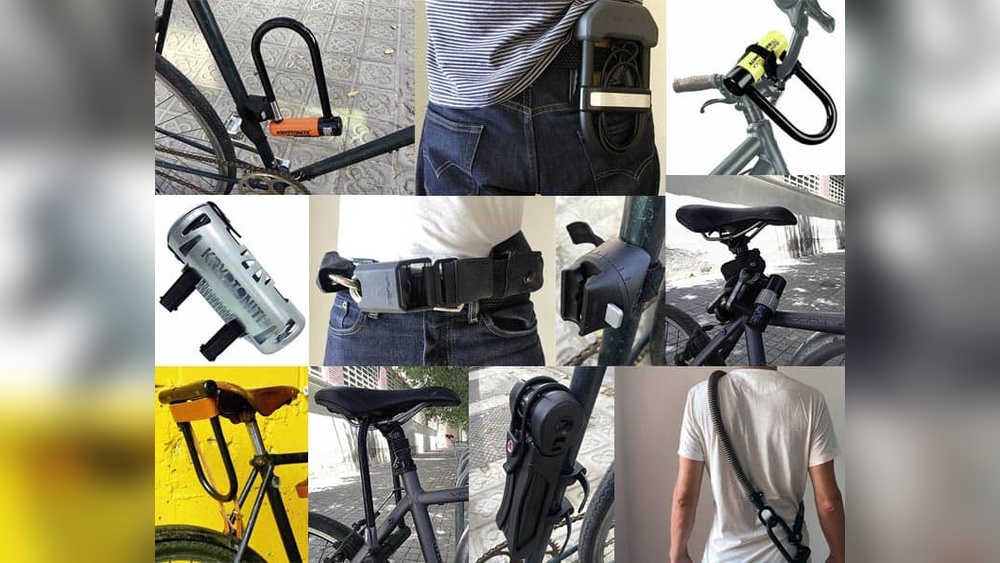
Mounting your D lock properly keeps it safe and easy to carry. There are several ways to attach the lock to your bike. Each method offers different benefits. Choose the one that fits your bike and riding style.
Using A Frame Mount Bracket
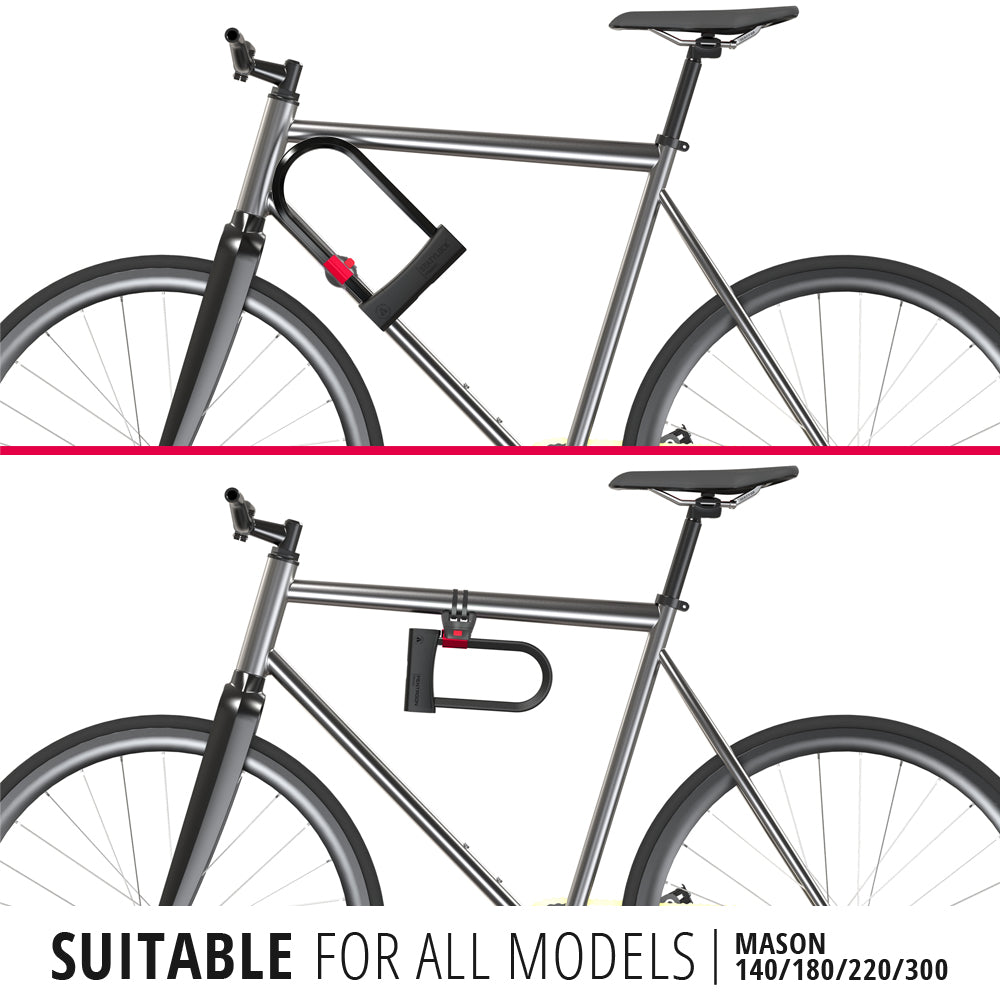
Frame mount brackets are made to hold D locks securely. They attach to the bike frame, usually near the seat post. The lock slides into the bracket and clicks in place. This method keeps the lock stable and stops it from rattling while riding. Installation is quick and does not need tools in many cases. Brackets are lightweight and do not add much weight to your bike.
Attaching With Straps Or Clips
Straps and clips offer a flexible mounting option. They wrap around the frame or handlebars. Velcro or plastic straps hold the lock tightly. Clips snap the lock in place and can be removed fast. This method works well if your bike does not support a bracket. Straps are affordable and easy to replace. They can adjust to different lock sizes and shapes.
Custom Mounting Solutions
Some riders prefer custom mounts for unique bikes or setups. You can use zip ties, bungee cords, or small bags. Custom mounts let you place the lock where it is most convenient. This method is useful for bikes with unusual frames or limited space. Make sure your custom mount keeps the lock secure and easy to reach. Test the setup before every ride to avoid surprises.
Step-by-step Mounting Guide
Mounting a D lock on your bike is simple and saves space during rides. This guide breaks down the process into easy steps. Follow these instructions carefully for a secure fit and easy access.
Positioning The Lock
Choose a spot on your bike frame to attach the lock bracket. The frame’s down tube or seat tube works best. Avoid areas that interfere with pedaling or gear shifting. Make sure the lock fits without touching tires or brakes.
Securing The Bracket
Place the bracket on the chosen spot. Align the holes with the frame’s bolt points. Use screws or straps included with the lock to fix the bracket tightly. Tighten until the bracket feels firm and does not move.
Testing Stability
Slide the D lock into the bracket. Shake the lock gently to check for movement. If it moves or rattles, tighten the bracket more. Ensure the lock stays in place during rough rides or bumps.
Tips For Secure Locking
Securing your bike with a D lock is important. Proper locking prevents theft and protects your bike. Small habits make a big difference in safety. Follow these tips to lock your bike well every time.
Locking To Fixed Objects
Choose a solid, immovable object to lock your bike. Look for metal poles, bike racks, or sturdy fences. Avoid thin or weak objects that can be cut or broken. Make sure the object is firmly attached to the ground or wall. Lock both the frame and one wheel to the object. This stops thieves from taking parts of your bike.
Avoiding Common Mistakes
Do not lock only the wheel or the seat. These parts can be removed easily. Avoid locking your bike in isolated or dark spots. Thieves like hidden places with less attention. Do not leave the lock on the ground. It can get dirty or damaged. Check your lock for any damage before use.
Maximizing Lock Effectiveness
Use the smallest space inside the lock to reduce leverage points. Keep the lock tight around the bike frame and the object. Lock your bike at a height that is hard to reach or cut. Use two different locks for better protection. Keep your key safe and never share it. Regularly clean and lubricate your lock to keep it working smoothly.

Credit: thebestbikelock.com
Maintaining Your D Lock
Maintaining your D lock keeps it strong and reliable. A well-kept lock protects your bike and lasts longer. Simple care steps prevent rust and damage. Follow these tips to keep your lock working smoothly.
Regular Cleaning
Clean your D lock regularly to remove dirt and grime. Use a soft cloth and mild soap with water. Avoid harsh chemicals that can damage the lock’s surface. Dry it completely after cleaning to stop rust from forming.
Lubricating The Lock Mechanism
Apply lubricant to the lock mechanism to keep it moving freely. Use a silicone-based or graphite lubricant for best results. Insert the key and spray a small amount inside the keyhole. Turn the key several times to spread the lubricant evenly.
Inspecting For Wear And Damage
Check your D lock often for signs of wear or damage. Look for rust, cracks, or bent parts on the lock body and shackle. Test the key and locking function to ensure smooth operation. Replace the lock if any parts look weak or broken.
Credit: seatylock.com
Frequently Asked Questions
How Do I Properly Mount A D Lock On My Bike?
To mount a D lock, position it around the bike frame and a fixed object. Ensure the lock is snug and secure, minimizing movement to prevent theft.
Where Should I Place The D Lock For Maximum Security?
Place the D lock around the rear wheel and a sturdy, immovable object. This setup deters thieves by securing the most vulnerable bike parts.
Can I Carry A D Lock On My Bike Frame?
Yes, many D locks come with mounting brackets. Attach the bracket to your frame for easy and convenient carrying while riding.
What Is The Best Way To Avoid Scratching My Bike With A D Lock?
Use a lock with a rubber or plastic coating. This protects your bike’s paint and frame from scratches during locking and transport.
Conclusion
Mounting a D lock on your bike keeps it safe and secure. Choose a strong place on the frame to attach the lock. Use the lock holder or strap to fix it tightly. Make sure the lock does not move or rattle while riding.
Practice locking and unlocking the D lock before you ride. This way, you save time and avoid trouble later. With the right steps, your bike stays protected every time you park. Stay safe and enjoy riding with peace of mind.


