Are you looking to build stronger, more defined shoulders? If so, you might be wondering if dumbbell front raises are the right exercise for you.
This simple move promises to target your front shoulder muscles, but is it really effective? And could it help you avoid injury while boosting your workout results? Keep reading to discover how dumbbell front raises can fit into your fitness routine—and whether they’re the secret to the shoulder strength and shape you want.
Benefits Of Dumbbell Front Raises
Dumbbell front raises offer many benefits for shoulder strength and fitness. This simple exercise targets key muscles, helping build stronger, more stable shoulders. It also supports better posture and fits well into many workout routines. The benefits make dumbbell front raises a smart choice for anyone wanting to improve upper body strength.
Targeted Shoulder Muscles
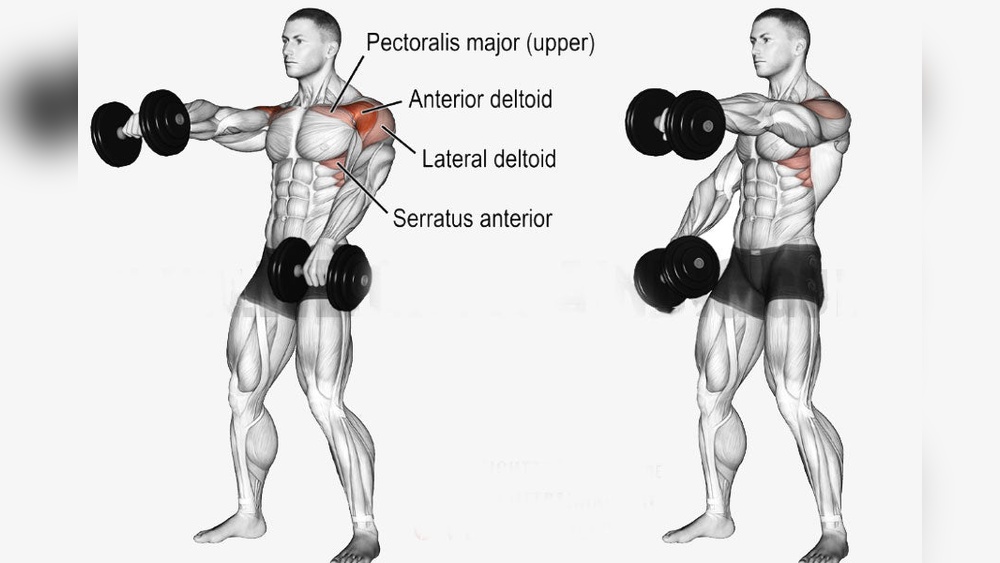
Dumbbell front raises mainly work the front part of the shoulder. This muscle is called the anterior deltoid. Strengthening it helps with lifting and pushing movements. It also balances the shoulder by working muscles others exercises may miss. This focus helps shape and define the shoulder area.
Improved Shoulder Stability
Strong shoulders need good stability to avoid injuries. Dumbbell front raises improve muscle control and joint support. This leads to better balance during daily activities and sports. Stable shoulders reduce the risk of strains and help keep the joint healthy.
Enhanced Posture
Many people have poor posture due to weak shoulder muscles. Front raises help correct this by strengthening the muscles that pull the shoulders forward and up. Better posture reduces neck and back pain. It also improves overall body alignment and appearance.
Versatility In Workouts
Dumbbell front raises fit easily into many workouts. They require only light equipment and little space. You can do them at home, the gym, or even outside. This exercise pairs well with others for a balanced shoulder routine. It is good for beginners and advanced lifters alike.

Credit: www.youtube.com
Proper Form And Technique
Proper form and technique are key to safe and effective dumbbell front raises. Using the right posture helps target your shoulder muscles well. It also reduces the risk of injury. Focus on controlled movements. Avoid swinging or using momentum. This section explains how to perform dumbbell front raises correctly.
Starting Position
Stand with your feet shoulder-width apart. Hold a dumbbell in each hand with your palms facing your thighs. Keep your arms straight but not locked. Your back should be straight and chest lifted. Engage your core to stabilize your body. Look forward and keep your neck relaxed.
Movement Execution
Lift the dumbbells slowly in front of you. Raise your arms until they reach shoulder height. Keep your elbows slightly bent throughout. Pause briefly at the top. Lower the dumbbells back to the starting position with control. Avoid dropping the weights quickly. Maintain steady and smooth motion.
Common Mistakes To Avoid
Do not use heavy weights that cause swinging. Avoid arching your back during the lift. Do not lift dumbbells higher than your shoulders. Keep your wrists straight, not bent. Avoid jerky or fast movements. Do not hold your breath while lifting. These mistakes reduce effectiveness and increase injury risk.
Breathing Tips
Inhale deeply before you lift the dumbbells. Exhale slowly as you raise your arms. Breathe naturally and steadily during the movement. Avoid holding your breath at any time. Proper breathing helps maintain focus and muscle control.
Variations Of Front Raises
Front raises target the shoulder muscles and improve upper body strength. Changing how you do front raises can hit muscles differently. Variations also keep workouts fresh and prevent boredom.
Each variation shifts the focus slightly and challenges your muscles in new ways. You can do front raises with dumbbells, cables, or plates. Here are some popular types to try.
Single-arm Raises
Use one dumbbell at a time. This helps improve muscle balance between arms. It also allows you to focus more on form and control. Single-arm raises are good for beginners and advanced lifters alike.
Alternating Raises
Lift one dumbbell and then the other, back and forth. This keeps your heart rate up and adds a slight cardio effect. Alternating raises work your shoulders and core together. They help improve coordination and endurance.
Cable Front Raises
Use a cable machine for constant tension on the muscles. Cables give smooth resistance through the entire movement. This variation can be easier on your joints. It also allows for different grip positions to target muscles better.
Plate Front Raises
Hold a weight plate with both hands in front of you. This variation uses a different grip and weight distribution. It challenges your shoulders and forearms in a new way. Plate front raises can add variety to your routine.
Incorporating Front Raises Into Your Routine
Incorporating dumbbell front raises into your workout routine can improve shoulder strength and shape. This exercise targets the front part of the shoulder, helping to build muscle and enhance overall upper body stability. To get the best results, it is important to prepare properly, follow the right sets and reps, and combine front raises with other shoulder exercises. Recovery also plays a key role in muscle growth and preventing injury.
Warm-up Exercises
Start with light cardio to increase blood flow. Arm circles and shoulder rolls loosen shoulder joints. Use a very light weight or no weight to practice the front raise movement. This reduces injury risk and prepares muscles for harder work.
Set And Rep Recommendations
For beginners, begin with 2 to 3 sets of 10 to 12 reps. Use a weight that feels challenging but allows good form. Increase weight slowly as strength improves. Avoid swinging your body to lift the dumbbells. Controlled movement gives better results.
Combining With Other Shoulder Exercises
Pair front raises with exercises that target other shoulder parts. Try lateral raises for side delts and reverse flys for rear delts. This balances shoulder strength and helps prevent muscle imbalances. Include compound moves like overhead presses for overall shoulder power.
Recovery And Rest
Rest is important after working shoulders hard. Give muscles 48 hours to recover before training shoulders again. Stretch gently to keep muscles flexible. Drink water and eat protein to support muscle repair. Proper recovery helps muscles grow stronger and lowers injury risk.
Potential Risks And Precautions
Dumbbell front raises can strengthen your shoulders and upper chest. Yet, poor form or overuse might cause injuries. Knowing the risks and how to avoid them helps you train safely.
This section covers key precautions and tips. It guides you on protecting your shoulders and adjusting exercises for safety and effectiveness.
Avoiding Shoulder Injuries
Lift dumbbells with controlled, smooth movements. Avoid jerking or swinging the weights. Keep your shoulders down and back to reduce strain. Stop if you feel sharp pain or discomfort. Use lighter weights to maintain proper form. Warm up your shoulder muscles before starting. Stretch gently after your workout to improve flexibility.
When To Skip Front Raises
Avoid front raises if you have shoulder pain or injury. Skip this exercise during acute inflammation or swelling. Consult a doctor before resuming if you had recent shoulder surgery. Choose alternative exercises that do not cause pain. Rest until your shoulder feels strong and stable again. Listen to your body to prevent worsening injuries.
Modifications For Beginners
Start with light dumbbells or no weights at all. Perform fewer repetitions to build strength gradually. Use a mirror to check your form and posture. Keep your arms slightly bent to reduce joint stress. Take breaks between sets to avoid fatigue. Focus on slow, deliberate motions over heavy lifting.
Comparing Front Raises To Other Shoulder Exercises
Dumbbell front raises target the front part of the shoulder. Other exercises work different parts of the shoulder muscles. Understanding these differences helps choose the right exercise for your goals.
Some exercises focus on the side or rear shoulder muscles. Each move has unique benefits. Let’s compare front raises with other common shoulder exercises.
Front Raises Vs Lateral Raises
Front raises target the front deltoid muscle. Lateral raises focus on the side deltoids. Side deltoids give your shoulders a wider look. Front raises help improve pushing strength. Lateral raises improve shoulder width and shape. Both are good but work different muscles.
Front Raises Vs Overhead Press
Overhead press works the whole shoulder and triceps. Front raises isolate the front shoulder more. Overhead press builds more overall strength. Front raises help improve shoulder shape and definition. Overhead press is a compound move. Front raises are an isolation exercise.
Front Raises Vs Reverse Flyes
Reverse flyes target the rear deltoids and upper back. Front raises focus on the front deltoids. Reverse flyes help improve posture and balance. Front raises improve forward shoulder strength. Both exercises are important for balanced shoulders.
Tracking Progress And Results
Tracking progress and results is key to effective workouts with dumbbell front raises. It helps you see real improvement. It also keeps you motivated to stick with your routine. Regular tracking shows how your shoulder strength grows over time. It guides your choices for weights and exercise intensity. Using tools and simple signs makes tracking easier and more accurate.
Signs Of Shoulder Strength Improvement
Notice when lifting dumbbells becomes easier. You can do more reps or sets without feeling tired. Your shoulders feel less sore after workouts. You see better muscle tone and shape in the front deltoids. Daily tasks like lifting objects feel less challenging. These signs show your shoulder strength is improving.
Adjusting Weights And Intensity
Increase dumbbell weight gradually to avoid injury. Add small increments once you can do 12 to 15 reps comfortably. Change the speed of lifts for more challenge. Use slower movements to boost muscle work. Adjust rest time between sets to match your goals. These tweaks help push your strength further.
Using Technology For Feedback
Fitness apps track your workout details easily. Use a timer to keep consistent rest intervals. Smartwatches can measure heart rate and calories burned. Video recordings let you check your form and progress visually. Tracking tools provide clear feedback and keep workouts on track. Technology makes progress tracking simple and effective.

Credit: www.muscleandstrength.com

Credit: fitnessprogramer.com
Frequently Asked Questions
Are Dumbbell Front Raises Effective For Shoulder Strength?
Yes, dumbbell front raises effectively target the front deltoids. They improve shoulder strength and stability when performed correctly and consistently.
How Do Dumbbell Front Raises Benefit Muscle Growth?
Dumbbell front raises isolate the anterior deltoid muscles. This focused movement helps enhance muscle size and definition in the shoulders.
Can Dumbbell Front Raises Prevent Shoulder Injuries?
Yes, they strengthen shoulder muscles and improve joint stability. This can reduce the risk of common shoulder injuries during physical activities.
Are Dumbbell Front Raises Suitable For Beginners?
Absolutely, dumbbell front raises are beginner-friendly. Use light weights and proper form to avoid injury and build shoulder strength safely.
Conclusion
Dumbbell front raises help build strong shoulder muscles. They improve your arm and upper body strength. Doing them with good form keeps you safe from injury. Use light weights first to learn the movement well. Add them to your workout routine for better results.
Small steps lead to steady progress and muscle growth. Keep your body balanced by working all shoulder parts. This simple exercise fits well for many fitness levels. Try dumbbell front raises and see the benefits yourself.