Are you wondering if kettlebells can replace dumbbells in your workout routine? You’re not alone.
Many fitness enthusiasts ask this because both tools look similar but feel different when you lift them. Knowing whether kettlebells can do the same job as dumbbells can save you time, money, and help you reach your fitness goals faster.
Keep reading to discover how these two pieces of equipment compare and whether kettlebells might be the right choice for your exercises.
Credit: www.menshealth.com
Kettlebells Vs Dumbbells
Kettlebells and dumbbells are popular tools for strength training. Both help build muscle and improve fitness. Yet, they have clear differences. Understanding these can help you choose the right tool.
Each has unique features that affect how you use them. These features influence exercises, grip, and muscle engagement. Let’s explore the main differences between kettlebells and dumbbells.
Design Differences
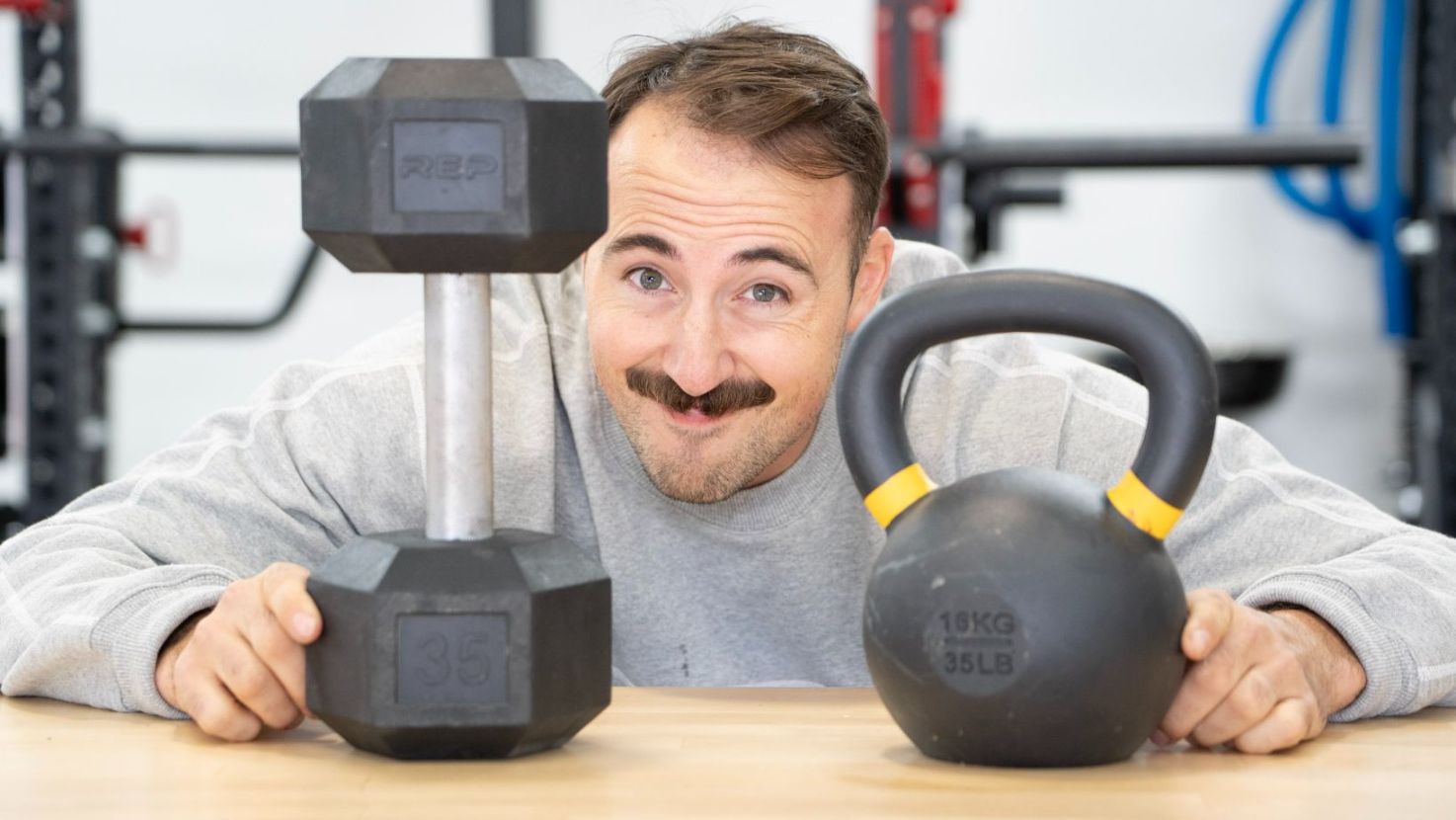
Dumbbells have a simple shape. They are short bars with equal weights on each end. This design keeps the weight balanced. It suits many exercises, especially lifts and presses.
Kettlebells look different. They have a round ball with a handle on top. The handle allows swinging movements. This design changes how you move and control the weight.
Weight Distribution
Dumbbells have even weight distribution. The weight stays close to your hand. This helps in controlled and steady movements. It feels stable during lifting or holding.
Kettlebells have uneven weight distribution. The weight hangs below the handle. This shifts the center of mass away from your hand. It makes exercises more dynamic and challenging.
Grip And Handling
Dumbbell grips are fixed and usually narrow. You hold them firmly with one or both hands. This grip supports steady, controlled exercises.
Kettlebell handles are wider and smooth. They allow different grips and hand changes. The handle suits swinging and rotational movements. It also challenges your grip strength more.
Exercises Shared By Both
Kettlebells and dumbbells share many exercises. Both tools help build strength and improve fitness. You can do similar moves with either one. The main difference is how you hold and move the weights. Understanding these shared exercises helps you use kettlebells like dumbbells safely and effectively.
Common Moves
Several exercises work well with kettlebells or dumbbells. Bicep curls, shoulder presses, and rows are examples. Both tools allow you to target the same muscles. Squats and lunges also benefit from added weight. You can do deadlifts and chest presses with either. Using kettlebells or dumbbells helps improve muscle tone and endurance.
Adjusting Technique
Kettlebells have a different shape and weight balance. This means you may need to change your grip. Hold kettlebells closer to your body to stay stable. Control the swinging motion by moving smoothly and steadily. Keep your wrists straight to avoid strain. With dumbbells, your grip stays more fixed. Adjust your stance and movement to keep good form. These small changes make exercises safer and more effective.
Unique Benefits Of Kettlebells
Kettlebells offer unique benefits that differ from traditional dumbbells. Their shape and design allow for varied workouts. These workouts build strength, endurance, and flexibility together. Understanding these benefits helps decide if kettlebells suit your fitness goals.
Dynamic Movements
Kettlebells encourage movements that flow smoothly. Swings, cleans, and snatches are common exercises. These moves target multiple muscles at once. They improve coordination and balance during training. Dynamic actions boost heart rate and burn calories efficiently.
Core Engagement
Kettlebell exercises require strong core control. Holding the weight off-center forces your core to stabilize. This constant engagement strengthens abdominal and back muscles. A strong core supports better posture and reduces injury risk. Dumbbells don’t always offer this level of core challenge.
Credit: www.garagegymreviews.com
When To Use Dumbbells Instead
Choosing between kettlebells and dumbbells depends on your workout goals. Both tools have unique benefits. Sometimes, dumbbells serve better for specific needs. Knowing when to use dumbbells can improve your training results.
Stability Focus
Dumbbells offer more stability during exercises. Their balanced shape helps control movements easily. This is important for beginners or those rehabbing injuries. You can perform controlled lifts without worrying about swinging weights. Dumbbells allow you to focus on form and joint safety. They support steady progress in strength and balance.
Isolation Exercises
Dumbbells are great for isolating specific muscles. Exercises like bicep curls or tricep extensions target single muscle groups well. The even weight distribution helps maintain proper muscle engagement. Kettlebells are less precise for isolation due to their shape. Using dumbbells ensures focused muscle work and better control. This leads to effective muscle growth and strength.
Adapting Kettlebells For Dumbbell Workouts
Kettlebells and dumbbells have different designs but can sometimes serve similar purposes. You can adapt kettlebells for dumbbell workouts with a few changes. This way, you keep your routine fresh and effective.
Adapting kettlebells means adjusting how you hold and move them. The shape and handle of kettlebells differ from dumbbells. This affects grip and exercise form. Small changes in grip and technique can help you perform dumbbell-style exercises safely.
Modifying Grips
Kettlebell handles are thicker and wider than dumbbells. Hold the kettlebell closer to the body to keep control. Use a firm grip with your fingers wrapped around the handle. Avoid holding the kettlebell by the ball or the handle edges.
For exercises like curls or presses, hold the kettlebell handle in the center. This helps balance the weight evenly. You can also use two hands if the kettlebell is heavy. Adjust hand position to keep the wrist straight and avoid strain.
Safety Tips
Check your surroundings before starting your workout. Kettlebells swing more than dumbbells, so keep enough space. Start with lighter weights to learn the grip and movement. Avoid fast, jerky motions that can cause injury.
Keep your wrist neutral and strong during exercises. Use smooth, controlled movements to protect joints. If you feel pain or discomfort, stop and rest. Proper warm-up and cool-down reduce the risk of injury.
Common Mistakes To Avoid
Using kettlebells as dumbbells can be effective for many exercises. Many people make mistakes that can cause injury or reduce results. Knowing these common errors helps you train safely and well. Avoid these mistakes to get the most from your kettlebell workouts.
Incorrect Form
Kettlebells have a different shape than dumbbells. Holding them the same way can cause poor form. This can stress your wrists and shoulders. Swinging kettlebells requires control and proper technique. Using dumbbell form can lead to wrong movements. Always learn the right way to hold and move kettlebells.
Overloading Risks
Kettlebells often have uneven weight distribution. This can make lifting harder than dumbbells. Trying to lift too heavy too fast can cause injury. Your muscles and joints may not be ready. Start with lighter weights and increase slowly. Avoid pushing your body beyond its limits.
Choosing The Right Equipment
Choosing the right equipment is key to a good workout. Not all tools suit every person or goal. Kettlebells and dumbbells each have their strengths. Picking between them depends on your needs and space.
Understanding what you want to achieve helps you decide. Your budget and room size also play a big role. Let’s explore these points to help you choose well.
Training Goals
Think about what you want to do with your workouts. Kettlebells are great for dynamic moves and cardio. They help improve balance and coordination. Dumbbells work well for steady lifting and muscle building. They target specific muscles with controlled motion.
If you want to build muscle, dumbbells may suit better. For fat loss and agility, kettlebells can be more useful. Some people use both to get a full range of benefits.
Space And Budget
Check how much room you have at home for equipment. Kettlebells take less space and store easily. Dumbbells might need more room, especially if you want many weights. Adjustable dumbbells save space but can cost more.
Your budget also matters. Kettlebells often cost less for similar weight. Buying a few kettlebells covers many exercises. Dumbbells can be pricier, especially in sets. Decide what fits your budget and space best.

Credit: workouthealthy.com
Frequently Asked Questions
Can Kettlebells Replace Dumbbells In Workouts?
Yes, kettlebells can replace dumbbells for many exercises. They offer a different grip and movement style. This variation can enhance strength and coordination. However, some exercises may require traditional dumbbells for precision.
Are Kettlebells As Effective As Dumbbells?
Kettlebells are equally effective as dumbbells for strength training. They provide functional movement and improve stability. Kettlebells also engage more muscles due to their unique shape. Both tools complement each other well in a balanced workout.
What Exercises Can Kettlebells Do Like Dumbbells?
Kettlebells can perform curls, presses, rows, and squats like dumbbells. They also add dynamic swings and ballistic movements. This versatility makes kettlebells a great alternative for full-body workouts. Adaptation may be needed for some isolated exercises.
Is It Safe To Use Kettlebells As Dumbbells?
Using kettlebells as dumbbells is safe with proper form. Start with lighter weights and controlled movements. Their handle design requires a strong grip and wrist control. Always prioritize technique to avoid injury during workouts.
Conclusion
Kettlebells can often be used like dumbbells for many exercises. Their unique shape adds variety to your workouts. You can build strength, improve balance, and increase flexibility. Choosing between kettlebells and dumbbells depends on your goals. Both tools offer effective ways to train your muscles.
Try both to see what feels best for you. Remember, consistency matters more than the equipment you use. Keep moving and enjoy your fitness journey.