Are you wondering if you can build a strong, toned body using only dumbbells? You’re not alone.
Many people ask if these simple weights are enough to reach their fitness goals. The good news is, yes—you can! But there’s more to it than just lifting. You’ll discover how to make the most of dumbbells, avoid common mistakes, and create a workout that truly transforms your body.
Keep reading, and find out how to unlock your full potential with just a pair of dumbbells.
Benefits Of Dumbbell Training
Dumbbell training offers many benefits for building muscle and strength. Using dumbbells allows a wide variety of exercises. It also helps improve muscle control and balance. Dumbbells are easy to use almost anywhere. This makes them a great choice for many people.
Here are some key benefits of training with dumbbells.
Versatility And Range Of Motion
Dumbbells let you perform many exercises for all body parts. You can change angles and positions easily. This helps target muscles from different sides. Dumbbells allow a full range of motion. This improves muscle flexibility and strength.
Improved Muscle Balance
Using dumbbells works each side of the body separately. This helps fix strength imbalances between left and right muscles. It also improves muscle coordination. Dumbbell exercises promote better muscle control. This reduces the risk of injuries during workouts.
Convenience And Accessibility
Dumbbells are compact and easy to store. You can use them at home or outside. They do not need a lot of space. Dumbbells are also affordable compared to large gym machines. This makes strength training accessible to more people.
Key Muscle Groups Targeted
Dumbbells are great tools for building muscle. They help target many key muscle groups. You can work out most of your body with just dumbbells. This section explains which muscles you can focus on.
Chest And Shoulders
Dumbbell presses work the chest muscles well. They help build strength and size in the chest. Shoulder muscles get stronger with dumbbell raises. You can train front, side, and rear shoulders. This improves your shoulder shape and stability.
Back And Arms
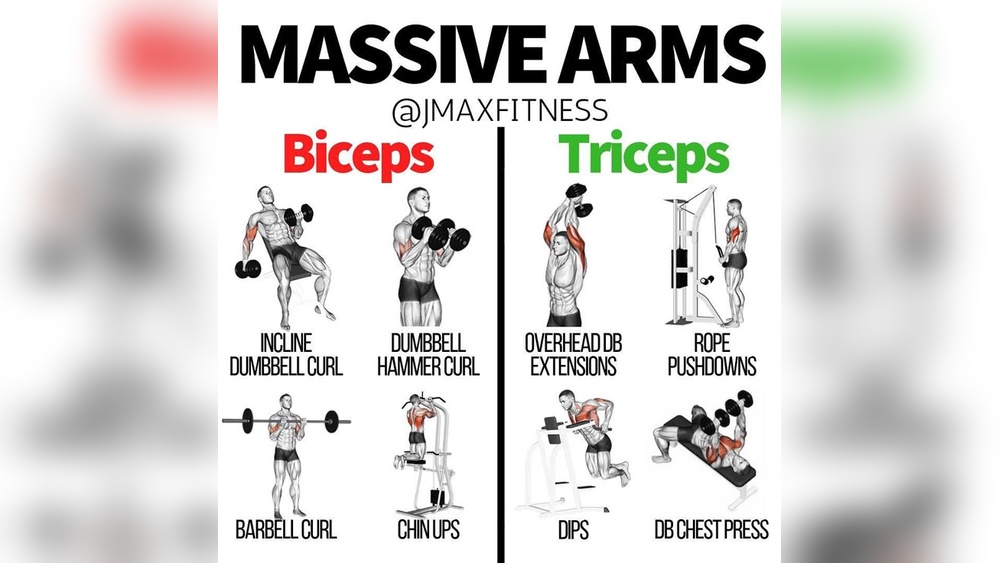
Rows with dumbbells target the back muscles. This helps improve posture and back strength. Bicep curls focus on the front arm muscles. Tricep extensions work the muscles at the back of your arms. These exercises increase arm strength and tone.
Legs And Glutes
Dumbbell squats and lunges build leg muscles. They strengthen your quads, hamstrings, and calves. Glute bridges and step-ups target the glutes. Strong legs and glutes improve balance and power. Dumbbells add resistance to these movements.
Core Strength
Dumbbells help train core muscles effectively. Russian twists and weighted sit-ups are good examples. A strong core supports your whole body. It also improves stability and reduces injury risk.
Effective Dumbbell Exercises
Dumbbells are a powerful tool for building muscle and strength. They allow a wide range of exercises that target many muscle groups. Using dumbbells alone can give you a complete workout. The key is choosing the right exercises. Focus on moves that work multiple muscles or isolate specific ones. This helps create a balanced and strong body.
Compound Movements
Compound movements use several muscles at the same time. They save time and boost strength quickly. Dumbbell squats work your legs, core, and back. Dumbbell bench presses target the chest, shoulders, and triceps. Rows build your back and biceps. These exercises increase muscle growth by involving many joints and muscles.
Isolation Exercises
Isolation exercises target one muscle group. They help improve weak points and shape muscles. Dumbbell curls focus on the biceps. Tricep kickbacks strengthen the back of your arms. Lateral raises work the shoulders. Use isolation moves to add detail and balance to your muscles.
Full-body Workouts
Full-body workouts train all major muscles in one session. They boost metabolism and improve endurance. Combine squats, presses, rows, and curls in one workout. This approach saves time and builds muscle evenly. Full-body workouts with dumbbells are effective for strength and size.
Credit: builtwithscience.com
Designing A Dumbbell Workout Plan
Designing a dumbbell workout plan is key to building muscle and strength. Dumbbells offer great flexibility and can target many muscle groups. A well-structured plan helps you stay consistent and see progress.
Focus on how often you train, how much work you do, and how you recover. These parts work together to help your body grow stronger with just dumbbells.
Frequency And Volume
Frequency means how many days you work out each week. For muscle growth, aim for 3 to 5 days. Volume is the total number of sets and reps per workout. Start with 3 to 4 sets of 8 to 12 reps per exercise. Adjust volume based on your fitness level and goals.
Progressive Overload
Muscles grow when you challenge them more over time. Progressive overload means increasing weight or reps gradually. Add small weight increases or extra reps weekly. This forces muscles to adapt and become stronger using dumbbells.
Rest And Recovery
Rest days are as important as workout days. Muscles repair and grow during rest. Take at least one or two rest days each week. Sleep well and eat enough protein to support recovery. Avoid training the same muscle group two days in a row.
Nutrition For Muscle Growth
Nutrition plays a key role in building muscle with dumbbells. Eating the right foods helps your body repair and grow stronger. Without proper nutrition, even the best workouts may not give good results.
Muscle growth needs more than exercise. Your body needs fuel and building blocks. These come from your diet. Let’s explore important parts of nutrition for muscle growth.
Protein Intake
Protein is the main building block of muscles. After lifting dumbbells, your muscles need protein to heal and grow. Good sources include chicken, fish, eggs, and beans. Aim to eat protein with every meal. This helps keep a steady supply for muscle repair.
Caloric Surplus
To build muscle, you must eat more calories than you burn. This is called a caloric surplus. Extra calories give your body energy to build new muscle tissue. Focus on healthy foods like whole grains, fruits, and vegetables. Avoid too much junk food. It can harm your progress.
Hydration And Supplements
Water is vital for muscle growth. It helps transport nutrients to your muscles. Drink water before, during, and after workouts. Some supplements may support muscle building. Protein powders and creatine are popular choices. Use supplements carefully and do not rely on them alone.

Credit: www.youtube.com
Common Mistakes To Avoid
Building your body with dumbbells can be very effective. Many people make mistakes that slow their progress or cause injury. Avoiding these common errors helps you train smarter and safer. Focus on proper form, balanced workouts, and rest to get the best results.
Poor Form And Technique
Using bad form is a big problem. It can lead to injuries and less muscle growth. Always control your movements. Avoid swinging the weights or using momentum. Focus on slow, steady motions. Watch your posture and keep your back straight. Good technique helps target the right muscles and keeps you safe.
Neglecting Lower Body
Many focus only on arms and chest. This creates an unbalanced body. Dumbbells work well for legs too. Squats, lunges, and deadlifts with dumbbells build strong legs and glutes. A balanced workout improves overall strength and appearance. Don’t forget to train your lower body regularly.
Overtraining
Training too hard without rest causes problems. Muscles need time to recover and grow. Overtraining can cause pain and fatigue. Plan rest days between workouts. Listen to your body and stop if you feel pain. Recovery is part of building a strong body.
Tracking Progress And Adjustments
Tracking your progress is key when building muscle with dumbbells. It helps you see what works and what needs change. Regular checks keep your workouts effective and your motivation high.
Measuring Strength Gains
Track the weights you lift for each exercise. Note how many sets and reps you complete. Watch for increases in weight or reps over weeks. This shows your muscles are getting stronger. Keep a workout journal or use an app to record results.
Adapting Workouts
Change your routine based on progress. Add more weight if exercises feel easy. Increase reps or sets to challenge muscles. Try new exercises to target different muscle groups. Adjust rest times to improve endurance or strength.
Setting Realistic Goals
Set small, clear goals to stay motivated. Aim to add weight or reps every two weeks. Focus on steady progress, not quick fixes. Celebrate small wins to keep your spirits high. Real goals help you stay consistent and avoid burnout.

Credit: prathimahospitals.com
Dumbbells Vs Other Equipment
Dumbbells are popular for building muscle and strength. Many wonder how they compare to other gym tools. Each type of equipment offers unique benefits and challenges. Understanding these can help you choose what fits your fitness goals and space.
Comparison With Barbells
Dumbbells allow more freedom of movement than barbells. You work each side of your body independently. This helps fix muscle imbalances. Barbells let you lift heavier weights more easily. They are better for building maximum strength fast. Dumbbells also improve coordination and stabilize muscles.
Resistance Bands And Machines
Resistance bands are light and portable. They offer variable resistance through the motion. Dumbbells provide constant weight and better control. Machines guide your movement, making exercises easier. They isolate muscles well but limit natural motion. Dumbbells engage more muscles by requiring balance.
Home Gym Considerations
Dumbbells take up less space than large machines. They are cheaper and easy to store. You can do many exercises with just dumbbells. Machines need more room and cost more money. Resistance bands are small but less versatile than dumbbells. For home gyms, dumbbells offer great value and flexibility.
Frequently Asked Questions
Can Dumbbells Alone Build Muscle Effectively?
Yes, dumbbells can effectively build muscle if used with proper form and progressive overload. They engage multiple muscle groups and allow versatile workouts.
How Often Should I Train With Dumbbells?
Train with dumbbells 3-5 times per week. Consistency and rest between sessions promote muscle growth and recovery.
Can Dumbbells Replace Gym Machines Entirely?
Dumbbells can replace many gym machines for strength training. They offer functional, full-range movements and improve balance and coordination.
What Are The Best Dumbbell Exercises For Full Body?
Best full-body dumbbell exercises include squats, lunges, presses, rows, and deadlifts. These target all major muscle groups efficiently.
Conclusion
Dumbbells can build strong muscles effectively. They work many body parts with varied exercises. Consistency and good form matter most in progress. You can increase weight or reps over time. This helps muscles grow and get stronger. Mixing dumbbells with bodyweight moves adds balance.
No need for fancy gym machines or gear. Just focus on your routine and rest well. Your body will improve step by step. Yes, building a fit body with dumbbells is possible.