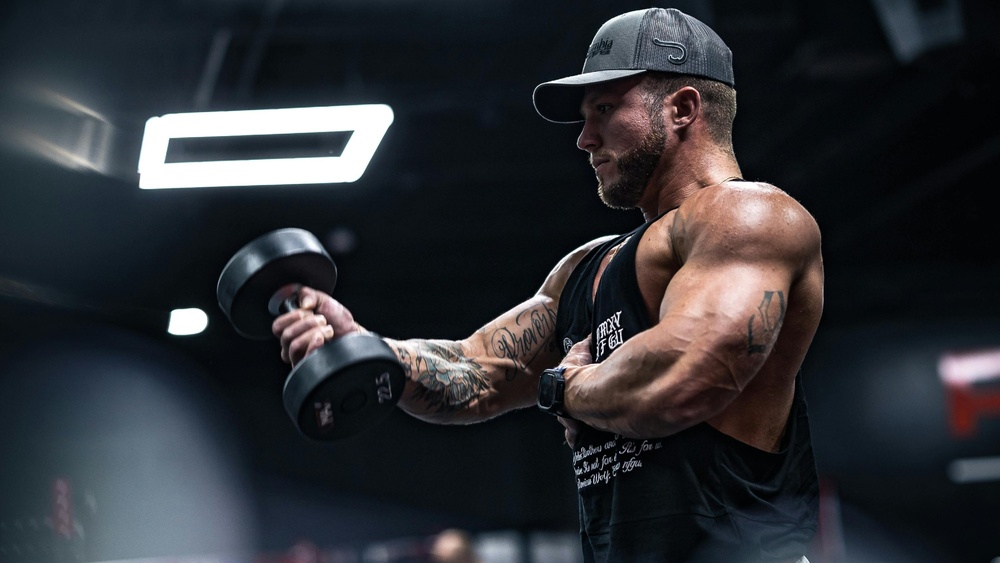
Are you ready to take your workouts to the next level? Dumbbells are one of the most versatile tools you can have, whether you’re working out at home or in the gym.
With just a pair of dumbbells, you can target every muscle in your body, build strength, and burn fat—all without expensive machines or crowded classes. You’ll discover the 25 best dumbbell exercises that will help you get stronger, leaner, and more confident.
Keep reading, and you’ll find easy-to-follow moves that fit your goals and schedule perfectly. Your fitness journey starts here!
Benefits Of Dumbbell Workouts
Dumbbell workouts offer many benefits for fitness at any level. They help build strength, improve balance, and increase muscle tone. Dumbbells are simple tools that bring big results. You can use them at home or in the gym. Their versatility makes them perfect for full-body workouts.
These exercises also help improve coordination. Each arm works independently, so muscles develop evenly. This can reduce the risk of injury. Dumbbell workouts also allow a wide range of motion. This helps stretch and strengthen muscles better than some machines.
Improves Muscle Strength And Tone
Dumbbells help build muscle strength effectively. They target different muscle groups through varied exercises. Regular use leads to better muscle tone and definition. Small muscles get worked as stabilizers, improving overall strength.
Enhances Balance And Coordination
Using dumbbells requires control and balance. Each side of your body works independently. This improves coordination and helps fix muscle imbalances. Better balance reduces the risk of falls and injuries.
Supports Joint Health And Flexibility
Dumbbell exercises allow natural movement patterns. This supports joint health by avoiding strain. The range of motion improves joint flexibility. Strong muscles around joints offer better support and protection.
Offers Versatility For All Fitness Levels
Dumbbells suit beginners and advanced users alike. You can adjust the weight easily to match your strength. Many exercises target different muscle groups. This makes workouts varied and exciting, preventing boredom.
Convenient And Space-saving Equipment
Dumbbells are small and easy to store. They fit well in homes with limited space. You can carry them anywhere for workouts on the go. This convenience encourages regular exercise and consistency.
Choosing The Right Dumbbells
Choosing the right dumbbells matters for a good workout. The right weight helps you build strength safely. It also makes exercises more effective and enjoyable. Dumbbells come in many types and sizes. Picking the best one fits your goals and fitness level.
Types Of Dumbbells
There are fixed and adjustable dumbbells. Fixed dumbbells have set weights and are easy to use. Adjustable dumbbells let you change the weight. They save space and money. Choose based on your workout needs and room.
Material And Grip
Dumbbells come in metal, rubber, or plastic. Metal ones last long but can be hard on floors. Rubber-coated dumbbells protect floors and reduce noise. Check the grip to avoid slipping. Look for a comfortable and secure handle.
Weight Range
Start with lighter weights to learn form. Gradually increase weight for muscle growth. Choose dumbbells that challenge you but do not cause pain. Having several weight options helps with different exercises.
Space And Storage
Think about where you will keep your dumbbells. Adjustable sets save space. Fixed dumbbells need more room. Use racks or shelves to keep them organized and safe.
Warm-up Exercises With Dumbbells
Warming up with dumbbells prepares your muscles and joints for exercise. It helps reduce the risk of injury. These warm-up moves also boost blood flow and improve flexibility. Use light weights to avoid strain. Focus on smooth and controlled motions.
Arm Circles With Dumbbells
Hold a light dumbbell in each hand. Extend your arms out to the sides. Slowly make small circles forward. Then reverse the direction. This warms up your shoulder muscles and joints.
Dumbbell Shoulder Shrugs
Stand tall with dumbbells at your sides. Lift your shoulders up toward your ears. Hold for a moment, then lower them. This exercise activates your traps and neck muscles.
Wrist Rotations With Dumbbells
Hold a dumbbell in each hand. Rotate your wrists slowly in circles. Do this both clockwise and counterclockwise. It prepares your wrists for lifting and gripping.
Side Bends With Dumbbells
Hold a dumbbell in each hand at your sides. Slowly bend your torso to the right. Return to center, then bend to the left. This move warms up your oblique muscles.
Light Dumbbell Squats
Hold dumbbells at your sides. Stand with feet shoulder-width apart. Lower into a squat slowly. Rise back up to standing. This warms up your legs and hips.

Credit: www.amazon.com
Upper Body Dumbbell Exercises
Upper body dumbbell exercises target key muscles like chest, shoulders, biceps, and triceps. They help build strength and improve muscle tone. Dumbbells allow a wide range of movement and help improve balance. These exercises work well at home or in the gym. They offer variety and can fit any fitness level.
Chest Press Variations
The chest press strengthens your chest muscles and arms. You can do it lying on a bench or the floor. Change angles by adjusting the bench to target different chest areas. Use a neutral grip or palms facing forward. This variation helps reduce shoulder stress. Control the weight down and push up with power.
Shoulder Press Moves
Shoulder presses build strong, rounded shoulders. Press dumbbells overhead while sitting or standing. Keep your core tight and back straight. Try Arnold presses by rotating your palms during the lift. This move targets all shoulder heads. Lift slowly and lower with control for best results.
Bicep Curl Techniques
Bicep curls focus on the front arm muscles. Hold dumbbells at your sides and curl up. Keep elbows close to your body and avoid swinging. Try hammer curls with palms facing each other. This hits different parts of the biceps. Slow curls boost muscle growth and strength.
Tricep Extensions
Tricep extensions tone the back of your arms. Lift one or both dumbbells behind your head. Keep elbows still as you extend your arms upward. You can do this seated or standing. Use light weights to maintain form and avoid injury. Controlled movements improve tricep muscle shape.
Lower Body Dumbbell Exercises
Lower body strength is key for balance, power, and daily activities. Dumbbells offer a simple way to build leg muscles at home or in the gym. You can target different muscles with just a few moves. These exercises help tone your legs, hips, and calves effectively.
Squat Variations
Squats are great for thighs and glutes. Holding dumbbells adds resistance to boost strength. Try goblet squats by holding one dumbbell close to your chest. Or, do dumbbell sumo squats with a wide stance to hit inner thighs. Keep your back straight and knees behind toes. Squats improve stability and burn calories fast.
Lunge Techniques
Lunges work your quads, hamstrings, and glutes well. Hold dumbbells at your sides for extra weight. Step forward into a lunge, then push back to start. Try reverse lunges to reduce knee strain. Side lunges target outer thighs and hips. Lunges boost balance and coordination too.
Deadlift Options
Deadlifts strengthen the lower back, glutes, and hamstrings. Use dumbbells in each hand, keeping a flat back. Try Romanian deadlifts by bending at the hips and lowering dumbbells. Keep knees slightly bent for safety. This move improves posture and builds strong hips.
Calf Raises
Calf raises shape and strengthen the lower legs. Hold dumbbells at your sides for more challenge. Stand on your toes, then slowly lower your heels. Use a step to increase the range of motion. Calf raises help with balance and prevent injuries.

Credit: www.amazon.com
Core Dumbbell Workouts
Core dumbbell workouts help build strong abs and improve balance. Using dumbbells adds resistance that makes your muscles work harder. These exercises target your entire core, including obliques and lower abs.
Strong core muscles support better posture and reduce injury risk. They also help in everyday tasks and sports performance. Here are three effective dumbbell exercises for your core.
Russian Twists
Sit on the floor with knees bent and feet lifted slightly. Hold a dumbbell with both hands in front of your chest. Twist your torso to the right, then to the left. Keep your core tight and back straight. This move strengthens your obliques and improves rotational strength.
Weighted Sit-ups
Lie on your back with knees bent and feet flat on the floor. Hold a dumbbell on your chest or above your head. Slowly lift your upper body towards your knees. Lower back down with control. Weighted sit-ups increase abdominal strength and muscle endurance.
Dumbbell Side Bends
Stand with feet shoulder-width apart, holding a dumbbell in one hand. Slowly bend your torso to the side holding the dumbbell. Return to the starting position and repeat on the other side. This exercise targets the side muscles of your core, improving stability and strength.
Full-body Dumbbell Moves
Full-body dumbbell moves target many muscles at once. They build strength and improve coordination. These exercises save time and boost your workout efficiency.
Using dumbbells challenges your balance and stability. This helps you develop functional strength for daily activities. Below are three powerful dumbbell exercises that work the whole body.
Dumbbell Snatch
The dumbbell snatch is a fast, explosive move. It starts with the dumbbell on the floor. Lift it quickly overhead in one smooth motion. This exercise works your legs, back, shoulders, and core.
It improves power and speed. Use a weight that allows good form. Keep your back straight and drive through your hips.
Thrusters
Thrusters combine a squat and overhead press. Hold dumbbells at shoulder height. Squat down, then push up and press the dumbbells overhead. This move hits your legs, glutes, shoulders, and arms.
It raises your heart rate and burns calories fast. Maintain a tight core and steady breathing.
Renegade Rows
Renegade rows work your back, arms, and core. Start in a plank with a dumbbell in each hand. Row one dumbbell up while balancing on the other. Lower it and repeat on the other side.
This move builds upper body strength and improves balance. Keep hips level and avoid twisting your body.
Tips For Safe Dumbbell Training
Training with dumbbells is a simple way to build strength and tone muscles. Safety should always come first during your workouts. Following some basic rules helps you avoid injuries and get better results. Use these tips to keep your dumbbell exercises safe and effective.
Warm Up Properly Before Training
Start with light movements to get your muscles ready. Warming up increases blood flow and reduces the risk of injury. Spend at least five minutes doing simple stretches or light cardio.
Choose The Right Weight
Select dumbbells that match your current strength level. Too heavy weights can cause poor form and injuries. Begin with lighter weights and increase gradually as you get stronger.
Maintain Good Form
Always focus on your posture. Keep your back straight and core tight. Controlled movements prevent strain and improve muscle engagement. Avoid jerky or fast actions during exercises.
Use A Stable Surface
Train on a flat, non-slip surface to stay balanced. This reduces the chance of falls or accidents. Wear proper shoes with good grip for extra safety.
Breathe Correctly
Inhale during the easier part of the exercise. Exhale during the effort or lifting phase. Proper breathing supports your muscles and keeps your rhythm steady.
Rest Between Sets
Give your muscles time to recover. Rest for 30 to 60 seconds between sets. This helps maintain strength and focus for each set.
Listen To Your Body
Stop immediately if you feel sharp pain or discomfort. Mild muscle soreness is normal, but sharp pain is a warning. Adjust your routine or consult a professional if needed.
Creating A Balanced Dumbbell Routine
Creating a balanced dumbbell routine helps build strength evenly. It prevents muscle imbalances and reduces injury risk. A good routine targets all major muscle groups. It also includes exercises for different movement types.
Balance in your workout improves posture and overall fitness. It keeps your training interesting and effective. Planning your routine with care leads to steady progress.
Target All Major Muscle Groups
Include exercises for legs, chest, back, shoulders, and arms. Don’t skip your core; it stabilizes your whole body. Use dumbbell squats, presses, rows, and curls. This variety helps muscles grow evenly.
Combine Push And Pull Movements
Push exercises work muscles by extending them away from the body. Pull exercises bring muscles closer to the body. Examples: dumbbell bench press (push), dumbbell rows (pull). Balancing push and pull avoids muscle tightness and weakness.
Include Different Movement Patterns
Use exercises with pushing, pulling, twisting, and bending motions. Twisting and bending engage your core and improve flexibility. Mix dumbbell lunges, shoulder presses, Russian twists, and deadlifts. This variety supports full-body fitness.
Vary Weight And Repetitions
Change the dumbbell weight and reps to target strength and endurance. Use heavier weights with fewer reps for strength. Use lighter weights with more reps for endurance. This approach helps muscles grow and stay strong.
Schedule Rest And Recovery
Rest days let muscles heal and grow stronger. Avoid training the same muscle groups every day. Plan your routine with rest between sessions. Recovery is key for steady progress and injury prevention.

Credit: www.youtube.com
Frequently Asked Questions
What Are The Benefits Of Dumbbell Exercises?
Dumbbell exercises improve strength, flexibility, and muscle balance. They engage stabilizer muscles and allow a full range of motion. They are versatile for all fitness levels and help prevent injuries. Dumbbells also support unilateral training to correct muscle imbalances effectively.
Which Dumbbell Exercises Target Full Body Muscles?
Full-body dumbbell exercises include squats, lunges, deadlifts, and overhead presses. These moves work multiple muscle groups simultaneously. Incorporating these exercises boosts calorie burn and enhances overall strength. They are efficient for time-saving and balanced muscle development.
How Often Should I Do Dumbbell Workouts?
For best results, perform dumbbell workouts 3 to 4 times a week. Allow at least 48 hours for muscle recovery between sessions. Consistency is key to building strength and endurance. Adjust frequency based on your fitness level and goals.
Can Dumbbell Exercises Help With Weight Loss?
Yes, dumbbell exercises boost metabolism and increase muscle mass. Higher muscle mass burns more calories even at rest. Combining strength training with cardio accelerates fat loss. Incorporate dumbbell routines into your fitness plan for effective weight management.
Conclusion
Dumbbell exercises suit all fitness levels and goals. They build strength, tone muscles, and improve balance. You can do them at home or the gym. Variety keeps workouts interesting and effective. Try different moves to target all muscle groups. Consistency matters most for seeing real progress.
Grab your dumbbells and start moving today. Small steps lead to big changes. Stay active, stay strong!