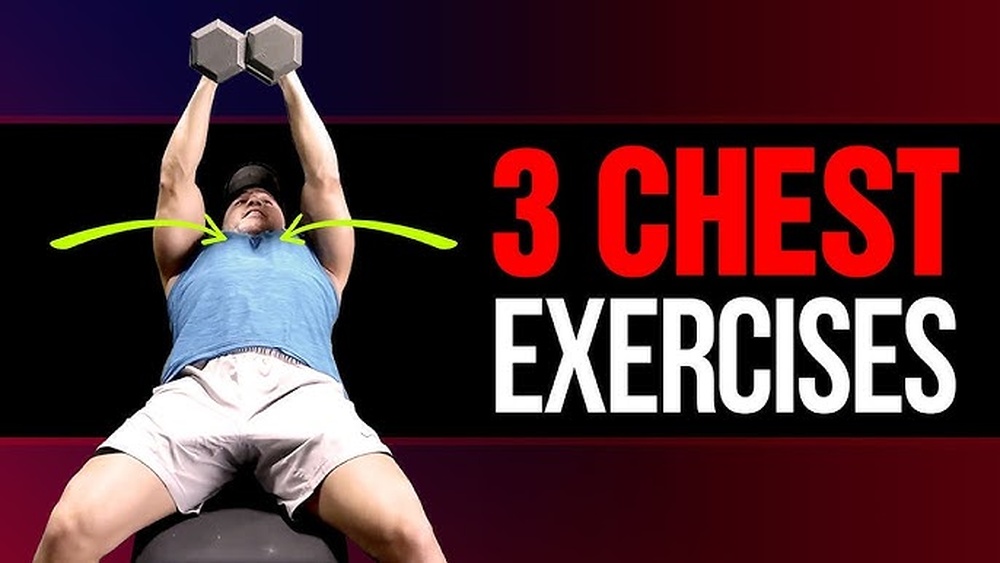
If you want to build a stronger, more defined chest without complicated equipment, dumbbells are your best friends. You might think chest workouts require big machines or a gym membership, but with just a pair of dumbbells, you can get amazing results right at home.
You’ll discover the 3 best chest exercises that will help you shape your chest, boost your strength, and feel confident. Ready to transform your workouts and see real progress? Keep reading—you won’t want to miss these simple yet powerful moves.

Credit: www.sietesetenta.com.ar
Benefits Of Dumbbell Chest Exercises
Dumbbell chest exercises offer many advantages for building strength and muscle. They allow better control and natural movement. You can target chest muscles more precisely with dumbbells. These exercises also fit well in any workout routine. The benefits make dumbbells a smart choice for chest workouts.
Enhanced Muscle Activation
Dumbbells require each side of your body to work independently. This leads to balanced muscle development. Your chest muscles activate more during dumbbell exercises. They engage stabilizer muscles for better strength and coordination. This activation helps improve overall muscle growth.
Improved Range Of Motion
Dumbbells allow a wider range of motion than barbells. Your arms can move freely without restriction. This deeper stretch targets chest muscles more effectively. It reduces joint strain and improves flexibility. Better range of motion means stronger, healthier muscles.
Versatility And Accessibility
Dumbbells are easy to use anywhere, at home or gym. They support many chest exercises with simple adjustments. You can increase or decrease weight quickly. Dumbbells fit all fitness levels and goals. Their versatility makes chest workouts convenient and efficient.
Flat Dumbbell Press
The flat dumbbell press is a classic chest exercise. It builds strength and muscle in the chest, shoulders, and triceps. Using dumbbells allows a greater range of motion than a barbell. It also helps correct muscle imbalances between sides.
This exercise is simple but effective. Proper technique ensures safety and better results. Below are key points to perform the flat dumbbell press correctly.
Proper Setup And Form
Start by lying flat on a bench. Hold a dumbbell in each hand. Keep your feet flat on the floor. Your back should be pressed against the bench. Hold the dumbbells above your chest with arms straight. Your palms should face forward. Keep your shoulder blades squeezed together.
Step-by-step Execution
Slowly lower the dumbbells down to chest level. Keep your elbows at about a 45-degree angle. Stop when dumbbells are close to your chest. Push the dumbbells back up to the starting position. Keep your movements controlled and steady. Breathe in while lowering, out while pushing up. Repeat for the desired number of reps.
Common Mistakes To Avoid
Do not let your wrists bend backward. Avoid flaring your elbows out too wide. Do not arch your lower back off the bench. Avoid bouncing the dumbbells on your chest. Keep a slow, controlled motion. Do not hold your breath during reps. These tips help prevent injury and improve results.
Incline Dumbbell Press
The incline dumbbell press is a powerful exercise for building the upper chest. It targets the muscles at the top of your chest, giving your chest a fuller look. Using dumbbells allows for a greater range of motion than a barbell. This helps activate more muscle fibers for better growth.
Performing this exercise on an incline bench changes the muscle focus. It engages the upper pectoral muscles more than a flat bench press. This makes it essential for a balanced chest workout. Proper form and bench angle are key to getting the most benefit.
Targeting Upper Chest
The incline dumbbell press mainly works the clavicular head of the pectoralis major. This is the upper part of your chest muscle. It also involves the front shoulders and triceps as secondary muscles. Lifting at an angle shifts the load away from the middle chest. This helps build strength and size in the upper chest area.
Adjusting Bench Angle
Setting the bench at a 30 to 45-degree angle works best. Too steep reduces chest activation and stresses the shoulders. Too flat shifts focus back to the middle chest. Adjust the angle to find what feels best for your body. Keep the angle consistent for tracking progress.
Tips For Maximum Effectiveness
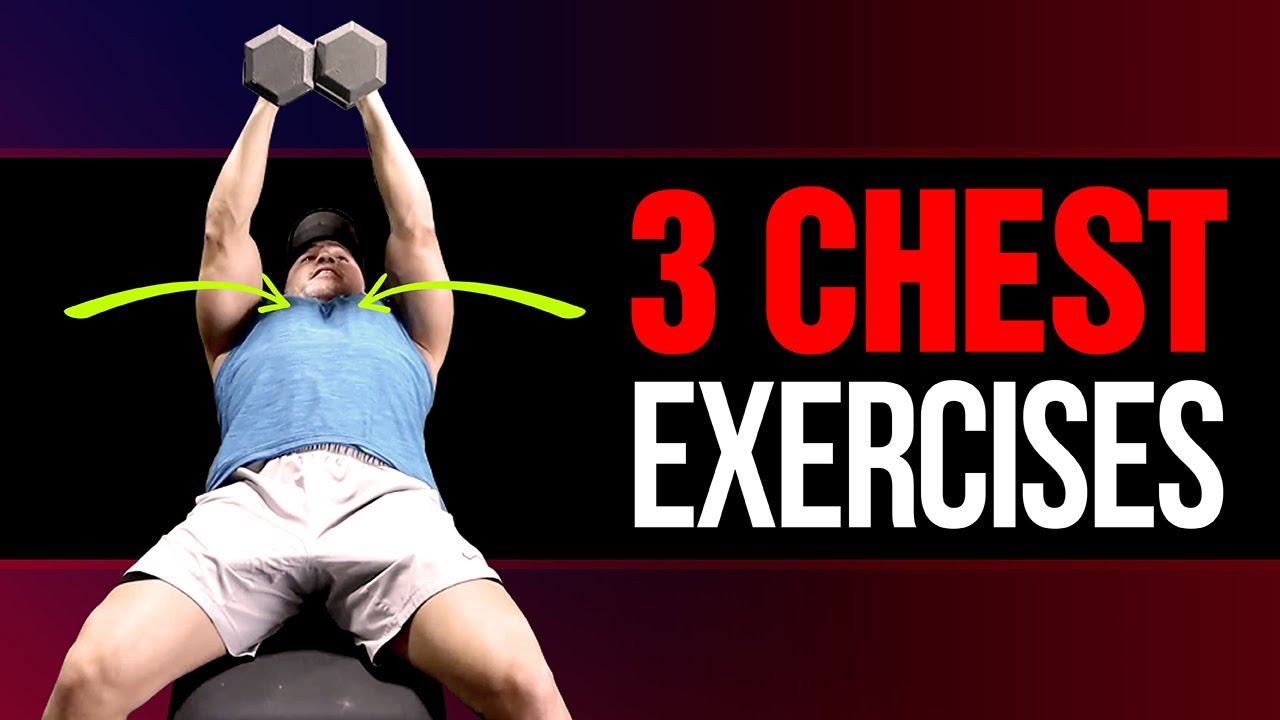
Start with a weight you can control for 8 to 12 reps. Keep your feet flat on the floor and back pressed against the bench. Lower dumbbells slowly to chest level with elbows at about 45 degrees. Press up with control, avoiding locking your elbows. Use a full range of motion for better muscle activation. Rest 60 to 90 seconds between sets to recover fully.
Credit: m.youtube.com
Dumbbell Flyes
Dumbbell flyes are a great exercise to build chest muscles. They focus on stretching and contracting the chest in a unique way. This movement targets the inner chest and helps improve muscle shape. You can do dumbbell flyes on a flat or inclined bench. This exercise adds variety to your chest workout.
Stretching And Contracting The Chest
Dumbbell flyes stretch the chest muscles at the bottom of the movement. Lower the dumbbells slowly and feel the stretch across your chest. Then, bring the dumbbells together above your chest to contract the muscles. This full range of motion helps develop muscle size and strength. It also improves chest flexibility and control.
Correct Technique
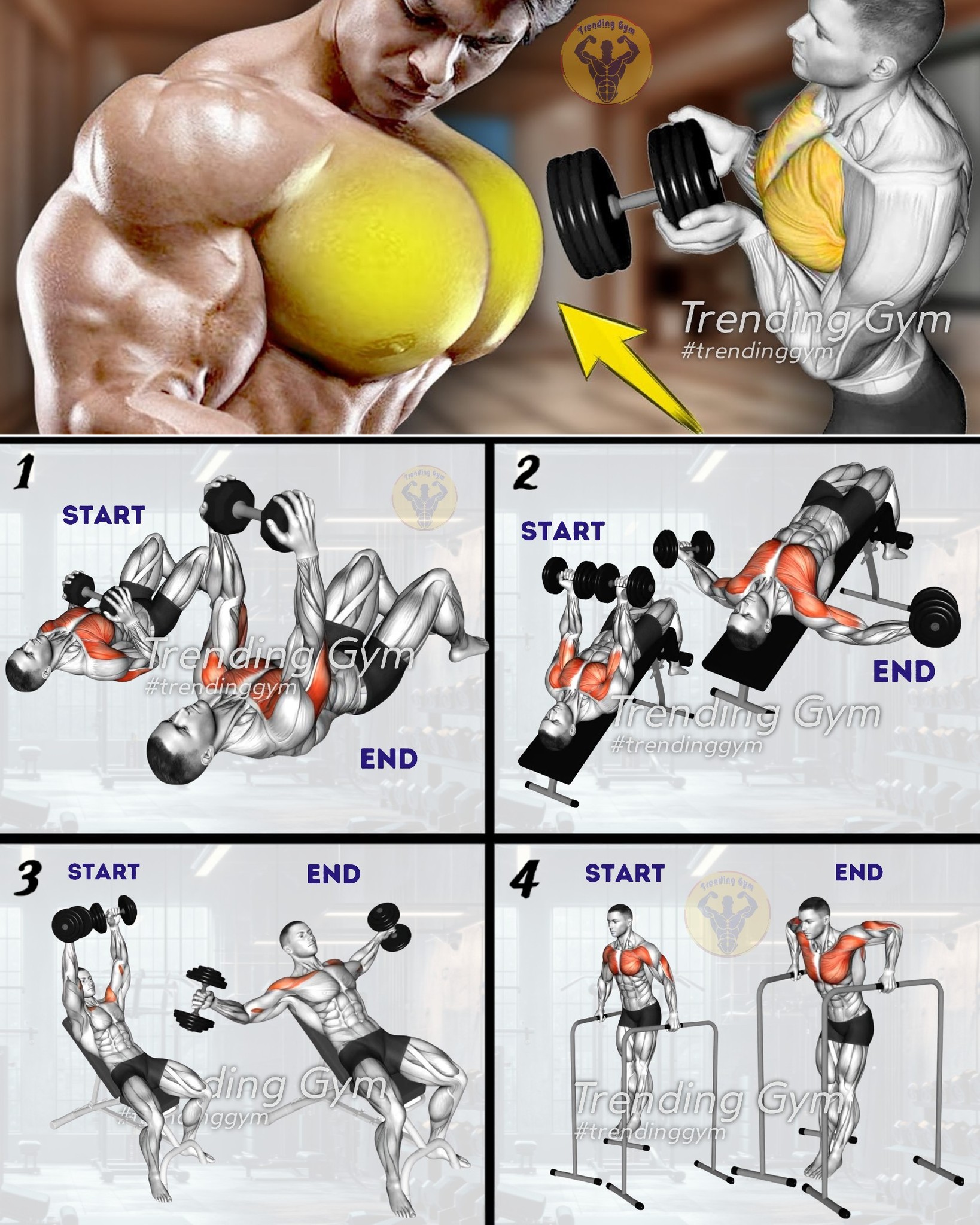
Lie on a bench with a dumbbell in each hand. Keep a slight bend in your elbows throughout the exercise. Lower the dumbbells out to your sides slowly and with control. Avoid dropping your arms too low to protect your shoulders. Bring the dumbbells back up over your chest by squeezing your chest muscles. Keep your feet flat on the floor and your back pressed against the bench.
Safety Considerations
Use light to moderate weights to avoid shoulder strain. Do not use momentum to lift the dumbbells. Move slowly and focus on muscle control. Keep your elbows slightly bent to reduce joint stress. Stop if you feel pain or discomfort in your shoulders. Warm up your chest and shoulders before starting dumbbell flyes.
Building Strength Quickly
Building strength quickly in your chest muscles requires smart planning and consistent effort. Dumbbells are perfect tools to help you grow stronger fast. They allow a full range of motion and activate more muscle fibers. Focus on the right techniques and training principles to see fast progress.
Progressive Overload Strategies
Progressive overload means increasing the weight or reps gradually. This challenges your muscles to adapt and grow stronger. Start with a weight you can lift comfortably for 8-12 reps. Increase the weight by small amounts each week. Alternatively, add more reps or sets over time. Keep pushing your limits safely to avoid plateaus.
Optimal Set And Rep Ranges
For building strength quickly, aim for 3 to 5 sets per exercise. Each set should have 6 to 12 reps. Lower reps with heavier weights focus on strength. Higher reps with moderate weights help muscle growth and endurance. Find a balance that feels challenging but doable. Rest briefly between sets to keep intensity high.
Rest And Recovery Tips
Muscles grow during rest, not just workouts. Give your chest muscles 48 hours to recover after training. Sleep at least 7 hours each night to support muscle repair. Avoid training the same muscle group on consecutive days. Light stretching and hydration also aid recovery. Proper rest helps you train harder next time.
Common Challenges And Solutions
Training your chest with dumbbells brings many benefits. Yet, some common challenges can slow progress or cause pain. Understanding these issues helps you stay safe and grow stronger. Solutions are simple but need focus and care.
Here are key challenges faced during dumbbell chest exercises and how to fix them.
Avoiding Shoulder Strain
Shoulder strain is a common problem during chest workouts. It happens when you lift weights with poor form or too heavy dumbbells. Your shoulder joints take most of the stress instead of your chest muscles.
To avoid this, keep your shoulders down and back. Do not let them shrug up during lifts. Use lighter weights and focus on slow, controlled movements. Warm up properly before starting your workout. Stop if you feel sharp pain in your shoulder.
Balancing Muscle Development
Many lifters develop one side stronger than the other. This imbalance can cause posture issues and injury risk. Dumbbells are great for fixing this because each arm works independently.
Work both sides equally with the same weight and reps. Use mirrors to check your form and balance. Start with your weaker side first and match it with your stronger side. Consistency leads to even muscle growth over time.
Staying Motivated
Staying motivated is tough during long training routines. Progress can feel slow, making it easy to quit. Set small, clear goals for each workout. Track your improvements in weight, reps, or form.
Change exercises or try new variations to keep workouts interesting. Find a workout partner or join a group for support. Celebrate small wins to keep your energy high and mindset strong.
Credit: www.immanuelcr.org
Frequently Asked Questions
What Are The Best Dumbbell Exercises For Chest Growth?
The best dumbbell exercises for chest growth include dumbbell bench press, dumbbell flyes, and dumbbell pullover. These target different chest muscles, promoting strength and muscle size. Incorporate these exercises into your routine for balanced chest development and improved upper body strength.
How Do Dumbbell Chest Exercises Improve Muscle Balance?
Dumbbell chest exercises engage each side independently, reducing muscle imbalances. They require more stabilization and coordination, promoting equal strength. This helps correct dominance issues common with barbell exercises, leading to symmetrical chest muscle development and better overall muscle balance.
Can Dumbbell Exercises Replace Barbell Chest Workouts?
Yes, dumbbell exercises can effectively replace barbell workouts. They offer greater range of motion and engage stabilizer muscles more. Dumbbells are versatile and safer for joint health, making them ideal for home workouts or those with limited equipment.
How Often Should I Do Dumbbell Chest Workouts Weekly?
For optimal chest growth, perform dumbbell chest workouts 2 to 3 times per week. Allow at least 48 hours of rest between sessions for muscle recovery. Consistency and proper rest ensure effective muscle repair and growth.
Conclusion
Dumbbell chest exercises build strength and shape muscles well. They work many chest parts with simple moves. Using dumbbells helps improve balance and control. Start with light weights and increase as you gain strength. Keep good form to avoid injury and get best results.
Practice these three exercises regularly to see progress. Stay consistent and patient. Your chest will become stronger and look better over time. Easy to do at home or gym. Give your chest the workout it needs.