
Looking to get stronger, build muscle, or tone your body without complicated equipment? Dumbbells are your best friends.
They’re simple, versatile, and perfect for any fitness level. You’ll discover the 30 best dumbbell exercises that target every major muscle group. Whether you’re working out at home or in the gym, these moves will help you see real results faster than you think.
Ready to transform your workouts and take control of your fitness? Let’s dive in!
Credit: www.liftingitalia.com
Benefits Of Dumbbell Training
Dumbbell training offers many benefits for people of all fitness levels. Using dumbbells helps build strength and improves overall body control. This type of training also supports joint health and enhances workout variety. Small weights with big impact.
Improved Muscle Balance
Dumbbells require each side of your body to work independently. This helps fix muscle imbalances and prevents one side from overpowering the other. Balanced muscles reduce injury risk and improve posture. Dumbbell training promotes equal strength on both sides.
Enhanced Range Of Motion
Dumbbells allow a wider range of motion than machines or barbells. This flexibility helps muscles stretch and contract fully. A greater range of motion improves muscle growth and joint health. Move freely and train muscles more effectively.
Versatility And Convenience
Dumbbells can be used for many exercises targeting different muscles. They fit easily in small spaces and are simple to store. Perfect for home workouts or gym sessions. Dumbbells offer a flexible and convenient way to train anywhere.
Dumbbell Exercises For Upper Body
Dumbbell exercises for the upper body help build strength and improve muscle tone. They work on different muscle groups like the chest, shoulders, back, and arms. Using dumbbells allows for a full range of motion and better muscle activation. These exercises fit well in any workout plan, whether at home or in the gym.
Chest Press Variations
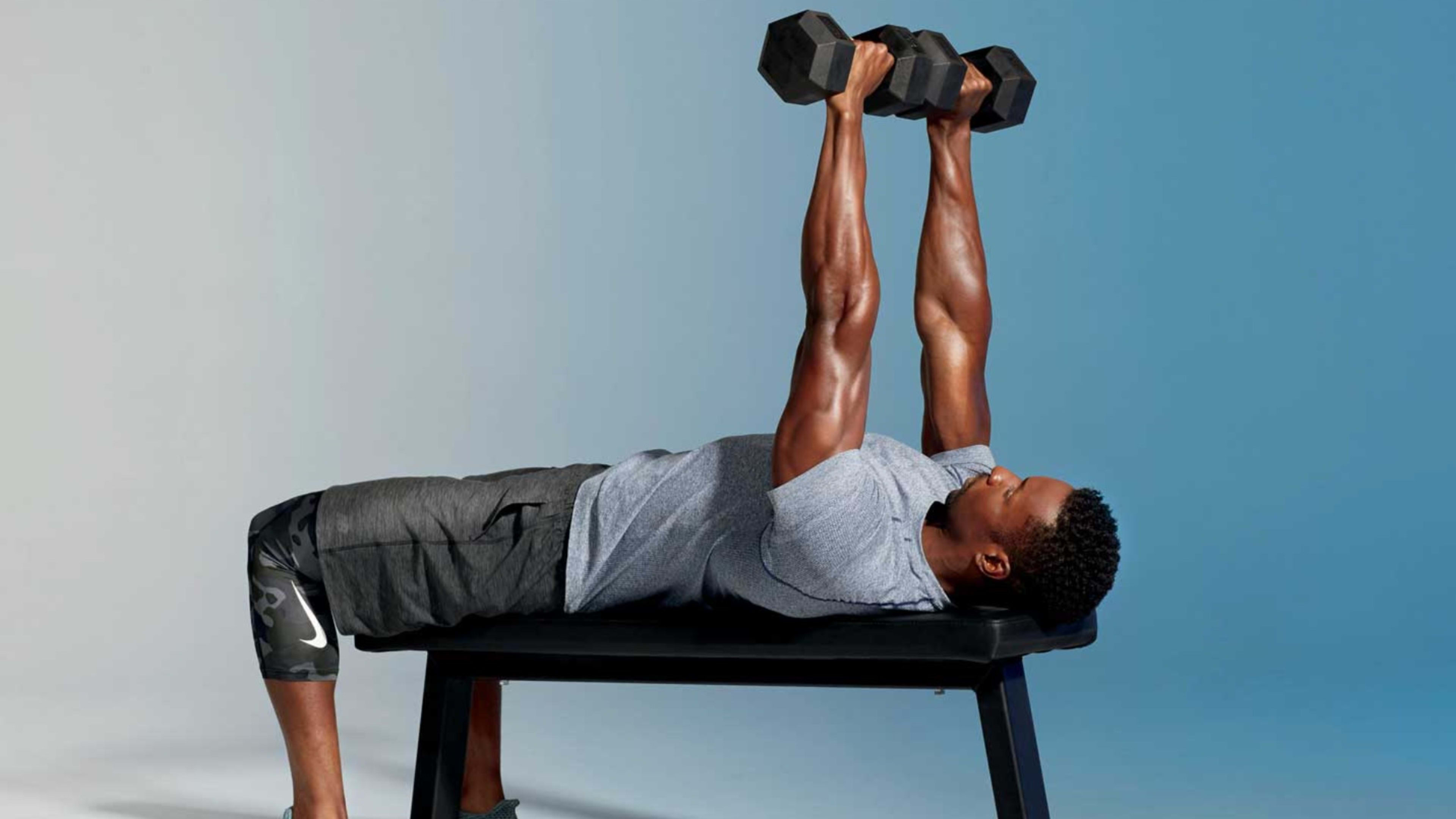
The chest press targets the chest muscles and also works the shoulders and triceps. You can do it lying on a bench or the floor. Try different angles like flat, incline, or decline presses for full chest development. Dumbbell presses allow each arm to move independently, improving muscle balance.
Shoulder Press And Raises
Shoulder presses build strong deltoids and improve overall shoulder strength. You can do them seated or standing. Dumbbell raises target the side and front parts of the shoulder. Front raises lift the dumbbell in front of you. Side raises lift it to the side. These moves add shape and definition to your shoulders.
Back Rows And Pulls
Back rows strengthen the upper and middle back muscles. Bent-over rows are a popular choice. They help improve posture and support the spine. Pulls like dumbbell pullovers work the lats and chest together. These exercises improve back strength and create a balanced upper body.
Bicep Curls And Triceps Extensions
Bicep curls focus on the front of the arms. You can do them standing, seated, or with different grips. Triceps extensions work the back of the arms and build arm size. Both exercises help improve arm strength and tone. Using dumbbells allows for controlled, smooth movements.
Dumbbell Exercises For Lower Body
Dumbbell exercises for the lower body build strength and improve balance. These moves target key muscles like quads, hamstrings, glutes, and calves. Using dumbbells adds resistance to help tone and shape your legs and hips. You can do these exercises at home or in the gym. They suit all fitness levels and need minimal equipment.
Squats And Lunges
Squats and lunges work your thighs and glutes effectively. Hold dumbbells by your sides for extra weight. Squats strengthen your legs and core while improving posture. Lunges focus on one leg at a time, boosting balance and coordination. Both moves increase muscle endurance and burn calories fast.
Deadlifts And Hip Hinges
Deadlifts target hamstrings, glutes, and lower back muscles. Use dumbbells to add resistance and improve strength. Hip hinges teach proper bending and lifting form. These moves protect your back and increase power. They help improve posture and reduce injury risk.
Calf Raises
Calf raises build strong calves and improve ankle stability. Hold dumbbells for added resistance and better muscle growth. This simple exercise helps with walking, running, and jumping. Doing calf raises regularly can reduce leg cramps and boost endurance.
Core-focused Dumbbell Moves
Strong core muscles improve balance and posture. Dumbbells help target these muscles effectively. Core-focused dumbbell moves build strength and stability. They add resistance, making your workout more intense. These exercises work your abs, obliques, and lower back.
Russian Twists
Russian twists target the obliques and abs. Sit on the floor with your knees bent. Hold a dumbbell with both hands. Lean back slightly and lift your feet off the floor. Twist your torso to one side, then the other. Keep the movement controlled for best results.
Weighted Sit-ups
Weighted sit-ups add extra resistance to your core. Lie on your back with knees bent. Hold a dumbbell against your chest. Slowly lift your upper body toward your knees. Lower yourself back down with control. This move strengthens the entire abdominal region.
Dumbbell Side Bends
Dumbbell side bends target the obliques along your waist. Stand with feet shoulder-width apart. Hold a dumbbell in one hand at your side. Slowly bend sideways toward the dumbbell. Return to the starting position. Repeat on both sides for balanced strength.
Full-body Dumbbell Workouts
Full-body dumbbell workouts target multiple muscle groups in one session. They save time and boost overall strength. Using dumbbells offers flexibility and variety. You can train at home or in the gym. These workouts improve muscle tone, endurance, and balance.
Adding dumbbells to your routine increases the challenge. Your body works harder to stabilize and control movements. This results in better coordination and muscle growth. Full-body exercises also burn more calories than isolated movements.
Circuit Training Examples
Circuit training mixes several exercises in a row. Perform each move for 30-45 seconds, then rest briefly. Repeat the circuit 3-4 times for a full workout. Examples include dumbbell squats, rows, presses, and lunges. This keeps the heart rate high and muscles engaged.
Circuit training improves strength and stamina simultaneously. It suits all fitness levels with easy modifications. Use lighter weights or shorter intervals to start. Gradually increase intensity as you get stronger.
Combining Strength And Cardio
Full-body dumbbell workouts can blend strength and cardio. Choose moves that involve large muscle groups and quick motions. Dumbbell thrusters, swings, and clean and press are good choices. These exercises raise your heart rate and build muscle at once.
This combo improves fitness efficiently. It also enhances fat burning and muscle endurance. Switching between strength and cardio moves keeps workouts fresh and exciting. You avoid boredom and plateaus by mixing styles.
Time-efficient Routines
Full-body dumbbell workouts suit busy schedules. Focus on compound exercises that work many muscles. Move quickly between exercises with little rest. This approach maximizes workout benefits in less time.
Spend 20-30 minutes for an effective session. Short, intense workouts fit daily life easily. Consistency matters more than workout length. Regular full-body dumbbell sessions lead to steady progress.
Tips For Effective Dumbbell Training
Dumbbell training offers a versatile and effective way to build strength. Following some key tips can improve your workouts. These tips help you avoid injuries and gain better results. Focus on choosing the right weight, keeping proper form, and applying progressive overload.
Choosing The Right Weight
Select a dumbbell weight that feels challenging but manageable. You should complete your sets with good control. If the weight is too light, muscles won’t get enough work. Too heavy, and form can suffer, risking injury. Start with moderate weights and adjust as you grow stronger.
Maintaining Proper Form
Good form protects your body and targets muscles well. Keep your back straight and core tight during exercises. Move slowly and with control, avoiding jerky motions. Use a mirror or record yourself to check your posture. Proper form helps build strength evenly and prevents pain.
Progressive Overload Strategies
To build muscle, gradually increase your workout challenge. Add small weight increases over time. Increase reps or sets if weights stay the same. Change exercises to target muscles differently. Progressive overload pushes your muscles to grow and become stronger.
Safety Precautions And Common Mistakes
Using dumbbells is a great way to build strength and improve fitness. Safety is very important during workouts. Avoiding mistakes helps prevent injuries and keeps progress steady. This section covers key safety tips and common errors to watch for. Follow these rules to stay safe and get the best results from your dumbbell exercises.
Avoiding Injury
Always use the right weight for your strength level. Too heavy dumbbells cause poor form and strain. Keep your back straight and core tight during lifts. Use slow, controlled movements instead of fast, jerky ones. Stop immediately if you feel sharp pain or discomfort. Use a spotter for heavy lifts to protect yourself. Check your workout area for obstacles or slippery floors. Wear proper shoes with good grip to avoid slips.
Warm-up And Cool-down
Start each session with a warm-up to prepare muscles. Light cardio or dynamic stretches increase blood flow and reduce injury risk. Spend 5 to 10 minutes warming up before lifting dumbbells. After your workout, cool down with gentle stretches. This helps reduce muscle soreness and stiffness. Never skip warm-up or cool-down steps. They improve recovery and keep your body ready for the next workout.
Recognizing Overtraining Signs
Overtraining slows progress and causes injuries. Watch for constant fatigue, soreness, or trouble sleeping. Feeling weak or losing motivation can also mean overtraining. Take rest days to let muscles recover and grow stronger. Vary your workouts to avoid repetitive strain. Listen to your body and reduce intensity if needed. Rest and recovery are as important as training itself.
Credit: www.mensjournal.com

Credit: www.youtube.com
Frequently Asked Questions
What Are The Best Dumbbell Exercises For Beginners?
For beginners, start with dumbbell curls, shoulder presses, and goblet squats. These exercises build strength and improve form safely.
How Many Dumbbell Exercises Target Full-body Muscles?
About 10 to 15 dumbbell exercises engage multiple muscle groups. Examples include dumbbell deadlifts, thrusters, and renegade rows for full-body workouts.
Can Dumbbell Workouts Help With Muscle Toning?
Yes, dumbbell workouts improve muscle tone by increasing resistance. Regular training with varied weights enhances muscle definition and strength.
How Often Should I Do Dumbbell Exercises Weekly?
Perform dumbbell exercises 3 to 4 times weekly. This frequency allows muscle recovery and consistent strength gains without overtraining.
Conclusion
Dumbbell exercises help you build strength and stay fit. You can work many muscles with just one tool. Try different moves to keep your workouts fun. Use the exercises regularly for the best results. Remember to start with light weights and go slow.
Enjoy your fitness journey and feel stronger each day. Small steps lead to big changes in your health. Keep moving, stay consistent, and watch your progress grow.


