
Are you looking for simple ways to stay strong and healthy as you age? Using dumbbells can be a great way to improve your muscle strength, balance, and overall well-being.
But it’s important to choose the right exercises that suit your body and fitness level. You’ll discover the 5 best dumbbell exercises designed especially for seniors. These moves are easy to follow, safe, and effective. Keep reading to find out how you can boost your strength and feel more confident every day.
Benefits Of Dumbbell Workouts For Seniors
Dumbbell workouts offer many benefits for seniors. These exercises help keep the body strong and healthy. Using dumbbells is simple and effective. They can be done at home or in a gym. Regular dumbbell workouts improve overall fitness and quality of life.
Improving Muscle Strength
Dumbbell exercises build muscle strength in seniors. Strong muscles make daily tasks easier. Lifting groceries, climbing stairs, and carrying objects become less tiring. Muscle strength also helps prevent injuries. It supports joints and reduces strain on the body.
Enhancing Bone Density
Weight-bearing exercises like dumbbell workouts increase bone density. Stronger bones reduce the risk of fractures. This is especially important for seniors at risk of osteoporosis. Regular strength training helps maintain healthy bones. It supports long-term bone health and mobility.
Boosting Balance And Coordination
Dumbbell workouts improve balance and coordination skills. Better balance lowers the chance of falls. Coordination helps with smooth and controlled movements. These benefits help seniors stay independent longer. Exercises that engage multiple muscles support stability and body control.
Choosing The Right Dumbbells
Choosing the right dumbbells is key for safe and effective workouts. Seniors need weights that match their strength and comfort. The right dumbbells help build muscle without causing injury. This section guides you through picking the best dumbbells for your needs.
Weight Selection Tips
Start with light weights to avoid strain. Pick dumbbells that let you do 10 to 15 repetitions comfortably. Your muscles should feel tired but not sore. Gradually increase weight as you get stronger. Avoid weights that feel too heavy or cause pain.
Types Of Dumbbells
Fixed-weight dumbbells are easy to use and come in many sizes. Adjustable dumbbells save space and allow changing weights quickly. Neoprene dumbbells have a soft cover, making them easy to grip. Metal dumbbells are durable but may be slippery. Choose based on comfort and ease of handling.
Safety Considerations
Check dumbbells for secure grips to prevent slipping. Use weights with smooth edges to avoid cuts or bruises. Keep your workout area clear to prevent trips or falls. Always warm up before lifting dumbbells. Stop if you feel pain or dizziness during exercise.
Seated Dumbbell Shoulder Press
The seated dumbbell shoulder press is a great exercise for seniors. It helps strengthen the shoulders and upper arms. This move also improves posture and balance. Doing it while seated adds stability. It reduces stress on the lower back. This makes it safer for older adults. It also helps keep the muscles active and healthy.
Using dumbbells allows for a natural range of motion. It engages smaller muscles around the shoulders. This reduces the risk of injury. The seated position supports the spine. It encourages proper form and control during the exercise. This makes it a perfect choice for seniors starting strength training.
Proper Form And Technique
Sit on a sturdy chair with back support. Hold a dumbbell in each hand at shoulder height. Keep your elbows bent and pointed slightly forward. Press the dumbbells upward until your arms are almost straight. Avoid locking your elbows at the top. Slowly lower the weights back to shoulder height. Keep your back straight and feet flat on the floor. Breathe out while pressing up and breathe in when lowering the weights.
Common Mistakes To Avoid
Do not arch your back during the press. Avoid lifting weights that are too heavy. Do not let your elbows flare out too wide. Avoid using momentum to lift the dumbbells. Do not hold your breath while pressing. Avoid sitting without back support. Do not rush through the movement. Slow and controlled motion gives better results.
Reps And Sets Recommendations
Start with light dumbbells. Perform 8 to 12 repetitions per set. Aim for 2 to 3 sets per session. Rest for 30 to 60 seconds between sets. Train 2 to 3 times per week. Increase weight gradually as strength improves. Stop if you feel pain or discomfort. Consistency helps build stronger, healthier shoulders.

Credit: www.esseg.eu
Dumbbell Bicep Curl
The dumbbell bicep curl is a simple and effective exercise for seniors. It helps strengthen the arms and improve muscle tone. This exercise targets the biceps, the muscles at the front of your upper arm. Strong biceps make daily tasks easier. Holding groceries or lifting small objects becomes less tiring.
Using light dumbbells is safe and easy. You can do this exercise at home or in the gym. It needs little space and no special equipment. This makes it perfect for seniors who want to stay active.
Step-by-step Instructions
- Stand or sit with a dumbbell in each hand, arms at your sides.
- Keep your elbows close to your body.
- Slowly bend your elbows to lift the dumbbells toward your shoulders.
- Pause for a moment at the top.
- Lower the dumbbells back to the starting position slowly.
- Repeat for 8-12 repetitions.
Modifications For Beginners
- Use lighter dumbbells or no weights to start.
- Perform the exercise sitting down for better balance.
- Move slowly to maintain control and avoid injury.
- Reduce the number of repetitions if needed.
- Rest between sets to avoid fatigue.
Benefits For Daily Activities
- Improves ability to carry shopping bags with ease.
- Makes lifting objects like pots and pans simpler.
- Enhances grip strength for opening jars or doors.
- Reduces arm fatigue during household chores.
- Supports better posture and arm movement.
Dumbbell Deadlift
The dumbbell deadlift is a simple and effective exercise. It helps seniors build strength in their legs and back. This move also improves balance and posture. Using dumbbells makes it easy to control the weight. It suits different fitness levels well.
Targeted Muscle Groups
The dumbbell deadlift works many muscles. It mainly targets the hamstrings at the back of your thighs. Your glutes, or butt muscles, get a good workout too. The lower back muscles help you stay upright. Your core stabilizes your body during the move. Even your forearms get stronger from holding the dumbbells.
Maintaining Back Safety
Keep your back straight during the exercise. Avoid rounding your shoulders or lower back. Bend only at the hips and knees. Engage your core muscles to protect your spine. Start with light dumbbells to practice form. Stop if you feel sharp pain in your back. Good posture reduces the risk of injury.
Progression Tips
Start with light weights and focus on technique. Increase dumbbell weight gradually over weeks. Add more repetitions as you get stronger. Try slowing down the movement for more control. Use a mirror to check your form. Consistency is key to steady improvement.
Dumbbell Chest Press
The dumbbell chest press is a great exercise for seniors. It helps build strength in the chest, shoulders, and arms. This move supports daily activities like lifting and pushing. Using dumbbells allows for a natural range of motion. It also helps improve muscle balance and coordination.
Setup And Positioning
Start by lying flat on a bench or sturdy surface. Hold a dumbbell in each hand with your palms facing forward. Keep your feet flat on the floor for stability. Bend your elbows at about a 90-degree angle. Keep your back pressed gently against the bench. This position helps protect your spine and maximize strength.
Breathing Techniques
Inhale deeply before you start the lift. Exhale slowly as you press the dumbbells upward. Inhale again while lowering the weights back down. Controlled breathing keeps your muscles oxygenated. It also helps maintain focus and steady movement.
Avoiding Shoulder Strain
Keep your elbows slightly tucked in during the press. Do not let them flare out too wide. Use light to moderate weights to avoid overloading. Move slowly and with control to protect your joints. Stop if you feel any pain or discomfort. This careful approach reduces the risk of shoulder strain.
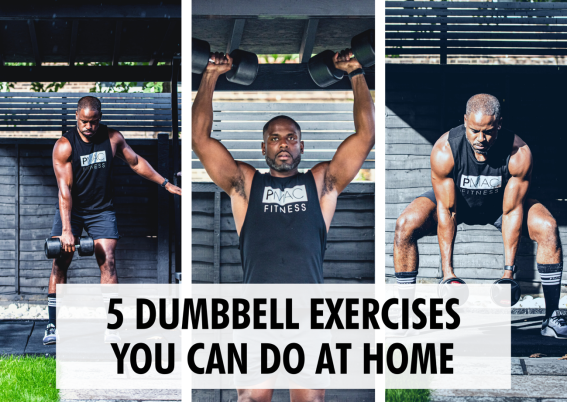
Dumbbell Step-ups
Dumbbell step-ups are a simple and effective exercise for seniors. They target the legs and help improve balance. This movement mimics climbing stairs, a daily activity many seniors perform. Step-ups build strength in key leg muscles. Using dumbbells adds gentle resistance. This helps maintain muscle and bone health. Step-ups can be done at home with minimal equipment.
Building Leg Strength
Step-ups focus on the quads, hamstrings, and glutes. These muscles support walking and standing. Holding dumbbells increases the challenge. This builds muscle faster and helps prevent falls. Start with light weights to avoid strain. Perform slow and controlled movements. This ensures the right muscles work and reduces injury risk.
Using A Stable Platform
Choose a sturdy platform or step about 6 to 8 inches high. It must not wobble or slip. A solid surface protects against falls. Place your entire foot on the step. Push through the heel to lift your body up. Step down gently to keep control. Check the platform before starting each set.
Balance Improvement Tips
Step-ups challenge balance naturally. Hold onto a chair or wall if needed. Keep your core tight and eyes forward. Avoid leaning too far forward or backward. Practice standing on one foot to build balance. Increase step height slowly as confidence grows. Regular practice improves stability and coordination over time.
Credit: www.mountainsandmacros.co.uk
Safety Tips For Senior Dumbbell Training
Safety is key when seniors use dumbbells for exercise. Proper care helps avoid injuries and builds confidence. Simple steps can make workouts both safe and effective. This section highlights essential safety tips for senior dumbbell training.
Warm-up And Cool-down
Start every session with a warm-up. Light movements prepare muscles and joints. Warm muscles reduce injury risk. Spend five to ten minutes warming up. Gentle stretches and slow walking work well.
End each workout with a cool-down. It helps muscles relax and recover. Cool-down lowers heart rate gradually. Stretching after exercise reduces stiffness and soreness.
Recognizing Overexertion
Pay attention to your body’s signals. Stop if you feel sharp pain or dizziness. Fatigue is normal but severe tiredness is not. Muscle soreness should not last more than two days. Breathing should stay steady during exercise. If breathing becomes difficult, pause and rest.
When To Seek Professional Guidance
Consult a doctor before starting any new exercise. A health check ensures safety and readiness. A physical therapist or trainer can design a safe workout plan. Professionals teach proper form and technique. Their guidance reduces the chance of injury.
Credit: www.silversneakers.com
Frequently Asked Questions
What Are The Best Dumbbell Exercises For Seniors?
The best dumbbell exercises for seniors include bicep curls, shoulder presses, seated rows, dumbbell squats, and tricep extensions. These exercises improve strength, balance, and flexibility safely.
How Often Should Seniors Do Dumbbell Exercises?
Seniors should perform dumbbell exercises 2-3 times per week. This frequency allows muscle recovery and promotes gradual strength improvement without injury.
Are Dumbbell Exercises Safe For Seniors With Arthritis?
Yes, dumbbell exercises are safe for seniors with arthritis when done correctly. Start with light weights and focus on controlled, pain-free movements.
Can Dumbbell Exercises Improve Seniors’ Balance?
Dumbbell exercises help improve seniors’ balance by strengthening key muscles. Stronger muscles support better stability and reduce fall risks.
Conclusion
Dumbbell exercises help seniors stay strong and healthy. These five moves improve muscle, balance, and flexibility. Start slow, and increase weight carefully. Regular practice builds confidence and energy. Always listen to your body and rest when needed. Staying active keeps the mind sharp and mood bright.
Small steps lead to big changes. Keep moving and enjoy a better quality of life.


