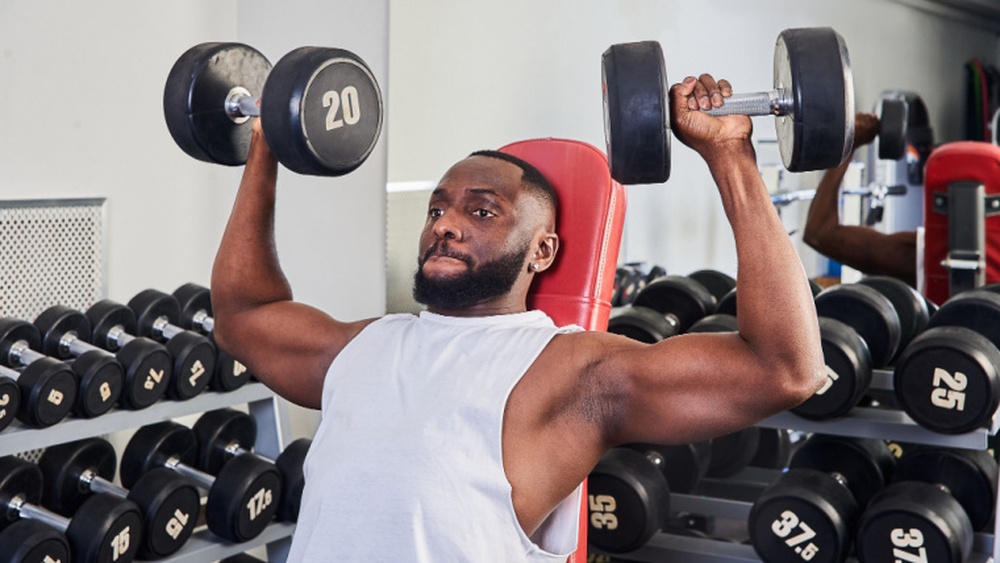
Are you looking to build strong, defined shoulders without complicated equipment? Your deltoids play a huge role in how your upper body looks and moves.
Using dumbbells, you can target these muscles effectively right at home or in the gym. You’ll discover the best exercise for deltoids with dumbbells that can help you boost strength, improve posture, and sculpt your shoulders faster than you think.
Ready to transform your workout and see real results? Keep reading to find out how.
Deltoid Muscle Anatomy
The deltoid muscle covers the shoulder and gives it a rounded shape. It is important for many arm movements. This muscle helps lift, rotate, and move the arm in different directions.
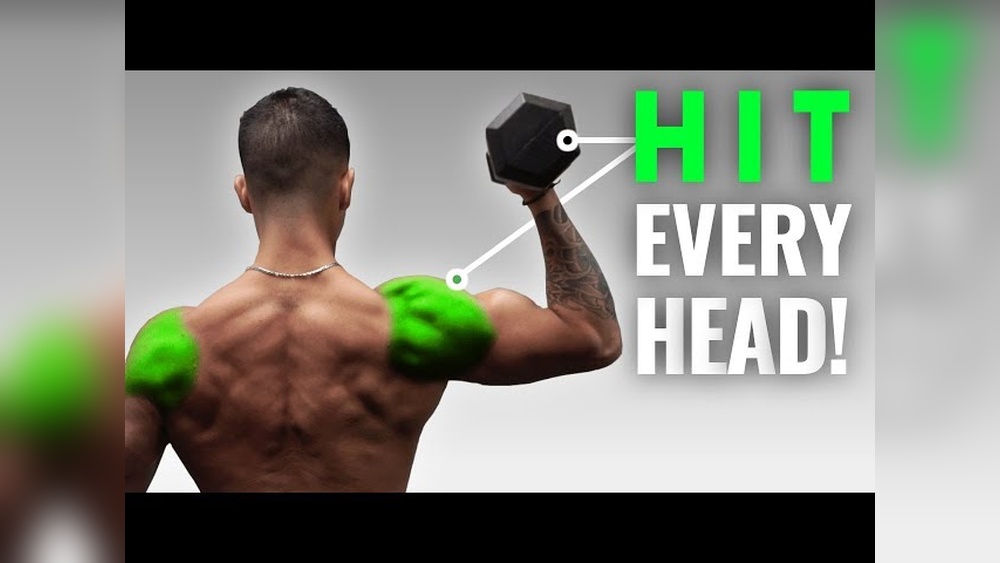
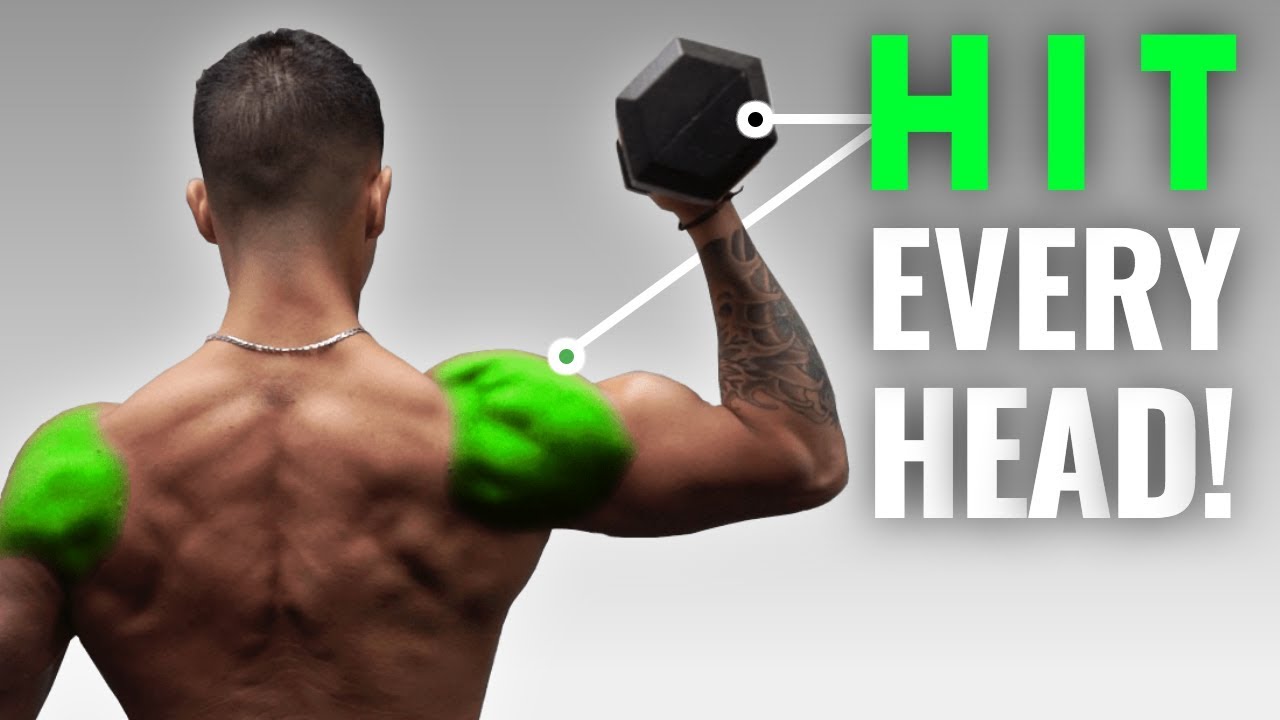
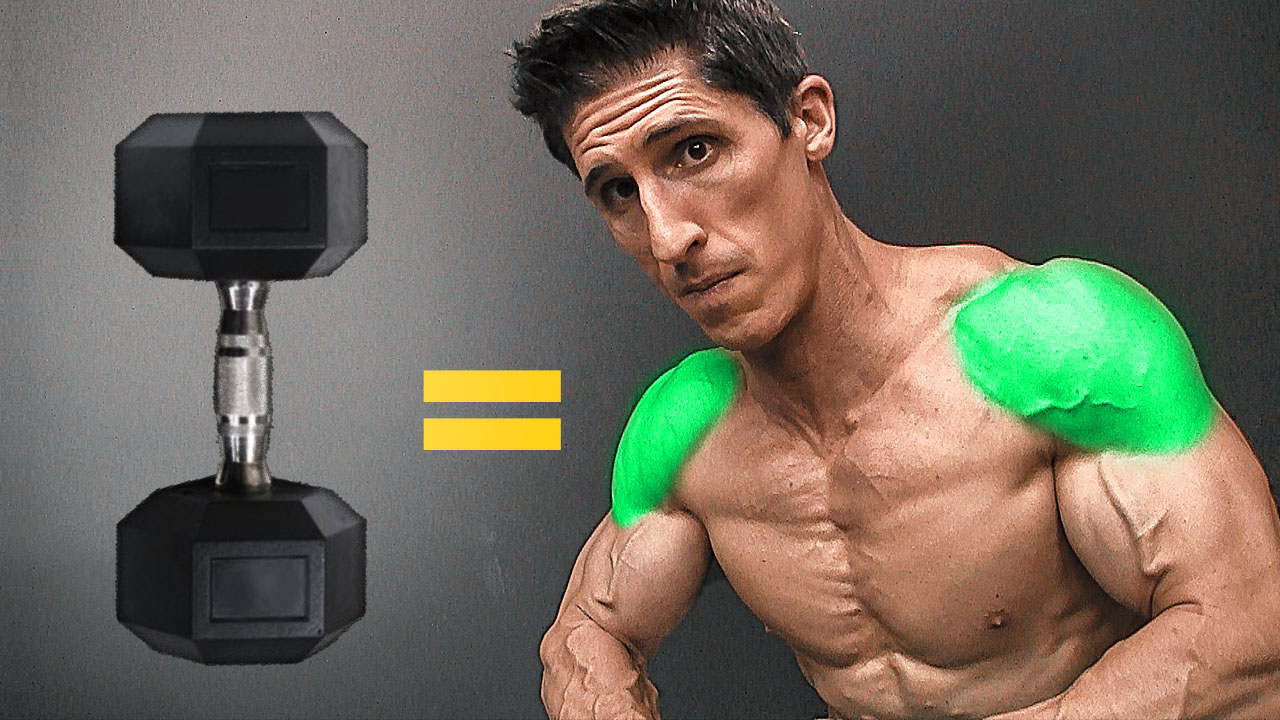
The deltoid has three main parts. Each part has a specific job. Knowing these parts helps you target them better during exercise.
Anterior Deltoid
The anterior deltoid is at the front of the shoulder. It helps lift the arm forward. It also assists in rotating the arm inward. Many pushing movements work this part well.
Lateral Deltoid
The lateral deltoid sits on the side of the shoulder. It lifts the arm out to the side. This part gives the shoulder its wide, rounded look. Side raises are great for this muscle.
Posterior Deltoid
The posterior deltoid is at the back of the shoulder. It moves the arm backward and rotates it outward. This part is important for pulling and rowing motions. Exercises like reverse flys target it well.
Benefits Of Dumbbell Workouts
Dumbbell workouts offer many benefits for shoulder training. They help develop the deltoid muscles effectively. Using dumbbells increases control and precision during exercises. This leads to better muscle growth and strength over time.
Dumbbells also allow natural movement patterns. This reduces the risk of injury and improves workout quality. They fit well in any home or gym routine. Dumbbell exercises suit all fitness levels, from beginners to advanced athletes.
Improved Muscle Activation
Dumbbells require more muscle control than machines. Each arm works independently, activating more muscle fibers. This leads to stronger and more balanced deltoid muscles. It also helps fix muscle imbalances between sides.
Enhanced Range Of Motion
Dumbbells allow a wider range of motion than barbells. This means your shoulders can move more naturally. Greater motion improves flexibility and muscle development. It also targets all three parts of the deltoid muscle better.
Balanced Strength Development
Using dumbbells helps develop equal strength on both sides. It prevents one side from dominating the other. Balanced strength reduces injury risk and improves overall performance. Dumbbells promote symmetrical muscle growth for better posture.
Top Dumbbell Exercises For Deltoids
Strong and well-shaped deltoids improve shoulder strength and appearance. Dumbbells offer great options to target all parts of the deltoid muscle. These exercises help build muscle evenly and improve shoulder stability.
Here are the top dumbbell exercises that focus on the deltoids. Each move targets different heads of the shoulder muscle for balanced growth.
Dumbbell Shoulder Press
Hold a dumbbell in each hand at shoulder height. Press the weights upward until your arms are fully extended. Lower the dumbbells slowly back to the start. This exercise works the front and middle deltoids effectively.
Lateral Raises
Stand with dumbbells at your sides. Raise both arms out to the sides until they reach shoulder height. Keep a slight bend in your elbows. Lower the weights back down with control. Lateral raises mainly target the middle deltoid.
Front Raises
Hold dumbbells in front of your thighs. Lift one or both arms straight in front of you to shoulder level. Keep your arms straight but not locked. Slowly lower the dumbbells back down. This move isolates the front deltoid well.
Reverse Flyes
Bend at your hips with dumbbells in each hand. Raise your arms out to the sides, squeezing shoulder blades together. Lower the weights back down slowly. Reverse flyes focus on the rear deltoid and upper back muscles.
Arnold Press
Start with dumbbells in front of your shoulders, palms facing you. Rotate your palms away as you press the weights overhead. Lower the dumbbells while rotating palms back toward you. The Arnold press hits all three deltoid heads.
Credit: www.youtube.com
Exercise Techniques For Maximum Gains
To build strong deltoids using dumbbells, the right exercise techniques matter. Proper methods help target muscles better. They reduce injury risk and boost results. Focus on form, breathing, and avoiding errors. These factors work together for maximum muscle growth.
Proper Form Tips
Keep your back straight and chest up. Avoid leaning forward or backward. Hold dumbbells firmly but not too tight. Raise weights slowly to shoulder height. Keep elbows slightly bent to protect joints. Lower the dumbbells in a controlled way. Maintain a steady stance with feet shoulder-width apart. These small details make a big difference.
Breathing And Tempo
Breathe out while lifting the dumbbells up. Inhale as you lower them down. Use a slow and steady tempo for each rep. Pause briefly at the top of the movement. This keeps tension on the deltoid muscles. Avoid rushing through reps to prevent injury. Controlled breathing supports muscle growth and focus.
Common Mistakes To Avoid
Do not use too heavy weights that cause swinging. Avoid locking your elbows during lifts. Don’t shrug your shoulders; keep them relaxed. Skipping warm-up can lead to injuries. Avoid jerky or fast movements. These mistakes reduce exercise effectiveness and increase pain. Focus on smooth, controlled motions for best gains.
Designing A Deltoid Workout Routine
Designing a deltoid workout routine with dumbbells requires careful planning. The deltoid muscles have three heads: front, side, and rear. Targeting all three ensures balanced shoulder strength and shape. A good routine mixes exercises that hit each part effectively. Consistency and smart training help build strong, well-rounded shoulders over time.
Understanding how often to train, which exercises to combine, and how to increase challenge is key. These factors shape your progress and reduce injury risk. Let’s explore the best ways to design your deltoid workout.
Frequency And Volume
Train your deltoids two to three times per week. This frequency allows muscles to grow and recover well. Use moderate volume: 3 to 4 sets per exercise with 8 to 12 reps. Avoid overtraining by resting at least 48 hours between sessions. Keep sessions focused to maximize effort and avoid fatigue.
Combining Exercises
Include exercises targeting all deltoid heads in each workout. Start with overhead presses for the front and side delts. Add lateral raises to isolate the side delts. Finish with bent-over reverse flyes for the rear delts. This combination creates balanced shoulder development. Change exercises every few weeks to keep muscles adapting.
Progressive Overload Strategies
Increase dumbbell weight gradually to build strength. Add small weight increments each week or every two weeks. If weight increase is not possible, raise reps or sets. Focus on perfect form to avoid injury. Track your progress to stay motivated and adjust your routine as needed.
Recovery And Injury Prevention
Recovery and injury prevention are key to building strong deltoids with dumbbells. Training hard is important, but resting and caring for your muscles matters just as much. Proper recovery helps your muscles grow and lowers the chance of injury.
Stretching And Mobility
Stretching keeps your shoulder muscles flexible and healthy. Simple stretches before and after workouts reduce stiffness. Mobility exercises improve joint movement and prevent tightness. This helps you lift dumbbells with better form and less pain.
Rest Days Importance
Rest days let your deltoids repair and grow stronger. Skipping rest can cause muscle fatigue and slow progress. Aim for at least one or two rest days per week. Use this time to relax and avoid heavy lifting.
Signs Of Overtraining
Watch for pain or soreness that lasts several days. Feeling tired or weak during workouts is a warning sign. Trouble sleeping and loss of motivation can also mean overtraining. Stop or reduce exercise if you notice these signs.
Nutrition For Shoulder Growth
Nutrition plays a key role in building strong and bigger shoulders. Eating the right foods helps muscles repair and grow after dumbbell exercises. Proper nutrition gives your body the fuel it needs for shoulder growth.
Focus on eating enough protein, staying hydrated, and considering useful supplements. These steps support muscle health and improve workout results. Let’s explore each area closely.
Protein Intake
Protein is essential for muscle repair and growth. Aim to eat lean meats, eggs, dairy, or plant-based proteins daily. Spread protein intake across meals to keep muscles fueled. About 1.2 to 2 grams of protein per kilogram of body weight helps build muscle effectively. Protein shakes can be a good option after workouts.
Hydration Tips
Water keeps muscles working well and helps recovery. Drink at least 8 cups of water daily, more if you sweat a lot. Avoid sugary drinks; they do not hydrate well. Drinking water before and after exercise keeps you energized and reduces muscle cramps.
Supplements To Consider
Some supplements support shoulder muscle growth and repair. Creatine helps improve strength and power during workouts. Branched-chain amino acids (BCAAs) may reduce muscle soreness. Vitamin D and omega-3 fatty acids support overall muscle health. Always consult a healthcare provider before starting supplements.
Credit: learn.athleanx.com

Credit: www.menshealth.com
Frequently Asked Questions
What Are The Best Dumbbell Exercises For Deltoids?
The best dumbbell exercises for deltoids include shoulder presses, lateral raises, front raises, and bent-over reverse flyes. These target all three deltoid heads for balanced muscle growth. Using proper form and moderate weights ensures effective and safe workouts.
How Often Should I Train Deltoids With Dumbbells?
Train your deltoids with dumbbells 2-3 times per week. Allow at least 48 hours of rest between sessions for muscle recovery. Consistent training with proper rest helps build strength and prevents injury.
Can Dumbbell Exercises Build Bigger Deltoid Muscles?
Yes, dumbbell exercises can build bigger deltoid muscles. Progressive overload with controlled movements stimulates muscle growth. Combining different angles targets all deltoid parts, enhancing size and definition.
Are Dumbbells Better Than Machines For Deltoid Workouts?
Dumbbells offer more range of motion and engage stabilizer muscles better than machines. They improve functional strength and muscle balance. However, machines can be useful for beginners or rehab.
Conclusion
Dumbbell exercises build strong, well-shaped deltoids effectively. Start with light weights and focus on form. Consistency matters more than heavy lifting. Mix different dumbbell moves for balanced shoulder growth. Rest days help muscles recover and grow. Keep your posture straight during each exercise.
Small progress adds up over time. Enjoy the process and stay patient. Strong deltoids improve your overall upper body strength. Keep training regularly for best results.