If you own a bike, protecting it is probably one of your top priorities. You want a lock that keeps your ride safe, without any hassle.
That’s where the best bike D-lock comes in. It’s tough, reliable, and gives you peace of mind every time you leave your bike unattended. You’ll discover how to choose the perfect D-lock that fits your needs and keeps thieves away.
Ready to find the lock that makes your bike security worry disappear? Keep reading—you’re about to make a smart choice for your bike’s safety.
Credit: www.cyclist.co.uk
Why Choose A D-lock
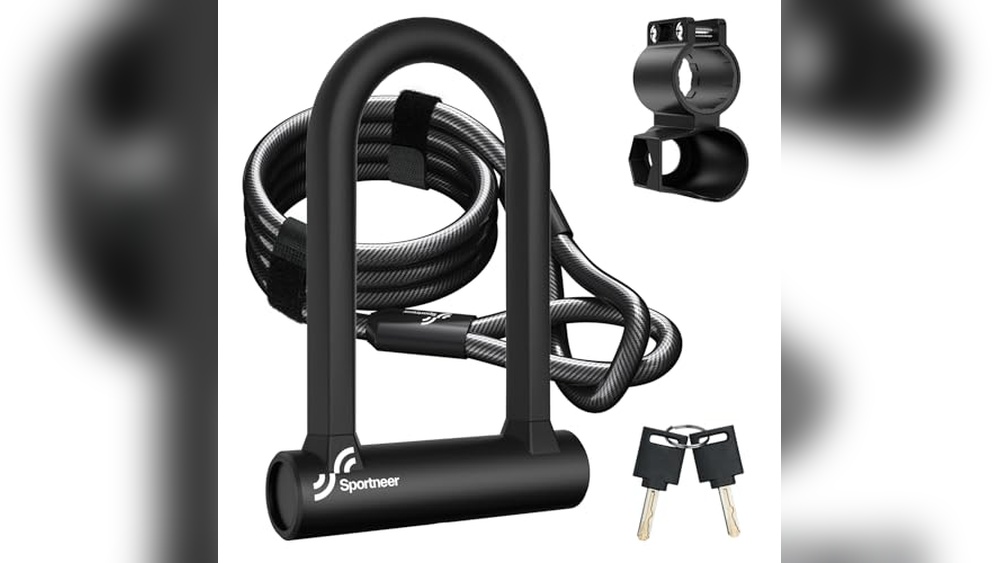
Choosing the right lock protects your bike from theft. A D-lock offers strong security and peace of mind. Its design focuses on safety, strength, and ease of use. Many cyclists trust D-locks for daily bike protection.
Benefits Over Cable Locks
D-locks are much harder to break than cable locks. Cable locks can be cut easily with wire cutters. D-locks use thick metal that resists cutting tools. This makes them a better choice for high-risk areas. The shape of a D-lock fits tightly around bike parts. This limits space for thieves to insert tools.
Resistance To Cutting Tools
D-locks are made from hardened steel. This steel is tough against saws and bolt cutters. Many D-locks have extra layers to stop drills. Thieves need more time and effort to break them. This can scare off most bike thieves quickly. A strong lock reduces the chance of bike theft.
Portability And Convenience
D-locks are compact and easy to carry. They fit in backpacks or attach to bike frames. Their size makes locking and unlocking quick. You can secure your bike almost anywhere. Despite their strength, they do not add much weight. This balance of security and convenience suits daily riders well.
Top Features To Look For
Choosing the best bike D-lock requires knowing what features matter most. Some features protect your bike better and last longer. Others make the lock easier to carry and use. Understanding these key points helps pick the right lock for your needs.
Material Strength And Build
The lock’s material must resist cutting and breaking. Hardened steel is common for strong protection. Thicker metal makes it harder for thieves to damage. Solid welds and no weak points add security. A strong build keeps your bike safe even in tough conditions.
Locking Mechanism Types
Different locks use different ways to secure. Keyed locks need a key to open. Combination locks use numbers you set. Some locks offer double locking for extra safety. The best type is easy for you but hard for thieves to open.
Size And Weight Considerations
The lock should fit your bike frame and the places you lock. Small locks are lighter but may protect less. Bigger locks offer more security but are heavier to carry. Choose a size and weight that fits your daily ride and storage options.
Weather Resistance
Locks face rain, dust, and cold outdoors. Rust-resistant coatings help the lock last longer. Sealed keyholes stop dirt and water from entering. A weatherproof lock works smoothly in all seasons. This keeps your lock reliable every day.
Popular D-lock Brands
Choosing the right D-lock can protect your bike from theft. Popular brands offer various options to suit different needs and budgets. Some brands focus on high security, while others provide affordable or innovative designs. Understanding these brands helps you pick the best lock for your bike.
High-security Options
Brands like Kryptonite and Abus are known for strong D-locks. Their locks use hardened steel and advanced locking systems. These locks resist cutting, picking, and twisting. They are perfect for high-risk areas or expensive bikes. Investing in these locks means better protection.
Budget-friendly Choices
For riders on a budget, brands like OnGuard and Bell offer reliable locks. These locks provide good security without a high price. They use solid materials but may have simpler mechanisms. Ideal for casual riders or low-theft areas. Affordable yet effective for everyday use.
Innovative Designs
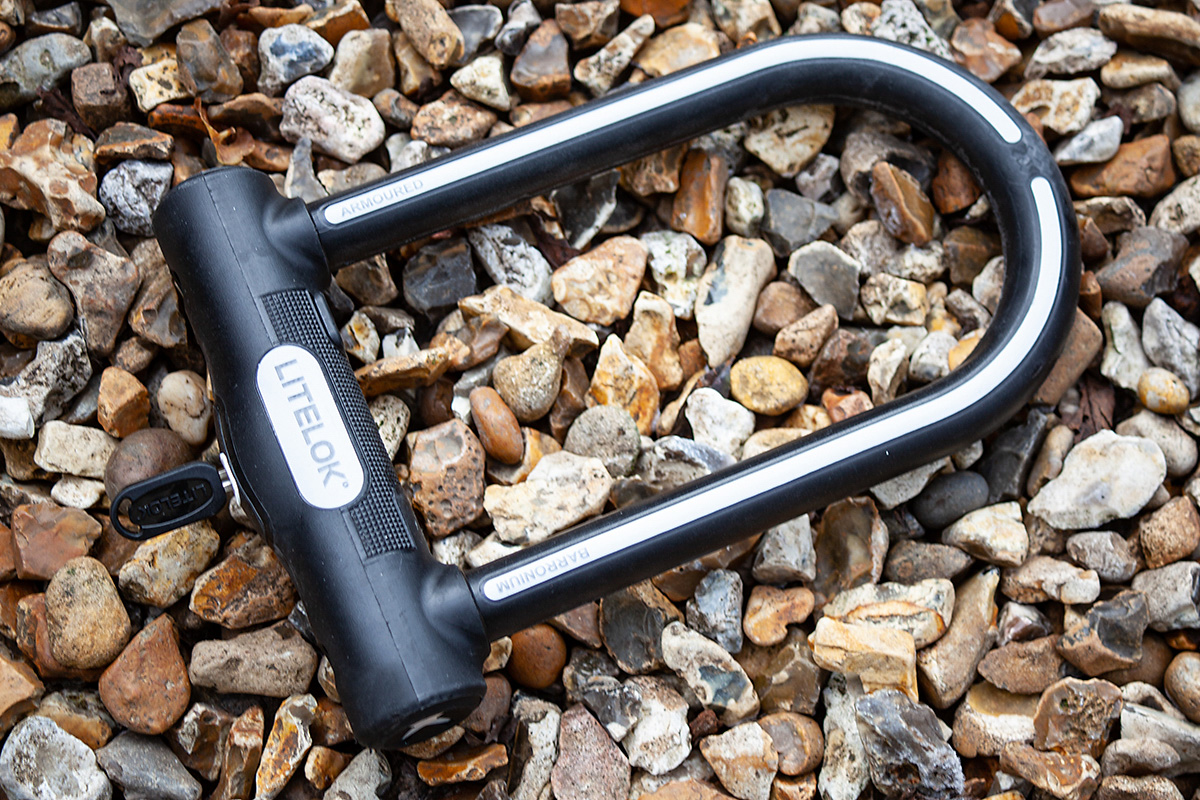
Some brands focus on new ideas and user convenience. For example, Litelok uses flexible materials for easy carrying. Abus also offers smart locks with alarms and apps. These designs add extra features beyond basic security. They suit tech-savvy cyclists and those wanting comfort.

Credit: thebestbikelock.com
How To Use A D-lock Effectively
Using a D-lock the right way keeps your bike safe. It stops thieves from taking it quickly. Follow these steps to lock your bike smartly. This will make stealing very hard.
Securing Your Frame And Wheels
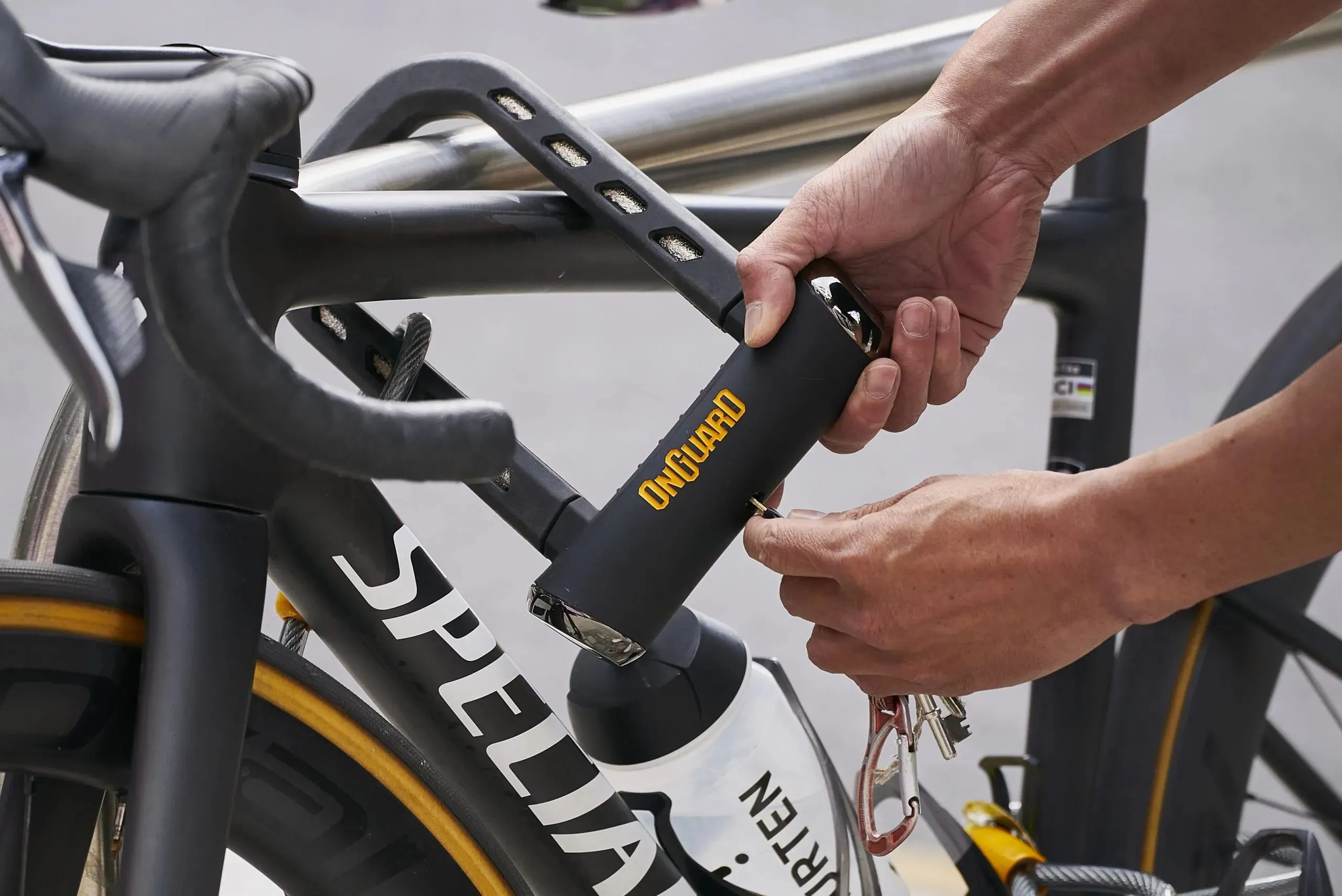
Always lock the frame. This is the strongest part of your bike. Attach the D-lock around the frame and a solid object. If possible, lock one wheel too. This stops thieves from taking parts of your bike.
Choosing The Right Locking Spot
Pick a place that cannot move or break. A bike rack or metal post works well. Avoid thin trees or wooden poles. Make sure the lock sits high off the ground. This makes it harder to cut.
Tips To Deter Thieves
Use a second lock for more security. Lock your bike in well-lit areas. Busy spots scare away thieves. Turn your bike so the lock faces the ground. This makes cutting tools harder to use.
Maintaining Your D-lock
Maintaining your D-lock is key to keeping your bike safe. A well-kept lock lasts longer and works smoothly. Regular care stops rust and damage. It also saves you money on replacements. Follow simple steps to keep your lock in top shape.
Cleaning And Lubrication
Clean your D-lock often to remove dirt and grime. Use a soft cloth and mild soap with water. Avoid harsh chemicals that can damage the lock’s surface. Dry the lock completely after cleaning.
Lubricate the lock mechanism regularly. Use a light oil or silicone spray made for locks. Spray inside the keyhole and shackle joints. This stops the lock from sticking and rusting. Wipe off any extra oil to avoid dirt build-up.
Storage Tips
Store your D-lock in a dry place when not in use. Avoid leaving it outside in rain or snow. Moisture causes rust and weakens the metal. If you carry your lock on the bike, use a protective cover. This reduces exposure to weather and dirt.
Keep the lock away from direct sunlight for long hours. Heat can damage plastic parts or paint. A cool, shaded spot is best for storage.
When To Replace Your Lock
Replace your D-lock if it shows signs of rust or damage. Rust weakens the metal and lowers security. If the lock sticks or the key won’t turn, it may need replacing. A bent or cracked shackle is unsafe.
Choose a new lock if your current one no longer fits your bike frame properly. A loose lock is easier to break. A strong, well-fitting lock protects your bike better.
Comparing D-locks With Other Locks
D-locks are a popular choice for bike security. They offer strong protection by locking the frame and wheel to a fixed object. Many cyclists wonder how D-locks compare to other common lock types. Each lock type has its strengths and weaknesses. Understanding these differences helps you pick the best lock for your needs.
U-locks Vs D-locks
U-locks and D-locks look similar but have small differences. U-locks have a rounded shape. D-locks are shaped like the letter D. Both are very hard to cut. D-locks tend to be lighter and easier to carry. U-locks might offer more locking space but can be heavier. Both protect your bike well against quick theft attempts.
Chain Locks Vs D-locks
Chain locks use heavy metal links and a padlock. They offer flexibility to lock around large objects. Chains are bulkier and heavier than D-locks. Chains can be easier to carry if wrapped around the frame. D-locks are more rigid and resist twisting attacks better. Chains give more freedom in locking positions but weigh more.
Folding Locks Vs D-locks
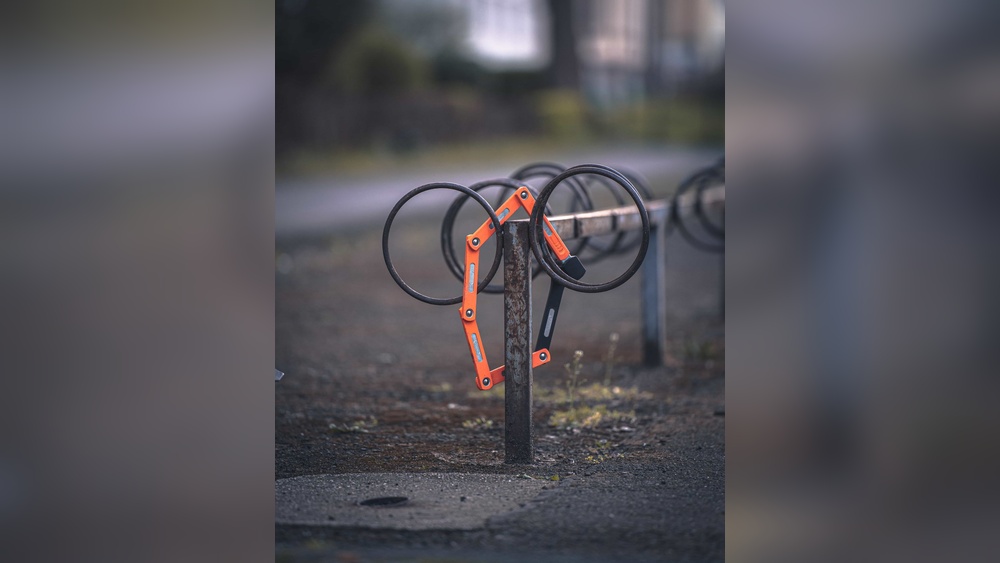
Folding locks fold up into a small shape for easy carrying. They have linked metal bars connected by rivets. Folding locks offer more length than D-locks. This lets you lock your bike to bigger objects. They are lighter than chains but not as strong as D-locks. D-locks provide better solid protection, while folding locks balance security and convenience.
Credit: kdfoundation.org
Frequently Asked Questions
What Makes A Bike D-lock The Best Choice?
A top bike D-lock offers strong steel construction and high security. It resists cutting and picking. Compact size and ease of use also matter. Quality locks protect your bike effectively in various environments.
How Do I Choose The Right Size D-lock?
Choose a D-lock that fits your bike frame and secure object. Too large locks can be bulky, while too small may not fit. Measure your bike’s frame and the object to ensure a snug and secure fit.
Are D-locks Better Than Cable Locks For Bikes?
Yes, D-locks provide stronger protection than cable locks. They resist cutting and leverage attacks better. Cable locks are flexible but easier to cut. For high theft areas, a durable D-lock is a safer option.
Can A D-lock Prevent Bike Theft Completely?
No lock can guarantee 100% theft prevention. However, a quality D-lock significantly reduces theft risk. Always secure your bike to a fixed object in well-lit areas. Combining locks adds extra security.
Conclusion
Choosing the right bike D-lock keeps your bike safe every day. Strong materials and good design matter most. A reliable lock stops thieves from taking your bike. Always check the lock fits your bike frame well. Don’t forget to carry your key or code carefully.
A simple, sturdy lock gives peace of mind. Protect your bike with the best D-lock for your needs. Stay safe and enjoy every ride without worry.